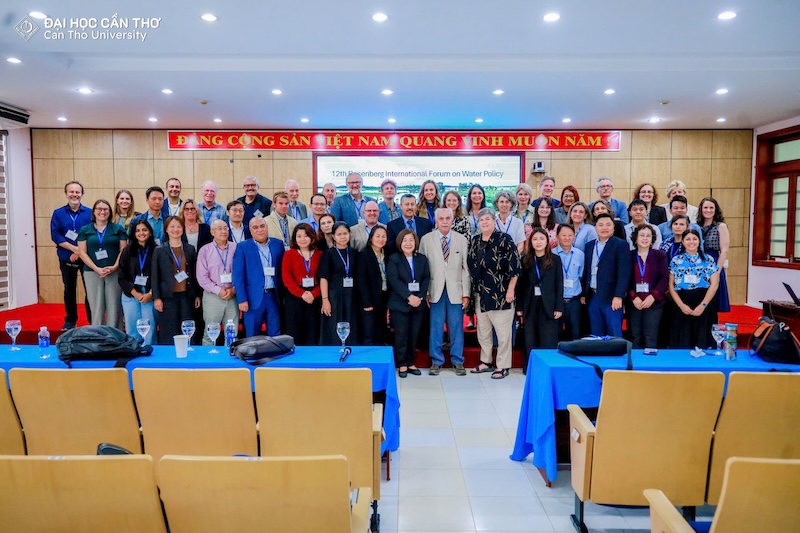
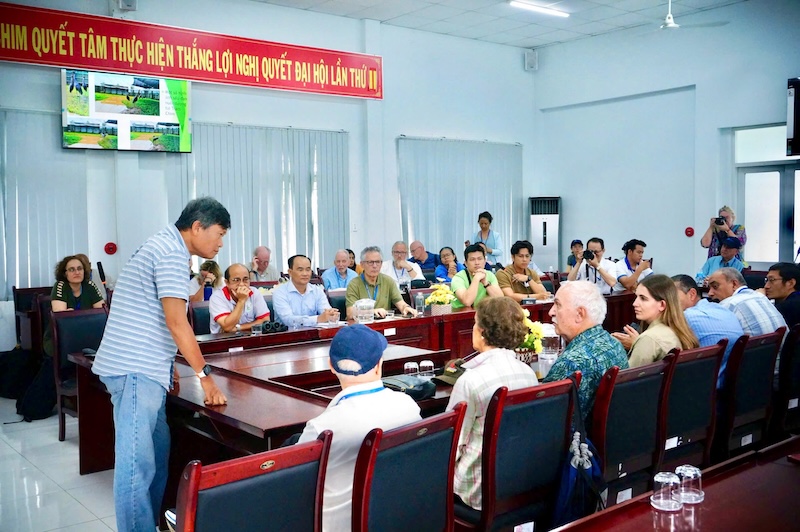
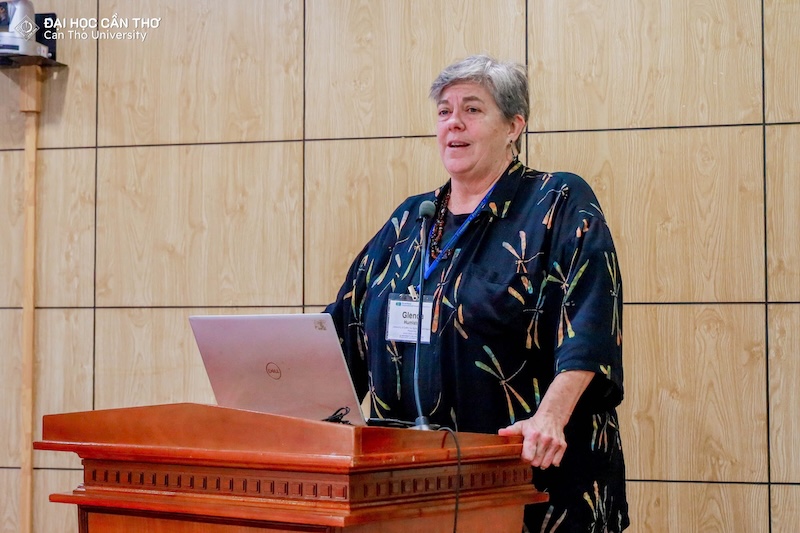
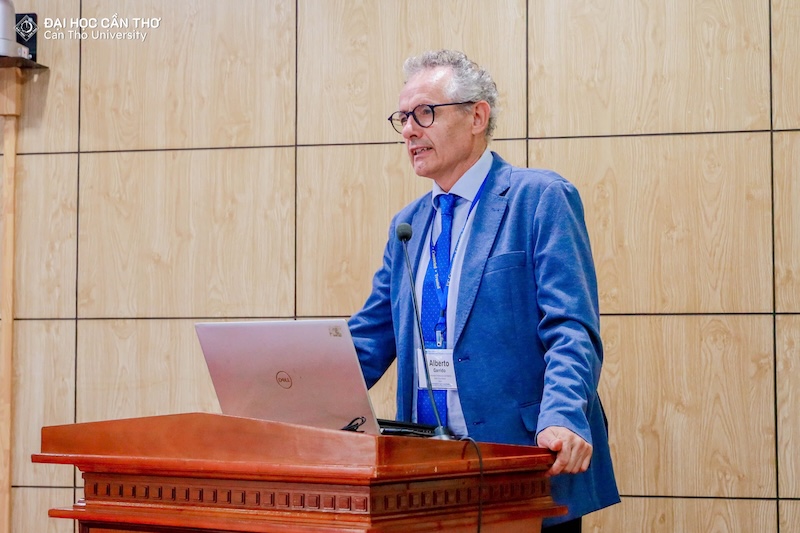
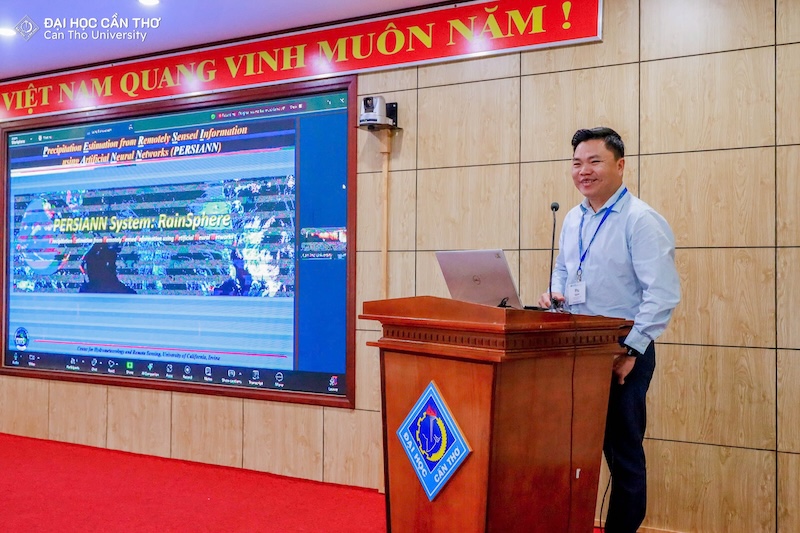
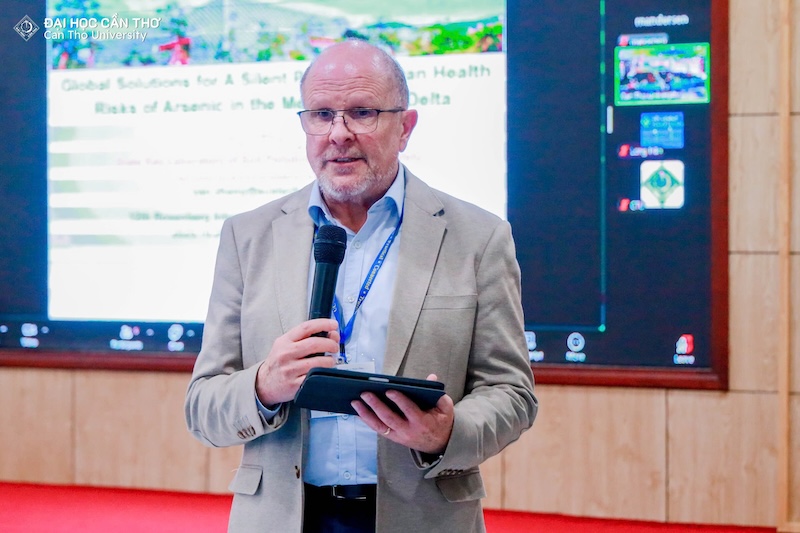
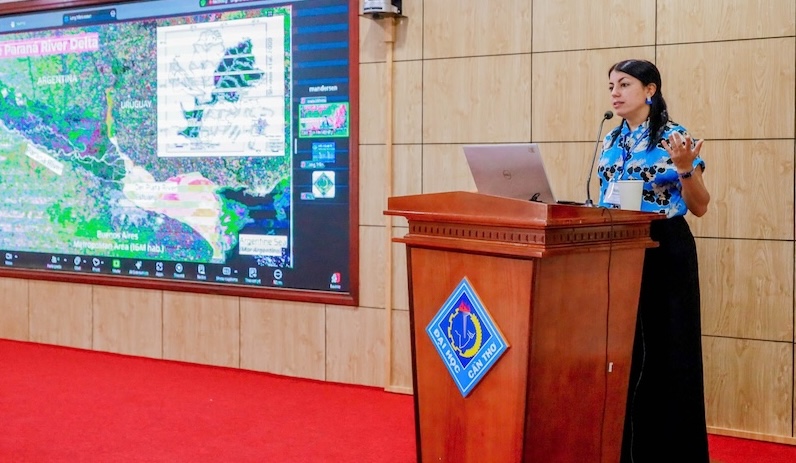
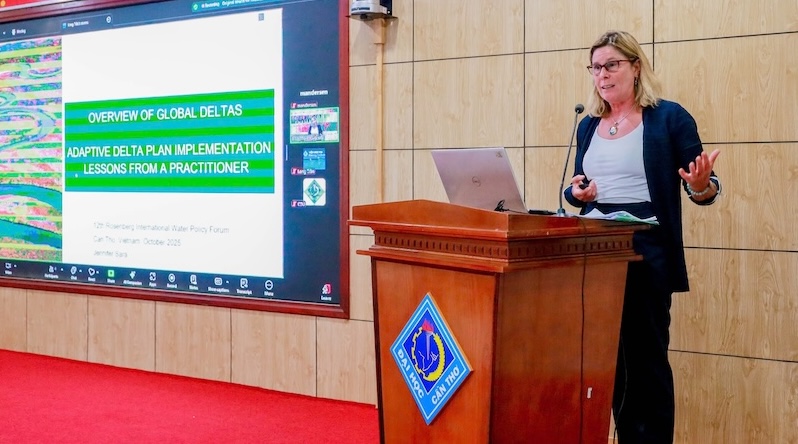
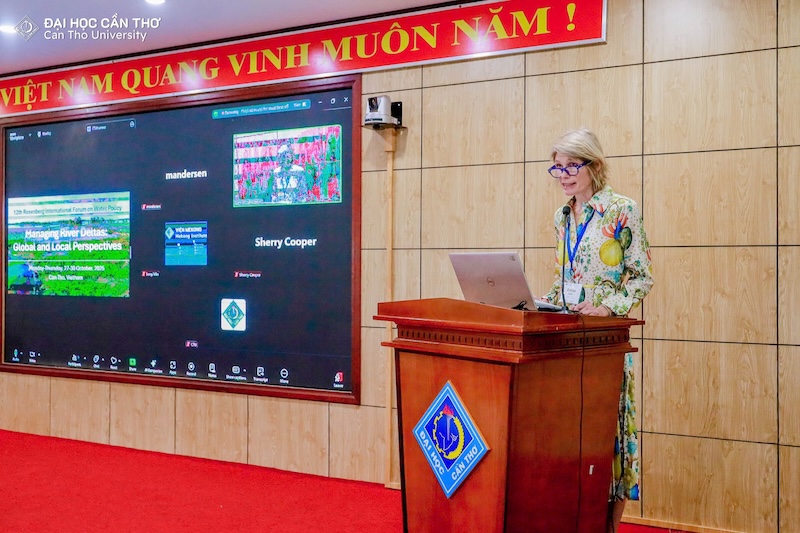
From October 27–30, 2025, the Mekong Institute, Can Tho University, in collaboration with the University of California (USA) and the Botin Foundation for Agriculture and Natural Resources (Spain), hosted the 12th Rosenberg International Forum on Water Policy under the theme “ Managing River Deltas: Global and Local Perspectives”
The event took place within the framework of international cooperation on resource governance and sustainable development.
The forum aimed to promote international collaboration, foster meaningful dialogue, and facilitate knowledge exchange among scholars, experts, and policy makers worldwide. It served as a platform to bridge science and policy, shaping strategies for effective water resource management while creating an open, interactive environment for in-depth discussions on sustainable solutions across diverse delta contexts. This also aligns with one of the core development orientations of the Mekong Institute, which strives to become a regional research and knowledge hub—transforming science into practical solutions for community well-being and sustainable delta development.
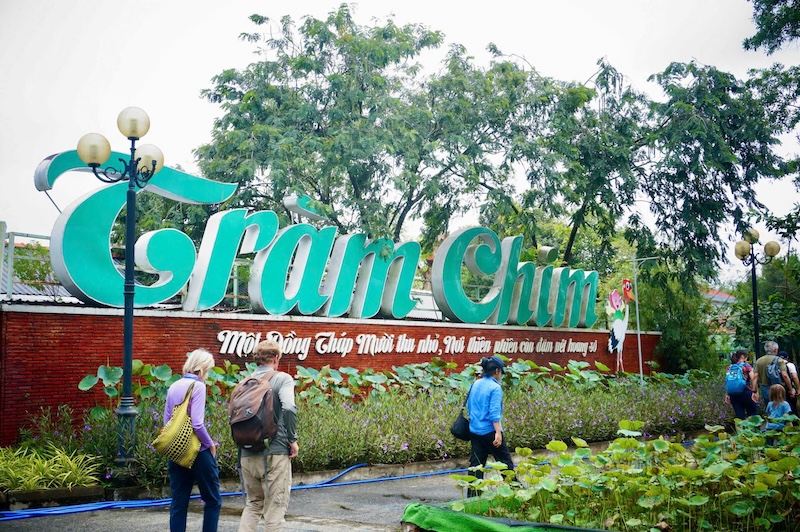
 October 27: The program began with a presentation titled “Introduction to the Mekong Delta” by Dr. Van Ni Duong, Can Tho University. The session provided international participants with valuable insights into the Delta’s unique geographical, ecological, and cultural features, as well as the region’s ongoing challenges related to climate change and upstream resource exploitation. October 28: Participants joined a field trip to Tram Chim National Park (Dong Thap Province)—one of Vietnam’s key Ramsar sites. The visit offered firsthand experiences of wetland ecosystems and conservation efforts in the core area of the Mekong Delta. October 29–30: The forum officially opened with the Opening Ceremony and continued with four in-depth discussion sessions, focusing on key themes of water policy, resource management, and delta governance, bridging global perspectives with local experiences from the Mekong Delta region.
 Session 1 – Diversified Perspectives from Around the Globe
Co-chaired by: Assoc. Prof. Dang Tri Van Pham , Director of the Mekong Institute, Can Tho University, and Prof. Guillermo Donoso Harris, Professor, Catholic University of Chile.
The opening session presented case studies from the U.S., China, Argentina, and Sweden, highlighting common challenges such as water scarcity, salinity intrusion, and sediment management—offering sustainable approaches applicable to the Mekong Delta.
 Session 2 – Socio-Economic Impacts on Deltas
Co-chaired by: Prof. Ariel Dinar, Distinguished Professor, University of California, Riverside (USA), and Dr. Erik Porse, Director, Division of Agriculture and Natural Resources, University of California (USA).
This session analyzed the interlinkages between climate change, economic systems, and livelihoods, emphasizing the integration of socio-economic dimensions into regional policy-making and sustainable development planning.
 Session 3 – Confronting Climate Change and Human Impacts on Deltas
Co-chaired by: Prof. Qingyun Duan, Professor and Chief Scientist, Hohai University, China, and Prof. Alberto Garrido, Professor, Universidad Politécnica de Madrid, Spain.
The session underscored science-based water management approaches, balancing exploitation, conservation, and economic growth. International case studies provided valuable models adaptable to the Mekong Delta’s context.
 Session 4 – Integrating Knowledge and Community in Sustainable Development
Co-chaired by: Erik Porse, Director, Agriculture and Natural Resources, University of California, USA.
The final session focused on translating scientific knowledge into community-driven actions, enhancing collaboration among researchers, policymakers, businesses, and local communities. This reflects the Mekong Institute’s strategic mission to promote innovative, community-centered solutions for a sustainable Mekong Delta.
 From global perspectives to local action, the four sessions of the 12th Rosenberg Forum not only bridged science and policy but also reaffirmed the Mekong Institute’s vision—to serve as a center for research, knowledge connection, and practical innovation supporting the sustainable development of the Mekong Delta region.