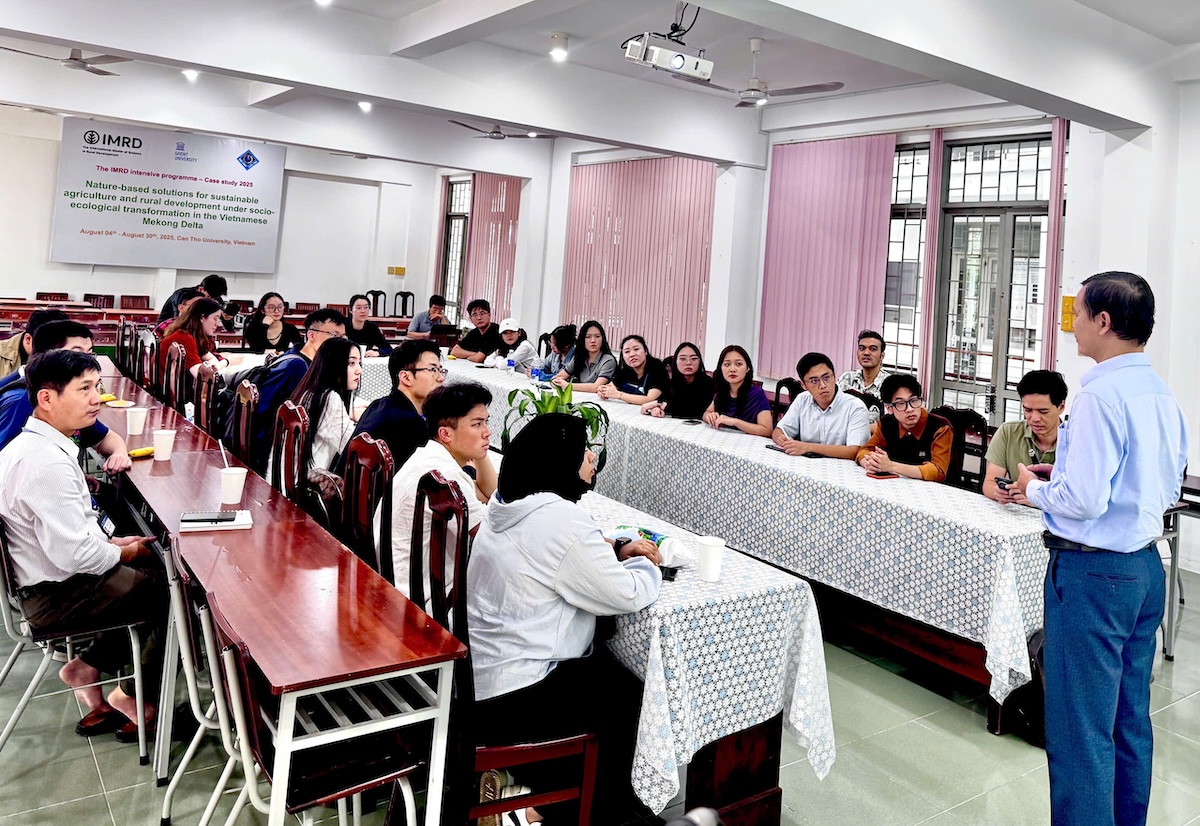
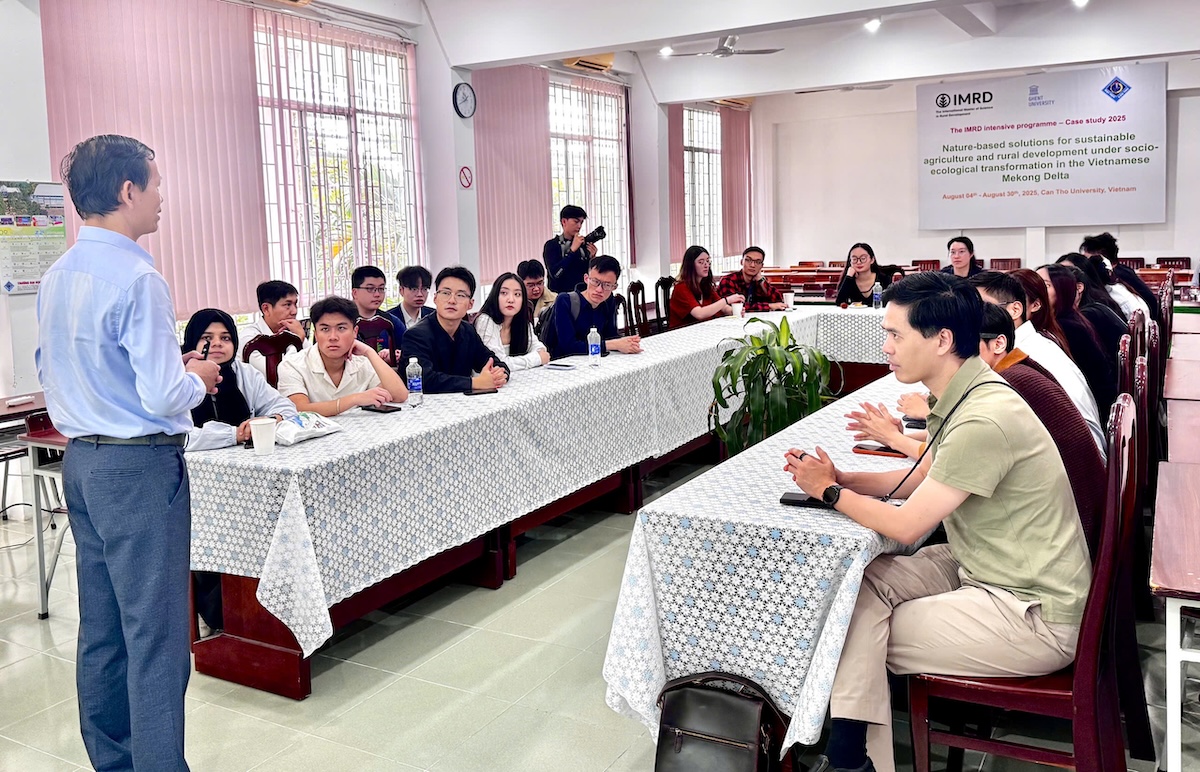
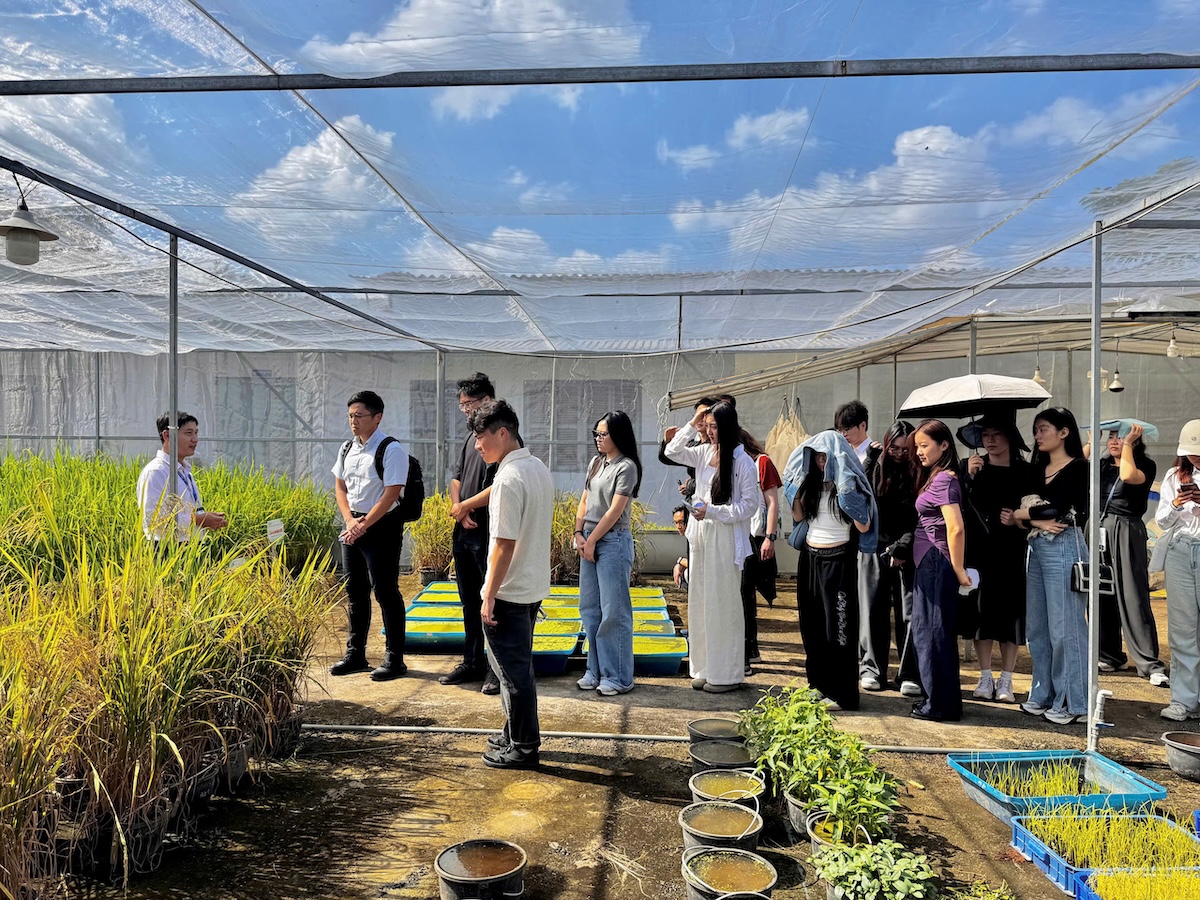
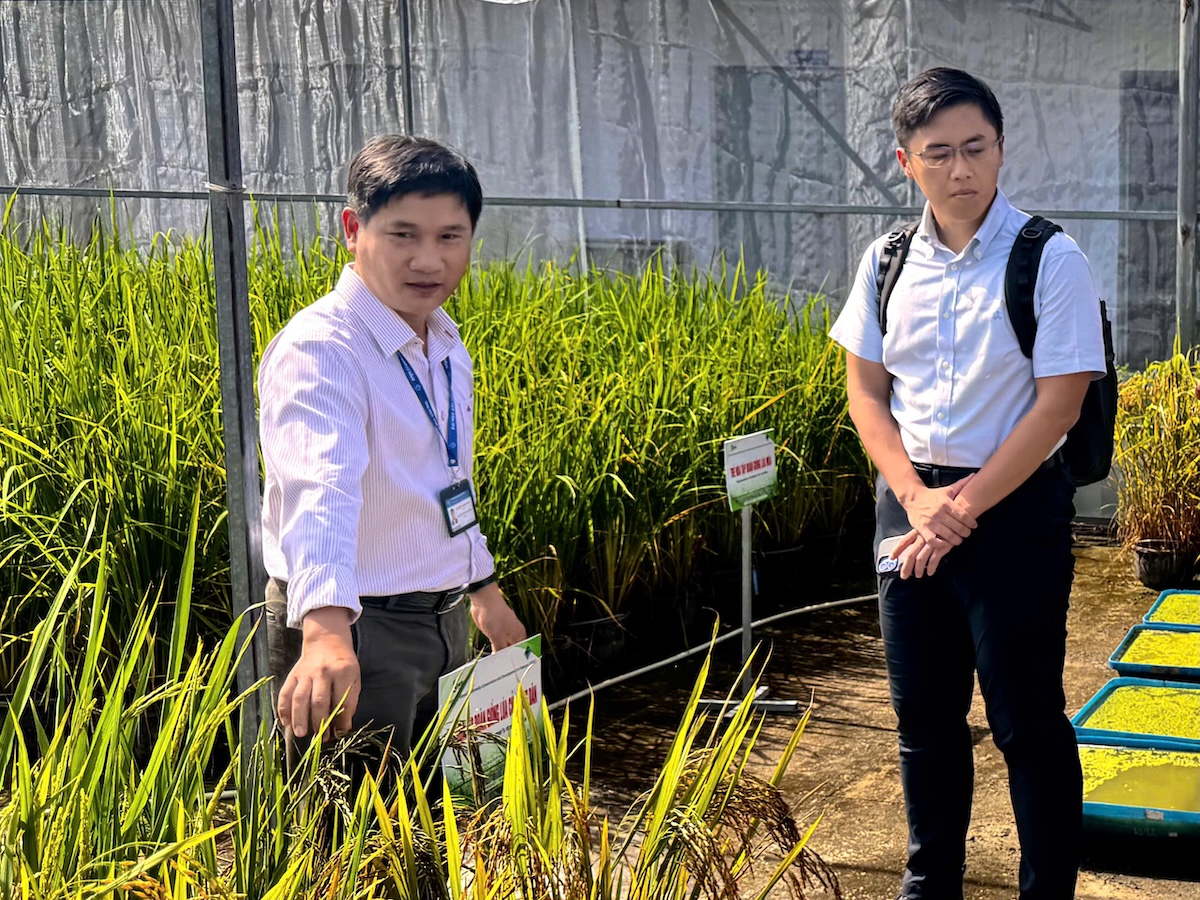
Within the framework of collaboration between the Mekong Institute, Can Tho University and the Representative Office of the University of Hong Kong in Vietnam, on the morning of 05 December 2025, an academic exchange session themed “Identity and Business, An Interdisciplinary Inquiry into Vietnam’s F&B Sector” took place at the Mekong Institute. The program sought to strengthen scholarly engagement and broaden interdisciplinary dialogue on food systems, climate change and sustainable development strategies across the Mekong Delta.
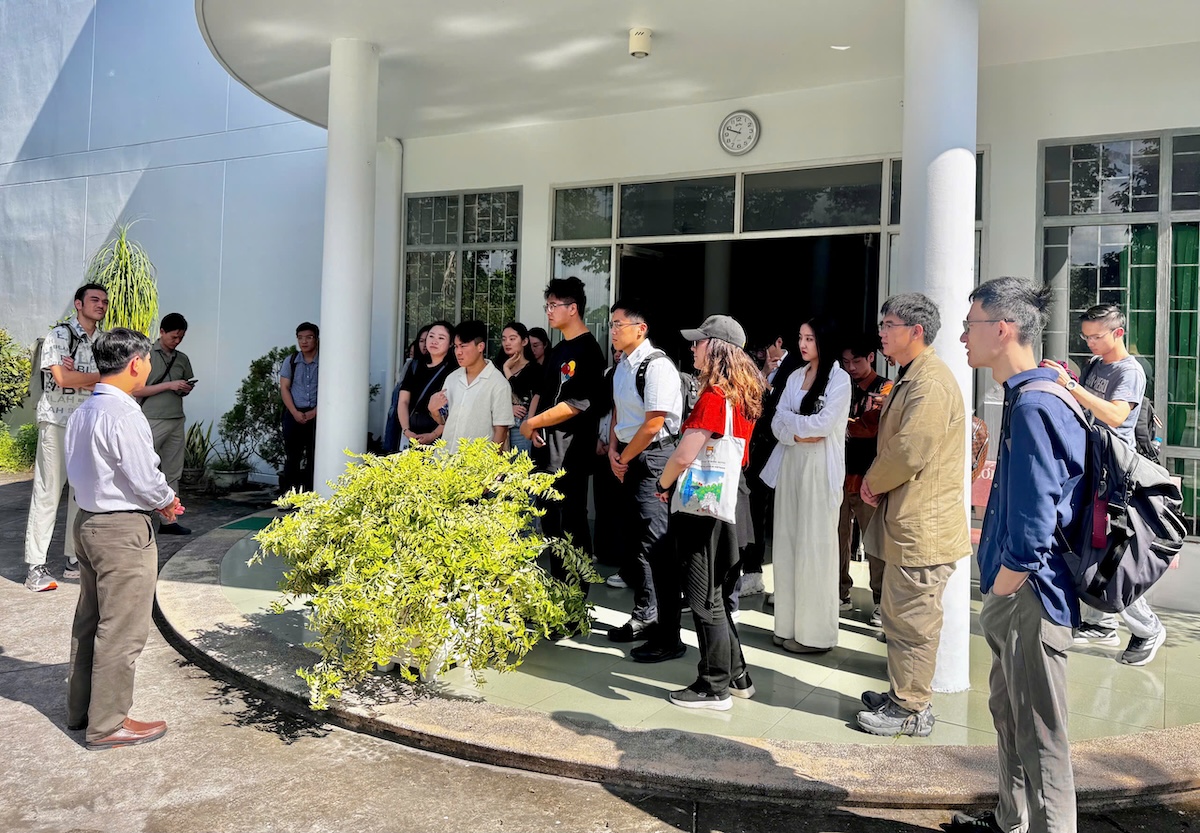
During the visit, graduate and postgraduate participants were introduced to the Institute’s research functions, its orientation toward sustainable agricultural transition and various interregional initiatives designed to enhance climate adaptation. The program also offered the Hong Kong delegation an opportunity to observe seed production systems, the rice gene bank and the display of traditional agricultural tools, thereby gaining direct insights into the agricultural landscape and historical cultivation practices of the Mekong Delta. Throughout the working sessions, representatives underscored the essential role of young scholars in advancing climate resilience, promoting green transformation and shaping a sustainable agricultural future.
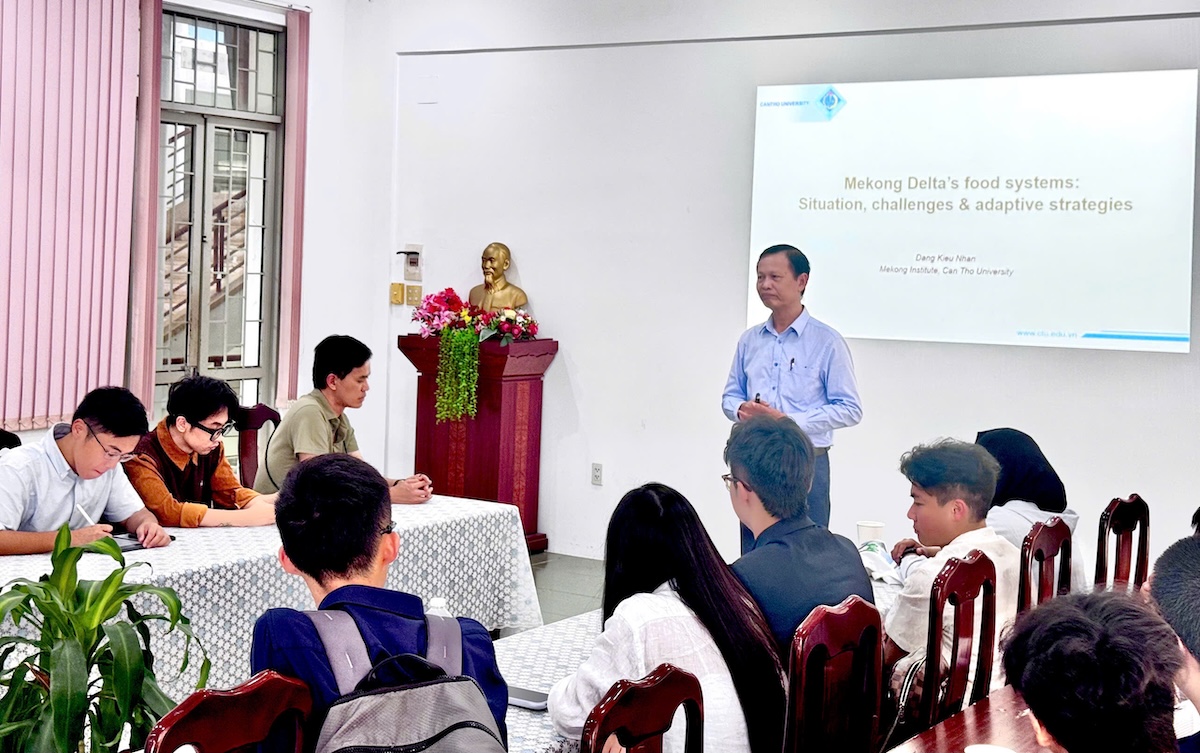
The thematic discussions highlighted the significance of the Mekong Delta in securing regional and global food supplies, while identifying foundational challenges including saltwater intrusion, land subsidence, reduced sediment flow and instability in agricultural markets. As part of the exchange, Dr Dang Kieu Nhan, specializing in Sustainable Development Management, delivered an expert presentation on the current state of the Delta’s food systems, associated ecological pressures and key adaptation pathways, providing theoretical evidence for nature based agricultural transitions and sub regional governance approaches to support livelihood stability and systemic resilience over the long term.
Through this lecture, HKU students were able to approach multi layered adaptation strategies relevant to the Mekong Delta context, including ecological agriculture integrated with natural systems, region based governance and coordinated sub regional ecological planning, as well as the transformation of climate risks into opportunities by aligning food system management with hydrological and climatic conditions specific to each zone.
In the context of accelerating climate challenges, this collaboration between the Mekong Institute and the University of Hong Kong serves not only to expand international students’ exposure to the Vietnamese market through enterprise visits and knowledge exchange, but also to enhance academic visibility, connect students with domestic stakeholders and cultivate future opportunities for cooperation in investment and sustainable development.