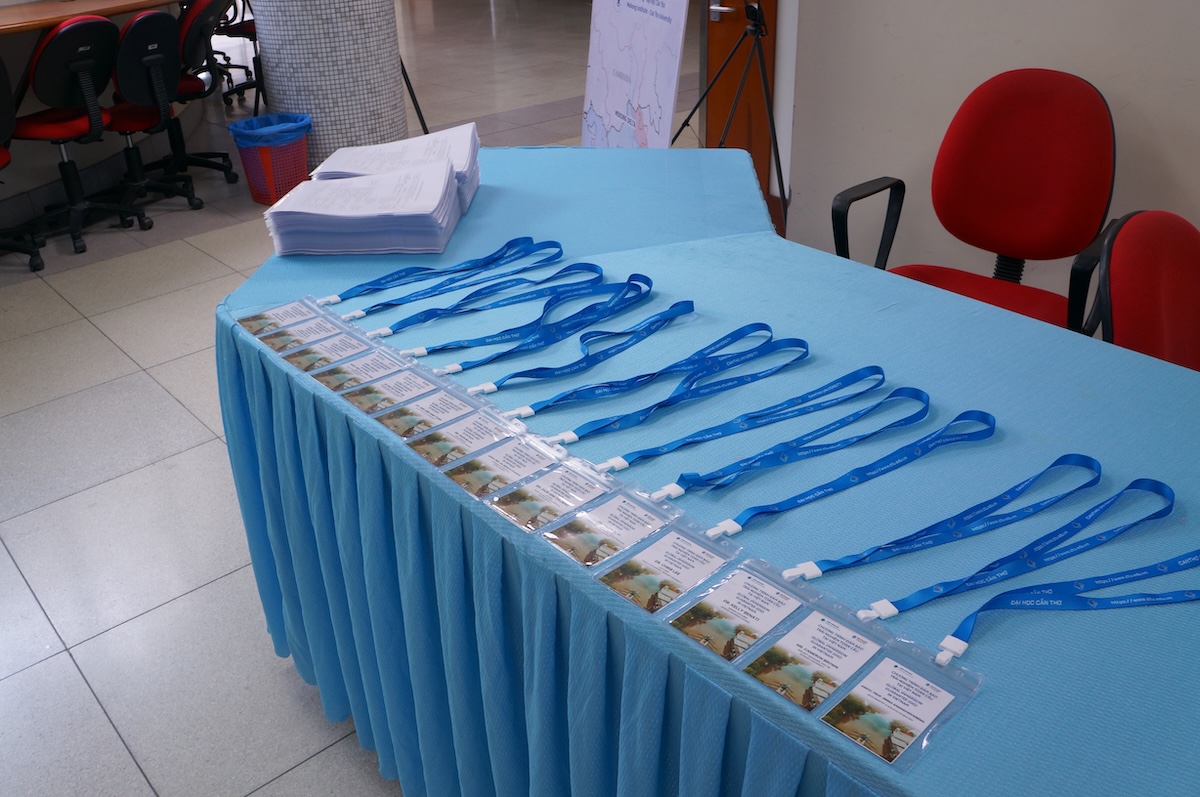
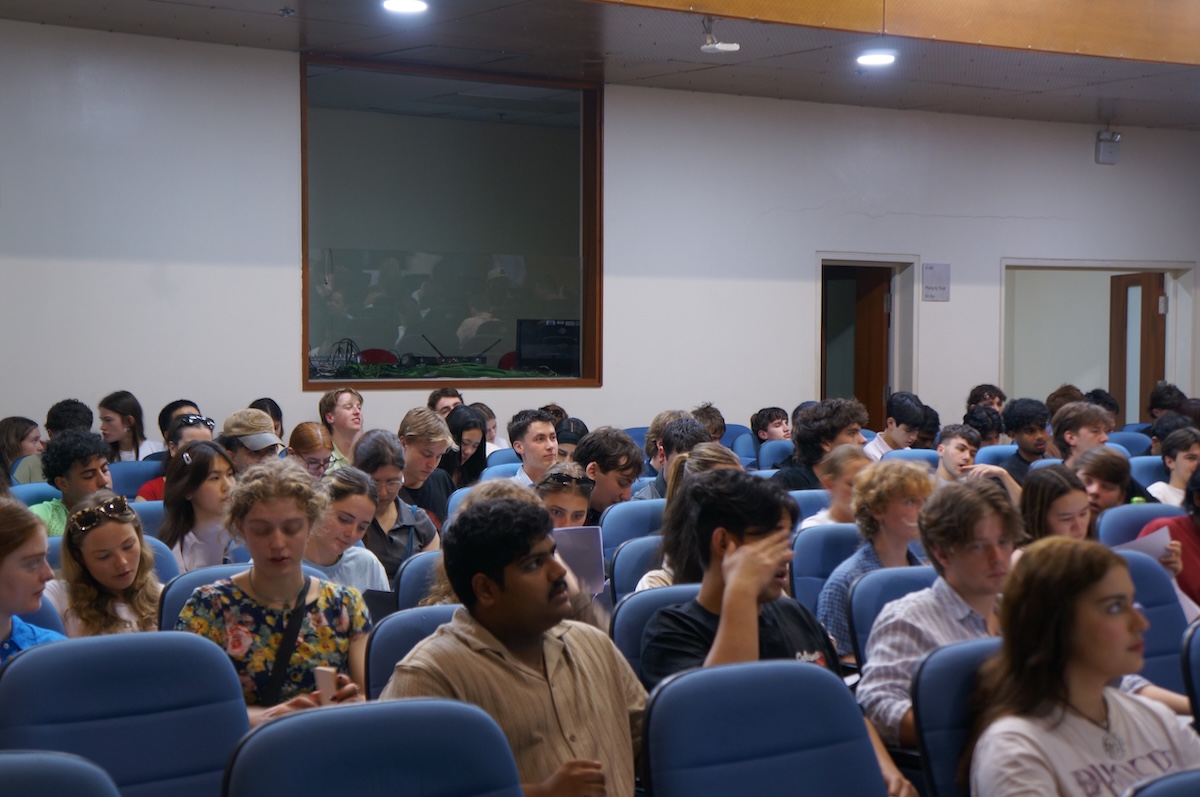
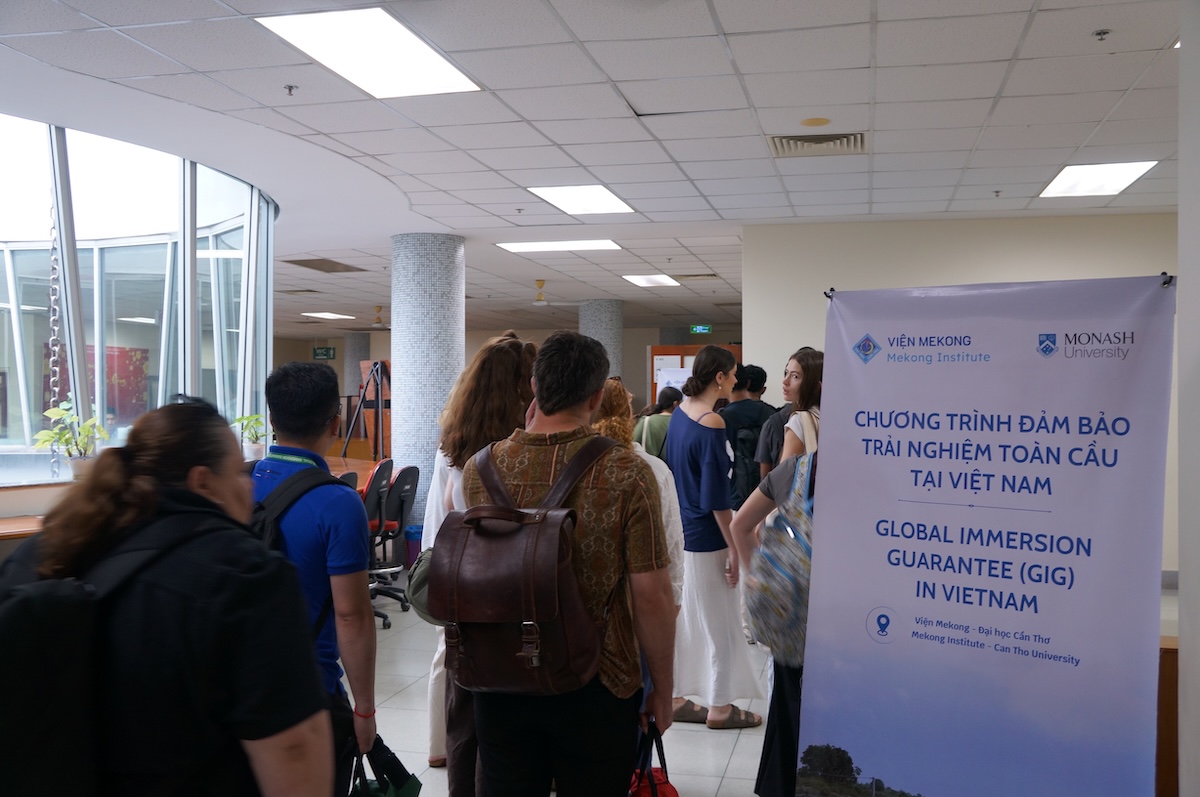
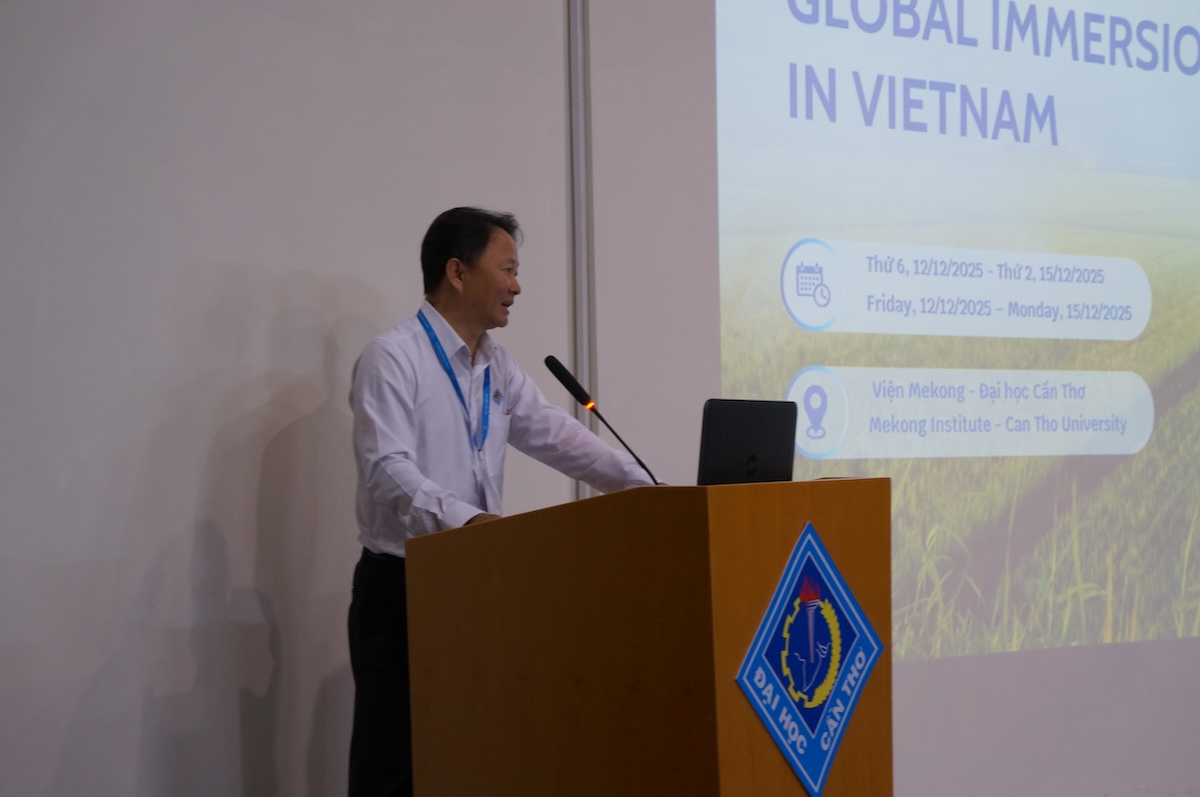
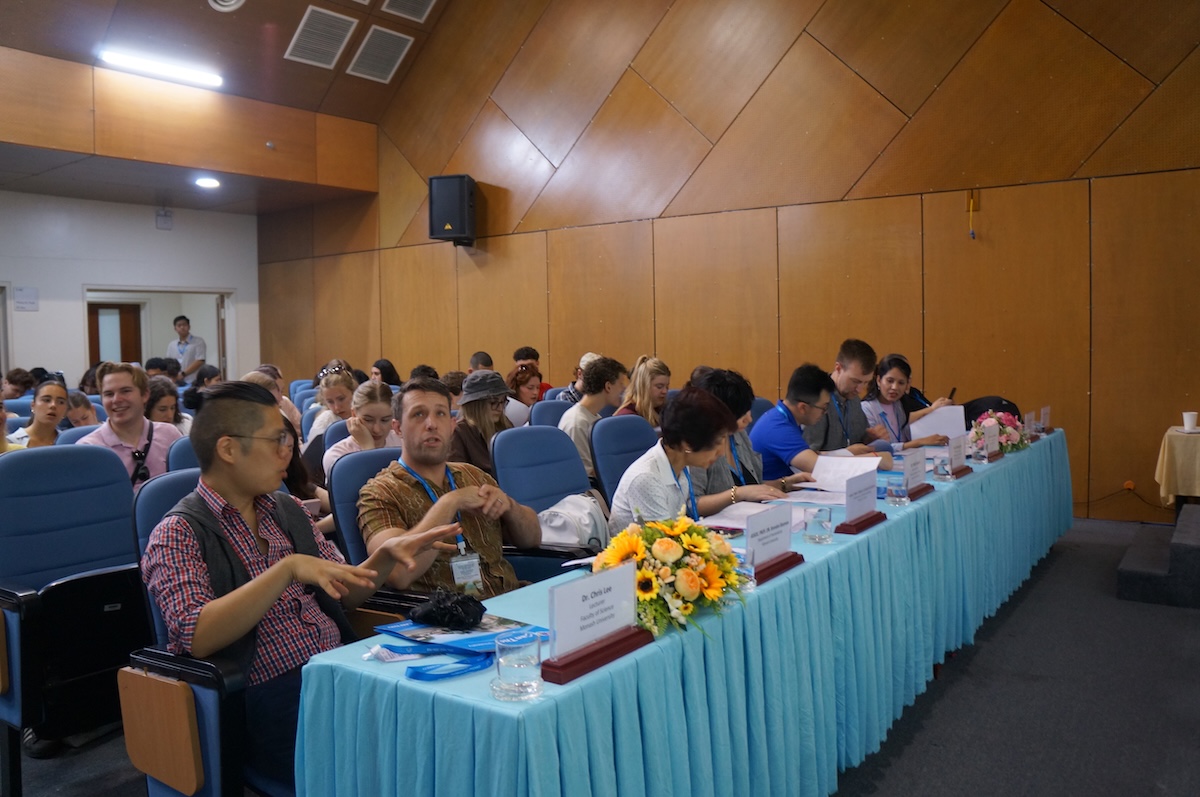
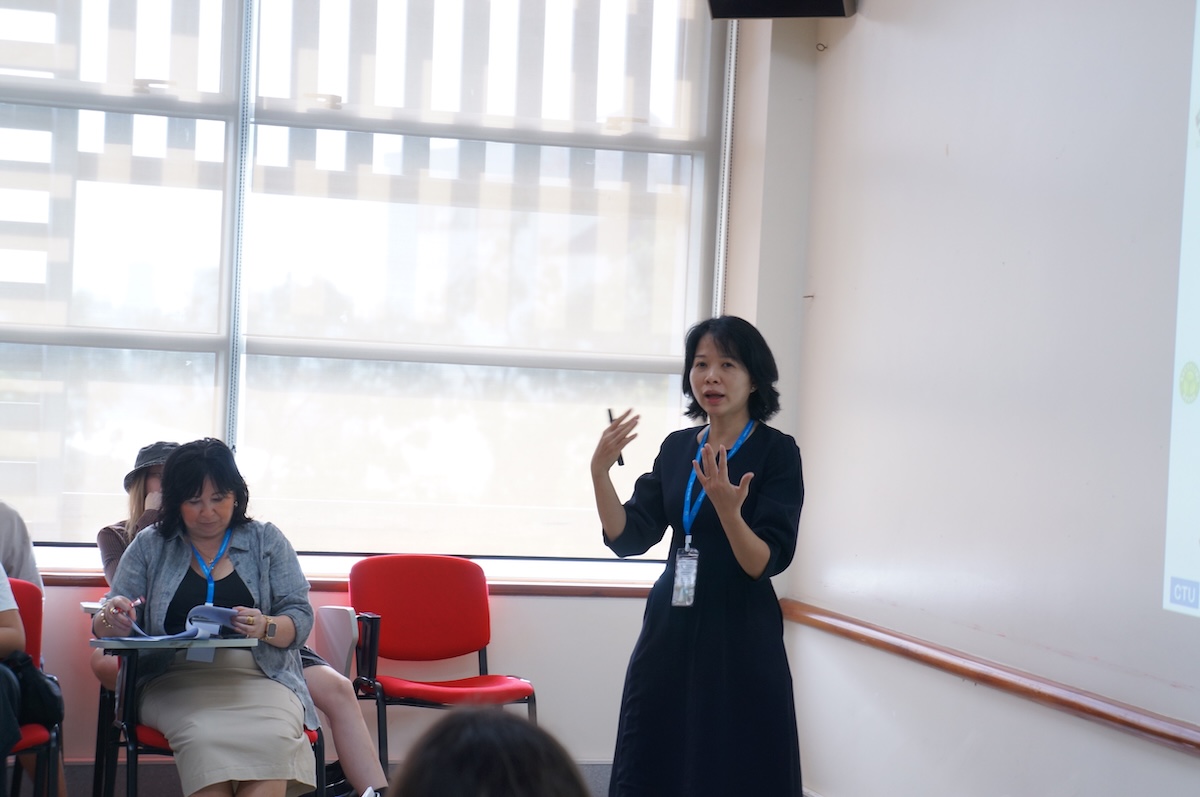
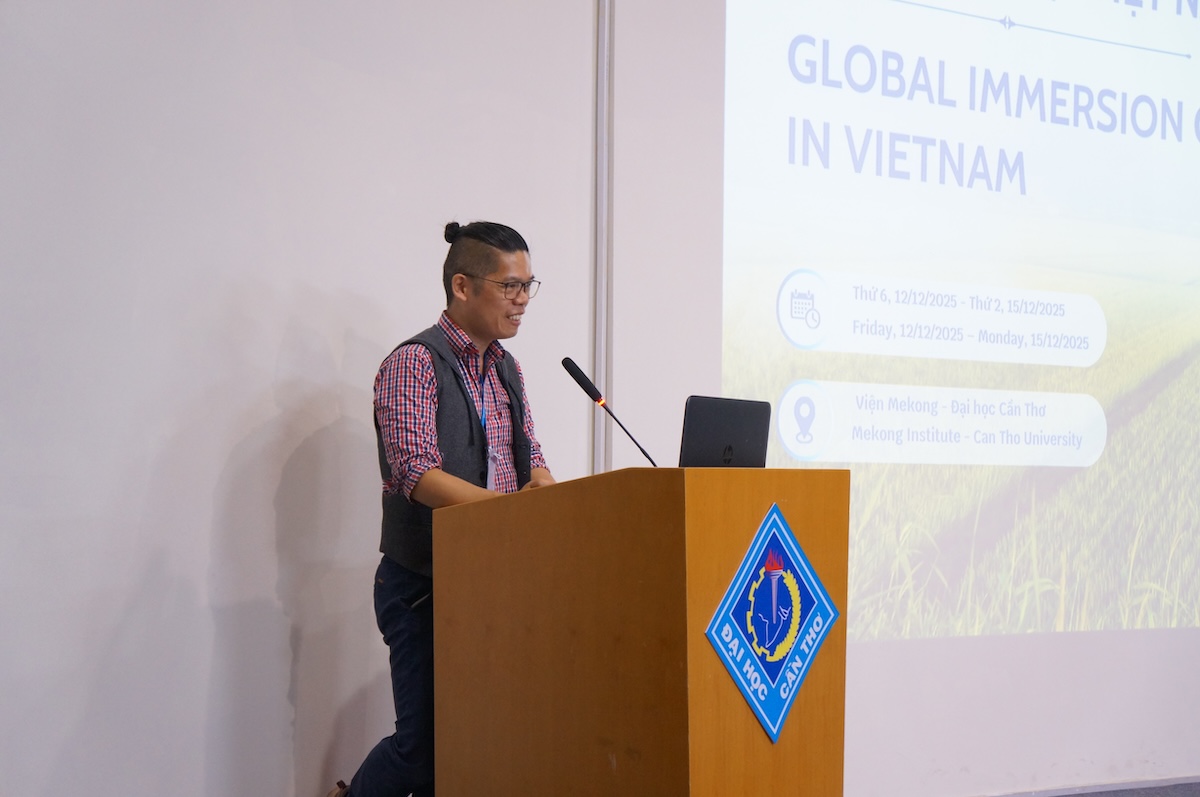
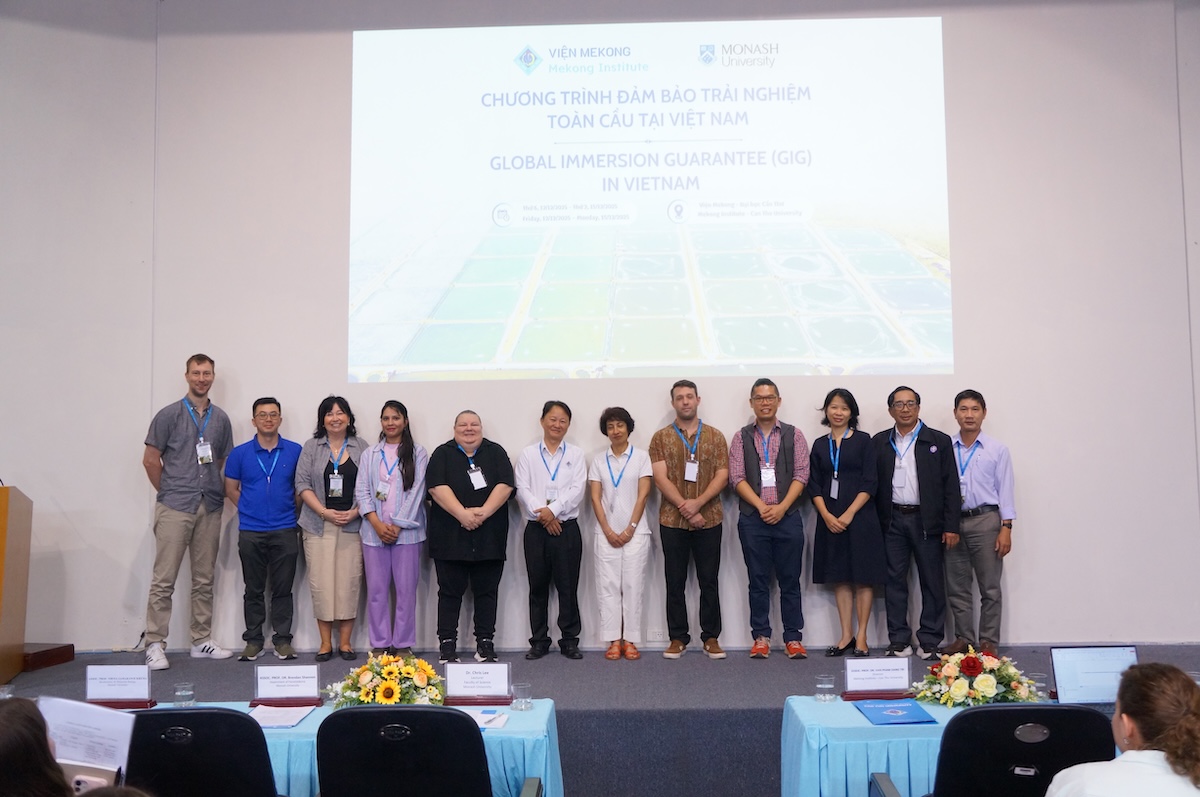
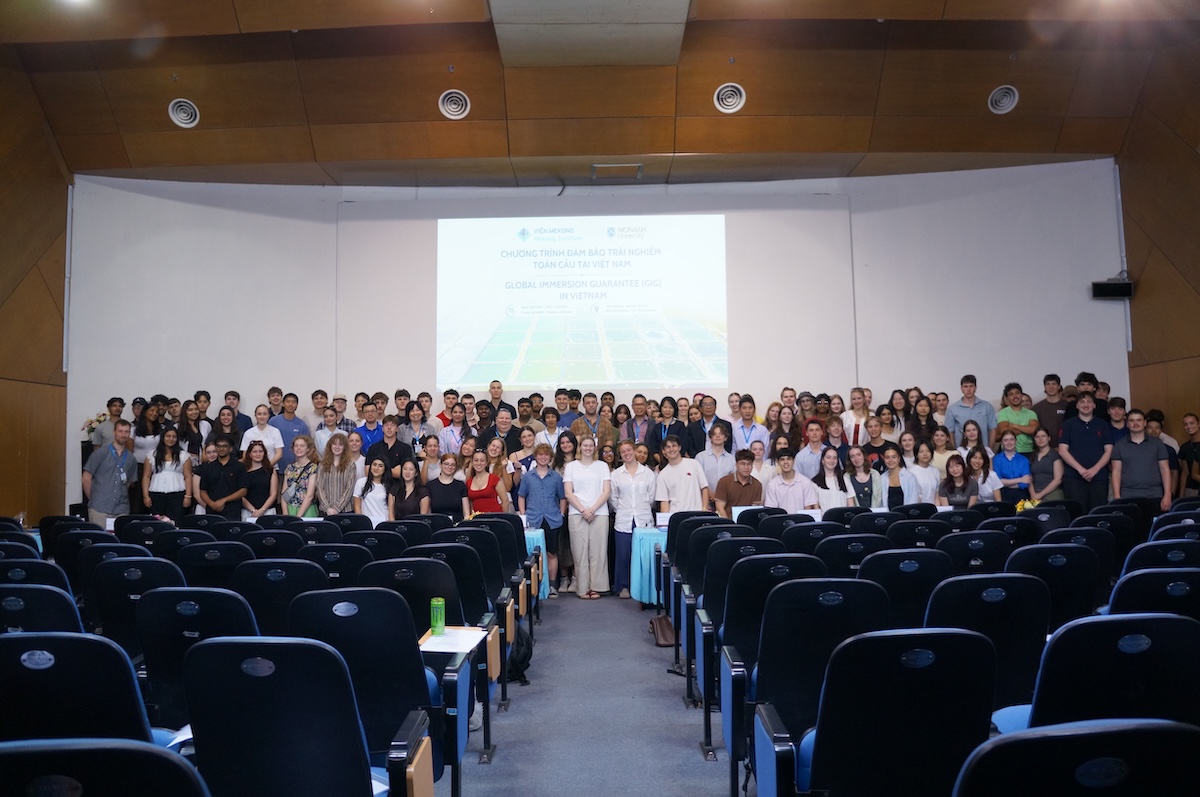
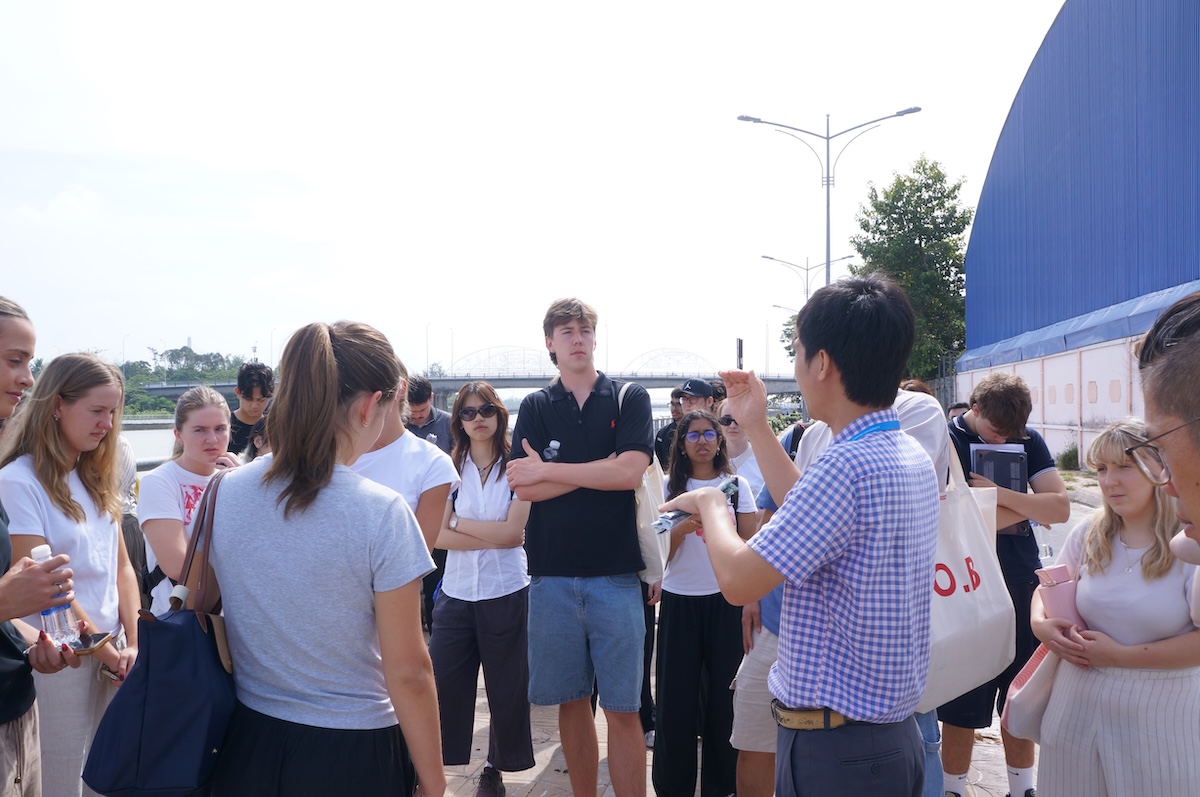
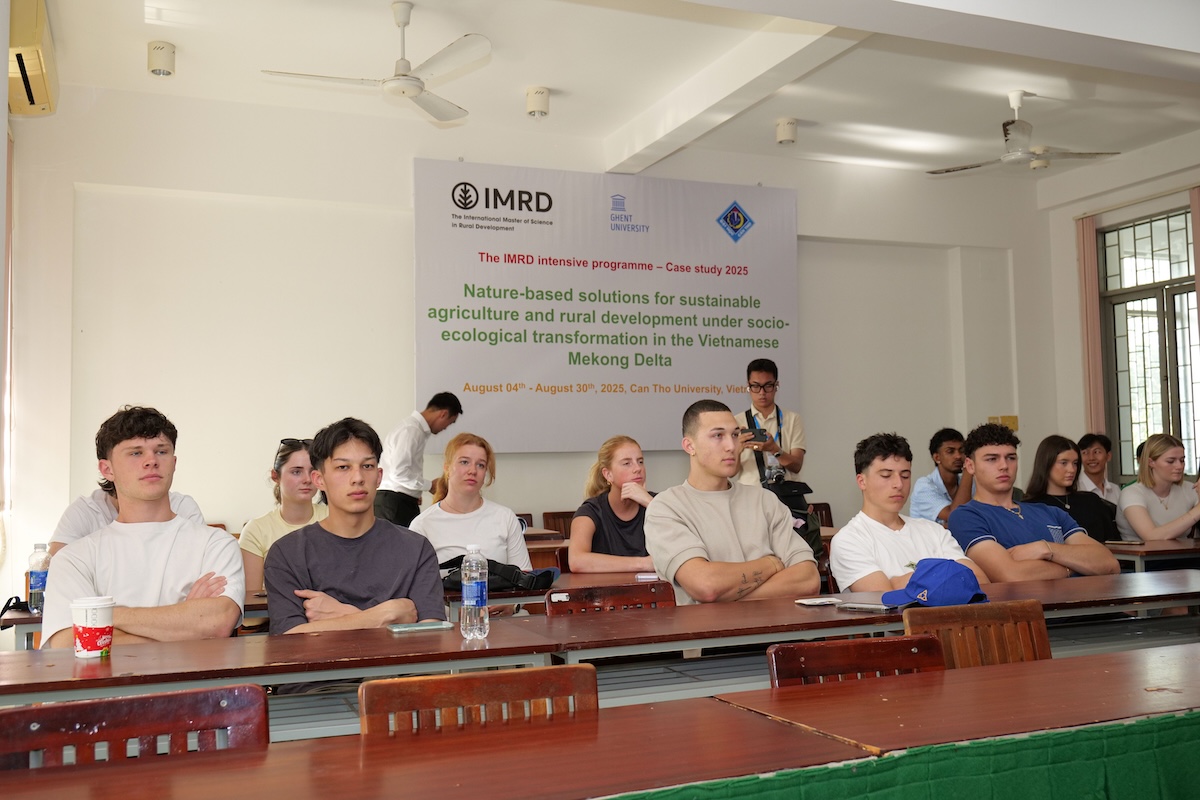
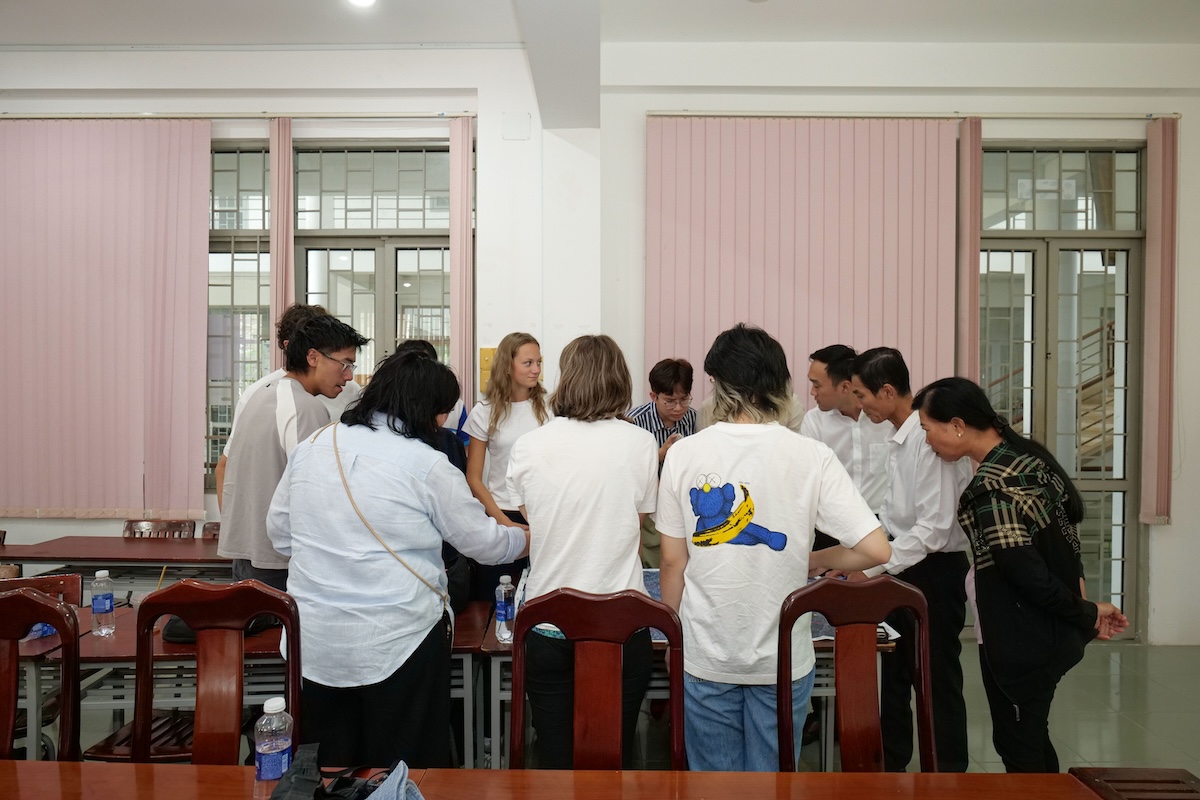
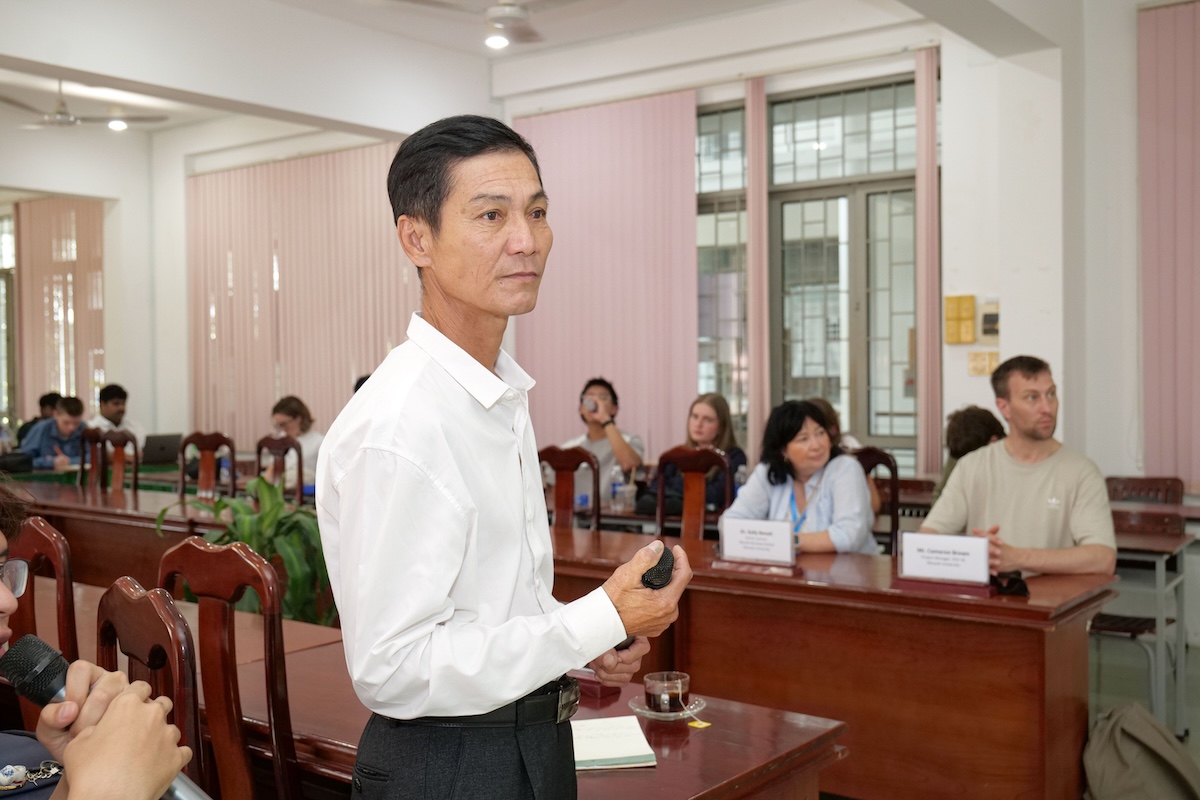
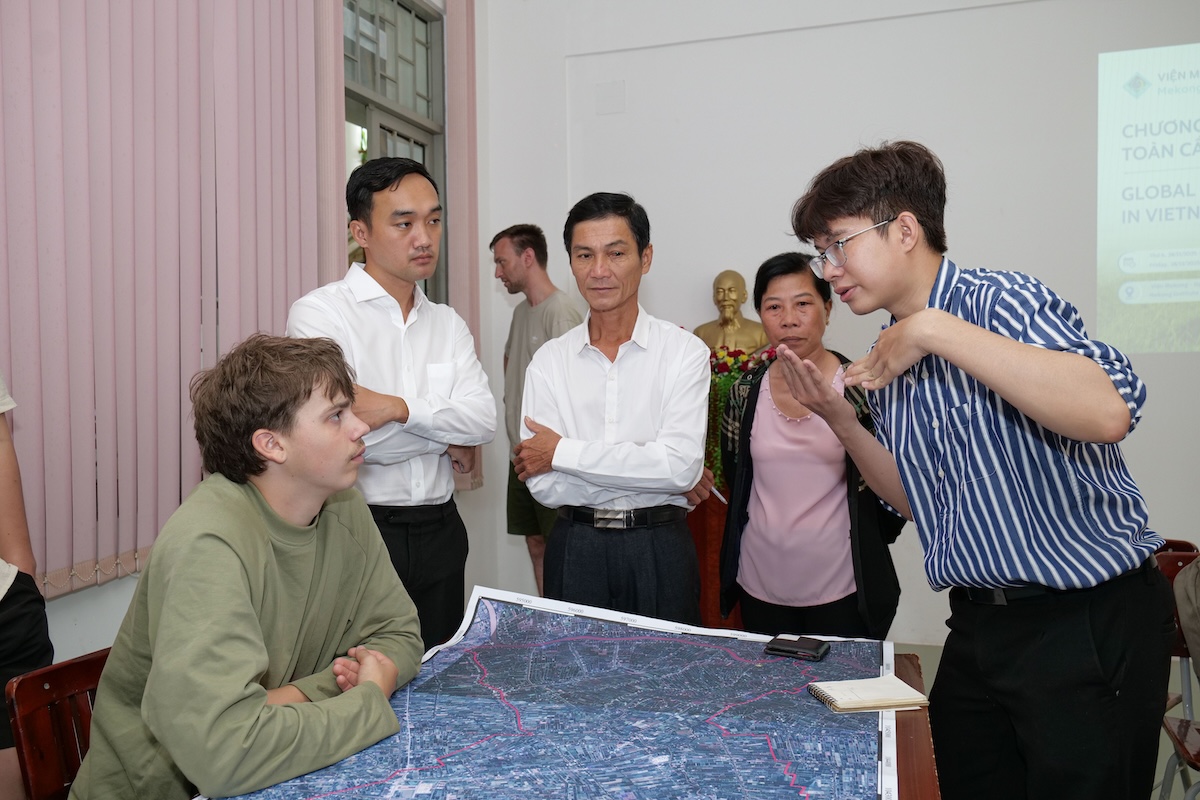
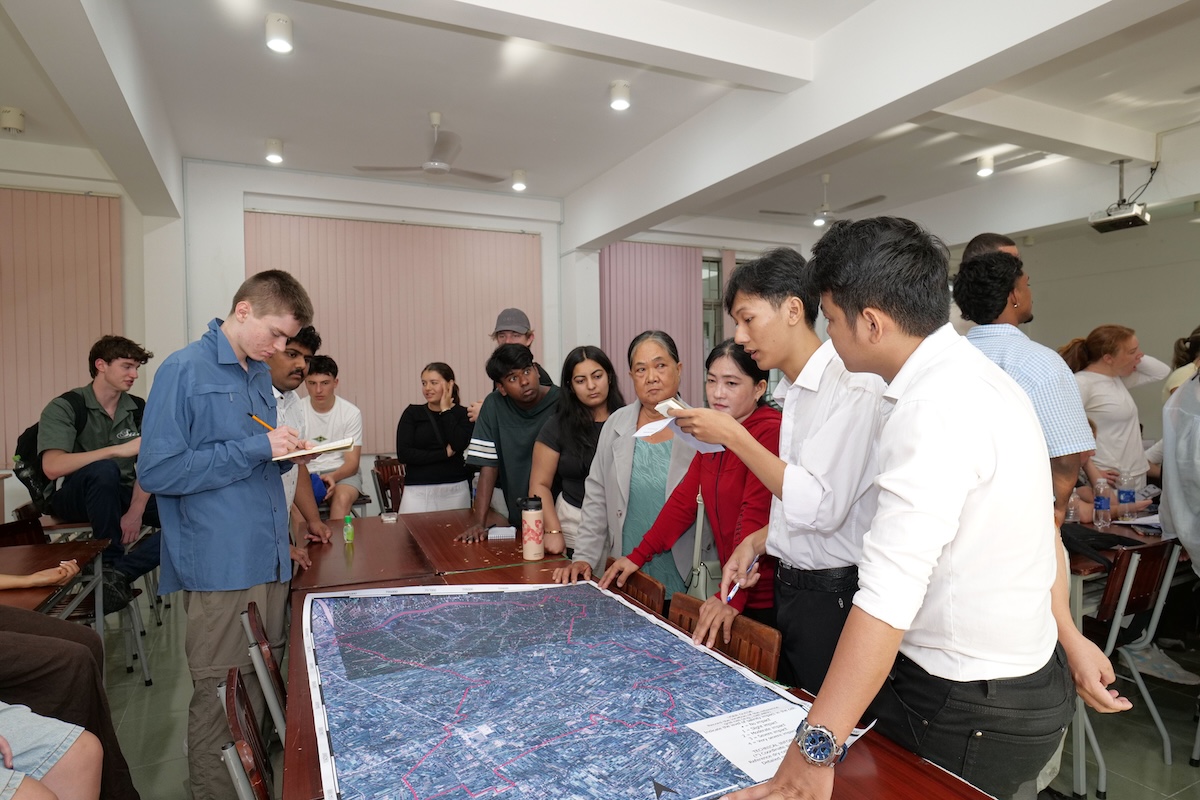
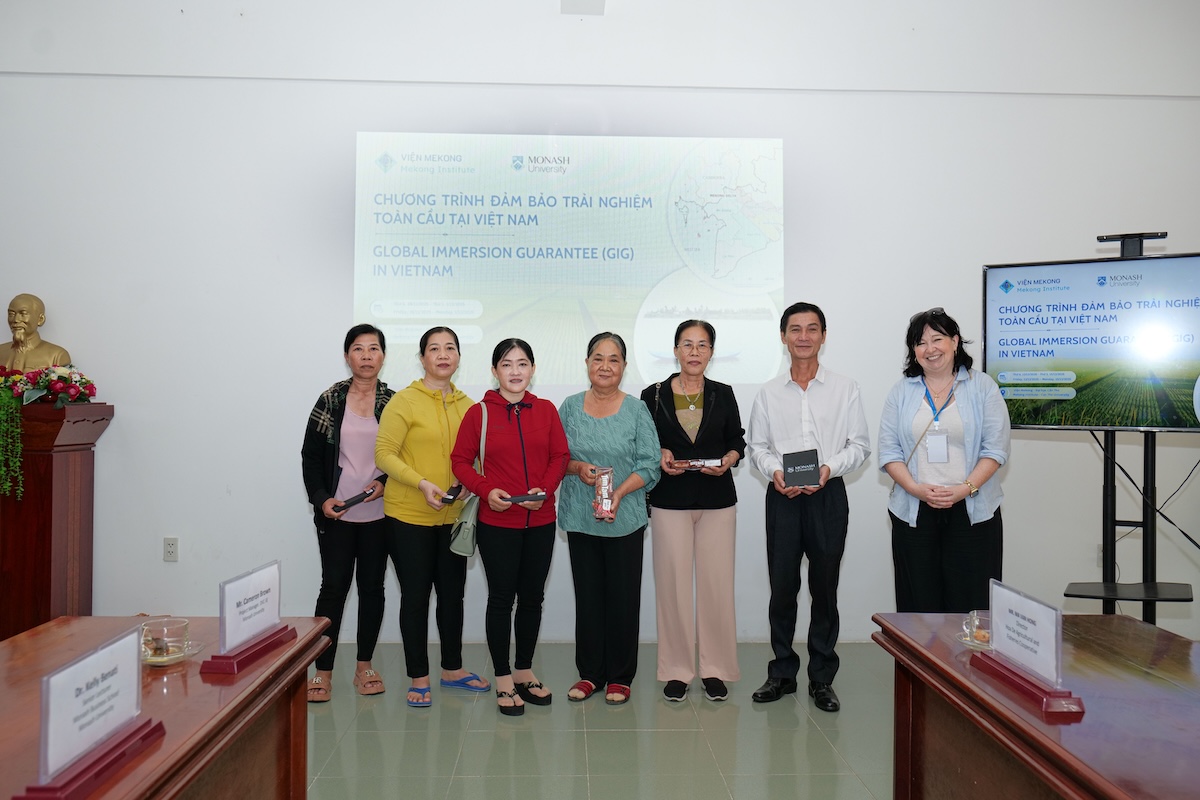
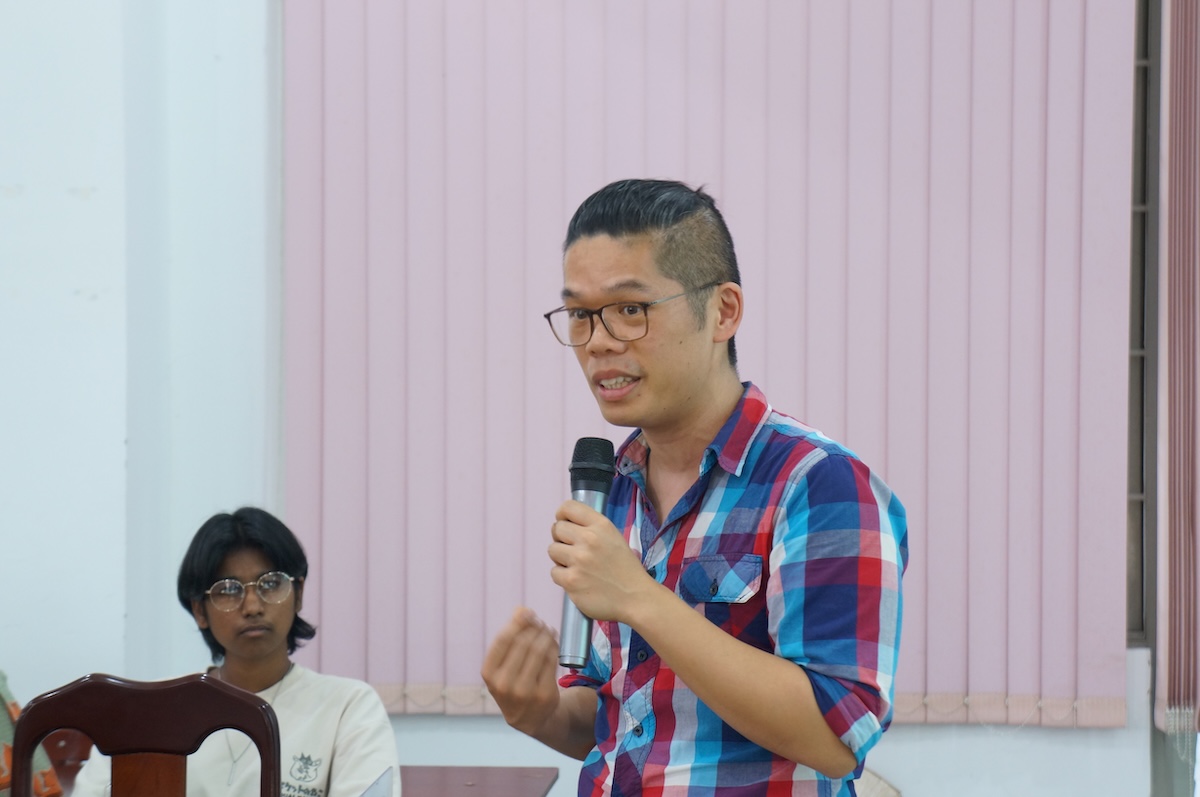
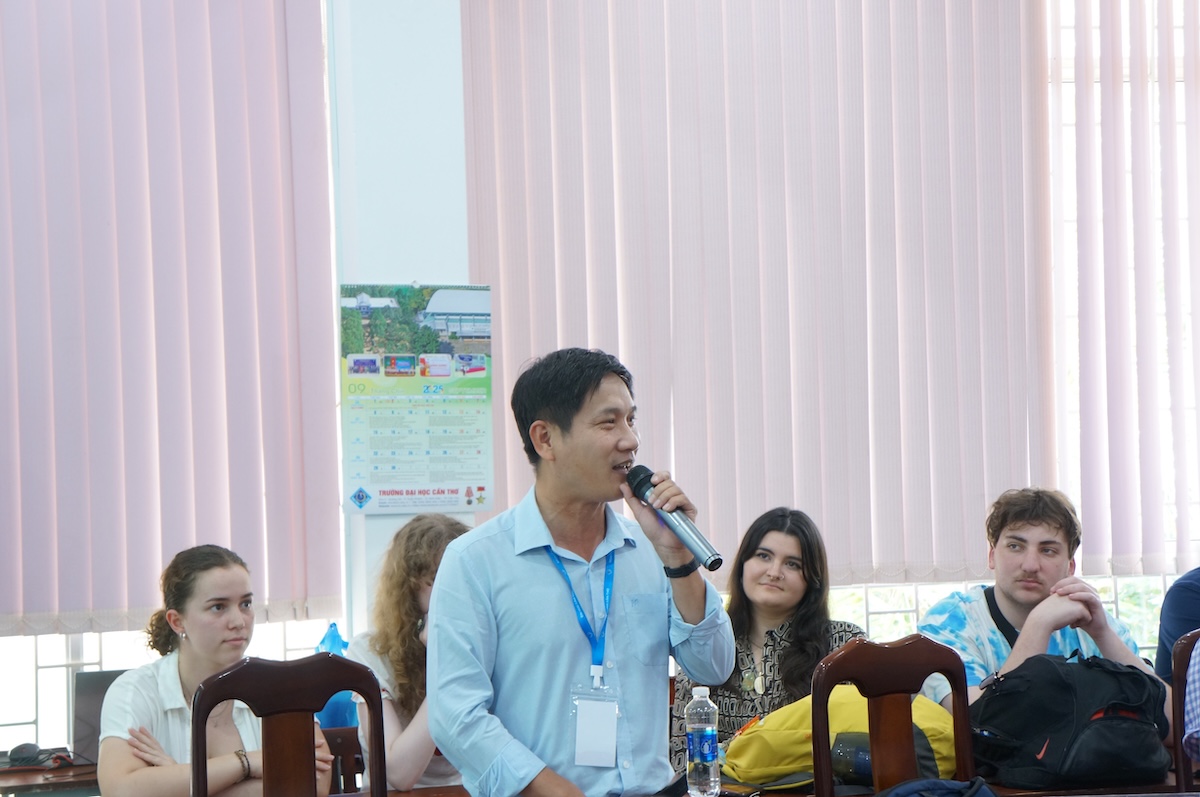
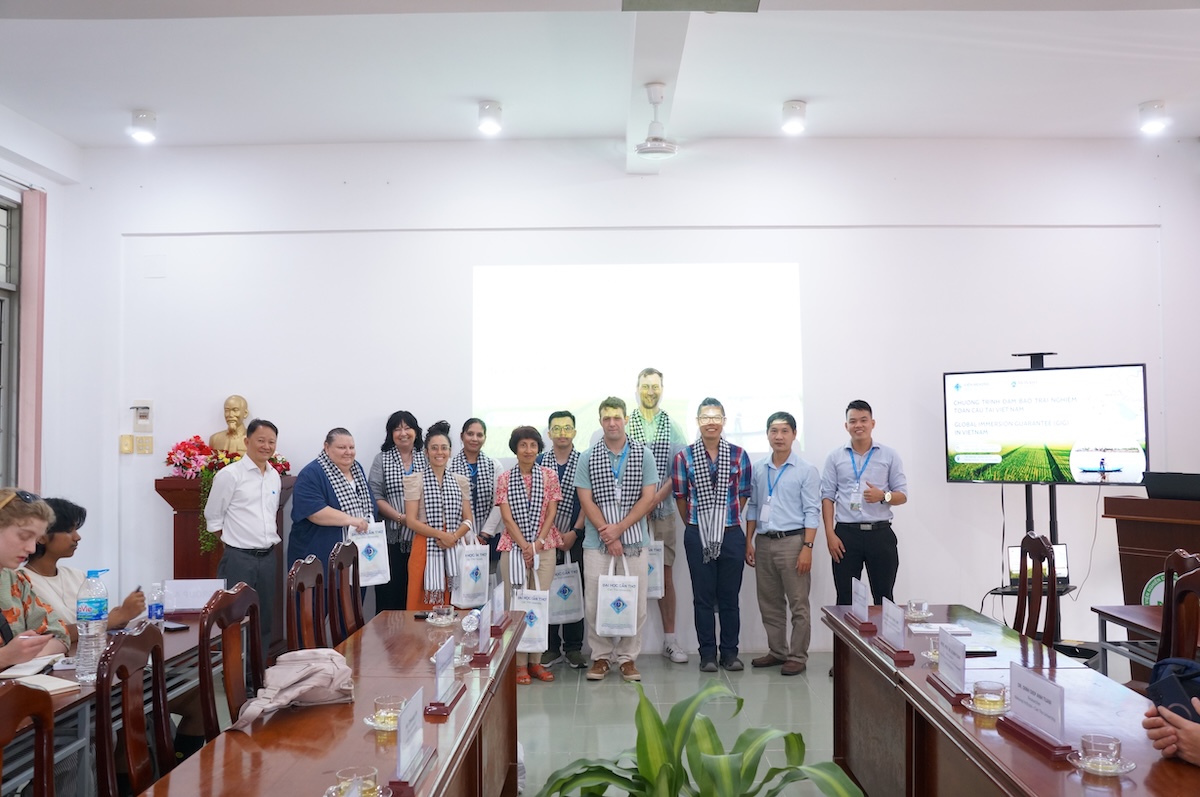
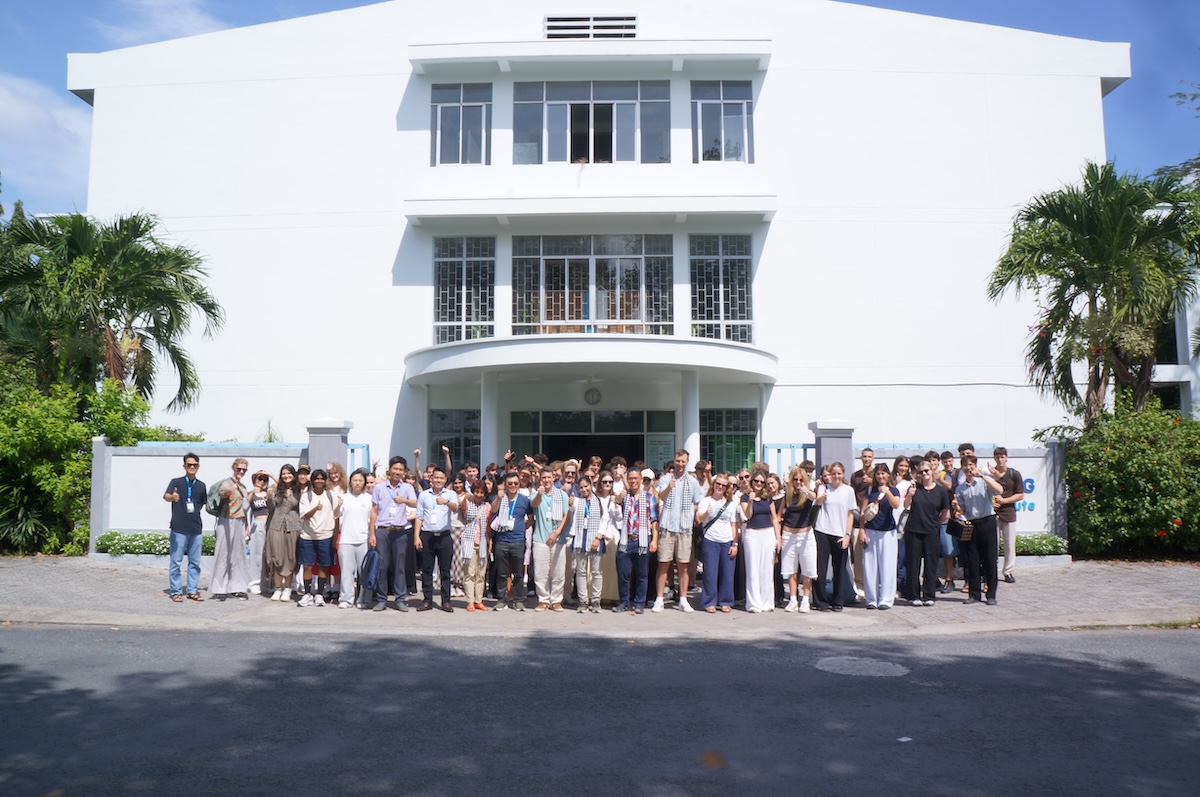
Building on the success of Cohort 1, the Mekong Institute, Can Tho University continued to implement Cohort 2 of the Global Immersion Guarantee in Vietnam (GIG) as part of a series of four cohorts designed and delivered in Vietnam. Cohort 2 was conducted from December 12 to December 15, 2025, with the participation of 130 students and staff from Monash University.
The consecutive implementation of the GIG cohorts not only demonstrates the continuity and progressive development of the program’s academic and practical content, but also affirms the organizational capacity, coordination skills, and leadership role of the Mekong Institute in bridging international knowledge with local contexts in the Vietnamese Mekong Delta (VMD). Through Cohort 2, the program continued to provide students with multi-dimensional learning experiences related to climate change, sustainable livelihoods, and community adaptive capacity, thereby strengthening the foundation for subsequent GIG cohorts.
DAY 1 – December 12, 2025
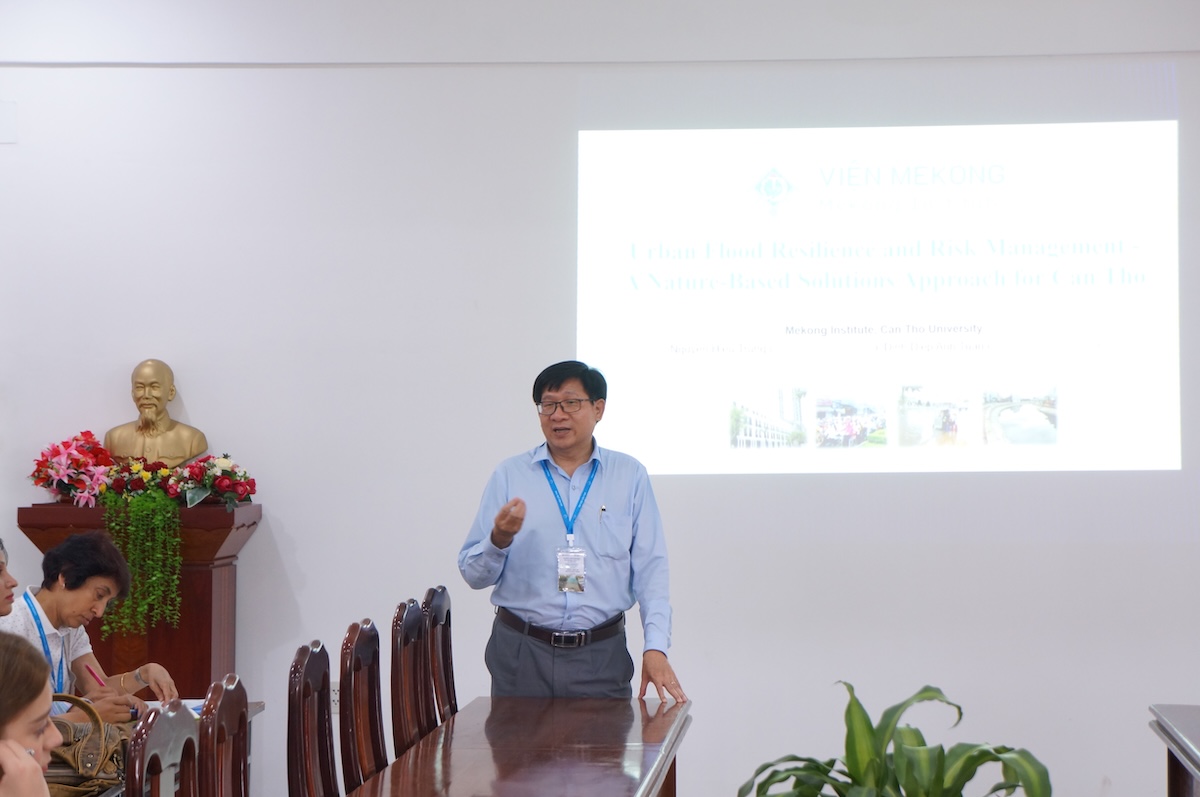
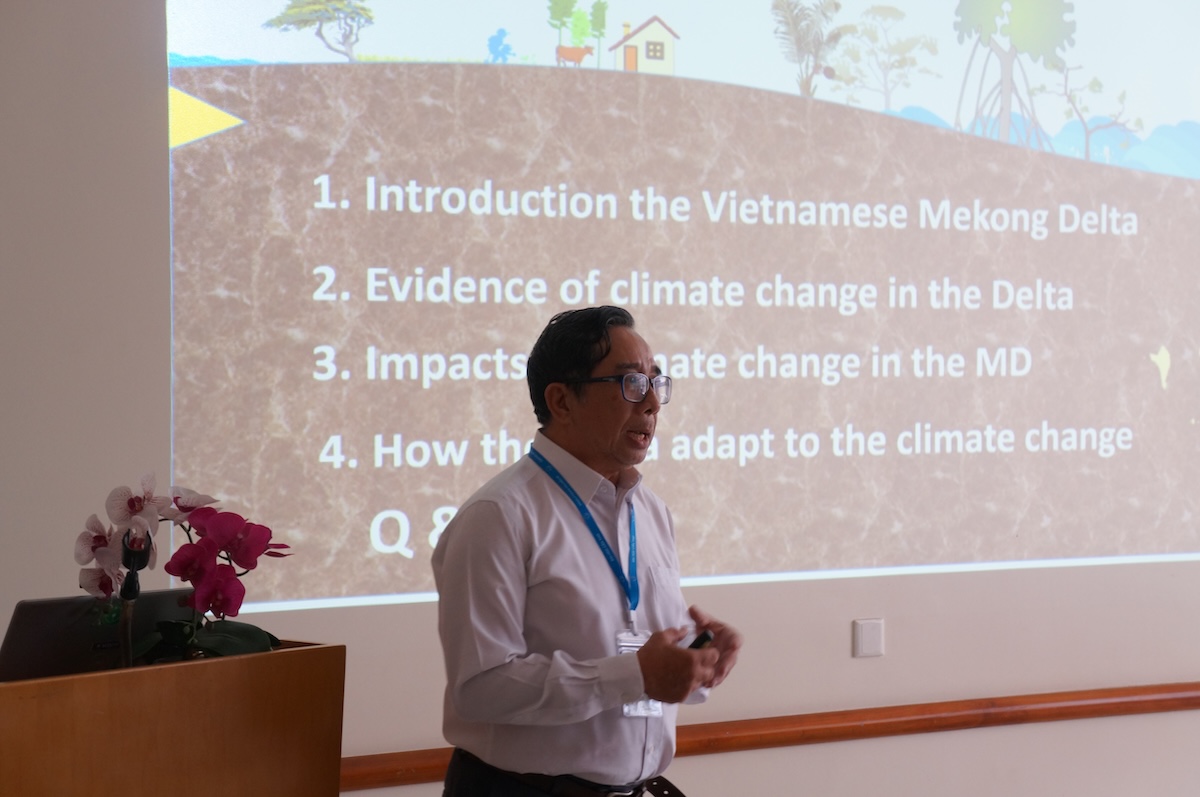
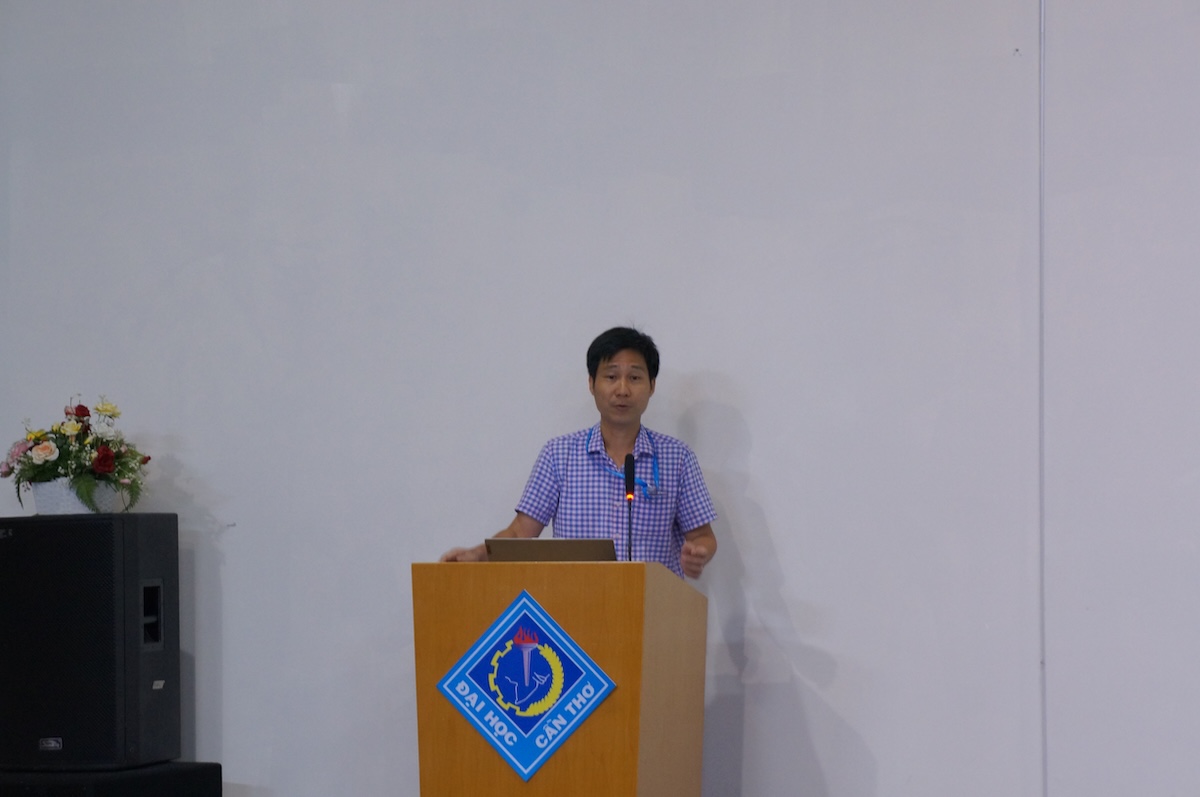
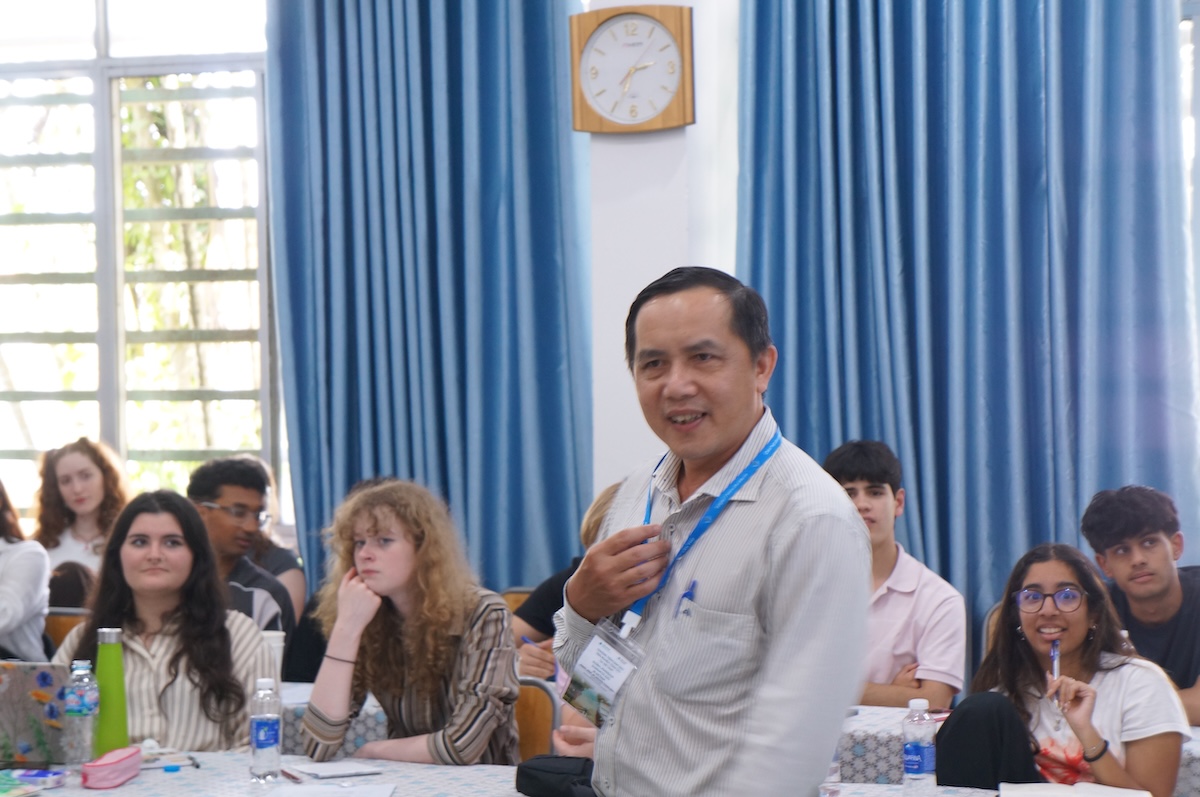
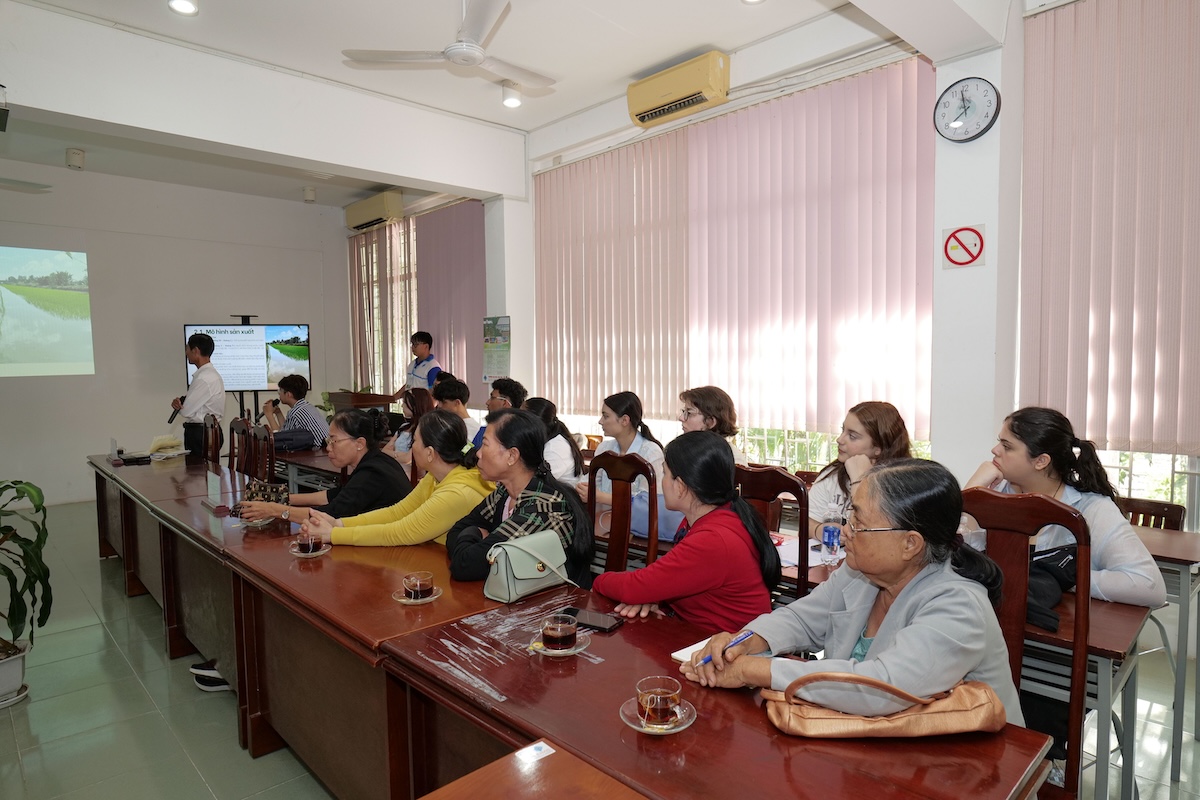
Students participated in thematic discussions and academic orientation sessions focusing on the global and regional climate change context, with particular attention to the Mekong Delta. Key topics included:
Impacts of climate change and sea-level rise on the natural and socio-economic systems of the Mekong Delta
Nature-based Solutions (NbS) for flood management and urban risk reduction
Innovation in climate-adaptive agriculture and aquaculture
These initial activities helped students establish a solid knowledge base and analytical framework prior to engaging in field-based learning.
DAY 2 – December 13, 2025
The program focused on community-based experiential learning and cultural exchange under the theme “Sharing Indigenous Knowledge and Experiencing Community Culture”, including:
Exchange and discussion with Mr. Ma Van Hong, Director of the Hoa De Agriculture–Fishery Cooperative, on cooperative models under climate change conditions
Qualitative group discussions with local households to capture community challenges, adaptation strategies, and expectations
Experiences of Khmer culture, including local cuisine and traditional dance
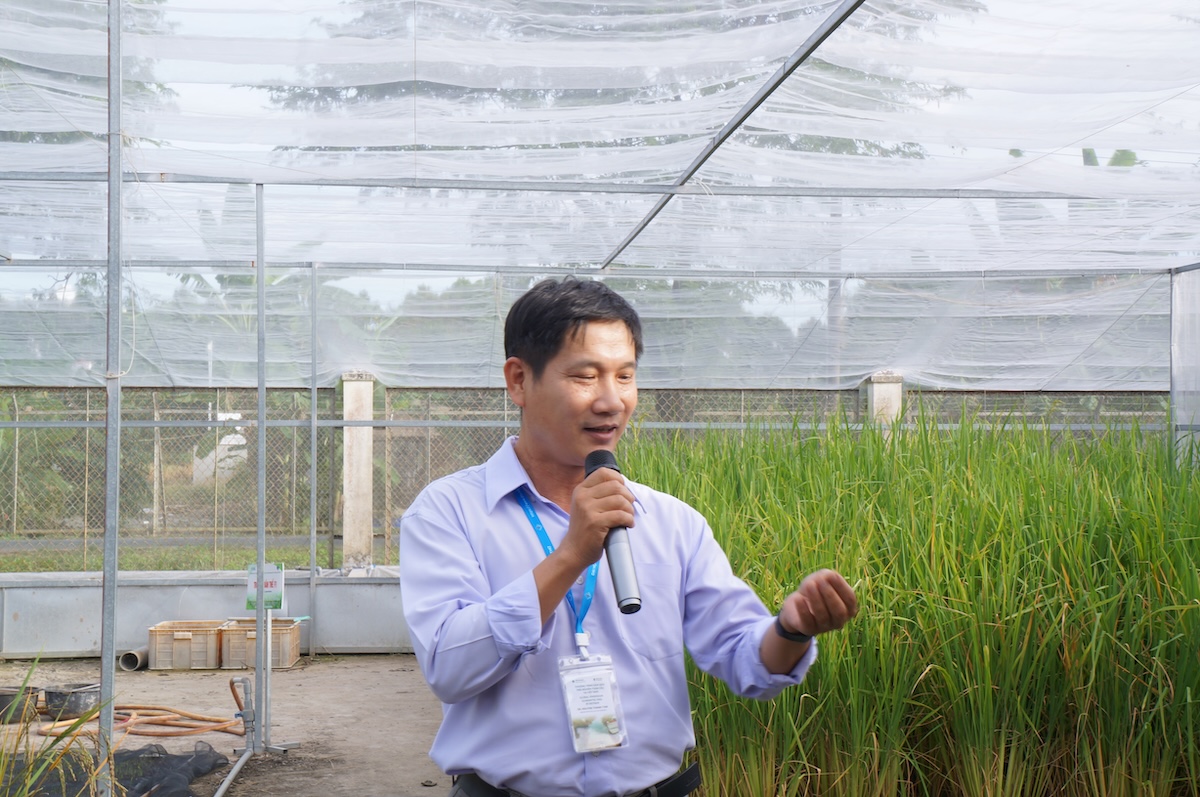
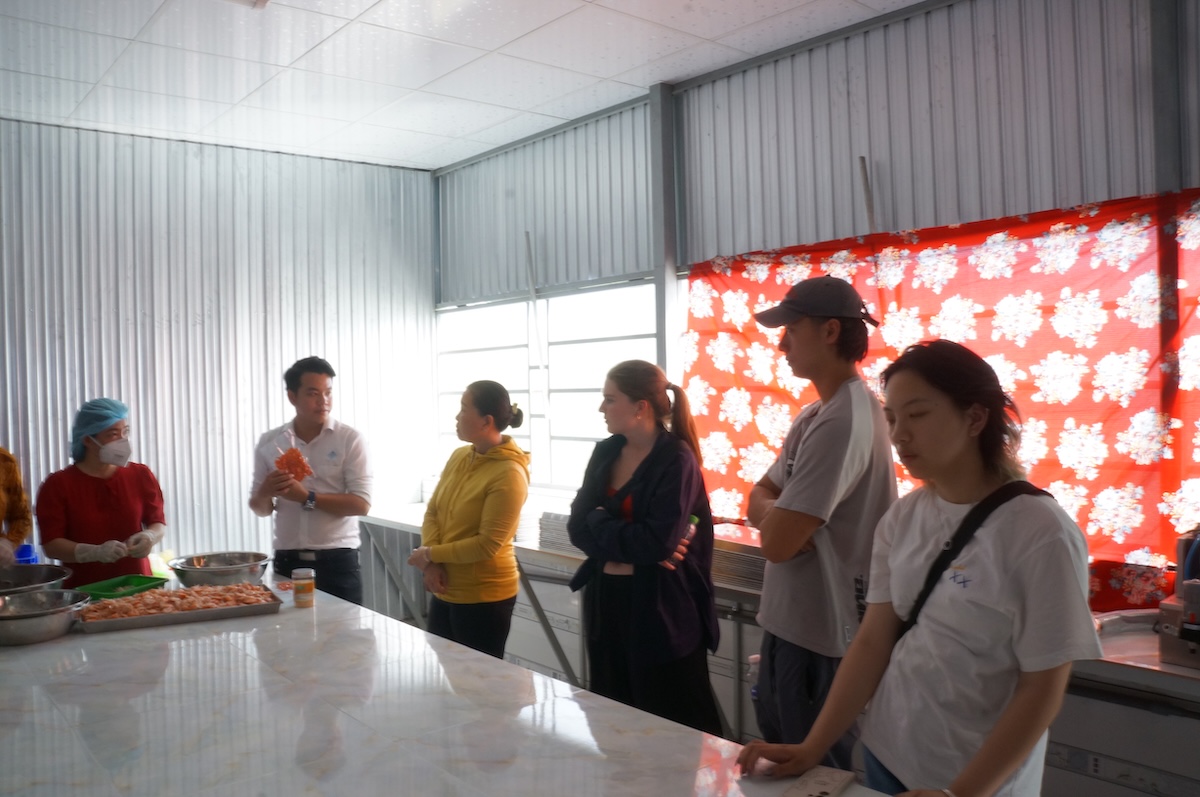
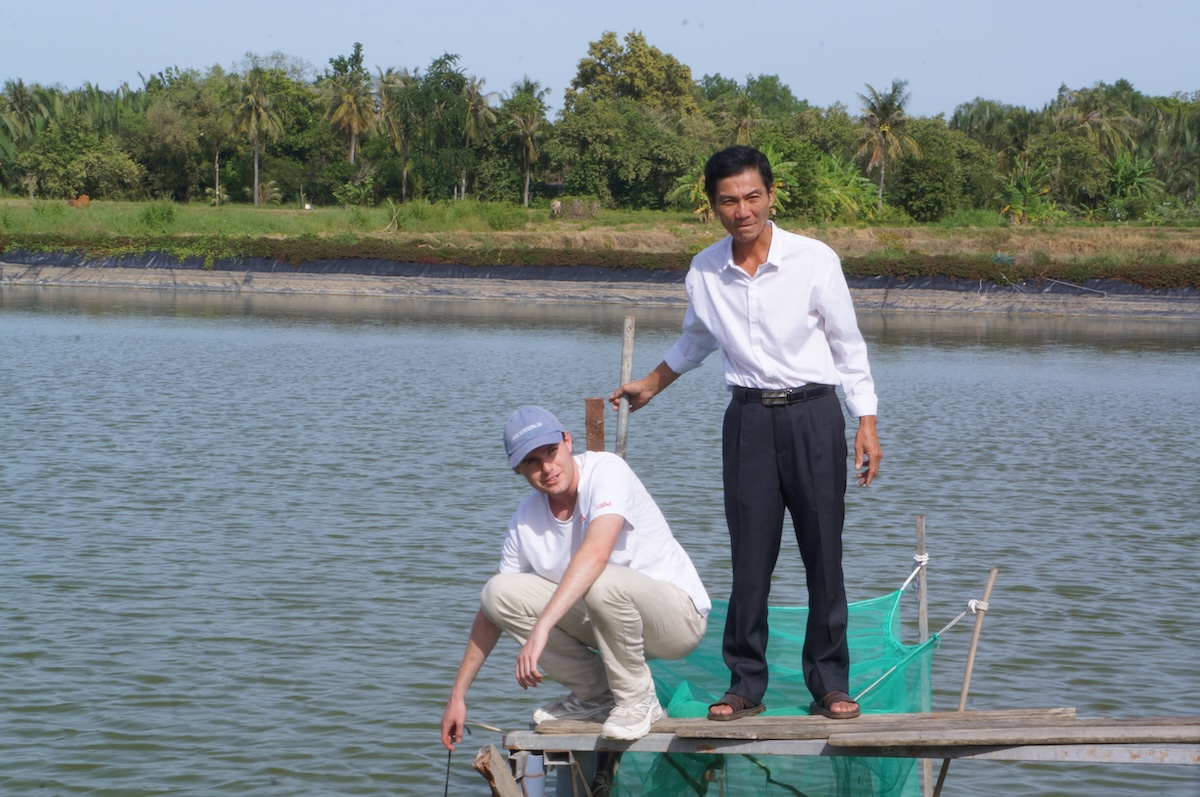
Field visits to rice–shrimp, rice–fish, and intensive aquaculture models, as well as agro-aquatic processing practices and OCOP products
DAY 3 – December 15, 2025
The program continued with field activities in Can Tho City, including:
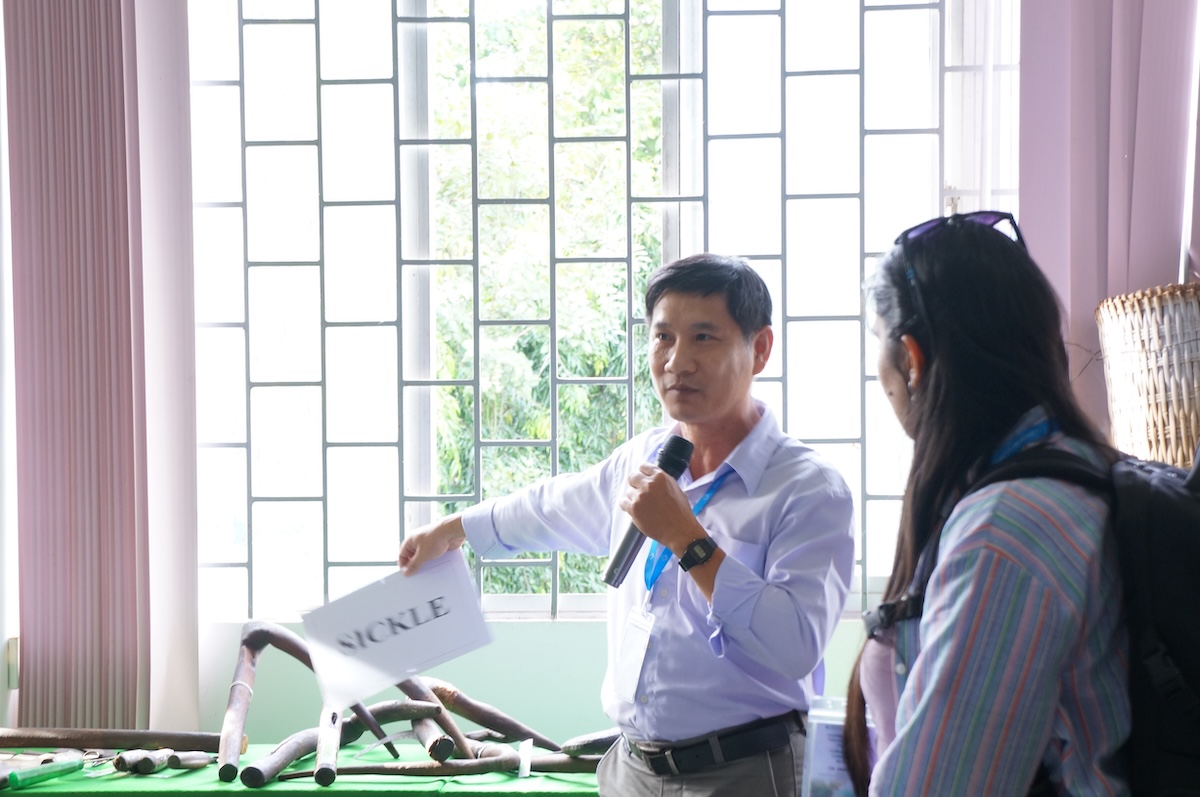
Visits to experimental agricultural production models, rice gene banks, and exhibitions of traditional farming tools
Field surveys of flood-control infrastructure and urban climate-adaptive systems
Discussions on the linkages between spatial planning, water management, and community livelihoods
A final reflection and wrap-up session reviewing the three-day training program
The closing and summary session provided students with an opportunity to reflect on their overall learning journey, hands-on experiences, and cultural engagement. Students highly valued the practical relevance of the program, gaining deeper insights into the vulnerability, adaptive capacity, and creativity of Mekong Delta communities in responding to climate change.