The Mekong Delta Field Course 2025, an international field training program organized by the Mekong Institute (Can Tho University) in collaboration with the University of Waterloo (Canada), has concluded its 12-day data collection and analysis phase. This program is the result of close cooperation between Can Tho University and the University of Waterloo, featuring instruction and guidance from a multidisciplinary team of experts in culture, economics, agriculture, and the environment
Participation of Multidisciplinary Experts
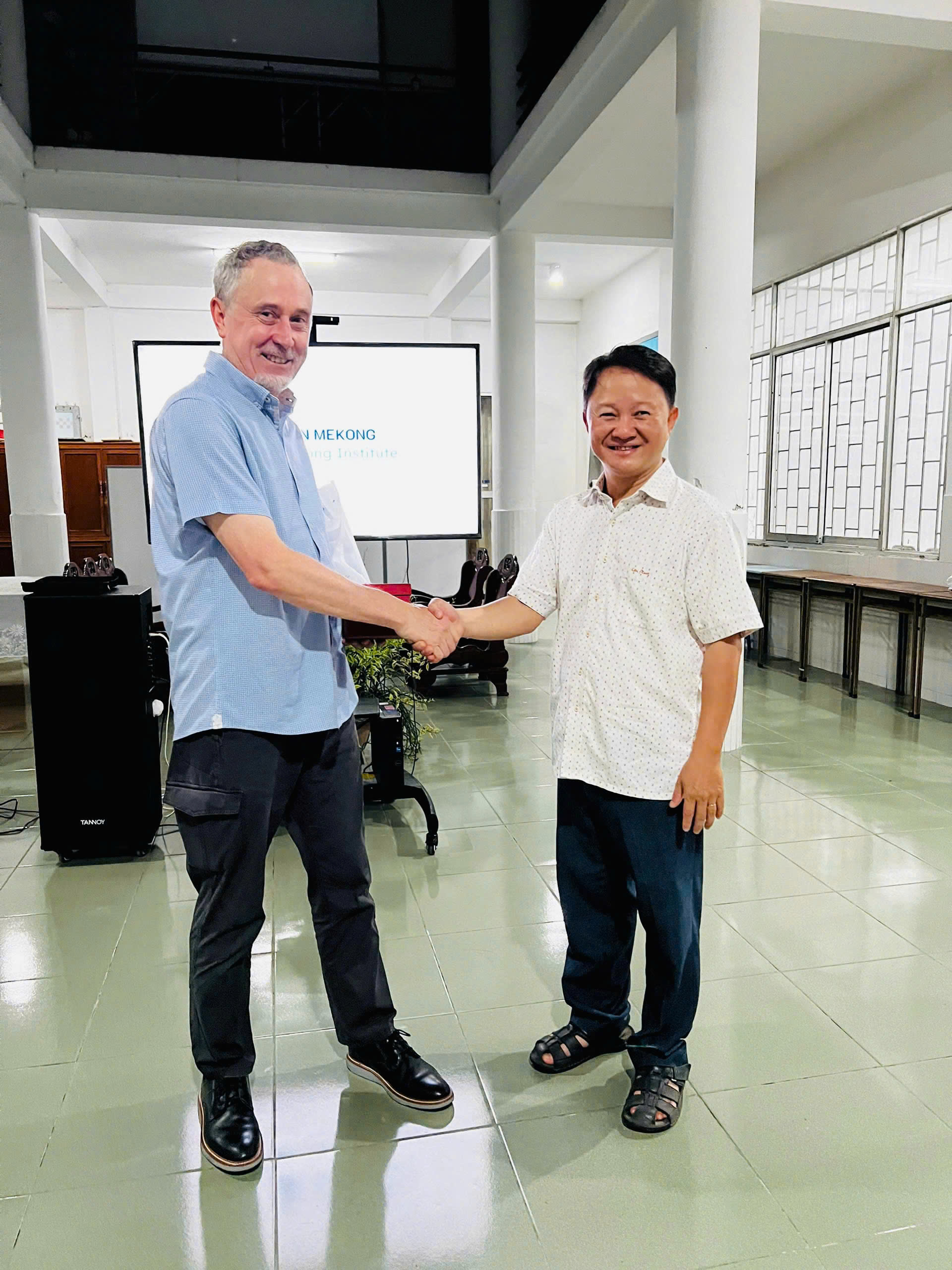
- Research Orientation and Collaboration: The program was implemented under the professional consultation of Assoc. Prof. Dr. Van Pham Dang Tri, Director of the Mekong Institute. It was designed to bridge international academic theories with the local practical context.
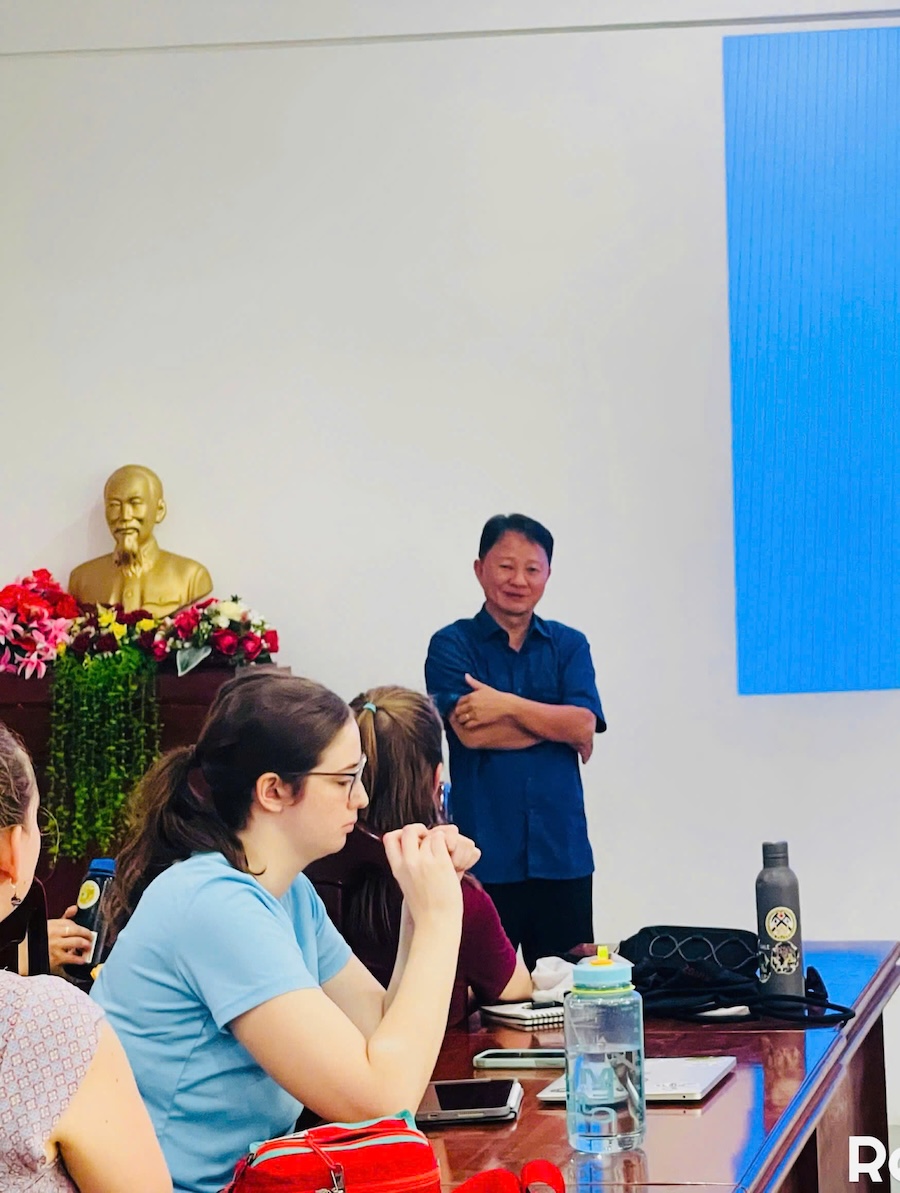
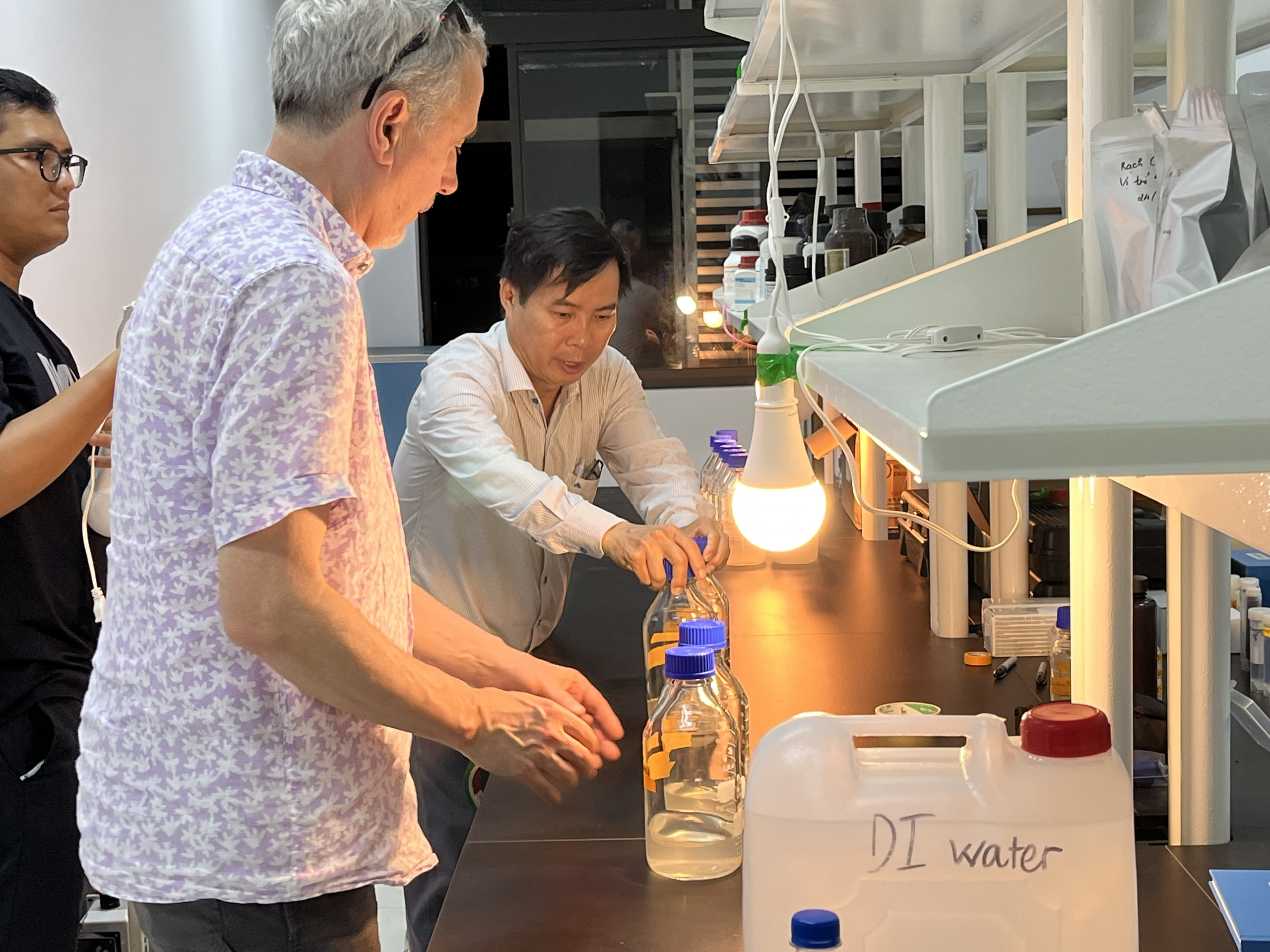
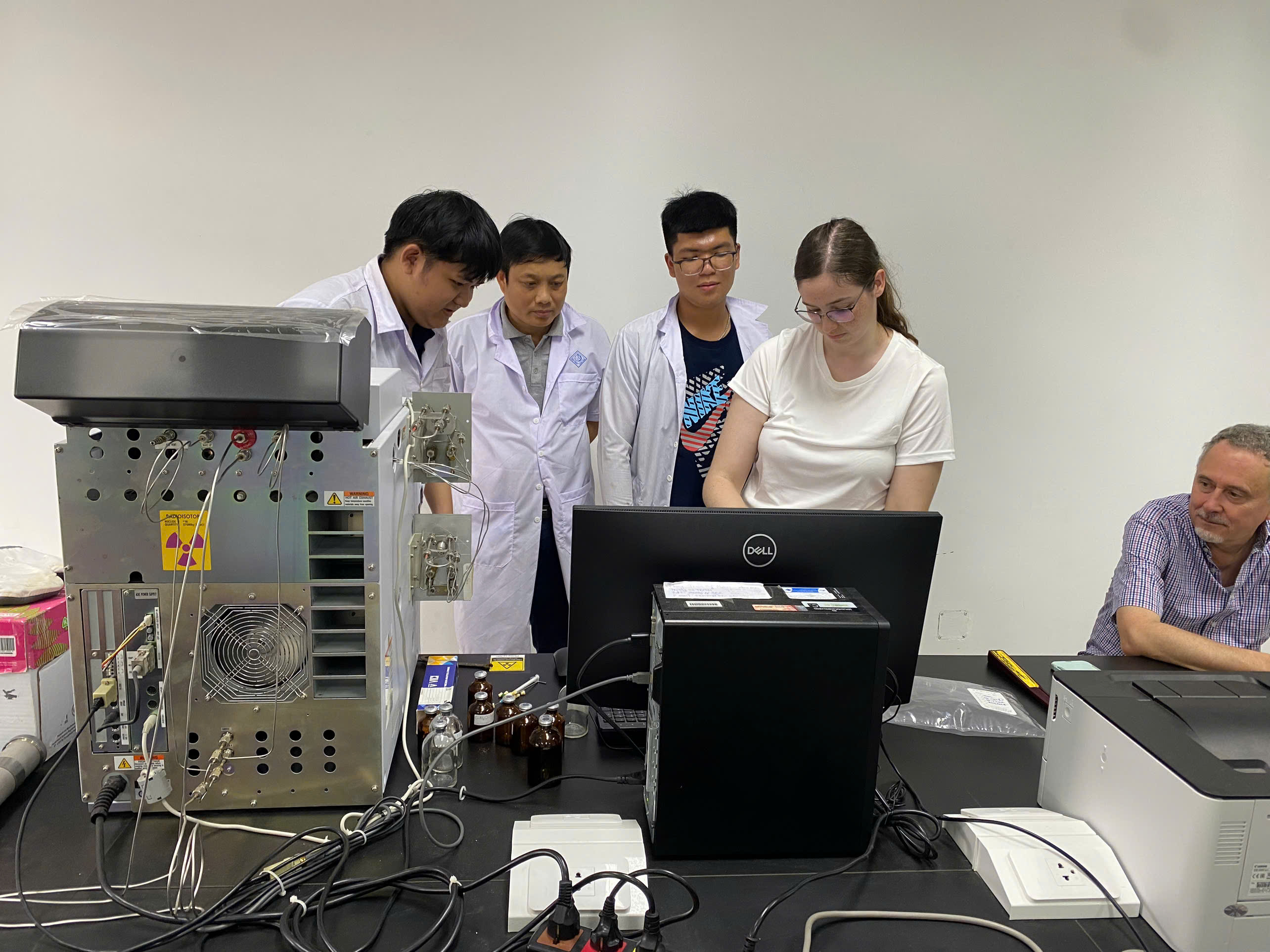
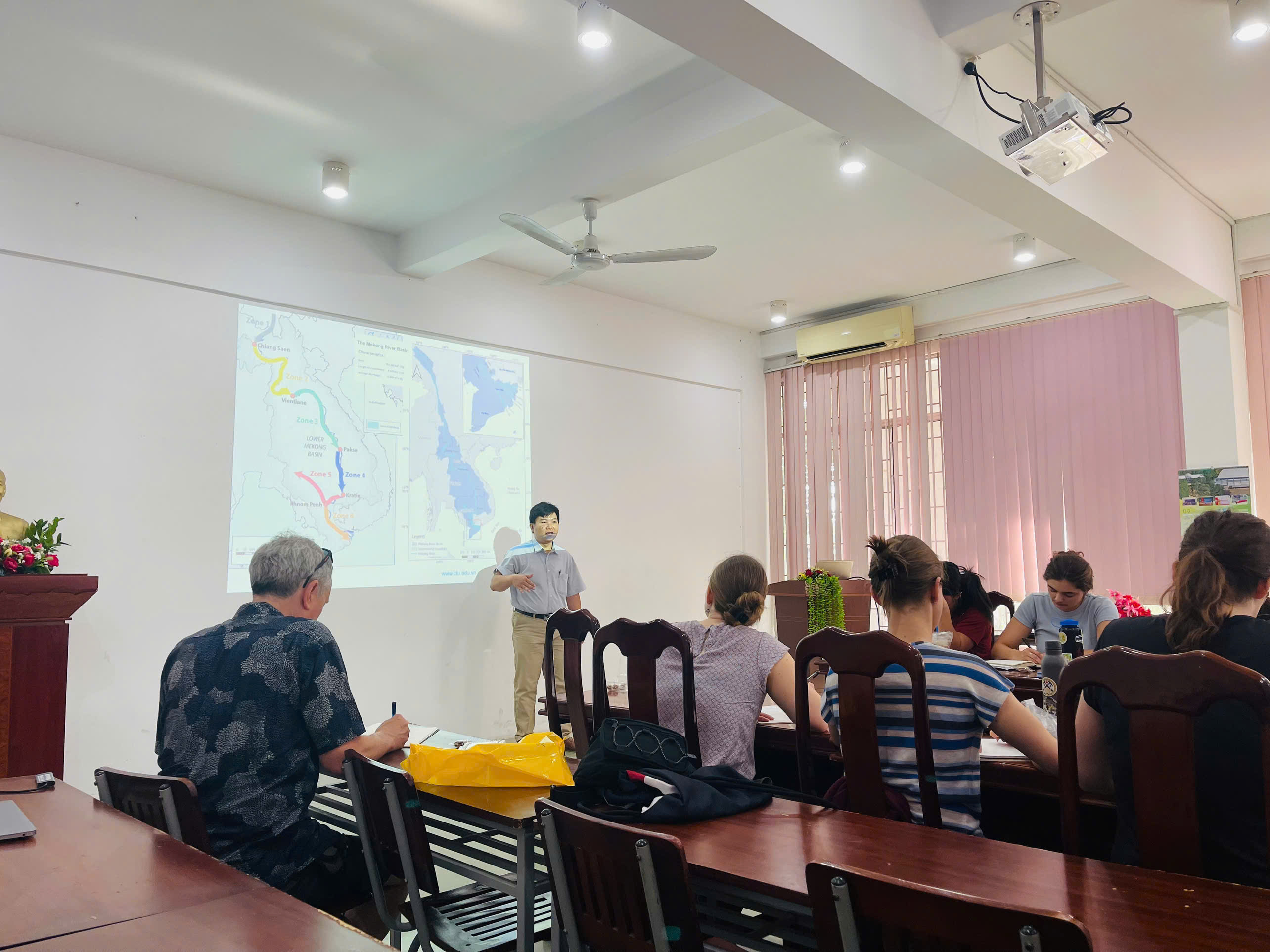
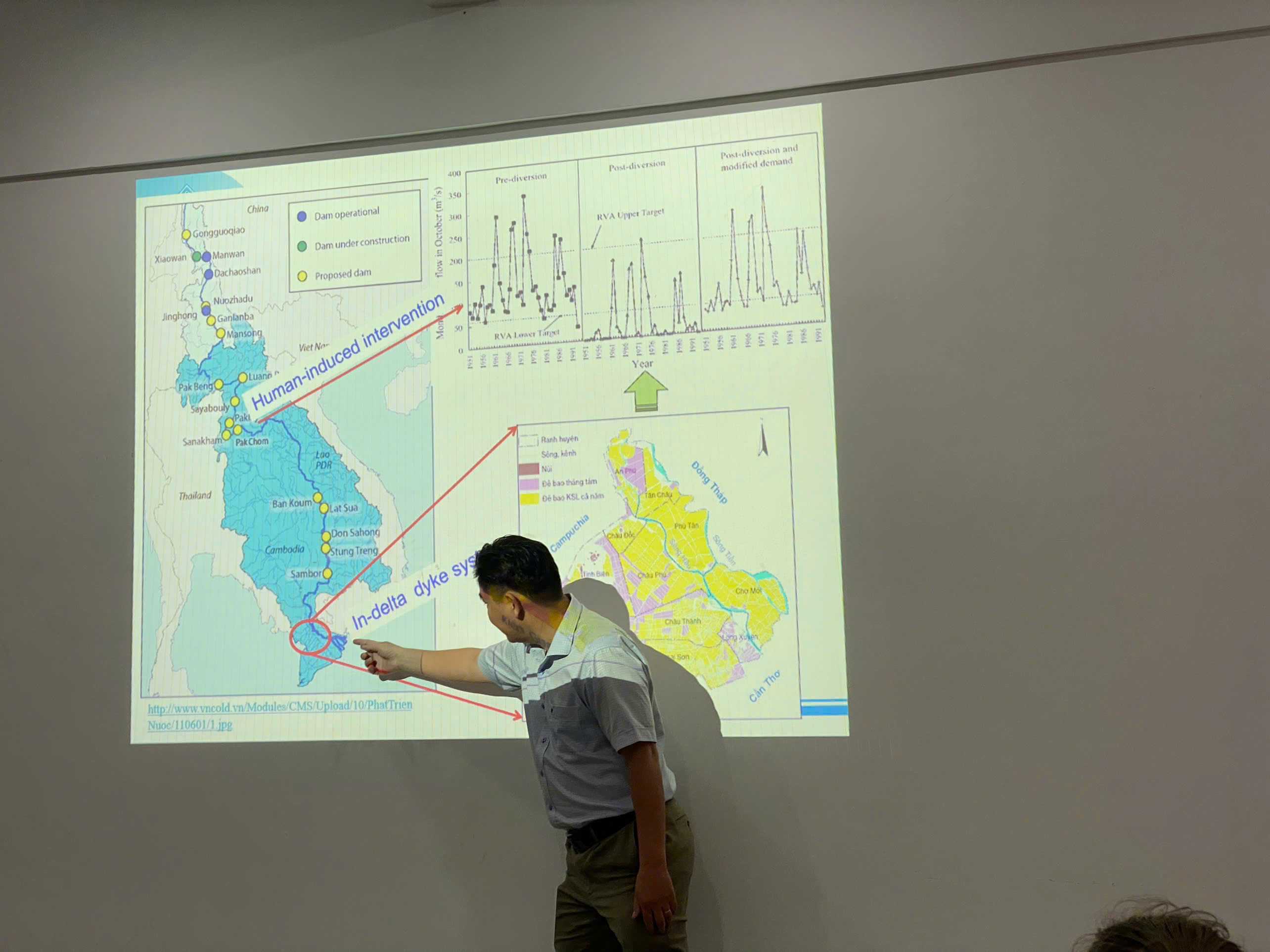
- Thematic Training Content: Students engaged with diverse topics through lectures provided by various specialists:
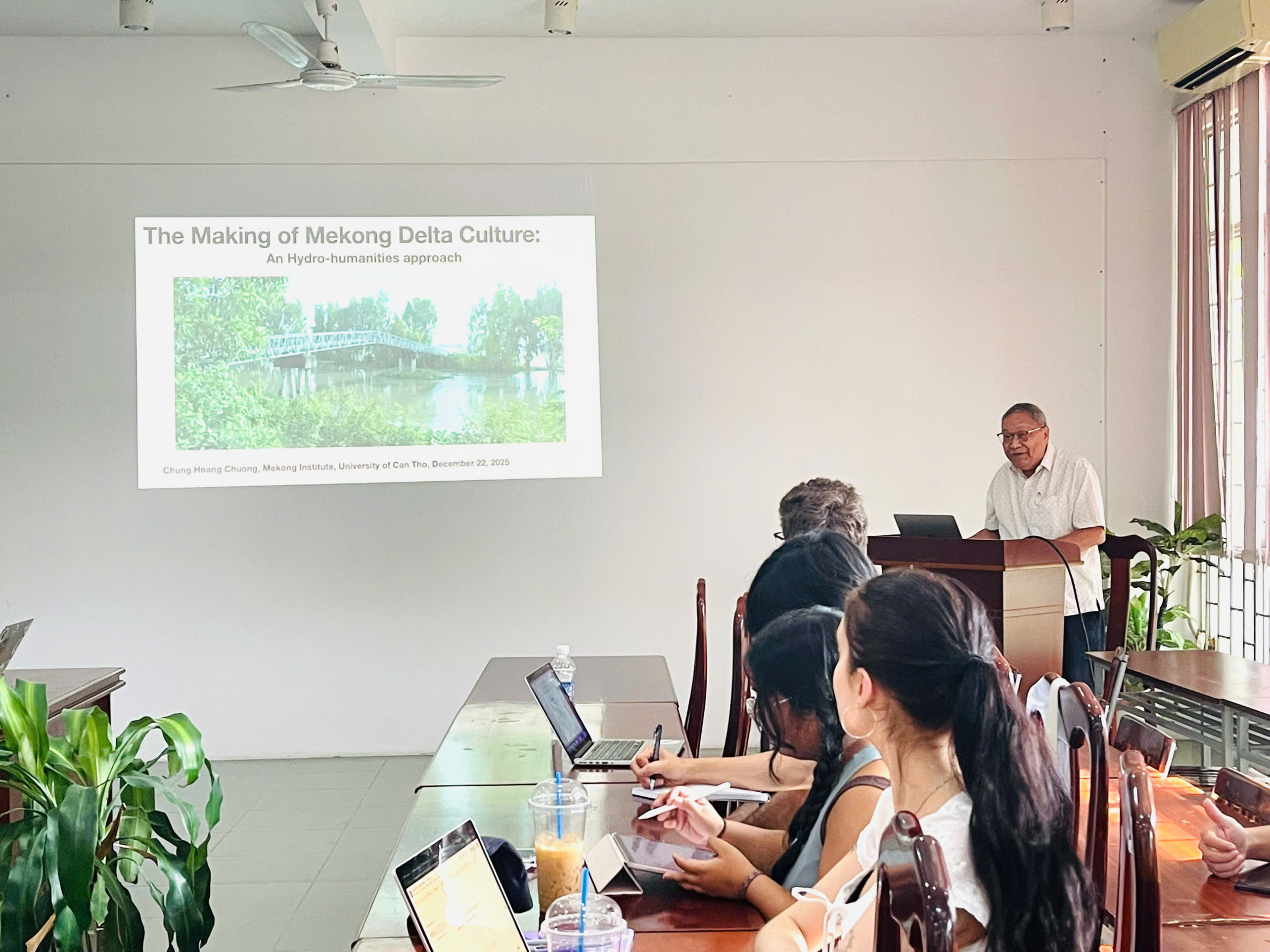
- Prof. Dr. Chung Hoang Chuong – Visiting Lecturer and expert on the culture and economy of the Mekong region.
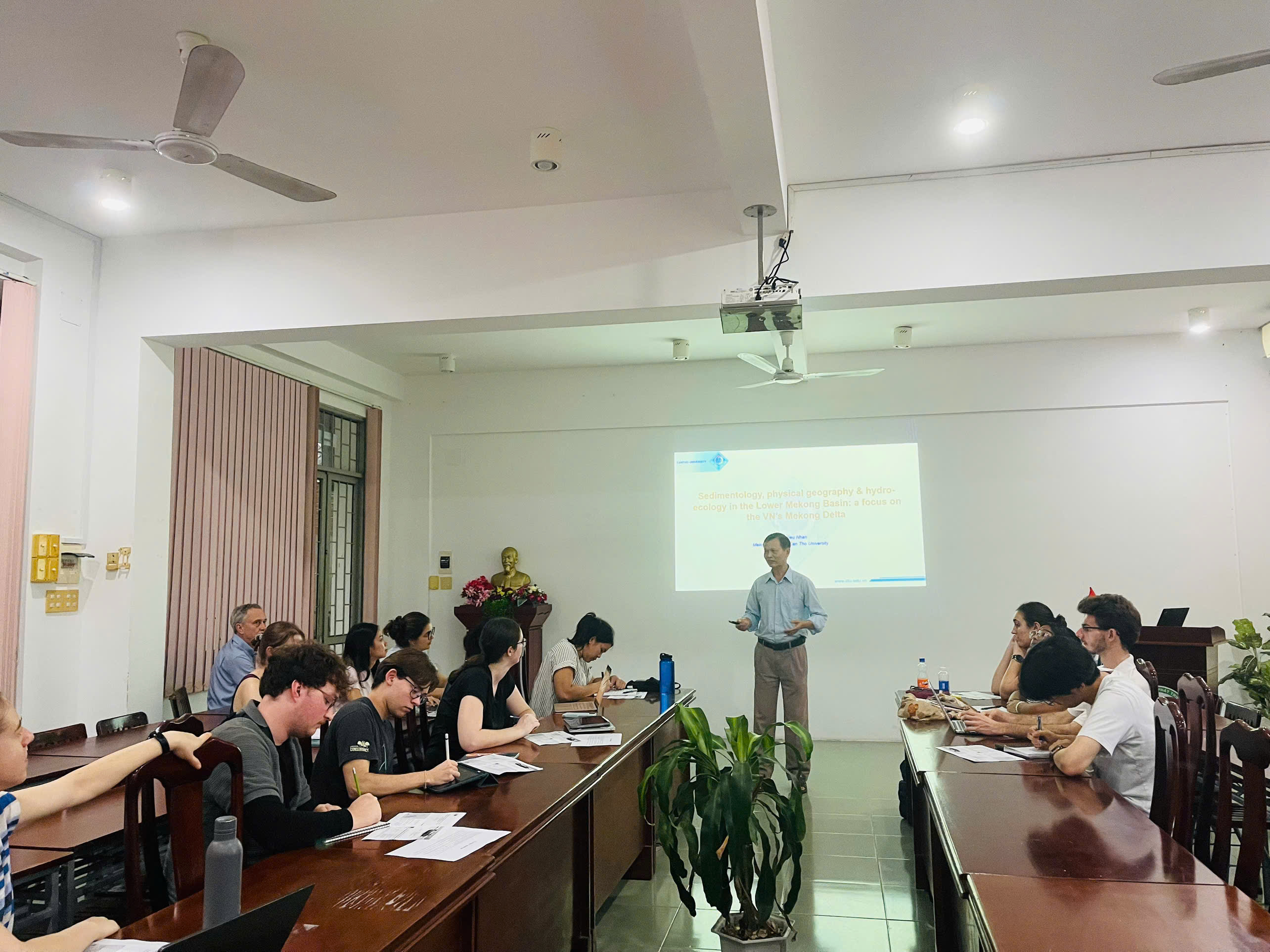
- Dr. Dang Kieu Nhan (Mekong Institute) – Provided an overview of sedimentary geology and hydro-ecology.
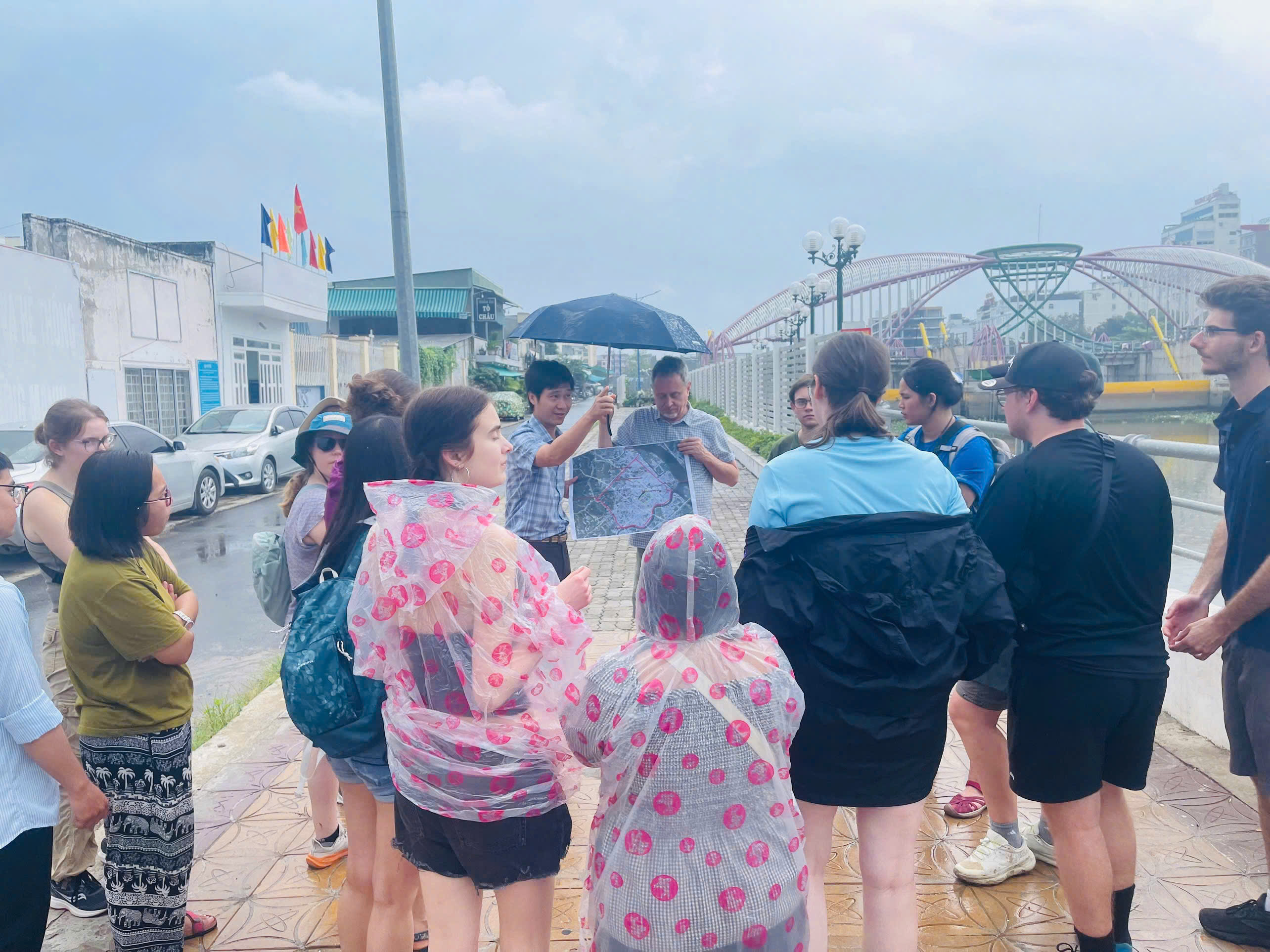
- Dr. Dinh Diep Anh Tuan – Presented on urban water risk management, focusing on an approach to urban flood resilience in Can Tho City.
- Assoc. Prof. Dr. Pham Van Toan, Assoc. Prof. Dr. Nguyen Cong Thuan, and Dr. Vo Quoc Thanh (College of Environment and Natural Resources, Can Tho University) – Covered topics on water quality, greenhouse gas emissions, and water resources.
- Assoc. Prof. Dr. Tran Van Ty (College of Engineering, Can Tho University) – Delivered lectures analyzing groundwater issues in the Mekong Delta.
 |
 |
 |
 |
 |
 |
 |
Organization and Field Implementation
- Implementation: The program was organized and executed by staff from the Mekong Institute, ensuring the effective achievement of scientific objectives.
- Student Participation: Students from various disciplines at Can Tho University (including Land Administration, Environmental Engineering, Environmental Science, Biotechnology, and Computer Science Education) participated in the course. They served as a bridge, assisting international students with language barriers, professional exchanges, and a deeper understanding of the local cultural context.
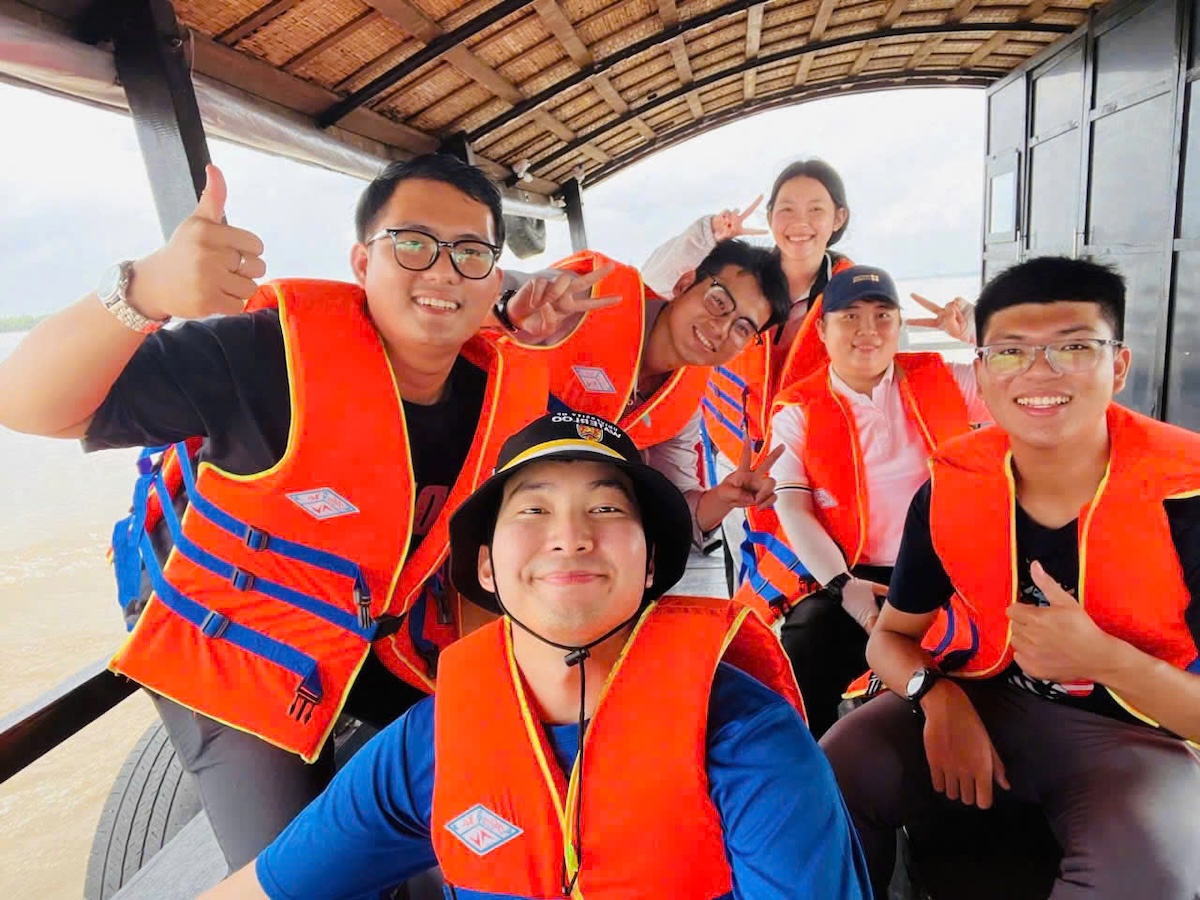
Experimental Results
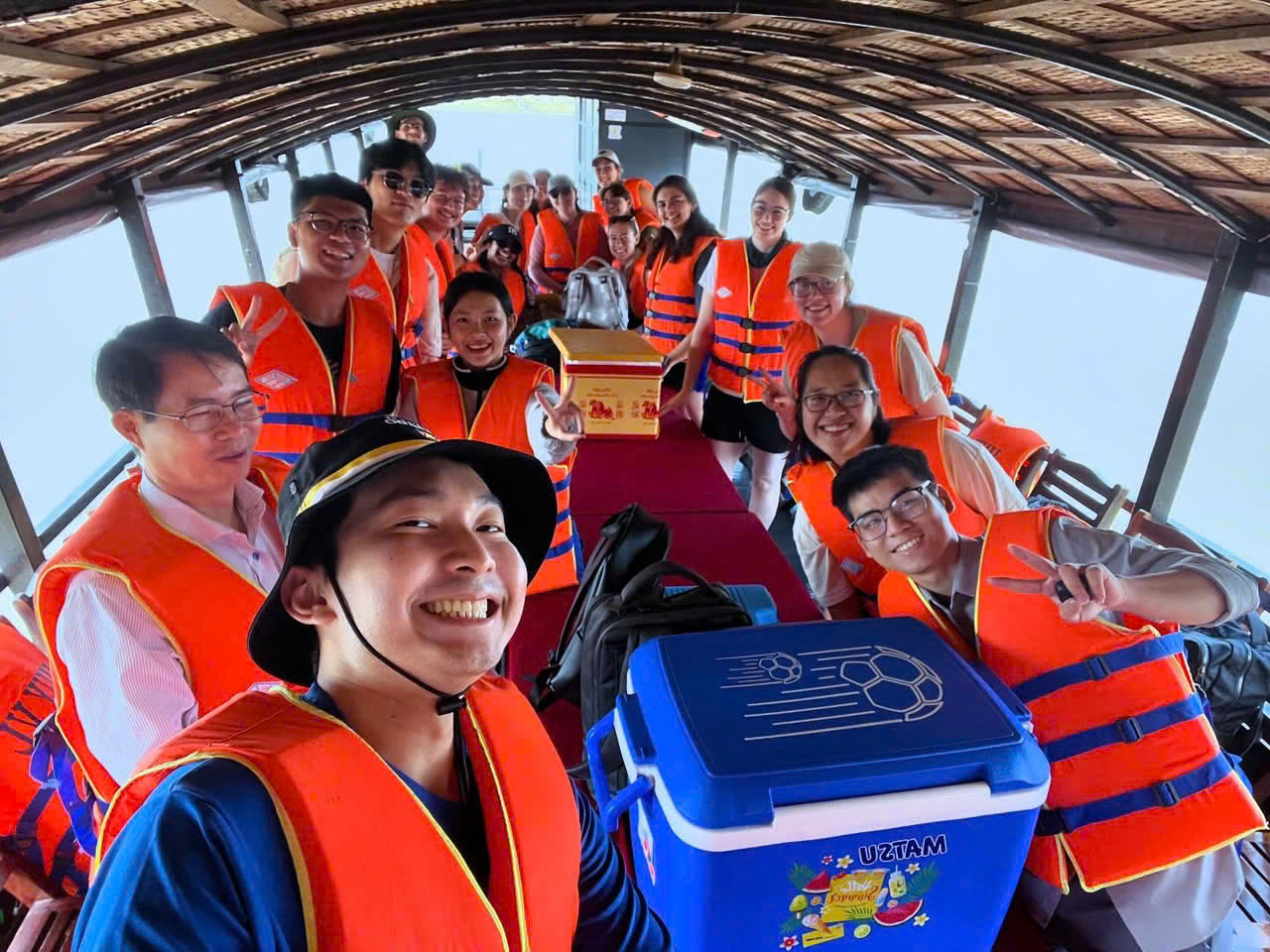
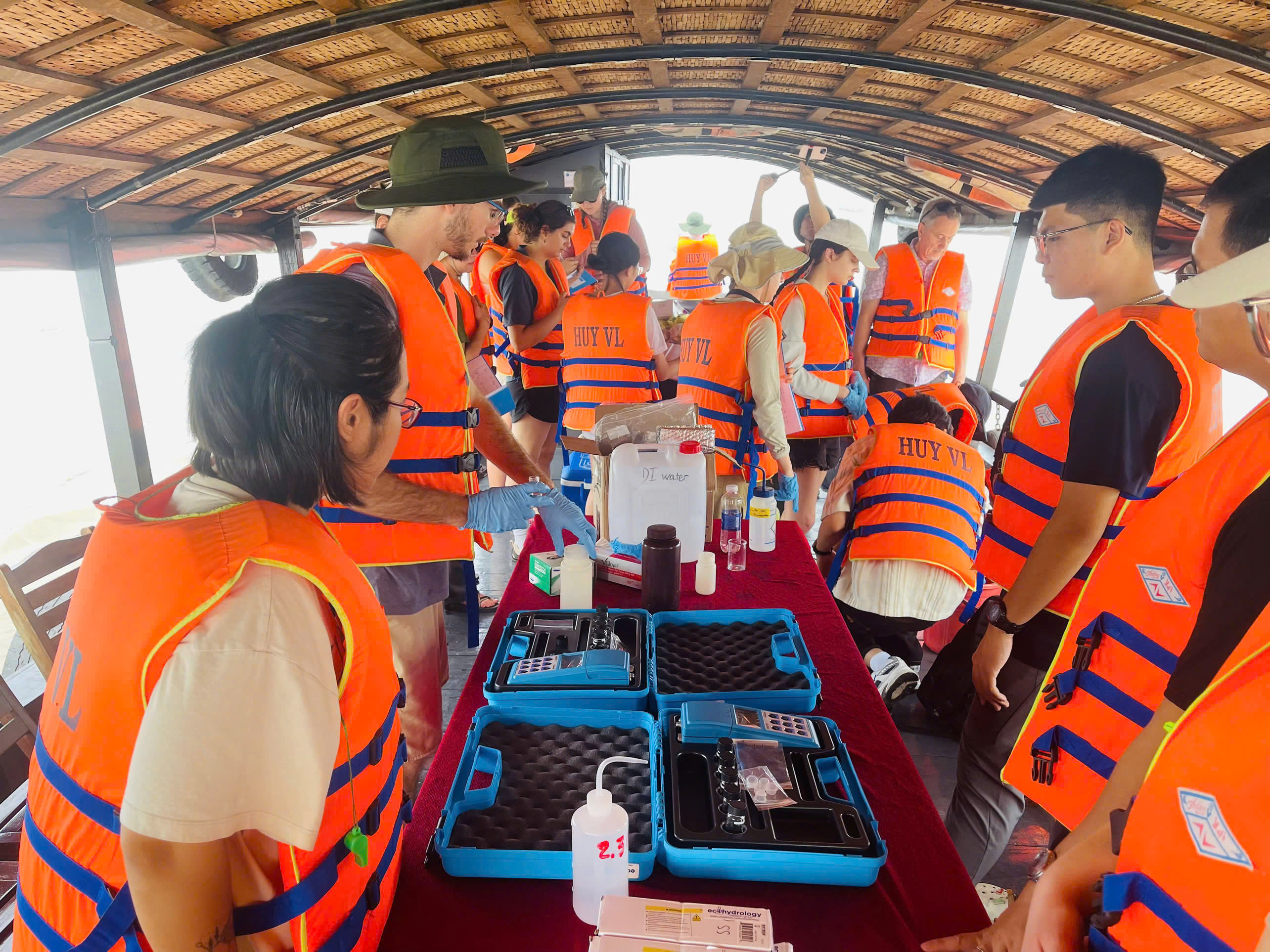
The research team from the University of Waterloo and Can Tho University conducted monitoring and data collection along the Hau River, yielding the following findings:
- Hydrological Dynamics and Salinity Intrusion: Analysis of data from 17 monitoring stations on the Hau River indicates a trend of deep inland salinity intrusion.
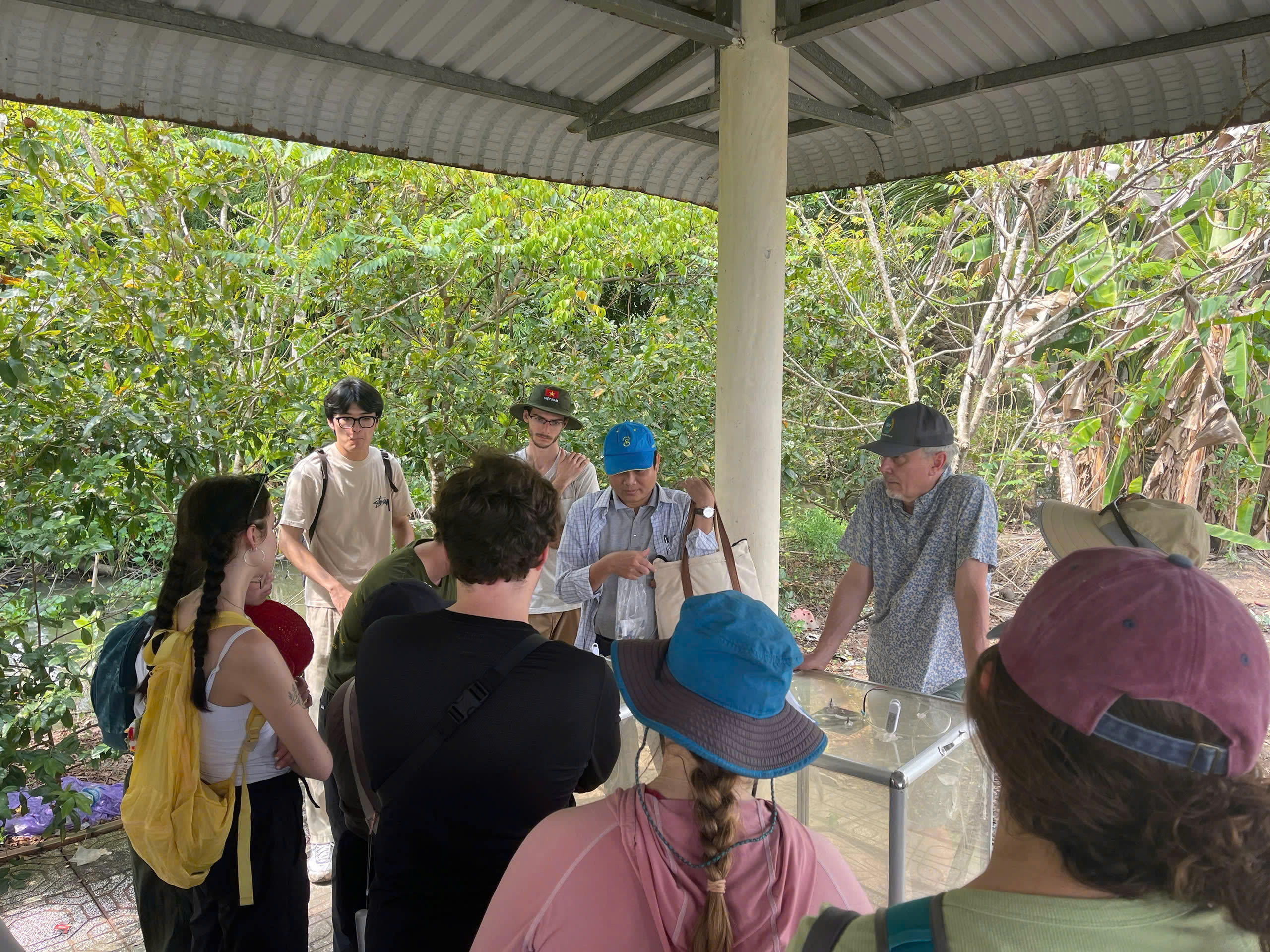
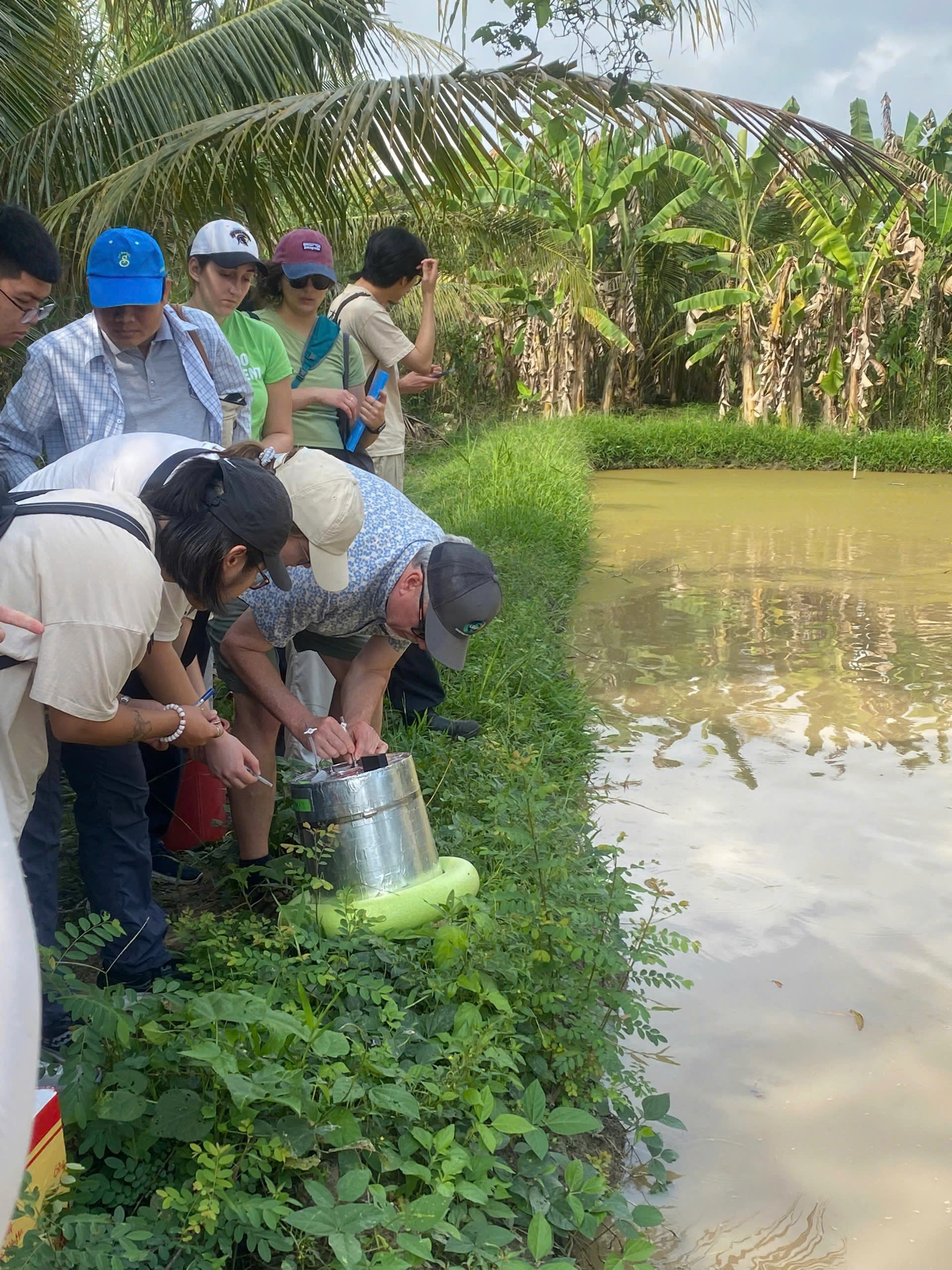
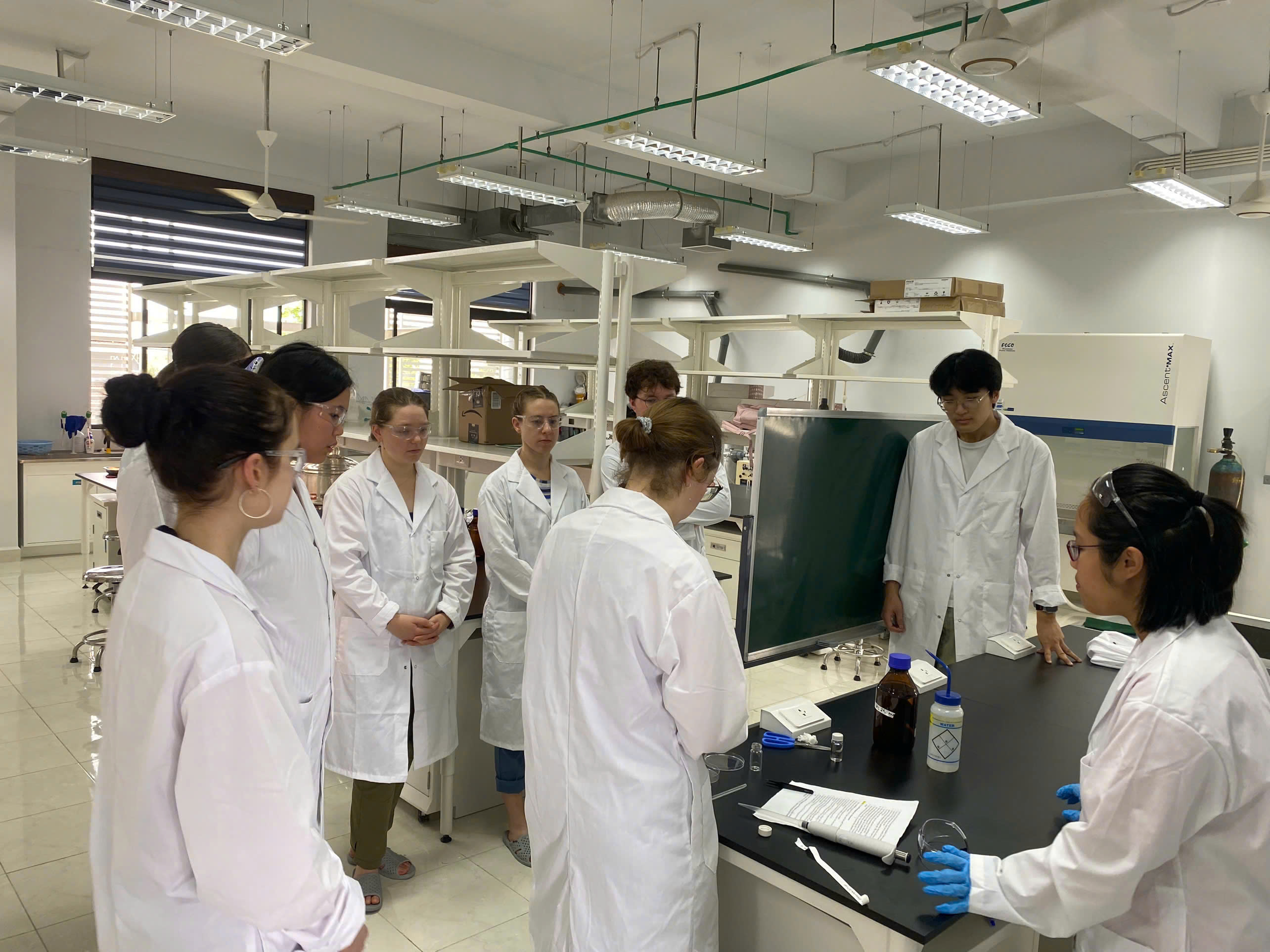
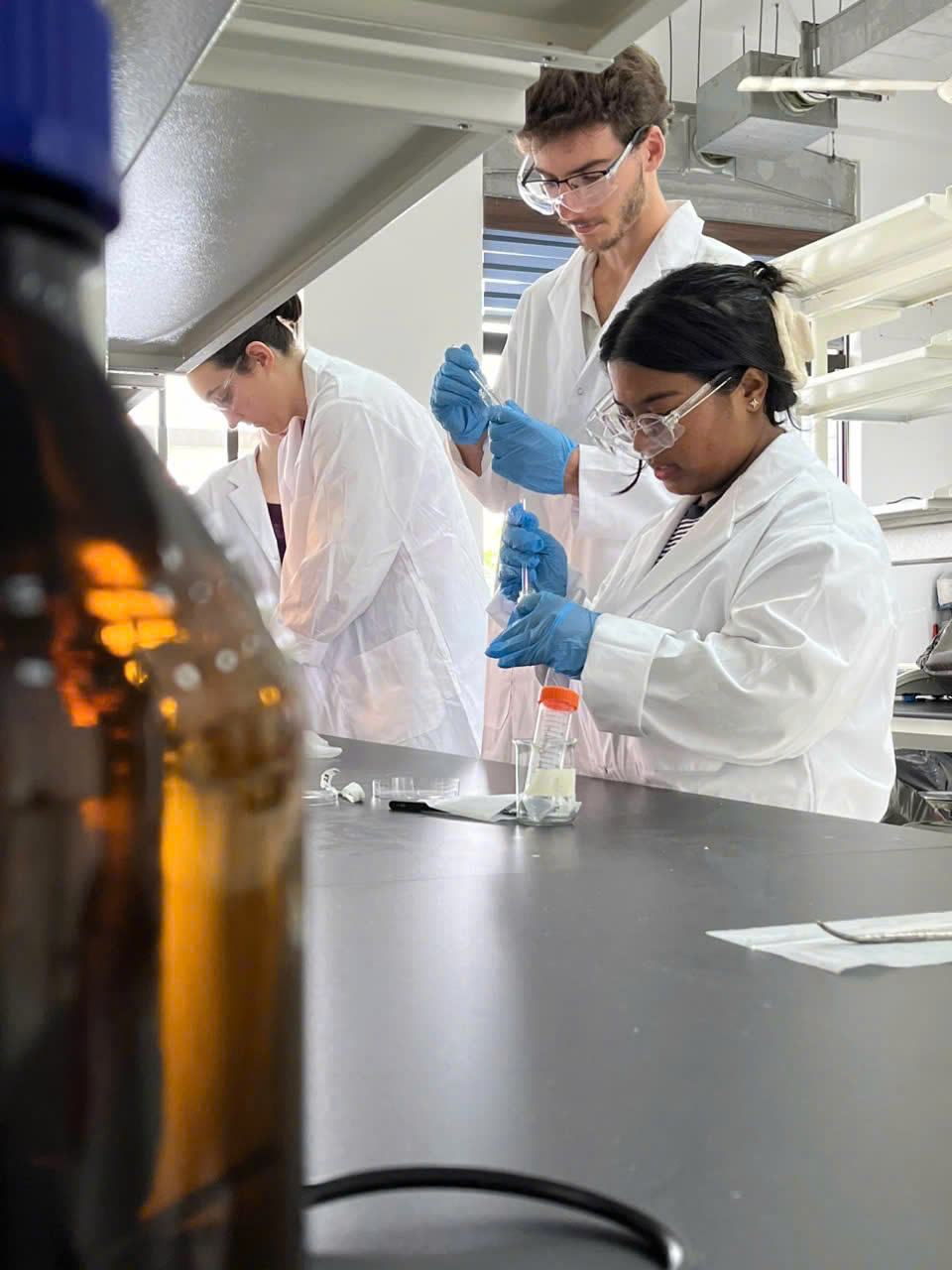
- Agricultural Greenhouse Gas Emissions: Researchers utilized floating chamber devices at two agricultural models (fish ponds and rice fields) in Thanh Hoa Ward, Can Tho City, to measure and collect gases, successfully determining methane (CH4) emission intensities.
 |
 |
 |
 |
 |
 |
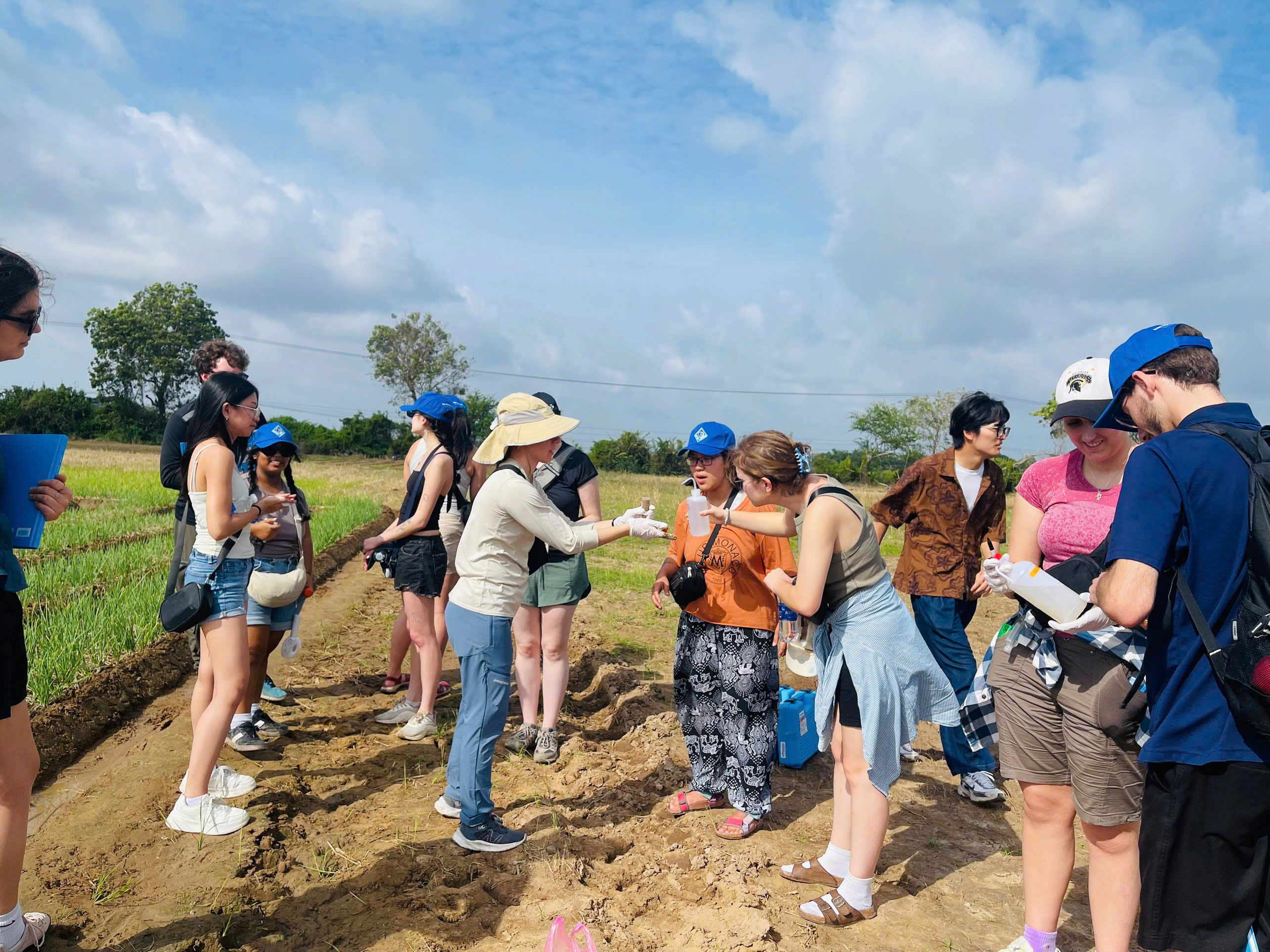
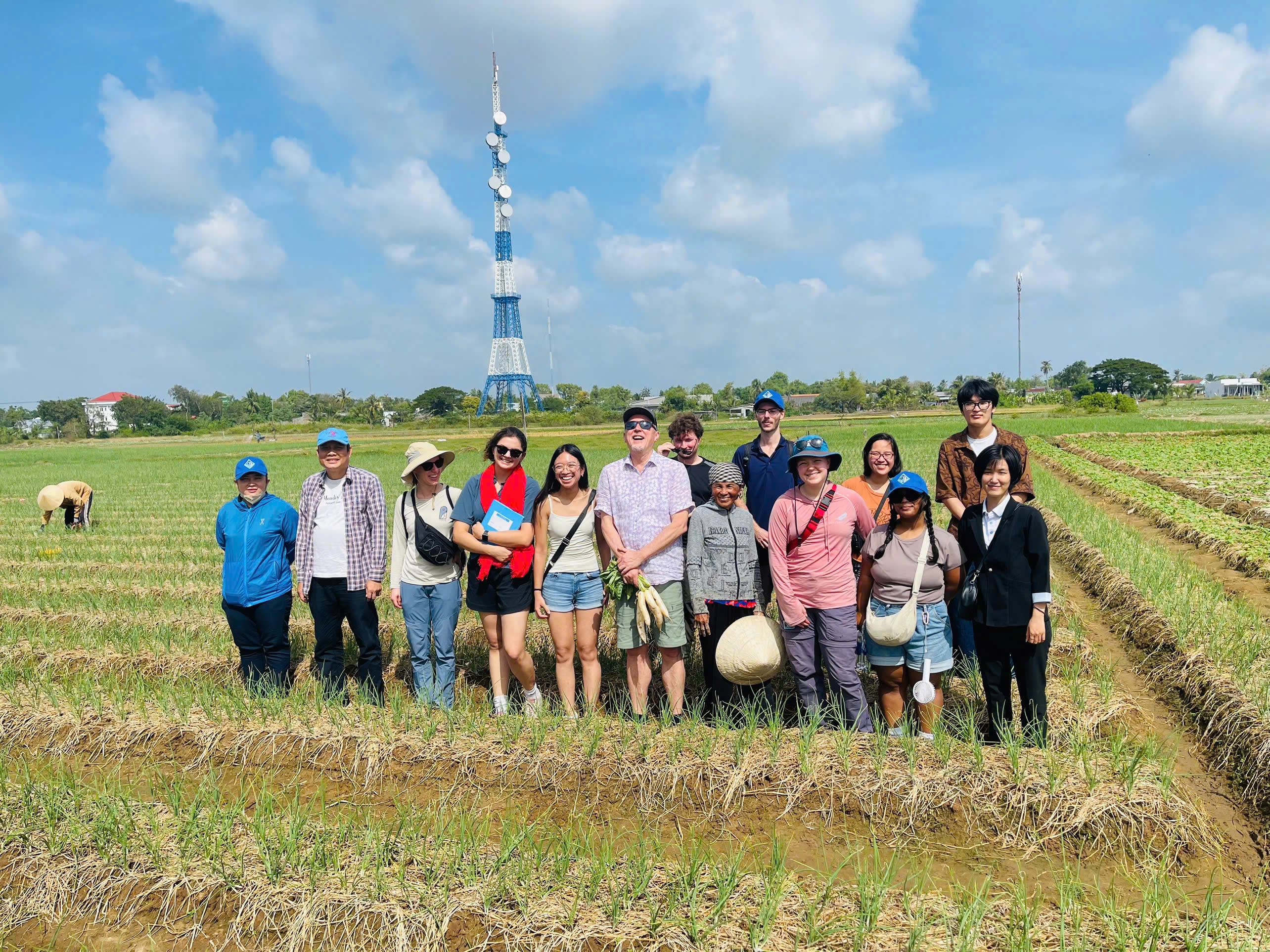
- Groundwater Dynamics: In Vinh Chau Ward, the study identified a correlation between groundwater extraction and land subsidence. Additionally, the accumulation of salt in deep soil layers due to changes in hydrostatic pressure is posing new challenges to the sustainability of local soil characteristics
 |
 |
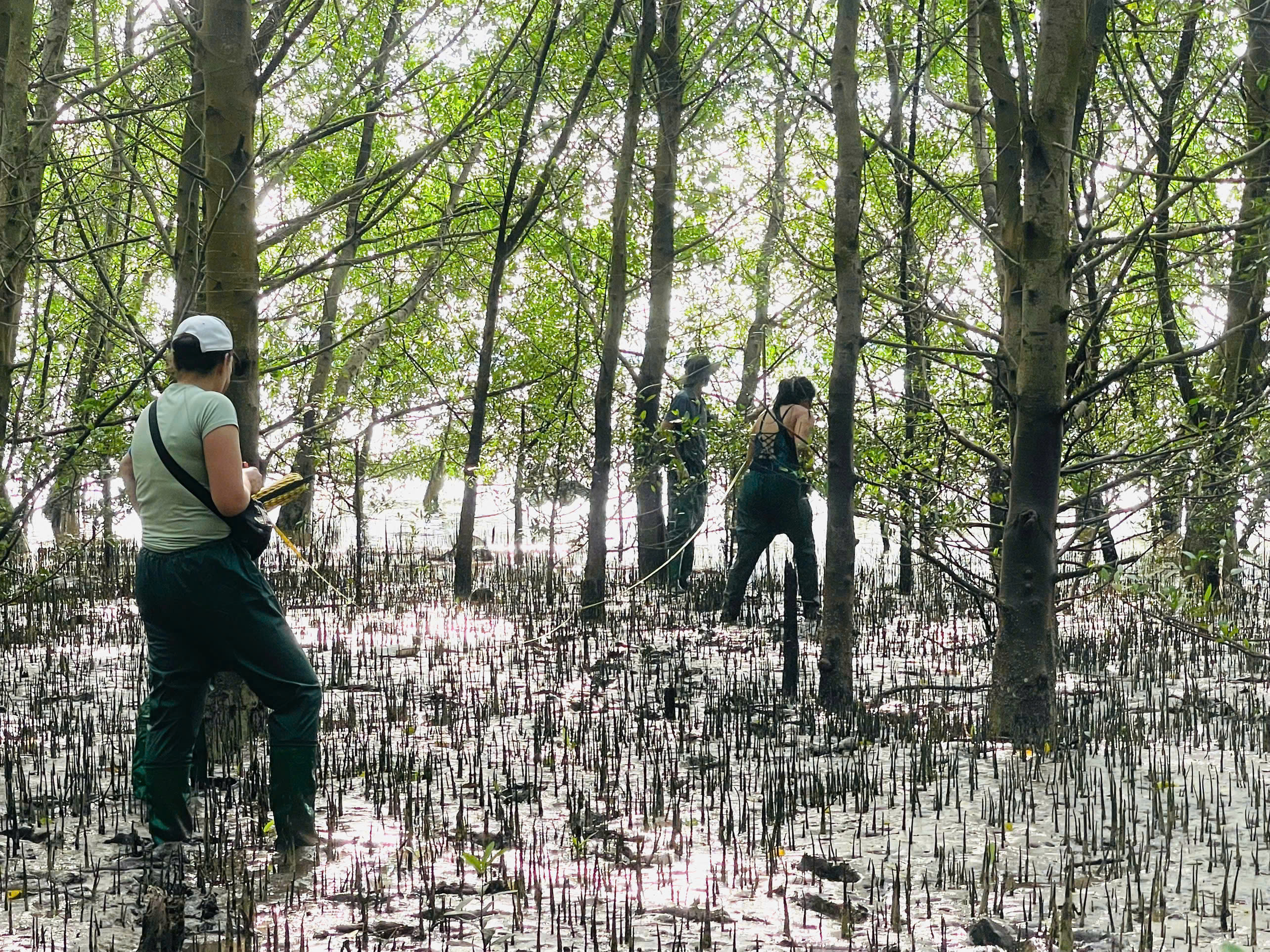
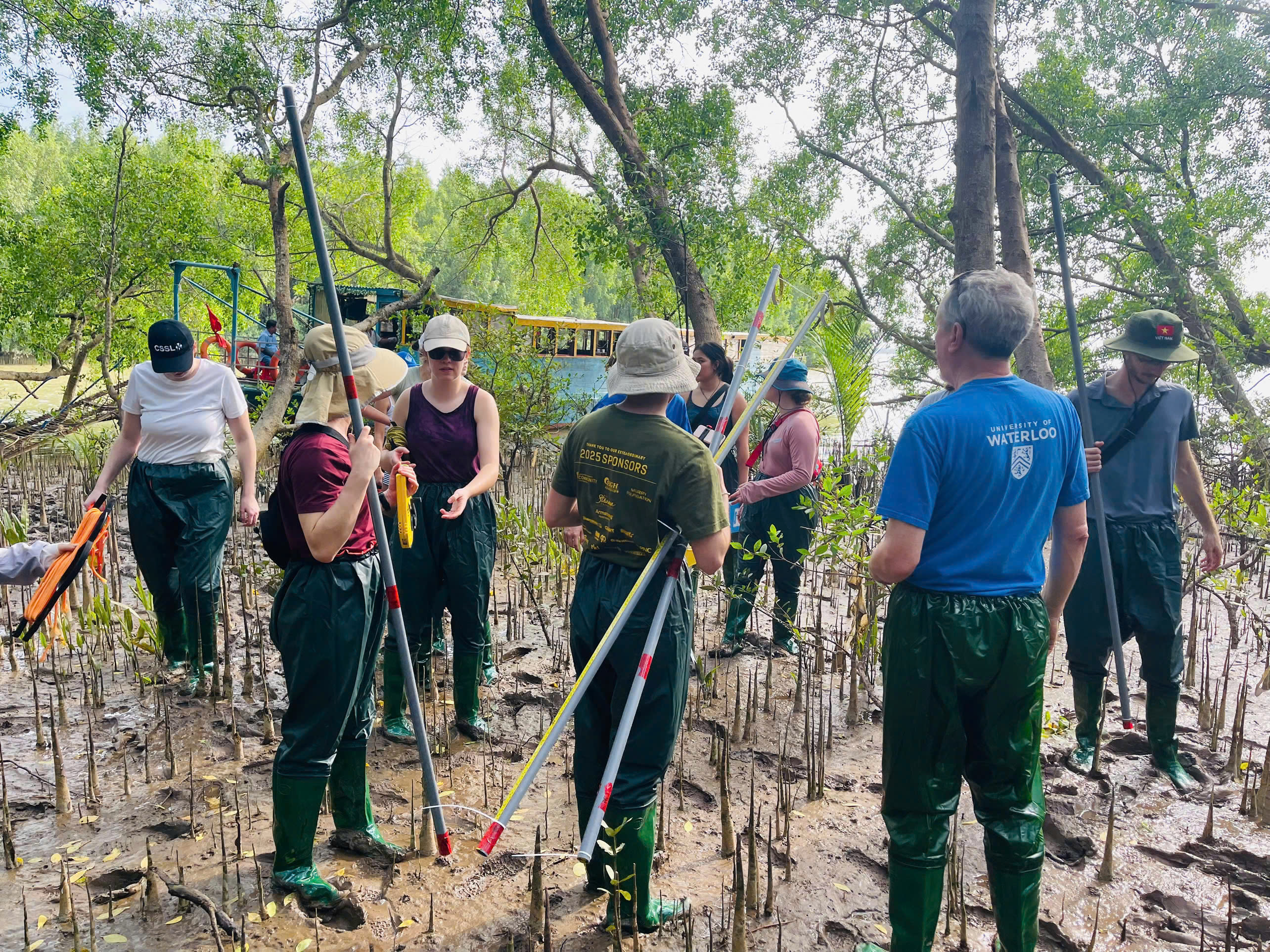
- Coastal Geomorphology: At the Cu Lao Dung estuary area, the team conducted topographic longitudinal surveys and observed changes in tidal flats. Analysis revealed that a deficit of upstream sediment is weakening the natural accretion process of the tidal flats.
 |
 |
International Exchange and Future Outlook
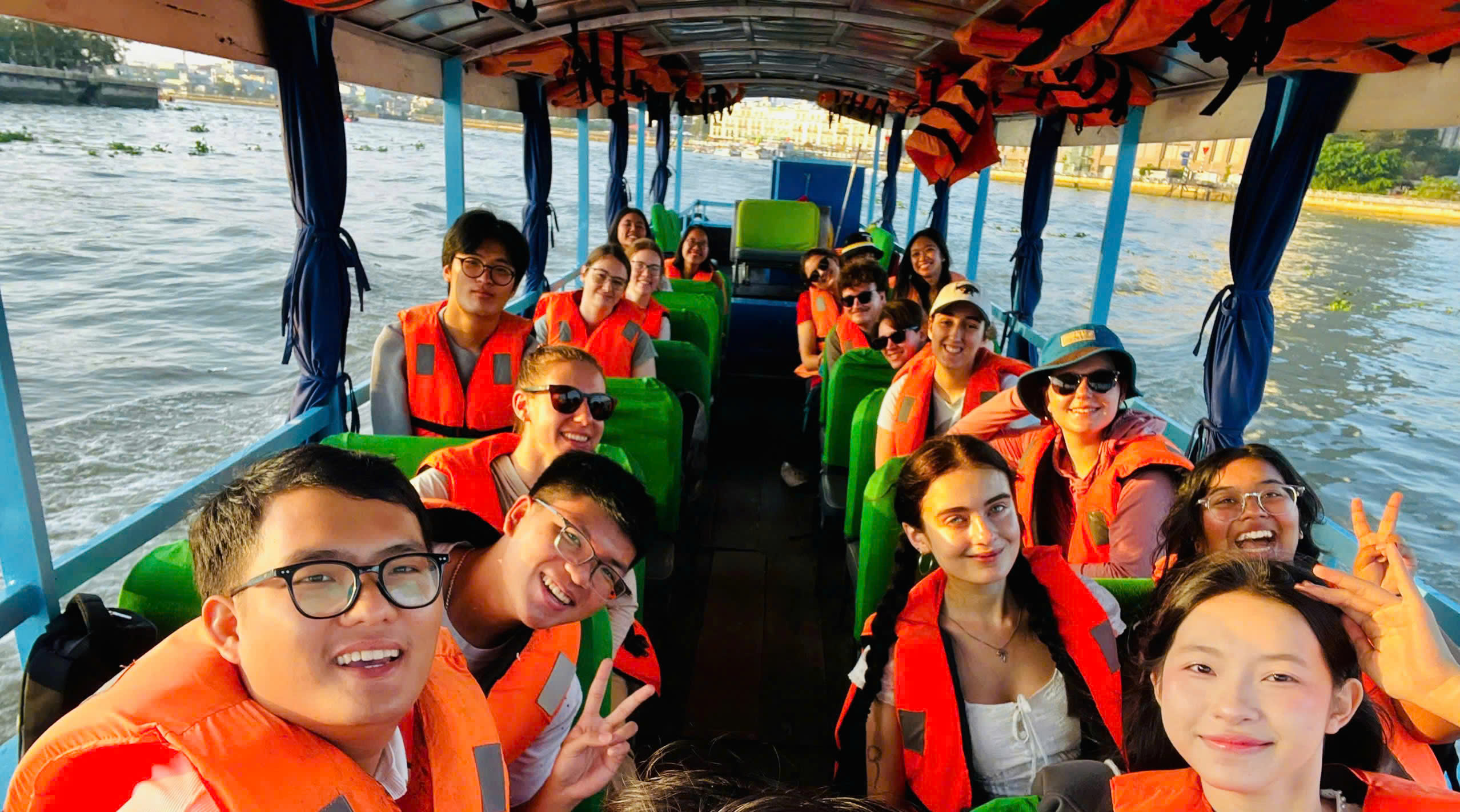
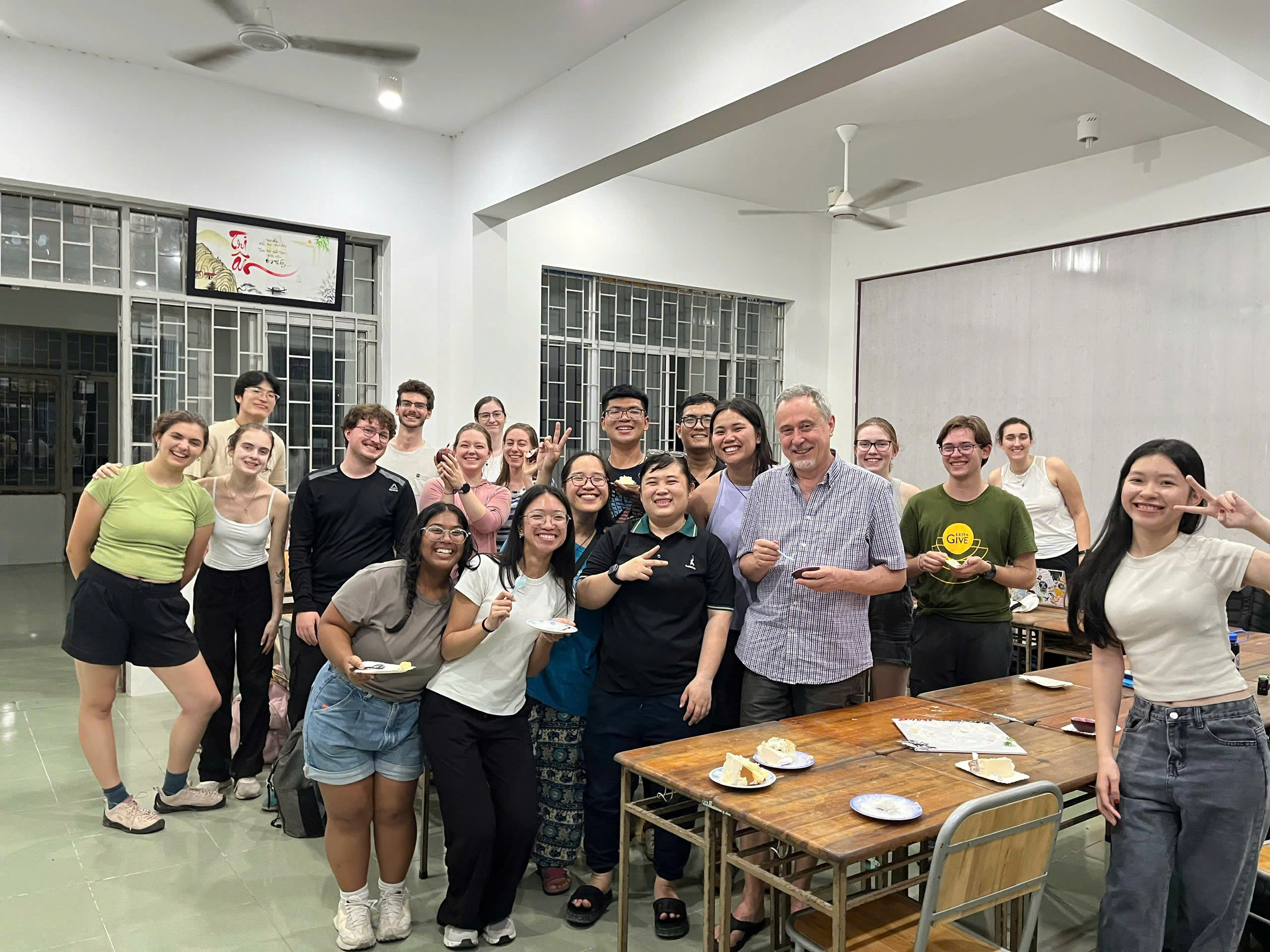
- Cultural Exchange: Beyond academic work, the course served as a bridge for cultural exchange, where students from both nations visited and experienced the local culture at the Cai Rang Floating Market.
 |
 |
 |
 |
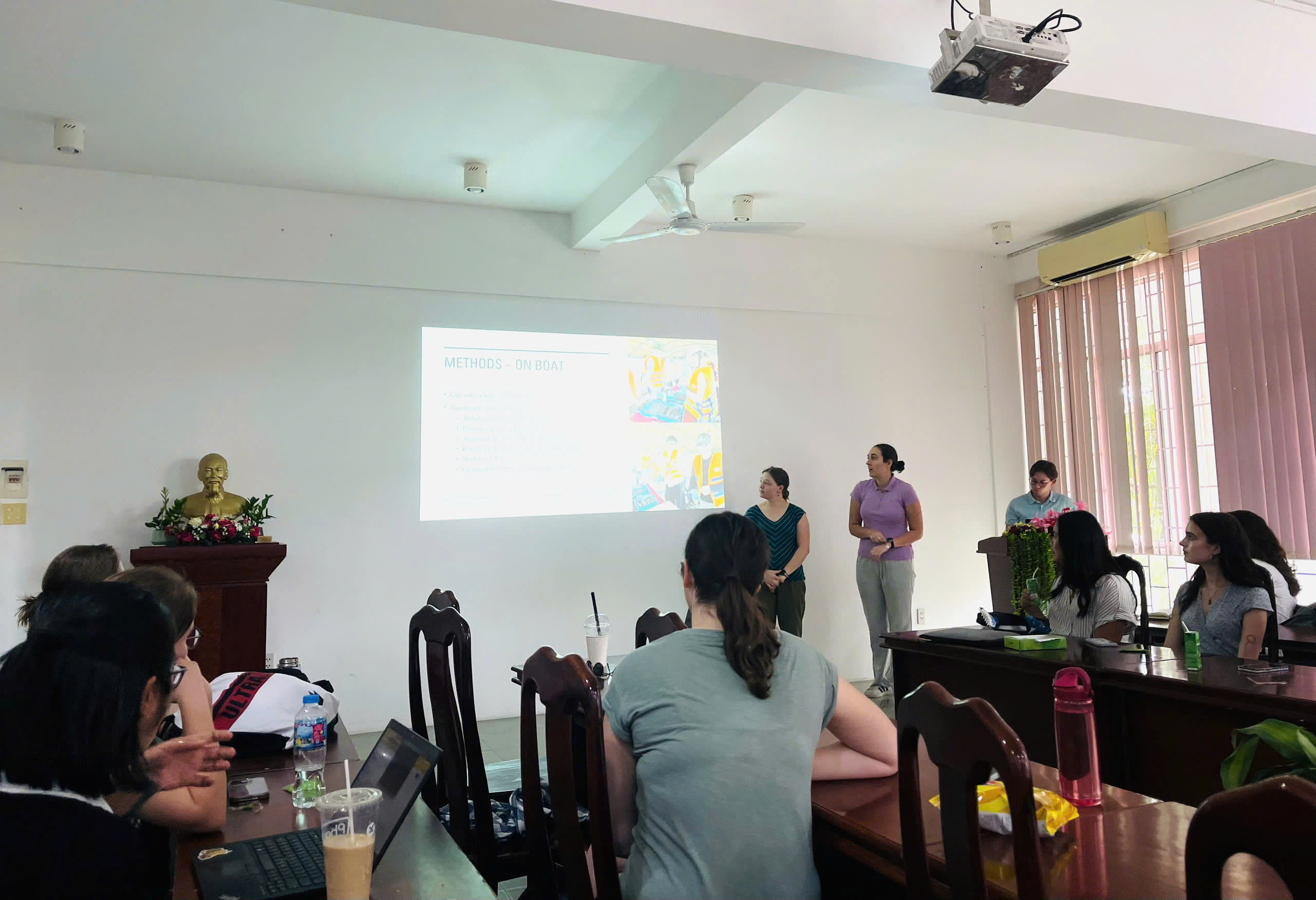
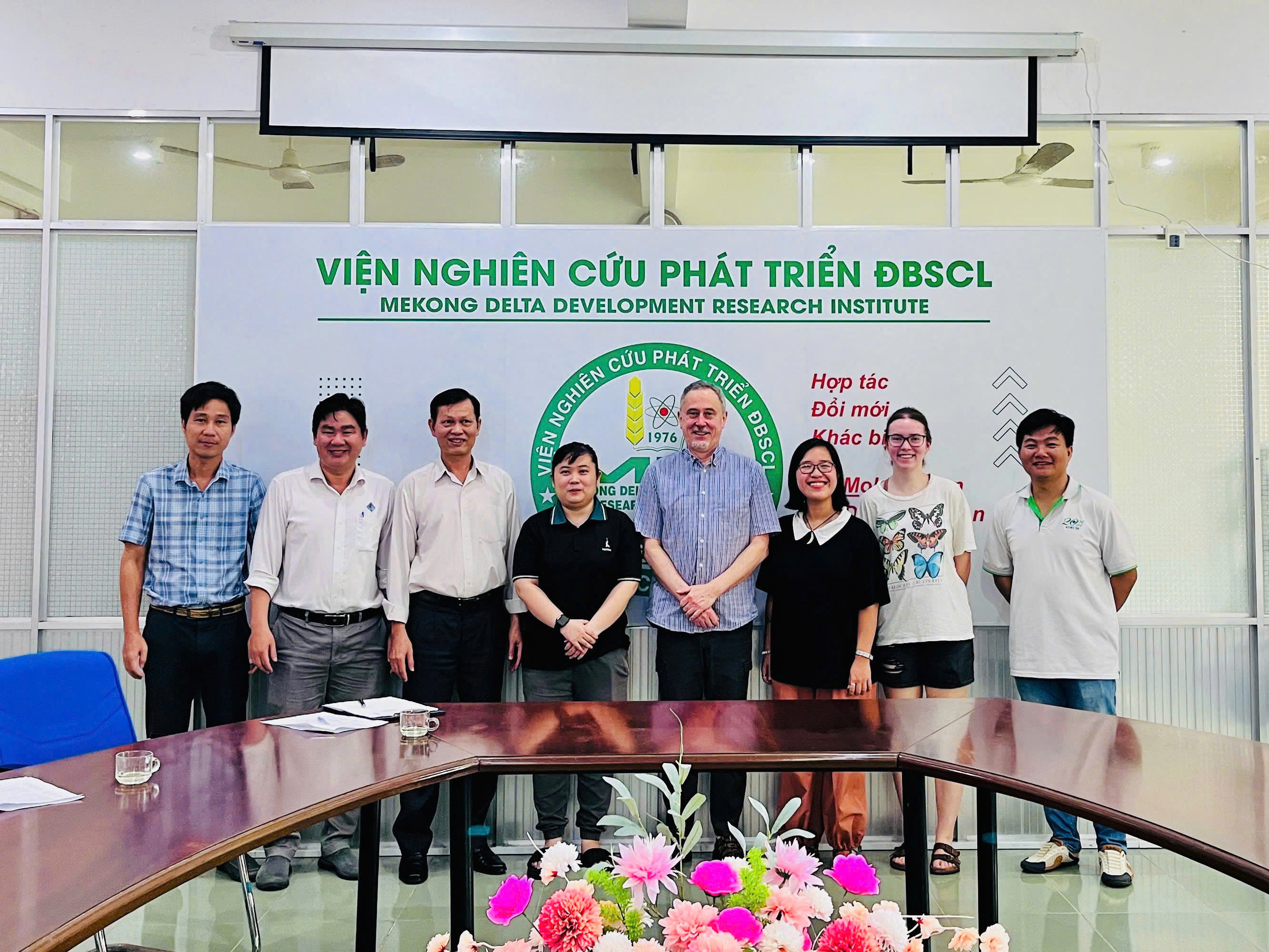
- 🚀 Future Orientation: The Mekong Delta Field Course 2025 concluded with a series of presentations by University of Waterloo students. The results of this course serve as a foundation for future research projects and academic partnership programs
 |
|
 |
 |