The project “Empowering Climate-Resilient Women – Transforming Livelihoods through Indigenous Resources (WILA)” is jointly implemented by the Mekong Institute, Can Tho University and the Center for Women’s Development in the Mekong Delta, with funding from the Embassy of Canada through the Canada Fund for Local Initiatives (CFLI). The project aims to strengthen climate resilience for women. Within the framework of the project, on January 15, 2026, in Hoa Tu commune (Can Tho City), the People’s Committee of Hoa Tu commune, in coordination with relevant partners, organized the project kick-off and consultation meeting.
The meeting was attended by representatives of the People’s Committee of Hoa Tu commune; local mass organizations such as the Women’s Union, the Farmers’ Union, and the Youth Union; representatives of the Hoa De Aquaculture Cooperative; as well as representatives of the co-organizing and implementing institutions, including the Center for Women’s Development in the Mekong Delta and the Mekong Institute, Can Tho University.
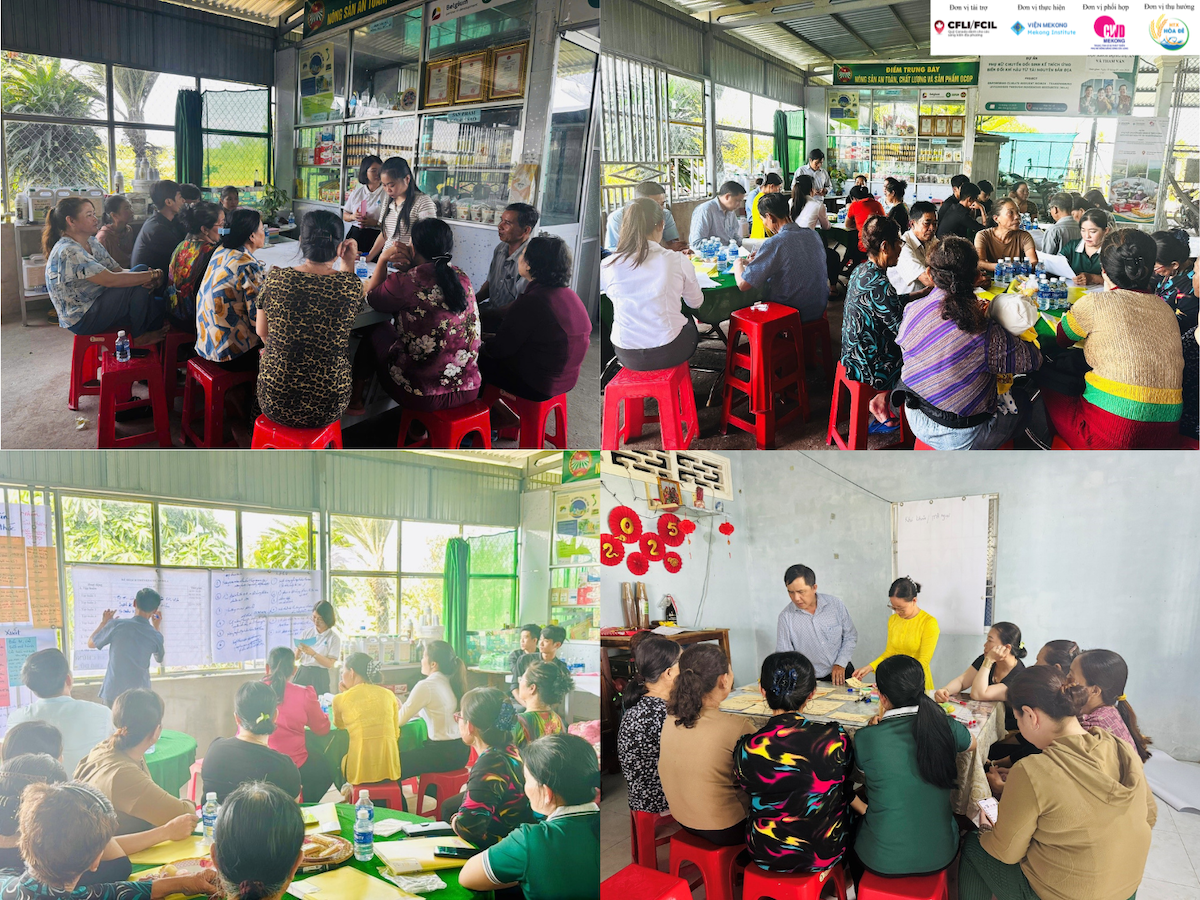
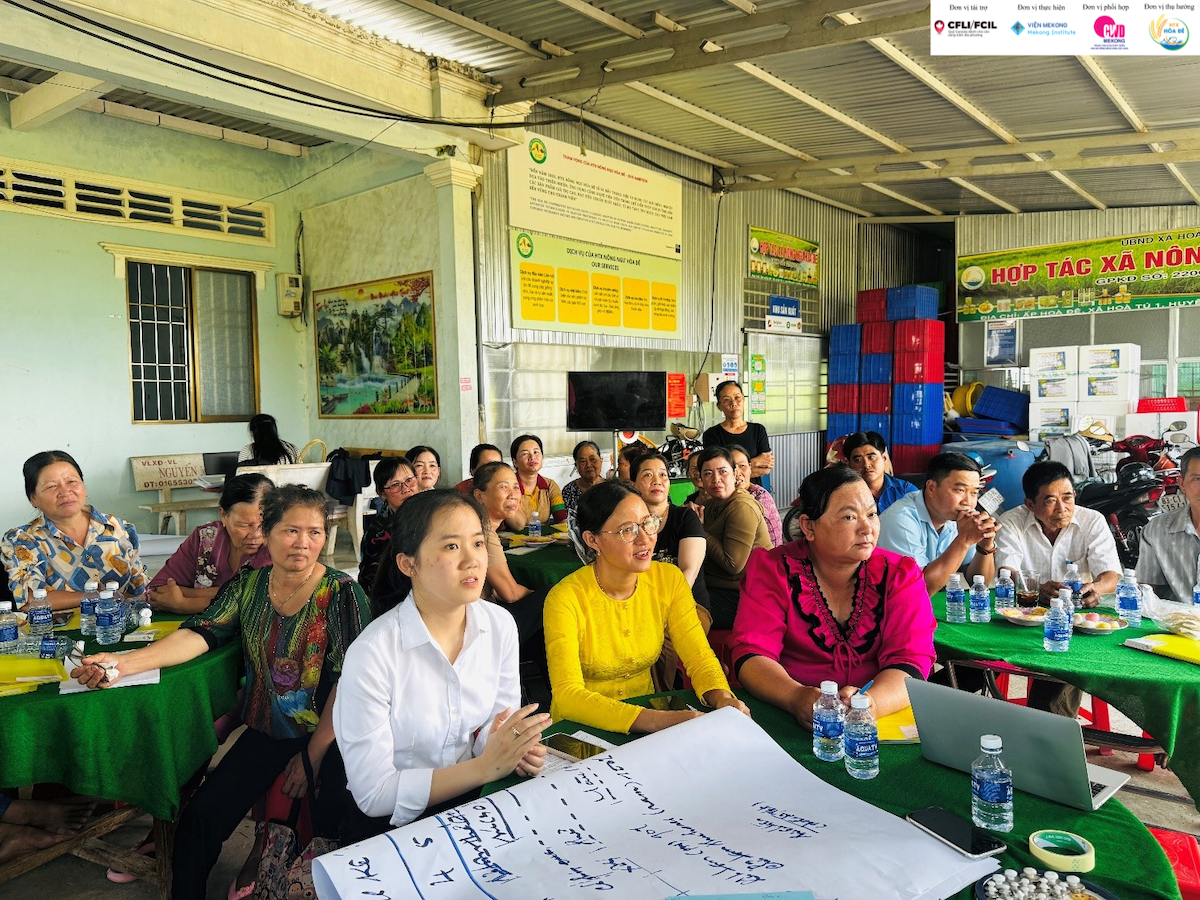
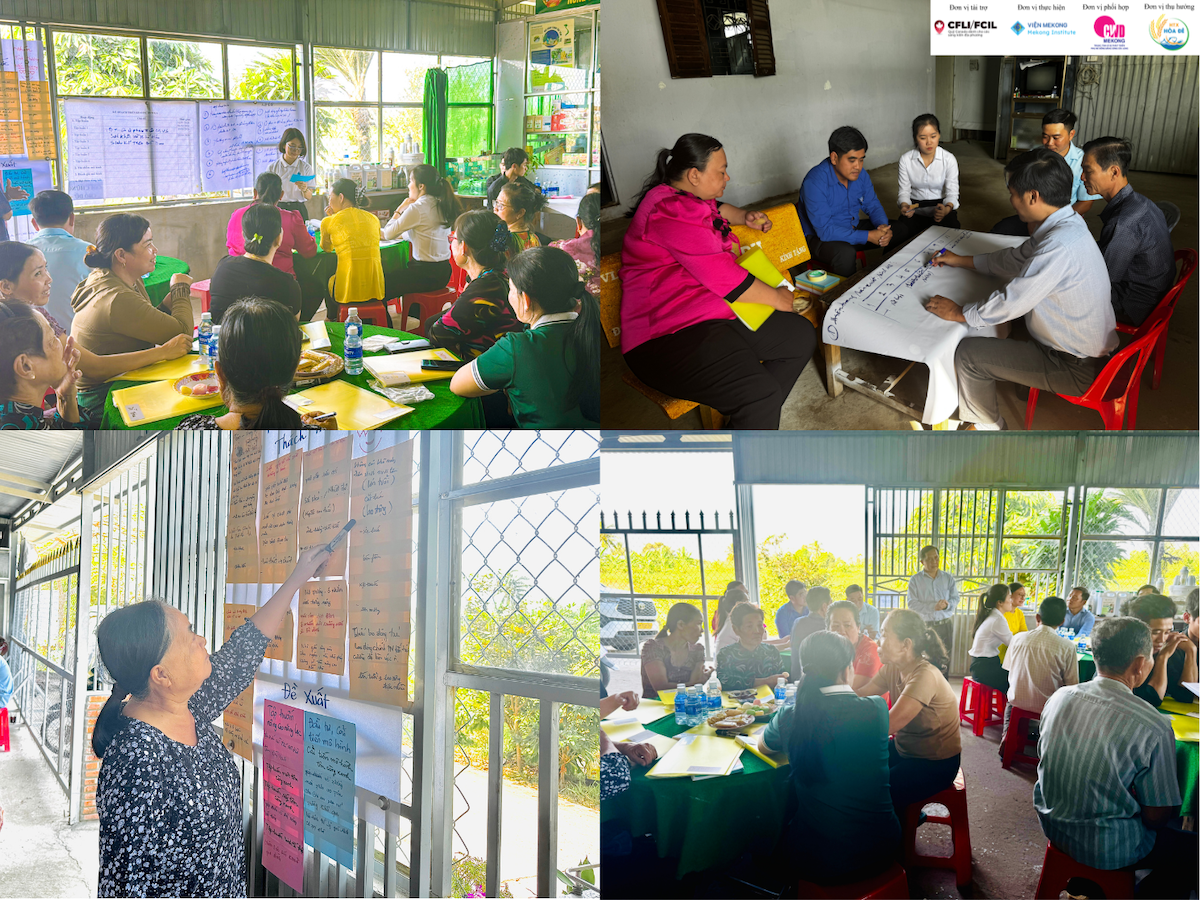
The project kick-off and consultation meeting aimed to:
- Present the project’s objectives, scope, key activities, implementation timeline, and expected results to relevant stakeholders;
- Gather perspectives, recommendations, concerns, and experiences from stakeholders regarding project coordination and implementation;
- Discuss coordination mechanisms and information-sharing channels among participating parties;
- Identify the needs and expectations of stakeholders to ensure that the project aligns with local conditions, practical needs, and community aspirations;
- Reach consensus on consultation outcomes and implementation approaches that are appropriate and feasible for the community.
Through the consultation process, participants shared key challenges faced by the community in agricultural production, including diseases affecting the shrimp–rice farming system, increasingly unpredictable weather due to climate change, and limitations in technical capacity and local resources. Based on these discussions, the project agreed to organize training activities tailored to actual community needs, while strengthening coordination mechanisms among local authorities, mass organizations, and the community to enhance women’s capacity. This approach aims to promote the central role of women in developing sustainable livelihoods and adapting to climate change.
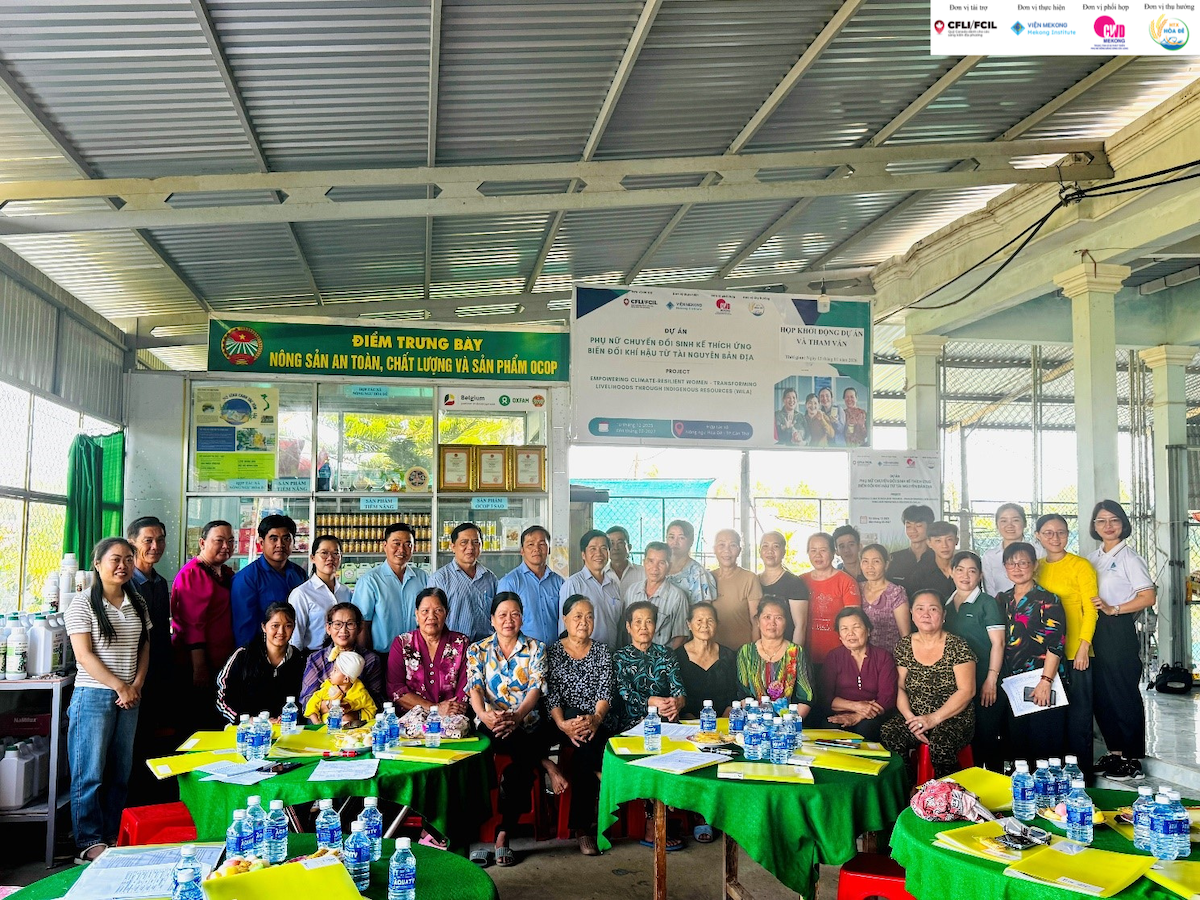
Through the meeting, stakeholders expressed their expectation to jointly develop and implement pilot livelihood models with potential for replication across the Mekong Delta region. The project is also expected to contribute to increased income and improved livelihood management capacity for women through training, capacity-building, and hands-on practice. At the same time, the project seeks to enhance climate resilience through circular economy models, effective use of indigenous resources, promotion of gender equality, and strengthening women’s voices and roles in community development, thereby contributing to the long-term sustainable development goals of the locality.
The WILA project is implemented to promote climate-resilient livelihood development within local communities, thereby contributing to the achievement of the Sustainable Development Goals (SDGs) in the Mekong Delta. Specifically, the project contributes to Goal 2 (Targets 2.3, 2.4); Goal 4 (Targets 4.5, 4.7); Goal 5 (Targets 5.5, 5.7); Goal 6 (Targets 6.3, 6.b); Goal 8 (Targets 8.2, 8.3, 8.4); Goal 9 (Target 9.3); Goal 10 (Targets 10.2, 10.3); Goal 12 (Targets 12.1, 12.2, 12.3, 12.5, 12.6, 12.8, 12.a); Goal 13 (Targets 13.1, 13.3); and Goal 14 (Target 14.1).
#CFLI and #CLFIVietnam #ViệnMekong #CTU #CWD
#WILA #PhụNữChuyểnĐổiSinhKế #SinhKếBềnVững