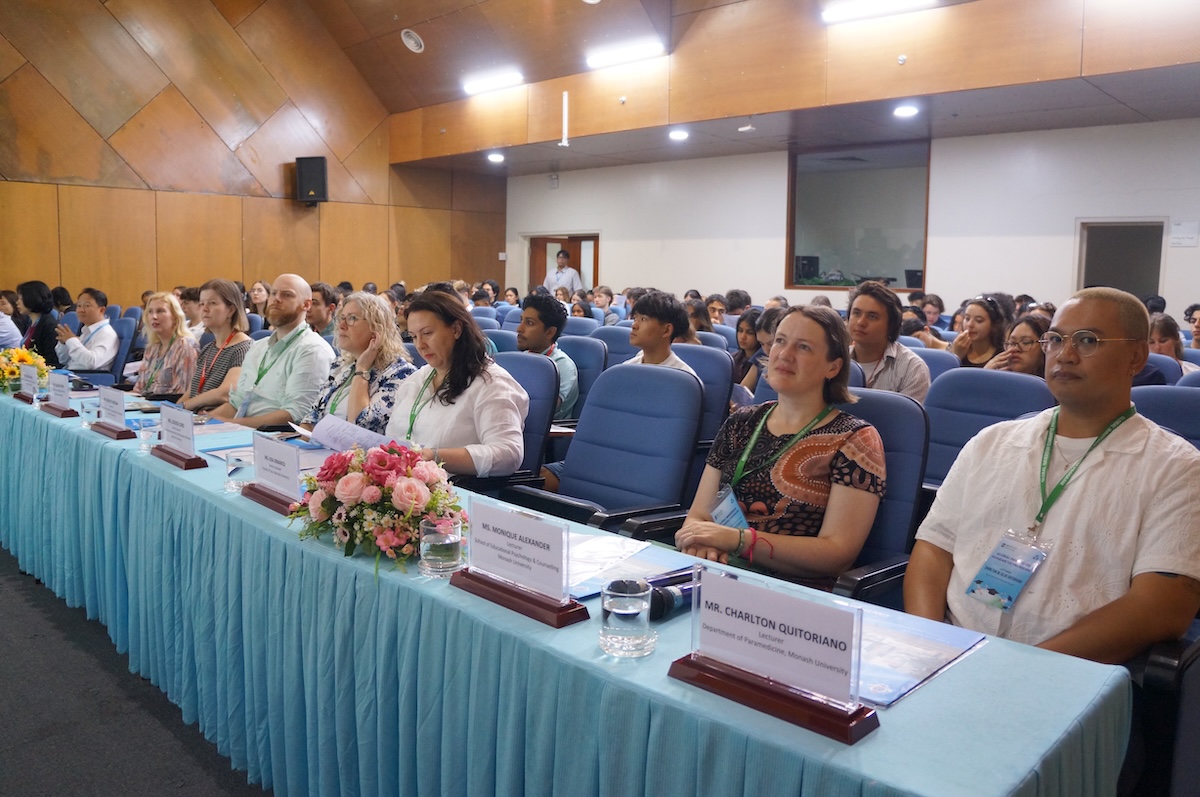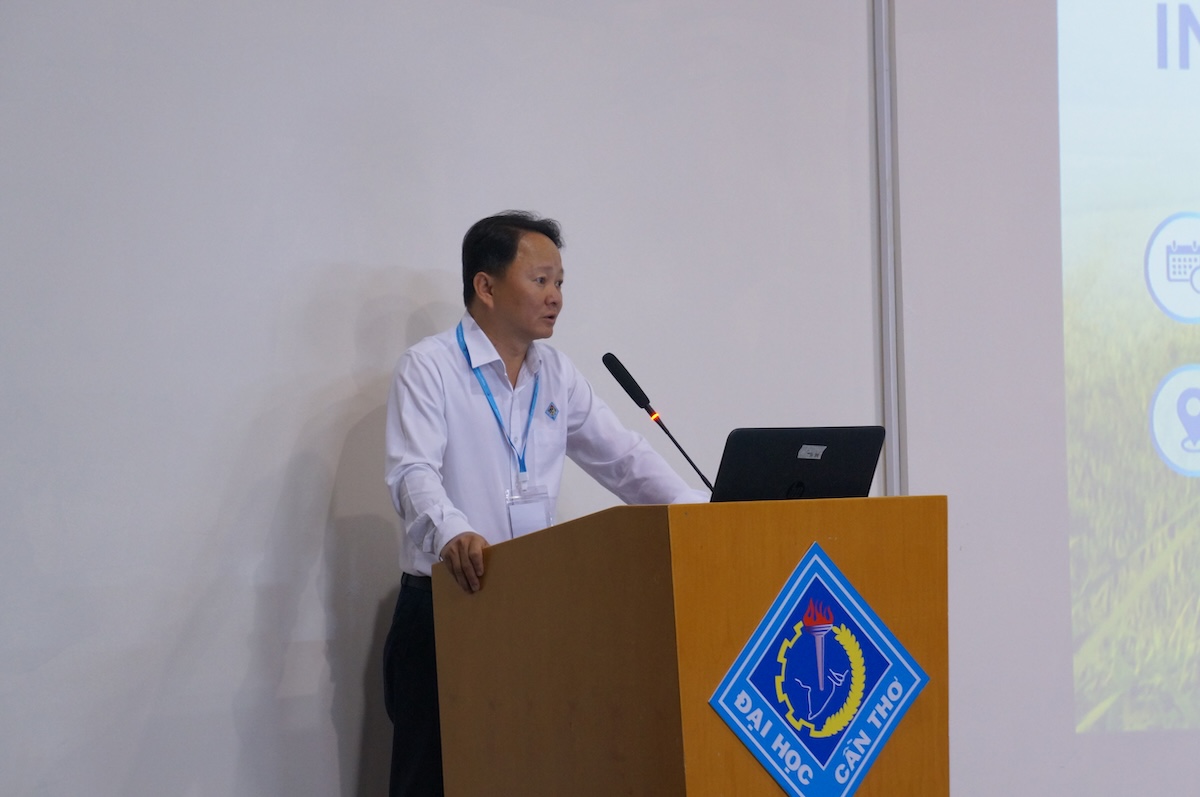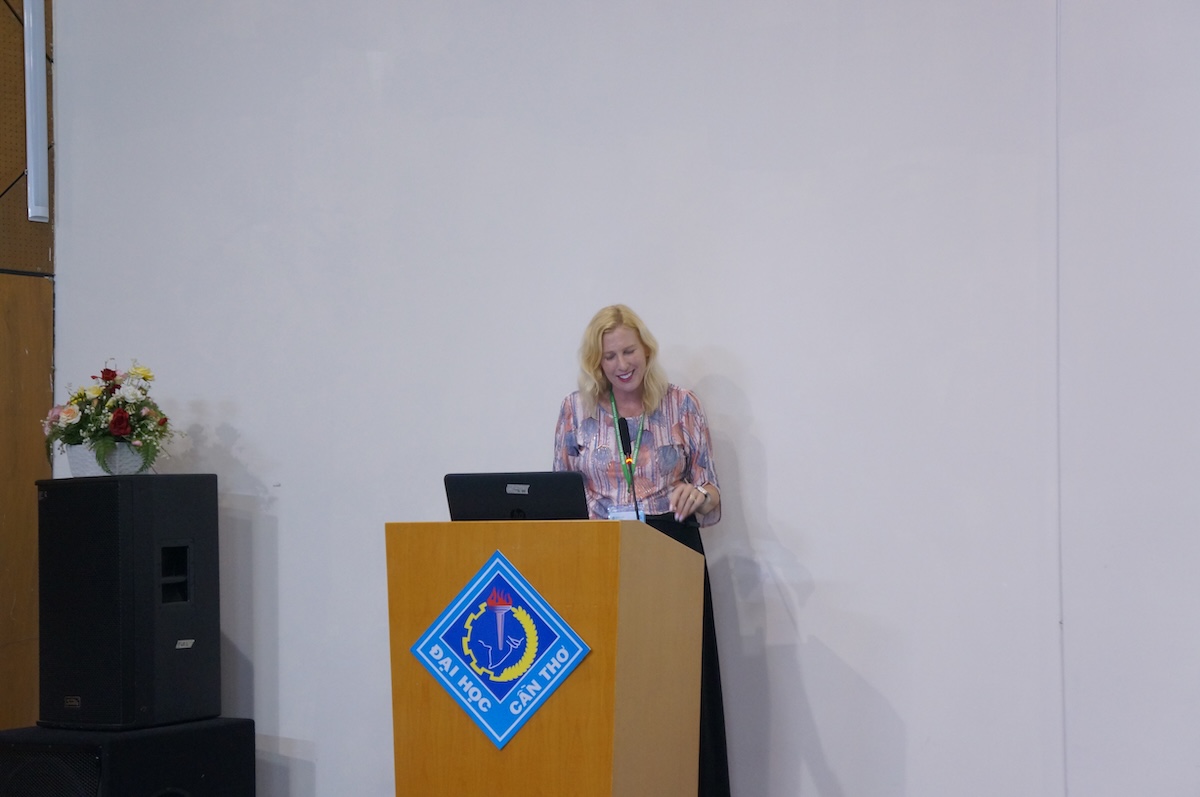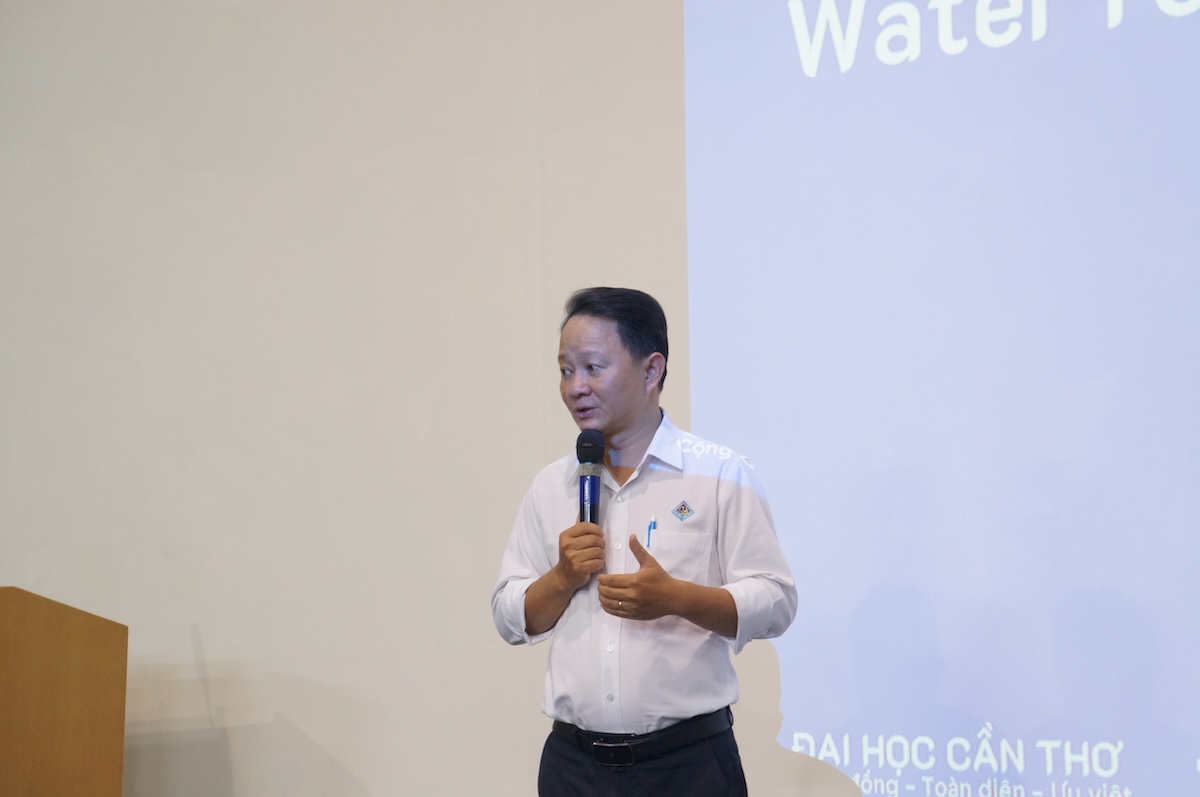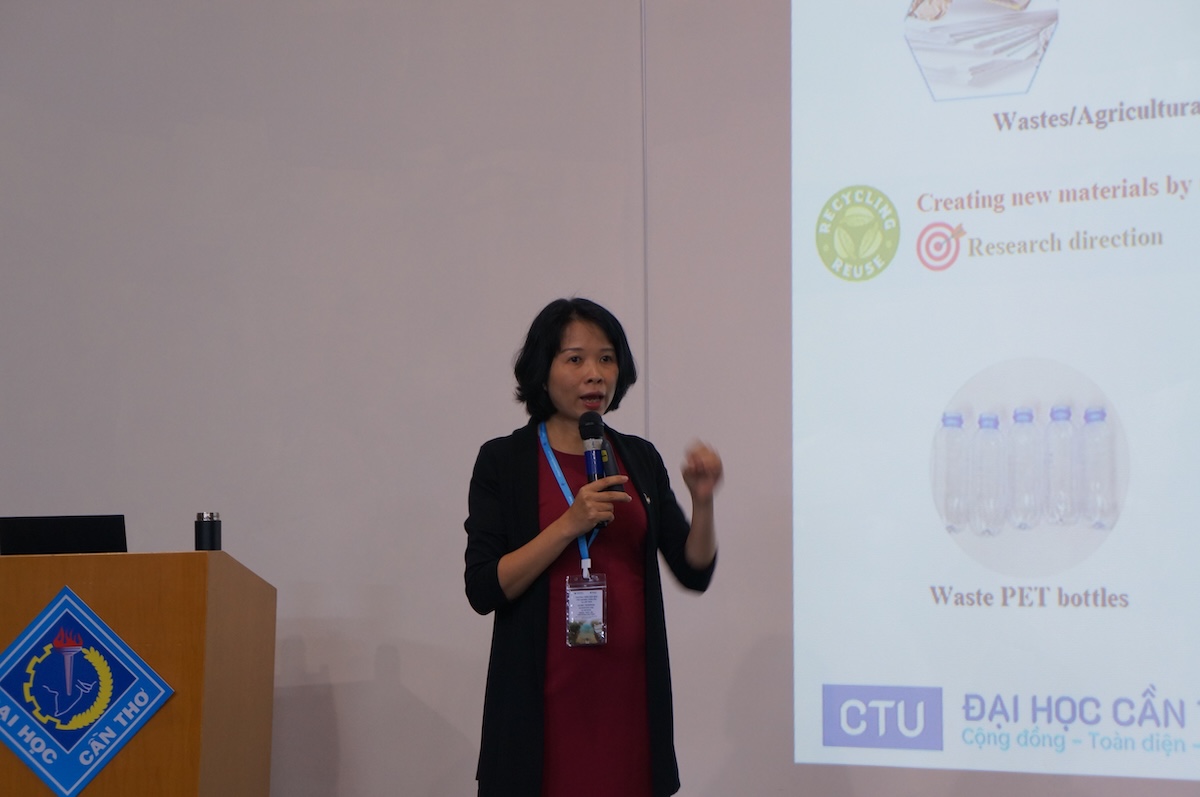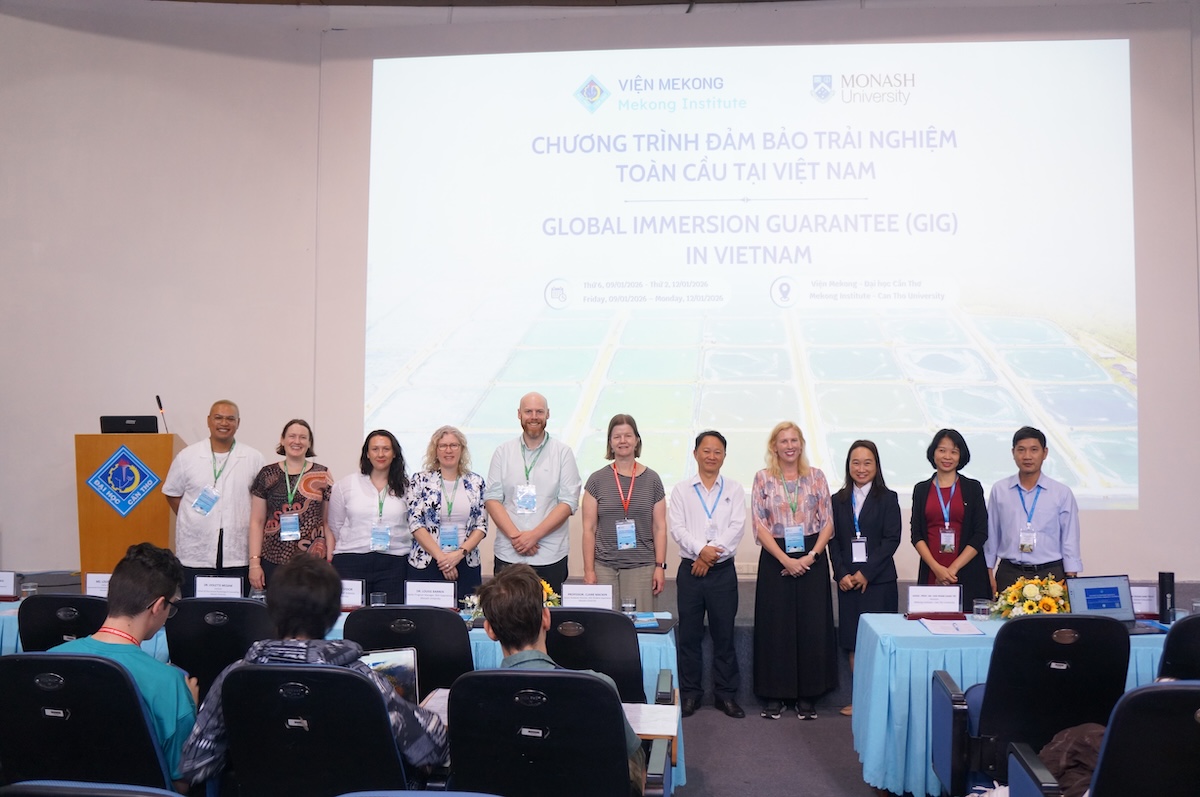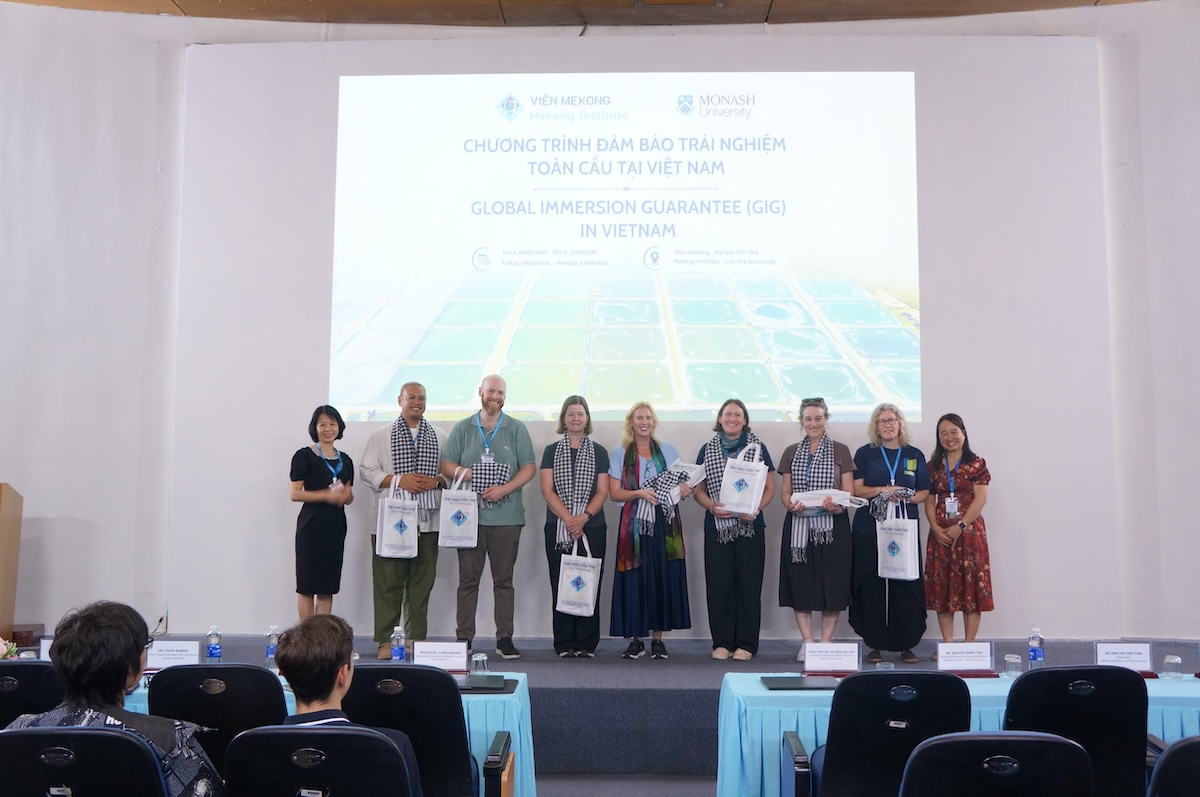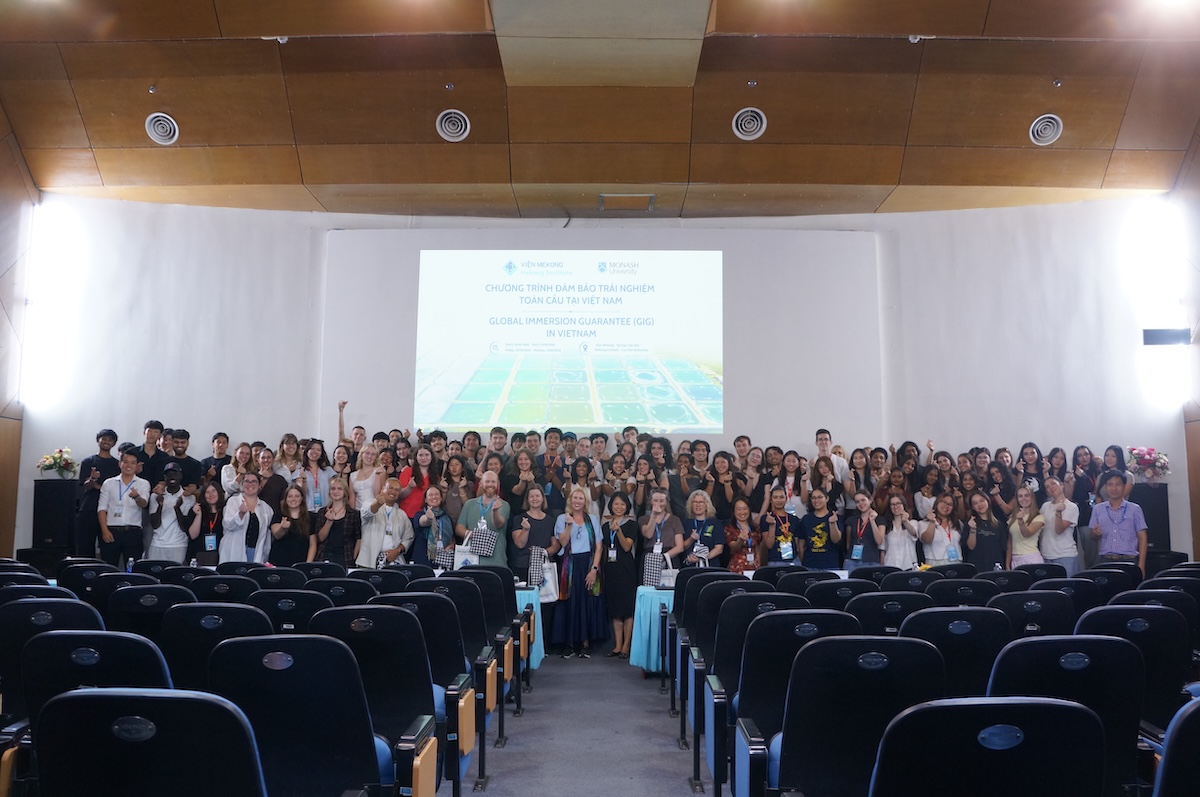
Building on the success of previous cohorts, the Mekong Institute, Can Tho University, successfully implemented Cohort 3 of the Global Immersion Guarantee (GIG) Program in Viet Nam from 9 to 12 January 2026, as part of a series of four academic–practical cohorts conducted in Viet Nam. The program welcomed the participation of over 110 students and staff from Monash University.
The continuous implementation of the GIG cohorts not only demonstrates the program’s continuity and progressive development in academic content, but also affirms the coordinating role, organizational capacity, and academic standing of the Mekong Institute in connecting international knowledge with the local context of the Mekong Delta (MD). Through Cohort 3, the program continued to provide students with multi-dimensional learning experiences related to climate change, sustainable livelihoods, water governance, and community adaptive capacity, thereby strengthening the foundation for subsequent GIG cohorts in the overall program series.
DAY 1 – 09 January 2026
Academic Exchange and Field Visits to Flood Mitigation Infrastructure in Can Tho City
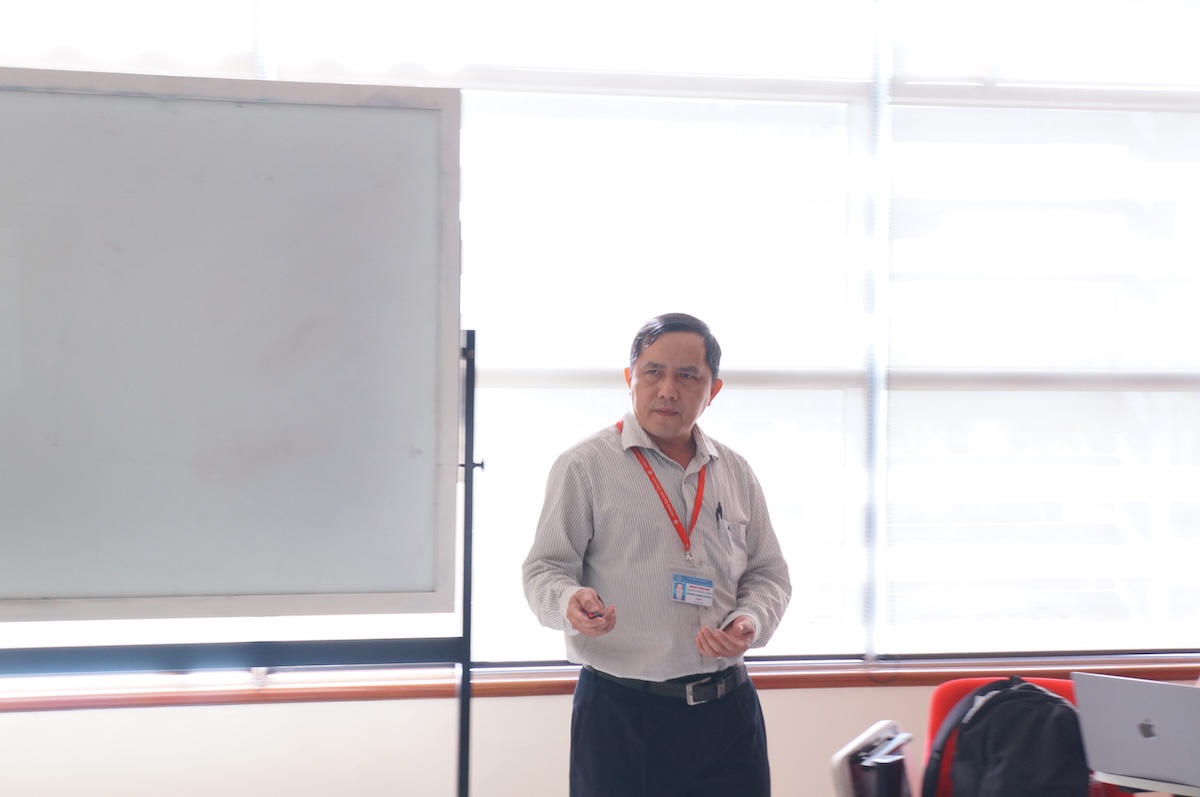
The program officially commenced with an opening ceremony, featuring keynote remarks by Assoc. Prof. Dr. Van Pham Dang Tri – Director of the Mekong Institute, and Prof. Claire Macken – Deputy Vice-Chancellor (Social Engagement – DVC-SE), Monash University. The speakers emphasized the significance of international academic collaboration and highlighted the important role of the GIG Program in fostering global perspectives and linking academic learning with real-world practice for students.
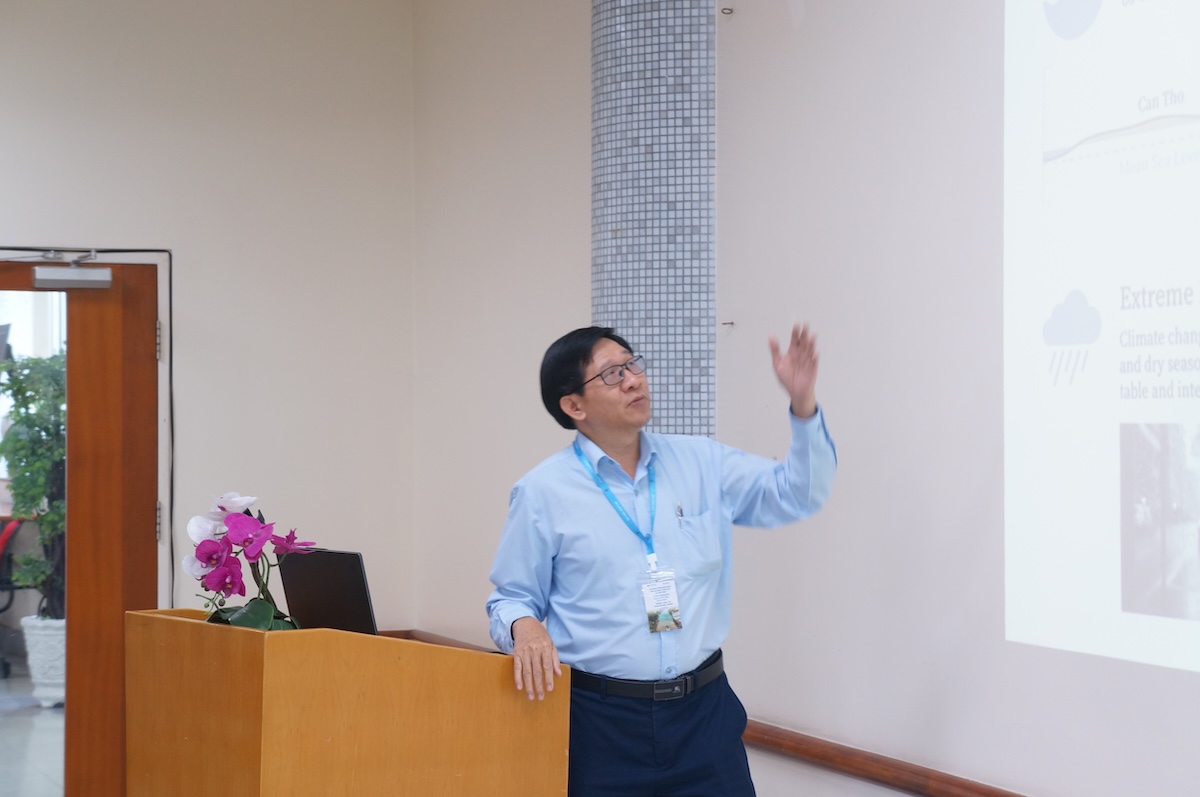
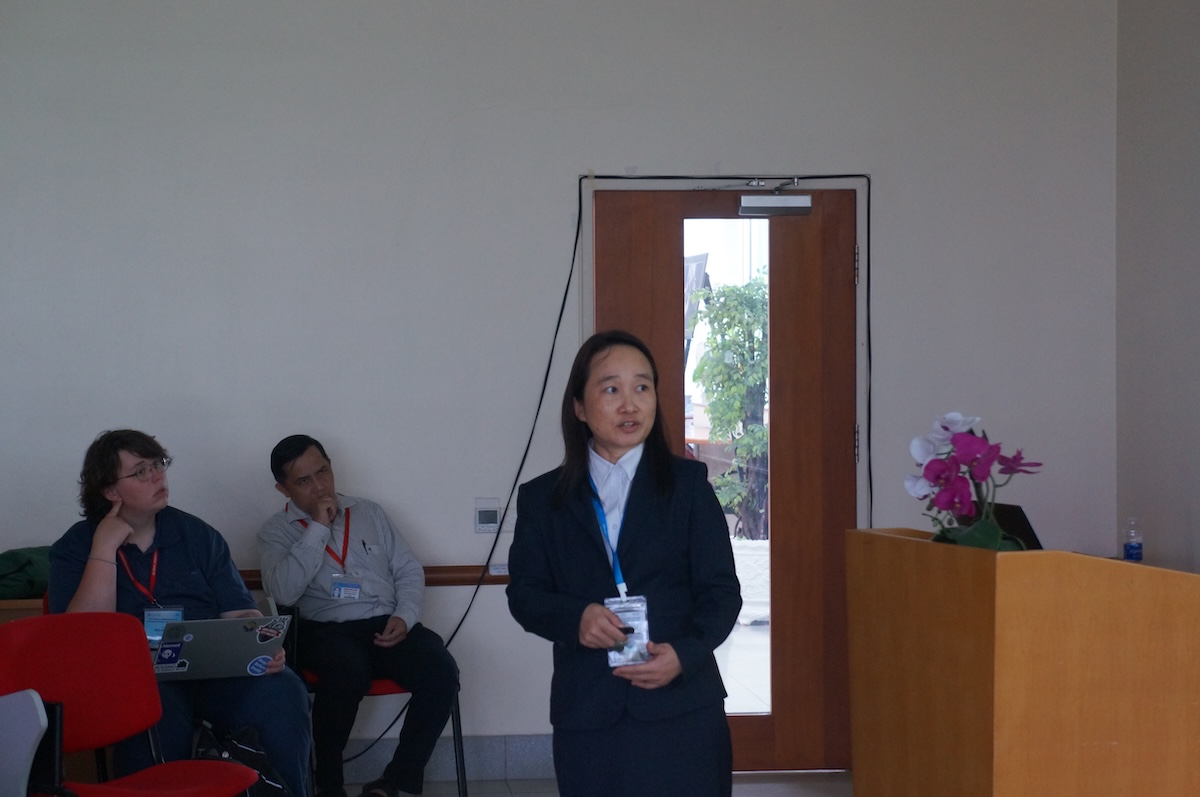
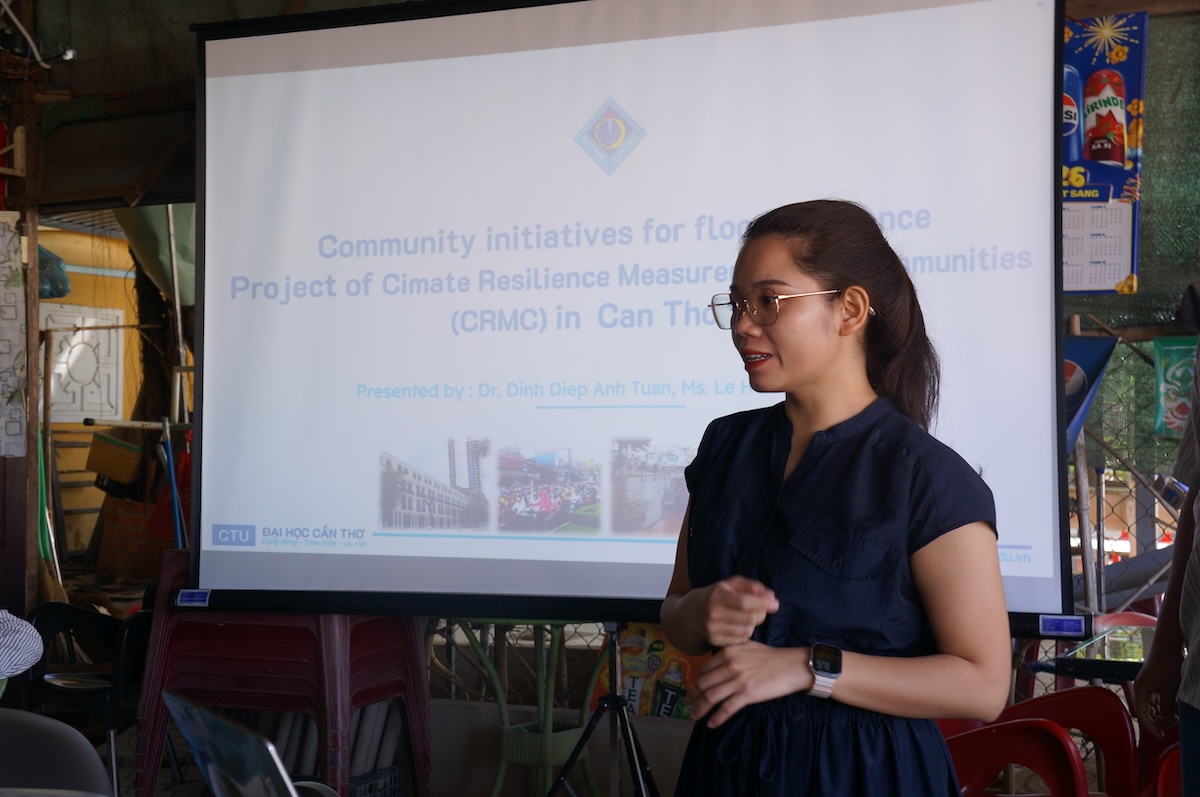
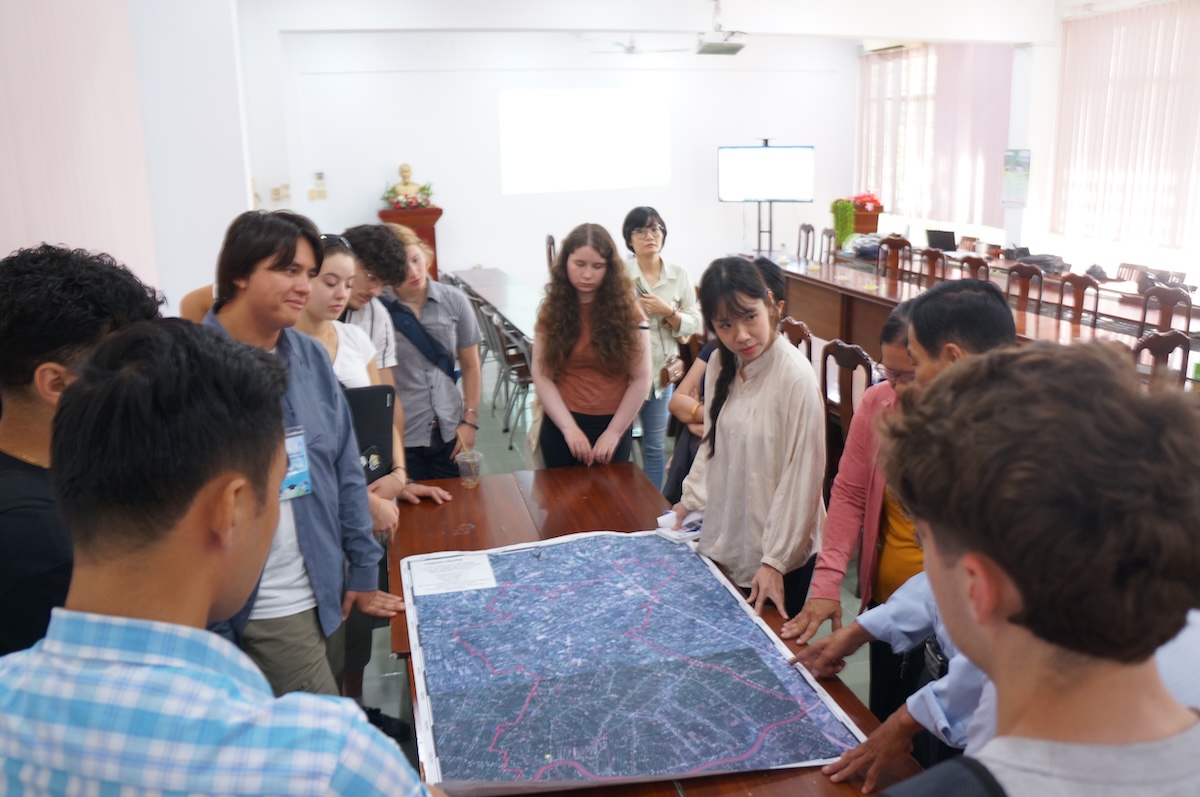
Following the opening ceremony, students participated in a series of thematic academic sessions combined with field visits, focusing on:
- Climate change and livelihood adaptation in the Mekong Delta
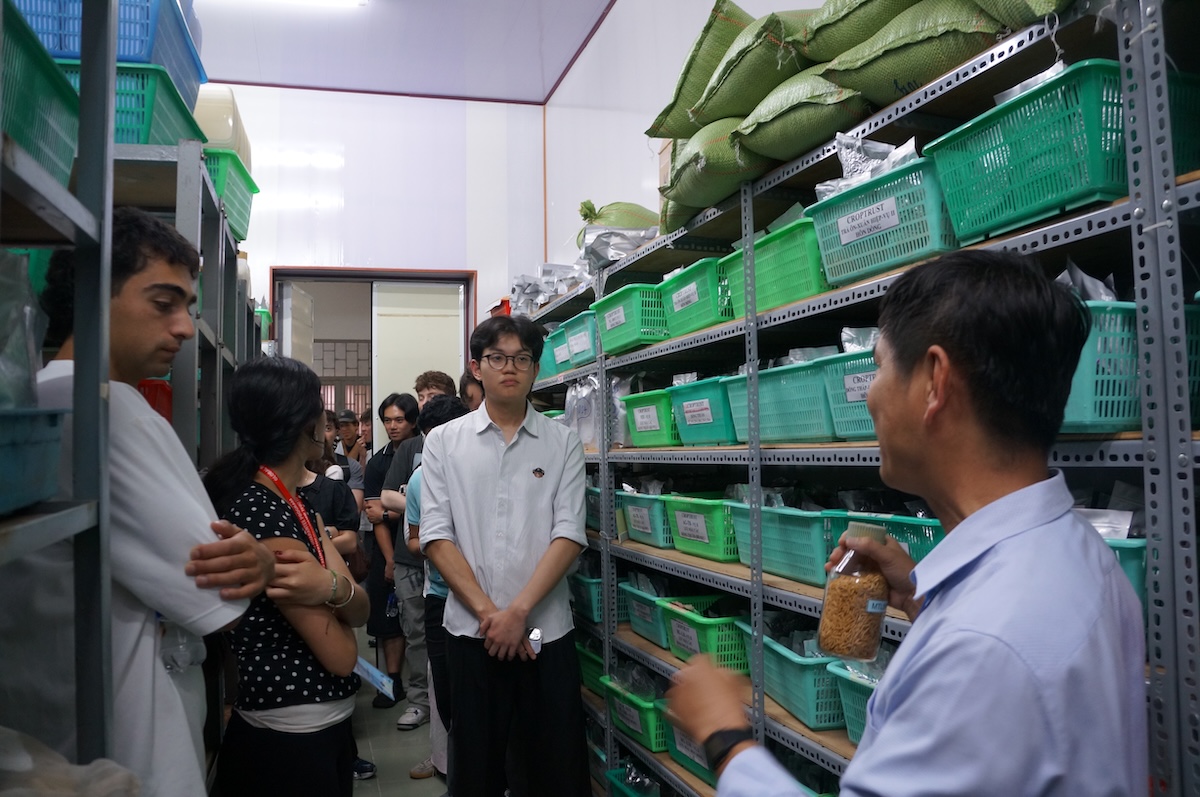
- Innovation in sustainable agriculture and aquaculture
- Urban flood resilience and risk management through Nature-based Solutions (NbS)
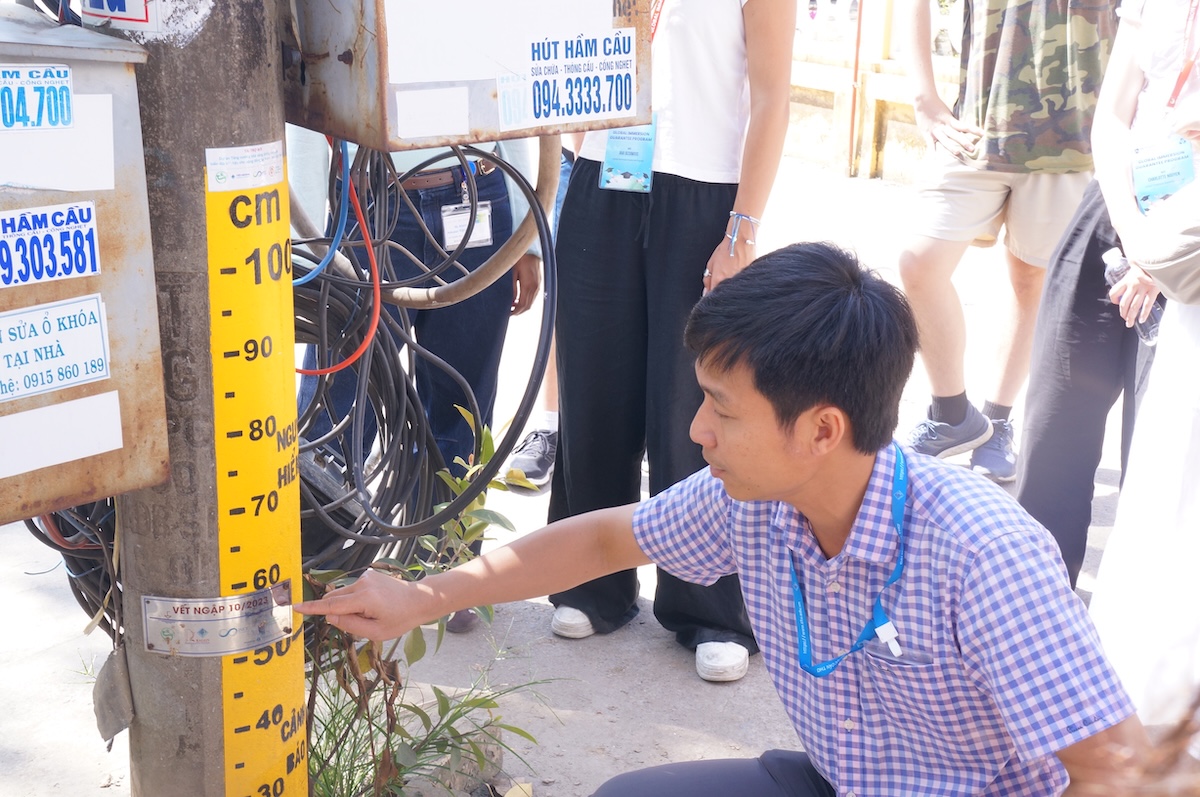
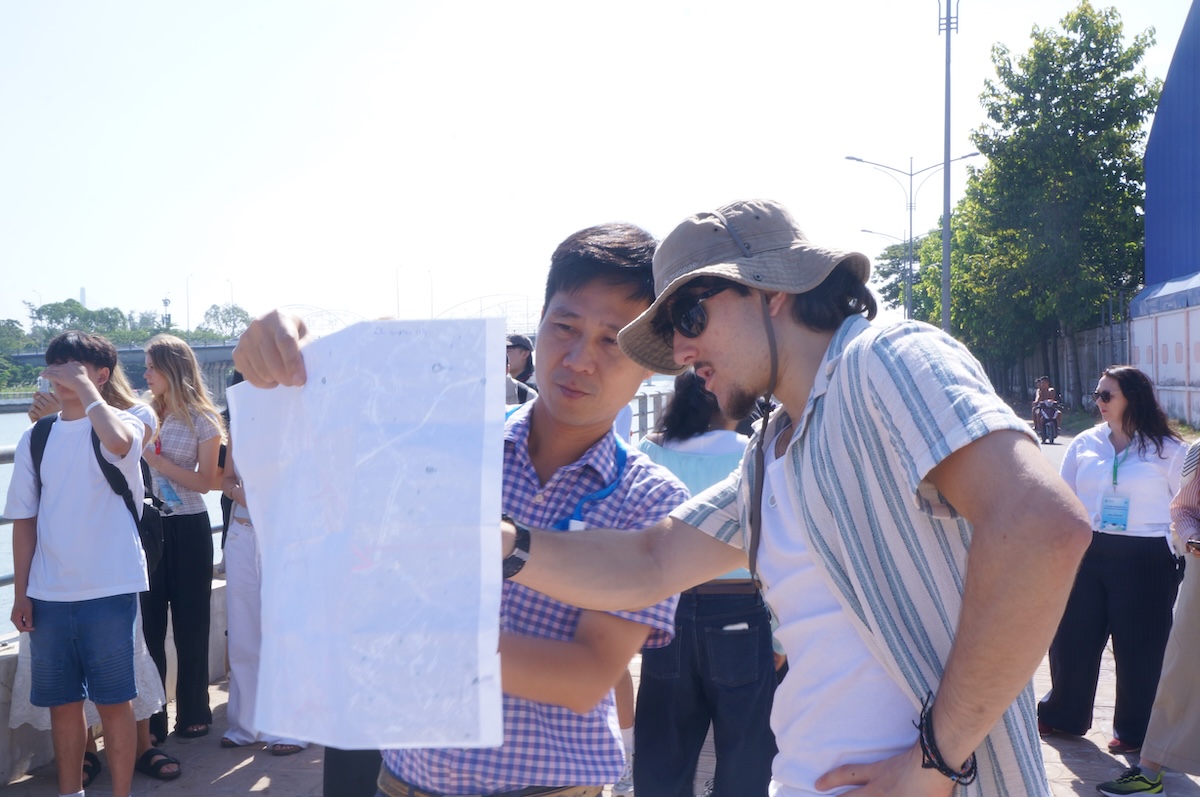
- Site visits to flood mitigation infrastructure in Can Tho City
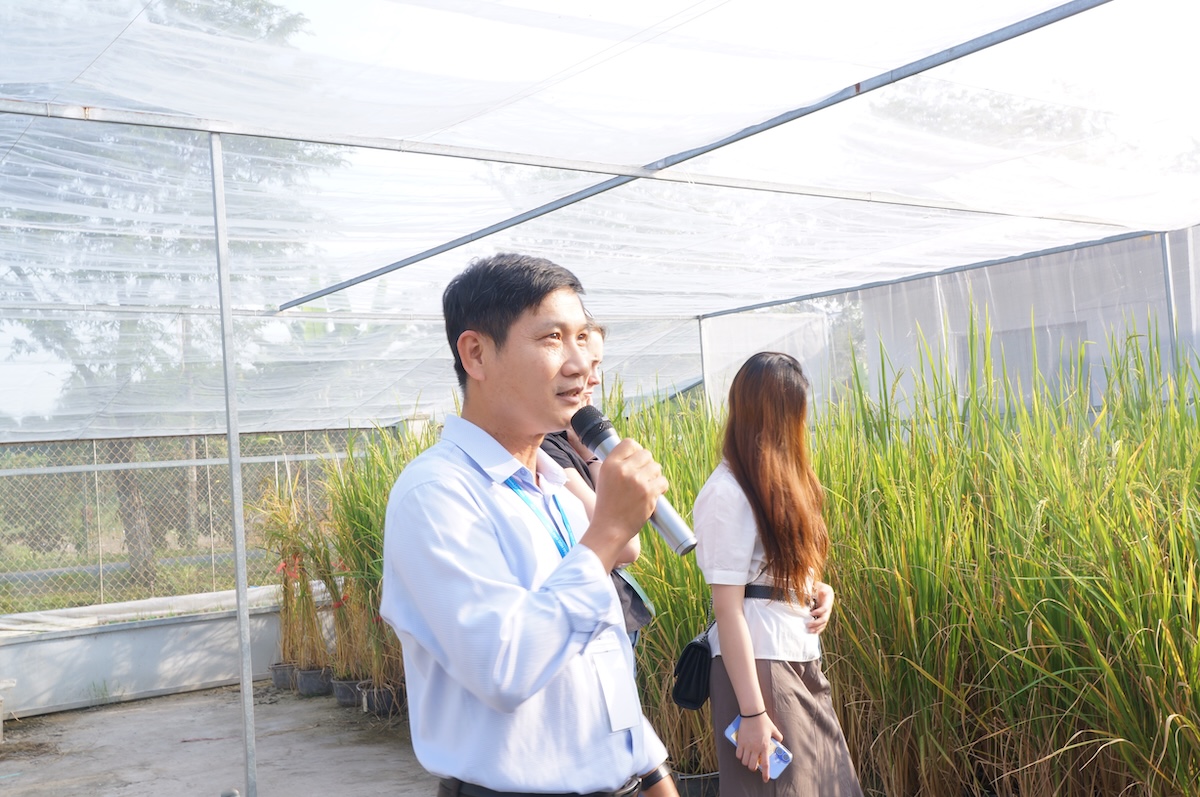
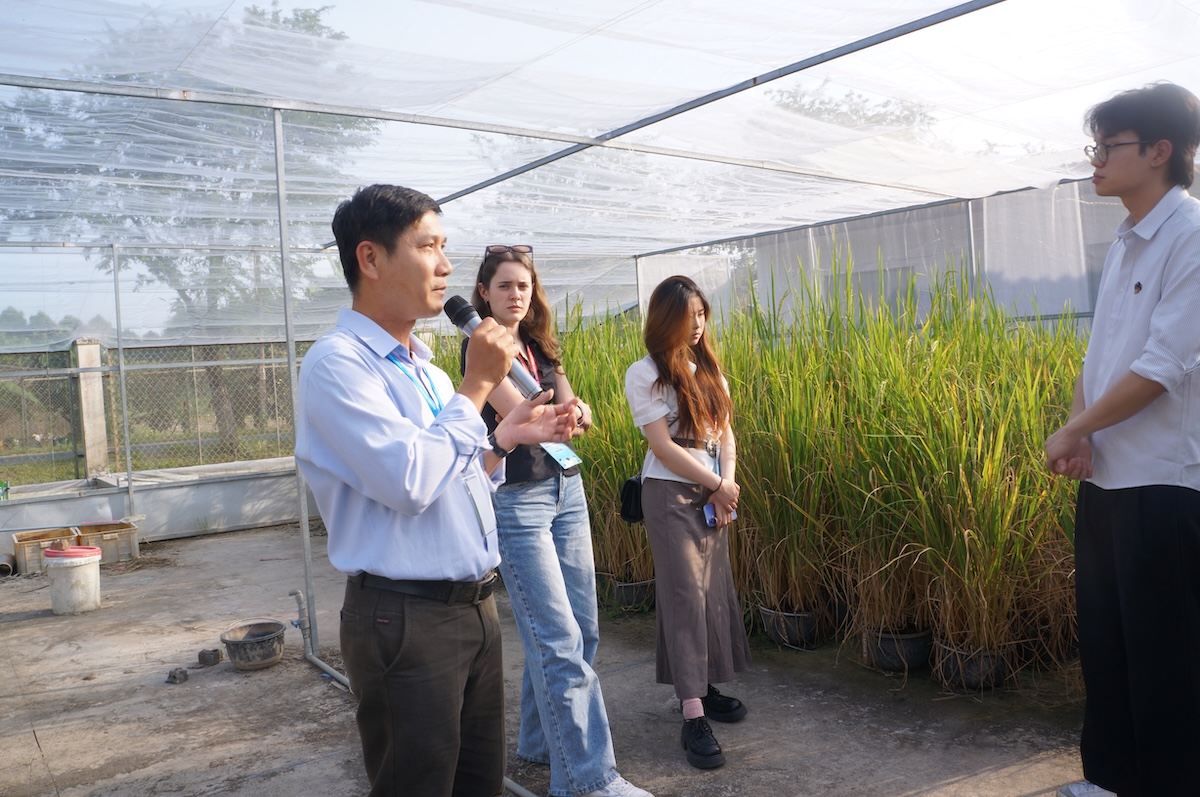
- Visits to experimental rice cultivation models at the Mekong Institute, highlighting the role of science and technology in agricultural adaptation to climate change
The first day’s activities helped students establish a solid knowledge base and analytical framework before engaging in community-based experiential learning.
DAY 2 – 10 January 2026
Community-Based Experience under the Theme “Indigenous Knowledge Exchange and Community Cultural Experience”
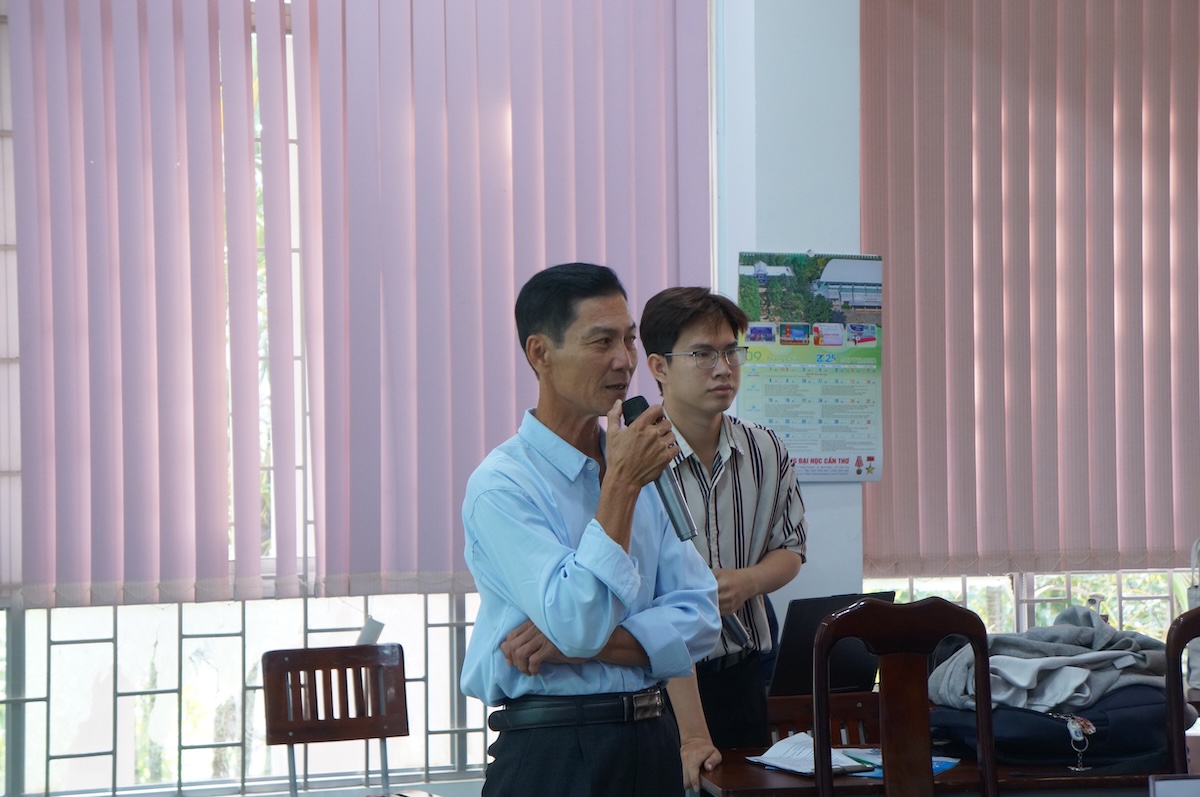
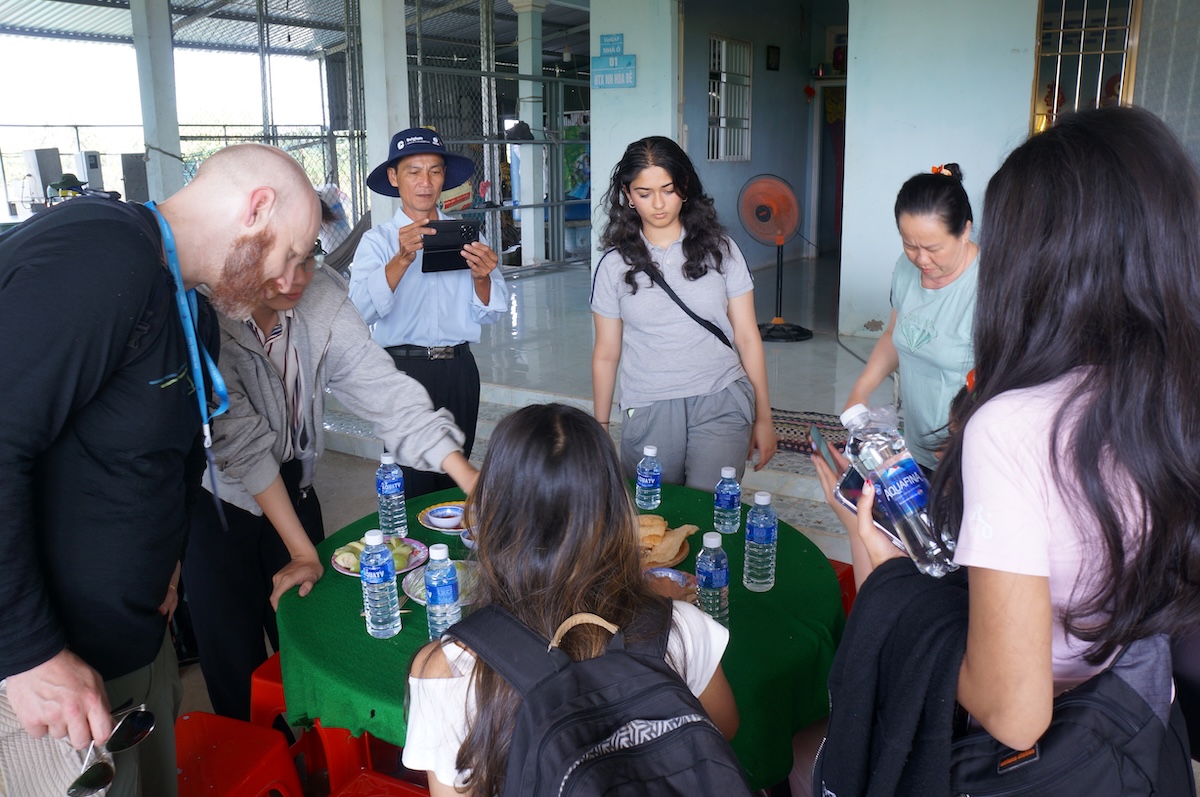
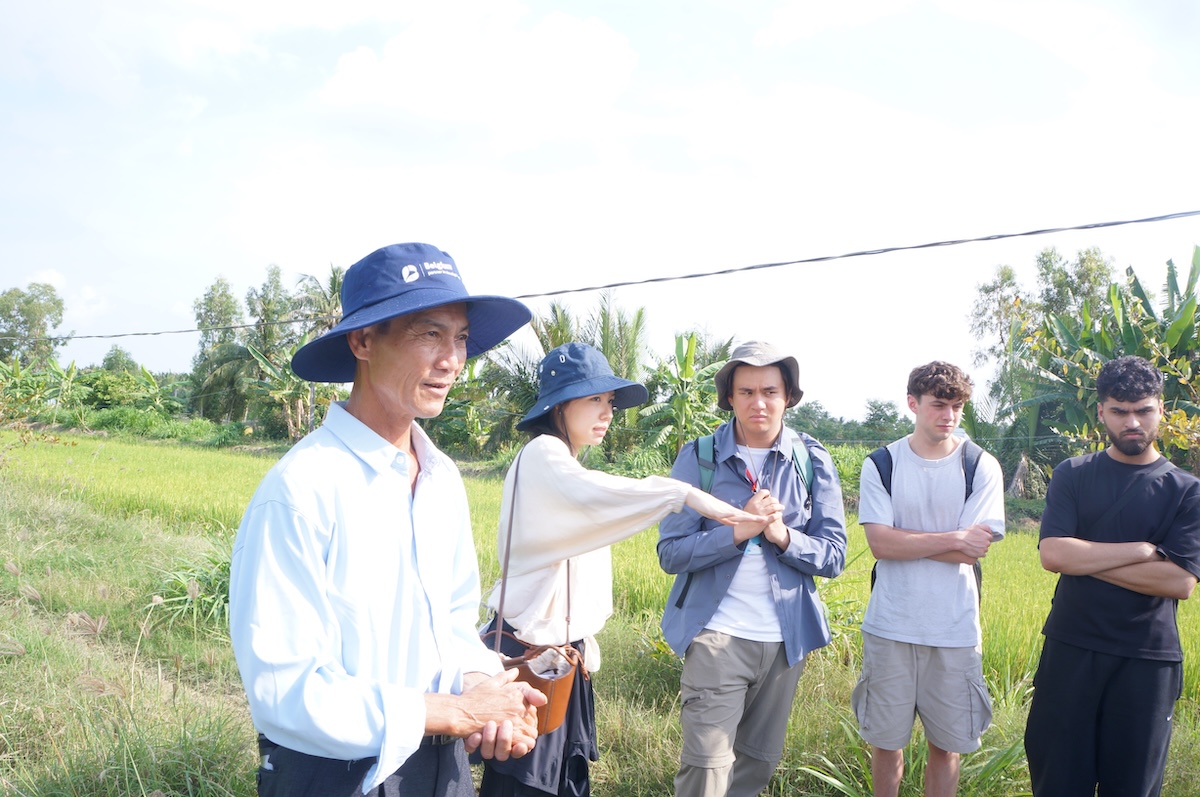
The program continued with hands-on community engagement activities at the Hoa De Agricultural–Fisheries Cooperative, featuring an exchange and discussion session with Mr. Ma Van Hong – Director of the Cooperative, focusing on operational mechanisms, production models, and challenges under climate change conditions.
Students engaged in direct dialogue with local community representatives to explore:
- The role of cooperative models in supporting sustainable livelihoods
- Opportunities and challenges in cooperative operations
- The interlinkages between agricultural–aquaculture production, markets, and climate adaptation
In addition, students:
- Experienced Khmer culture in the Mekong Delta through local cuisine and traditional dance performances
- Visited rice–shrimp, rice–fish, and specialized aquaculture models
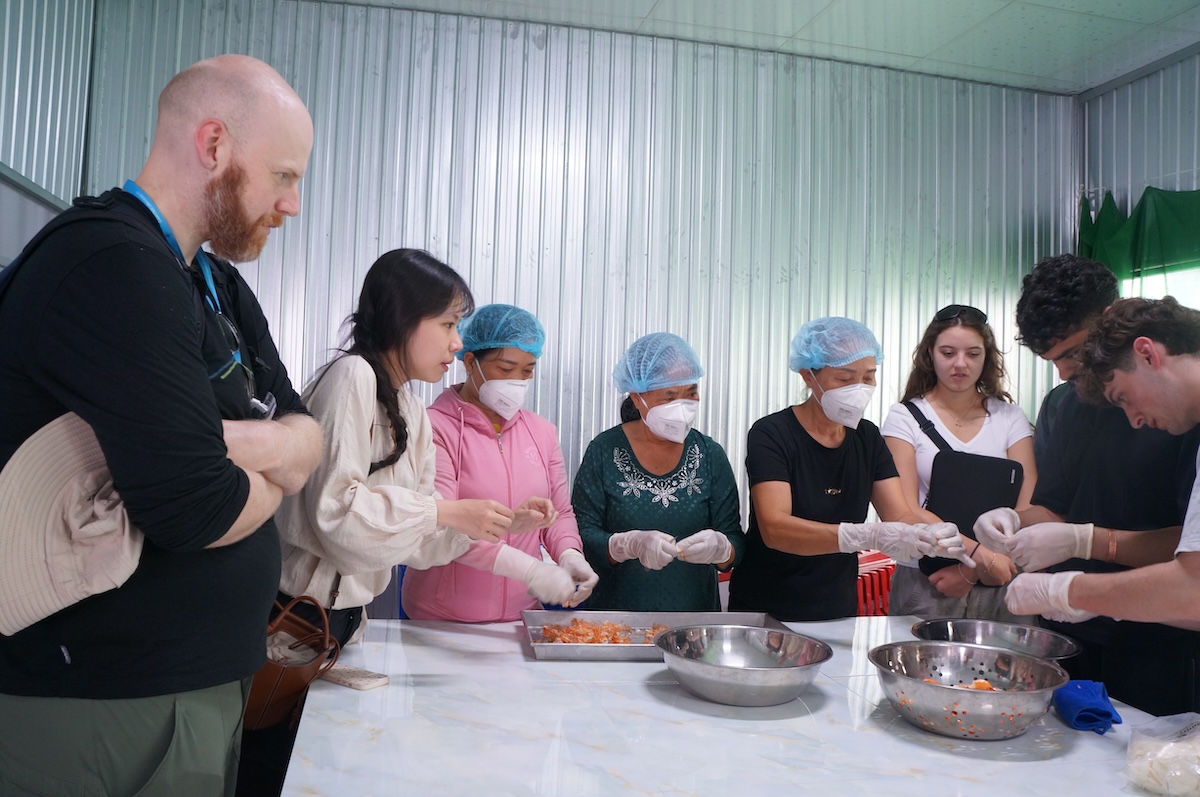
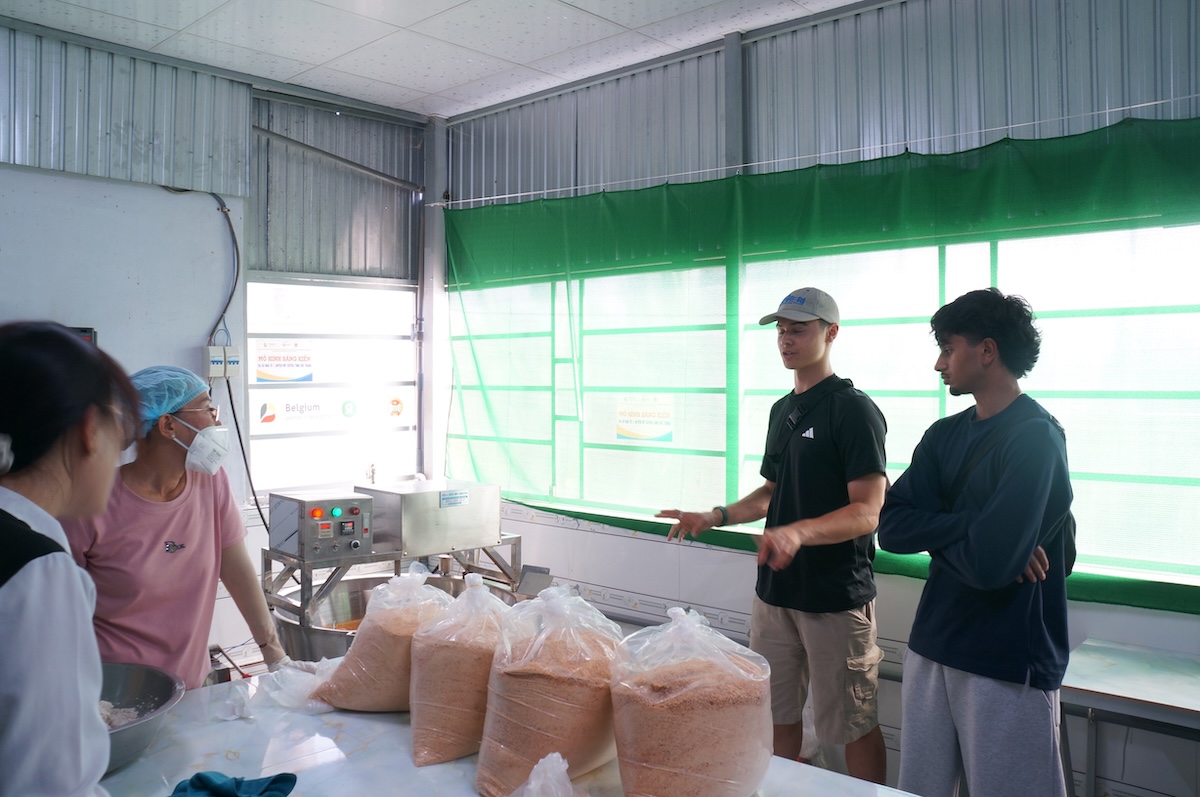
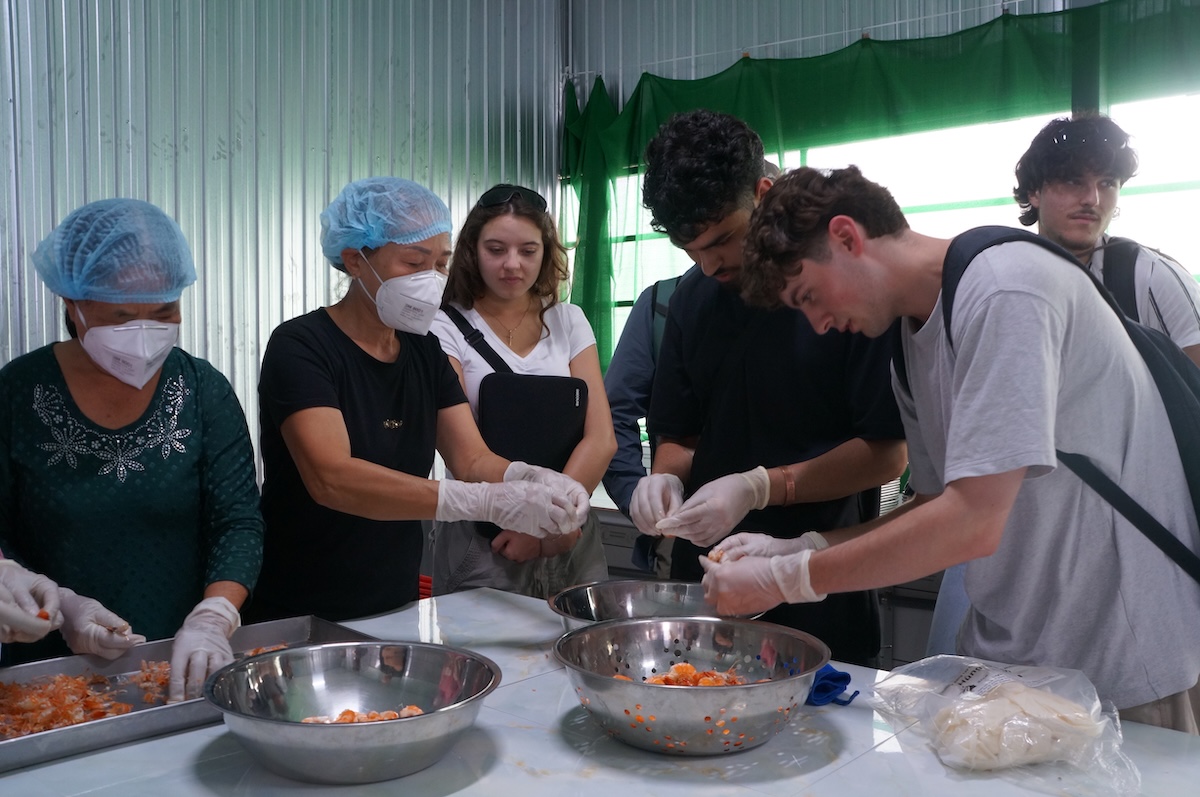
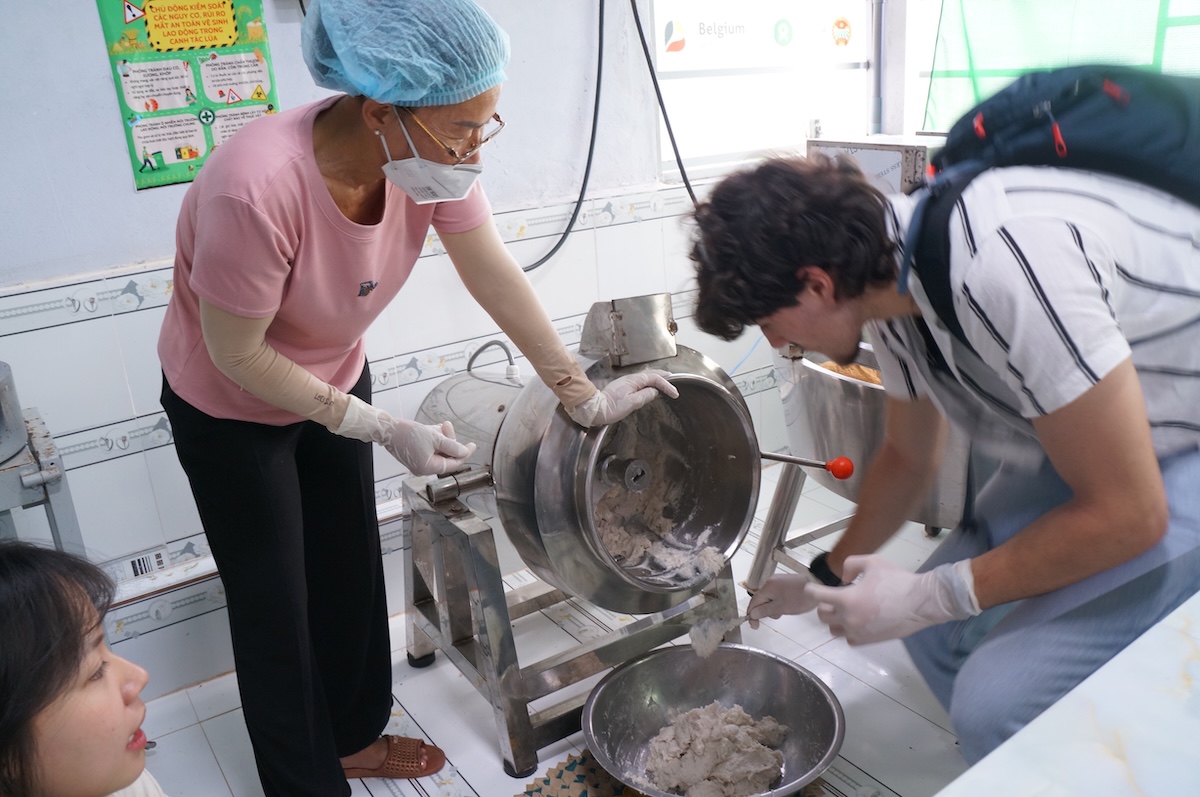
- Learned about agro-aquatic processing practices and OCOP products at the cooperative
The second day’s activities enabled students to directly access indigenous knowledge and gain deeper insights into the role of local communities in responding to climate change.
DAY 3 – 12 January 2026
Thematic Consultation and Program Closing
The final day focused on thematic consultation sessions and the closing and reflection ceremony, providing students with an opportunity to reflect on the entire learning journey, including academic engagement, field-based experiences, and cultural exchange throughout the program.
Students highly appreciated the practical value of Cohort 3, gaining deeper understanding of the vulnerability, adaptive capacity, and creativity of Mekong Delta communities in addressing climate change challenges. The successful implementation of Cohort 3 not only reaffirmed the organizational and coordinating capacity of the Mekong Institute – Can Tho University, but also strengthened mutual trust, long-term partnership, and collaboration among participating partners, faculty members, and students within the GIG Program.