
On 12 September 2025, the leadership of the Mekong Institute, together with core experts and staff, convened a significant discussion on the development of a spatial planning strategy to advance green and sustainable transformation. The dialogue emphasized leveraging existing infrastructure and resources, alongside the commitment and support of the Institute’s strategic partners.
The leadership and experts unanimously endorsed a collective call to mobilize the participation of all staff and members of the Institute in shaping the vision for a Science Hub at the Mekong Institute. This initiative will be implemented in two phases: Phase 1 (2025–2027) and Phase 2 (2027–2030), with three principal spatial components envisioned.
Phase 1 (2025–2027): Upgrading and renovating existing spaces by capitalizing on institutional strengths and available resources
This phase prioritizes maintenance and enhancement of internal spaces within the Institute’s buildings through two major complexes:
- The Creative Education and Training Hub, designed to showcase and revive the cultural heritage of rice-based livelihoods in the Mekong Delta, while creating environmentally friendly, green, and flexible workspaces that maximize natural lighting and enable multi-purpose use.
- The Demonstration Complex of Agricultural Systems, featuring models of intensive rice farming, intercropping, and crop rotation, alongside other major farming systems of the region. This complex will simulate miniature agro-ecosystems of the Delta and integrate circular soil–water management systems, resource-efficient storage and water infrastructure, and experimental applications of smart farming technologies powered by clean energy.
Phase 2 (2027–2030): Expanding and completing integrated green and sustainable spaces
In this phase, the Institute plans to establish an Innovation and Green Transition Park as an open space that incorporates natural features and landscapes, complemented by outdoor learning, recreation, and community areas. The park will be equipped with renewable energy infrastructure such as rooftop solar systems with storage batteries for public lighting, smart water collection and management systems, electric vehicle charging stations, and other facilities to support a full transition to green energy. Additionally, a Creative Innovation Pathway will be developed within the park to showcase advanced, high-impact scientific and technological solutions for green transition, serving as both a community outreach platform and a source of inspiration for new ideas and innovations emerging from Can Tho University’s “green mosaic.”
This spatial development strategy not only advances the Mekong Institute’s vision for green transformation and sustainable growth but also demonstrates its alignment with Can Tho University’s broader future-oriented agenda. With the University’s support, the Mekong Institute is confident that these spaces will unlock its full potential, enabling tangible contributions in critical areas such as international integration in a changing context, national energy security, and breakthroughs in education and training. Ultimately, the initiative is expected to serve as a pioneering model in the Mekong Delta and a flagship example within the Greater Mekong Subregion.
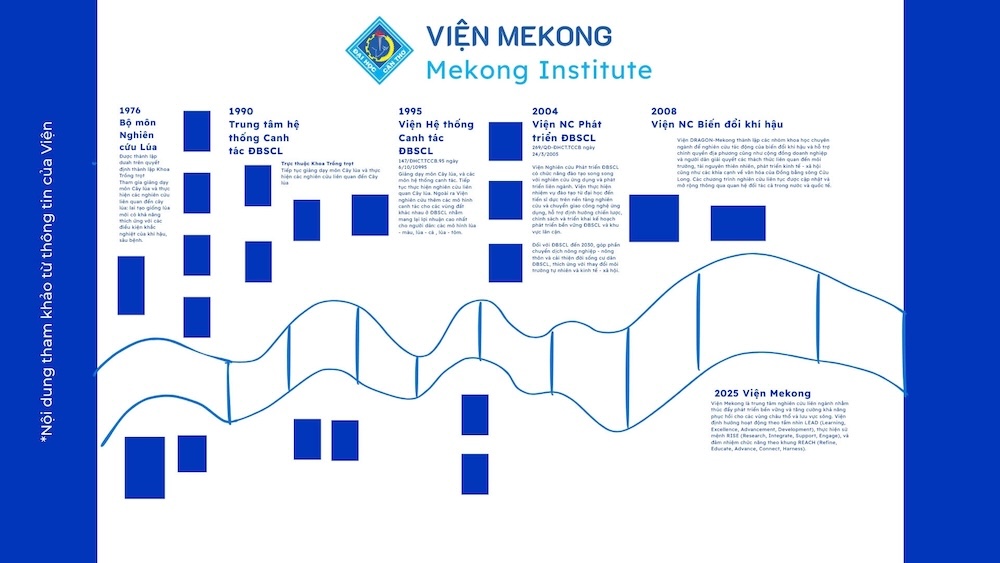
Proposal for a Mekong Institute Historical Overview Space
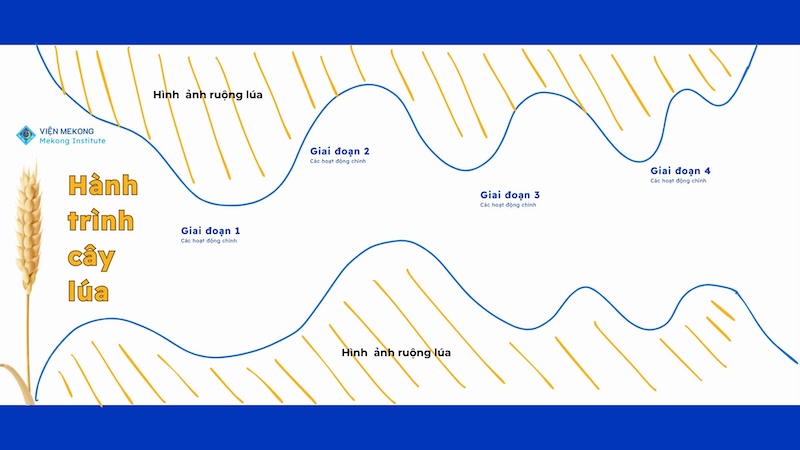
Proposal for a Mekong Delta Wet Rice Culture Space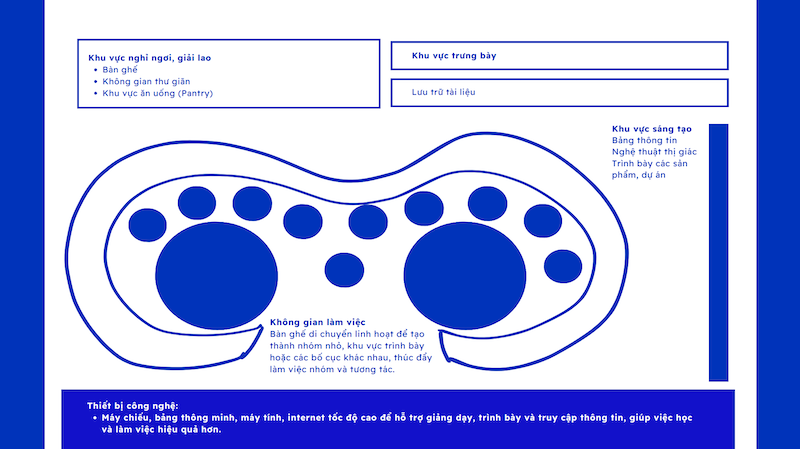
Proposal for a Creative Office Space
Proposal for a Farming Systems Demonstration Space
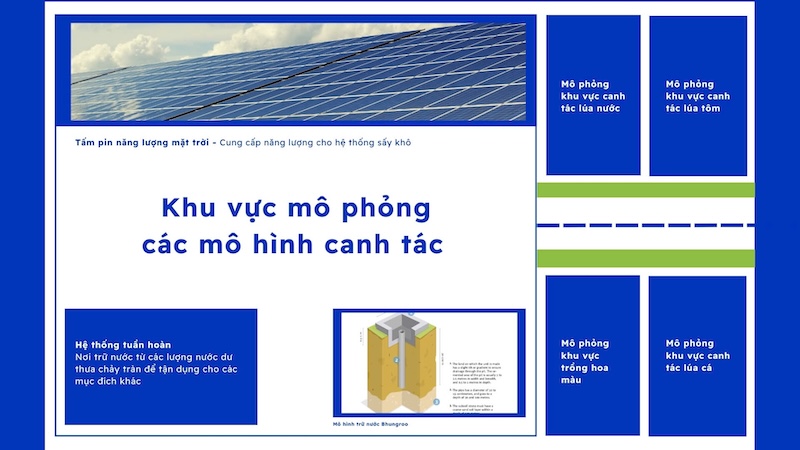
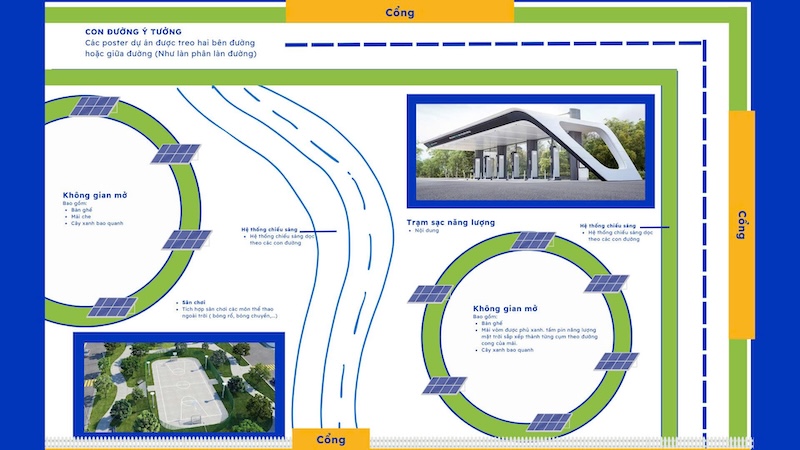
Proposal for an Innovation Park Space
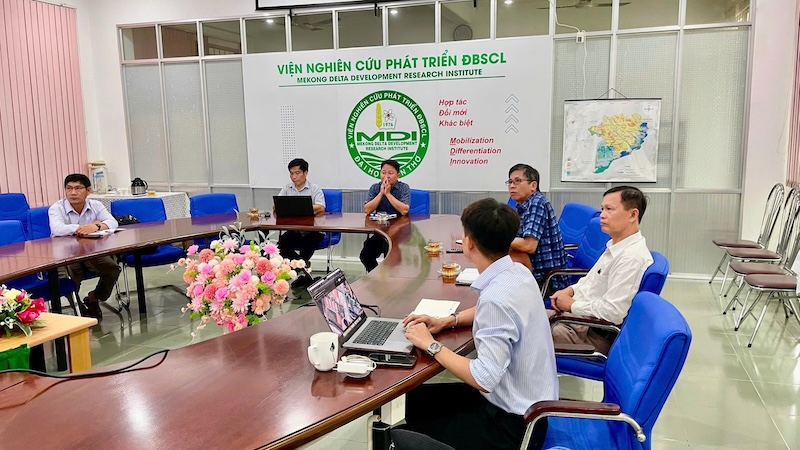
Overview of the Meeting