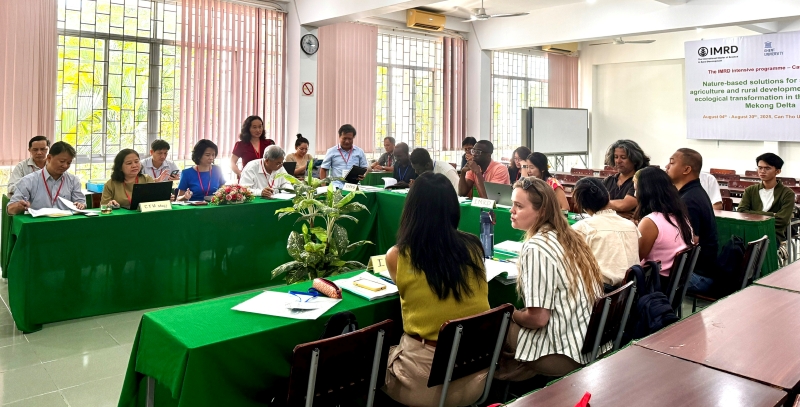
On August 29, 2025, the Mekong Institute, Can Tho University successfully organized the closing ceremony of the “Case Study Research” course for international Master’s students in Rural Development (International Master of Science in Rural Development - IMRD). The course was conducted within the framework of the annual academic cooperation among universities in the IMRD network, coordinated by Ghent University, Kingdom of Belgium. The 2025 course welcomed 10 students from 10 different countries (Angola, Ecuador, Republic of Korea, Kenya, Mexico, the United States, Peru, the Philippines, Uganda, and Viet Nam). The course was designed as a four-week program, taking place from August 5 to August 29, 2025, under the theme “Nature-based Solutions for Sustainable Agriculture and Rural Development in the Context of Socio-ecological Transformation in the Mekong Delta.”
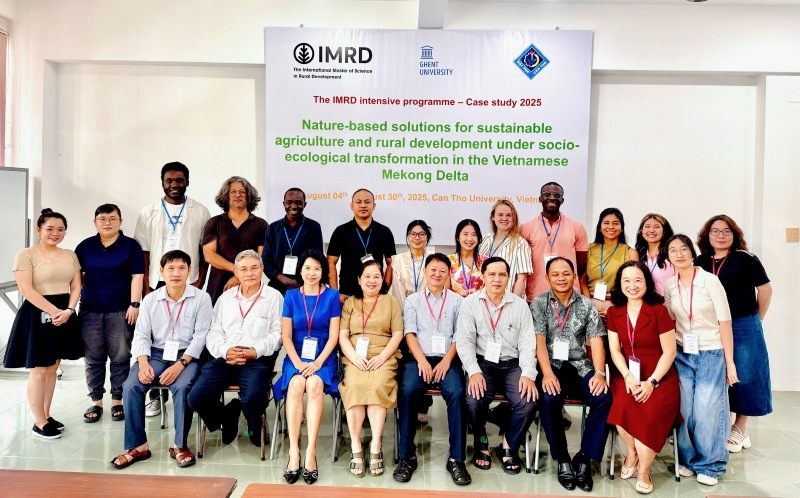
Participants at the opening ceremony
Over the four-week period, the program comprised in-depth lectures delivered by experts from the Mekong Institute, Can Tho University. The core topics covered included:
- Socio-ecological transformation in the Mekong Delta
- Nature-based Solutions (NbS) for rural livelihood development
- Food security and transboundary water resources management
- Gender equality in rural development
- Drivers and analytical frameworks for sustainable agricultural transformation
- Participatory research approaches in rural development
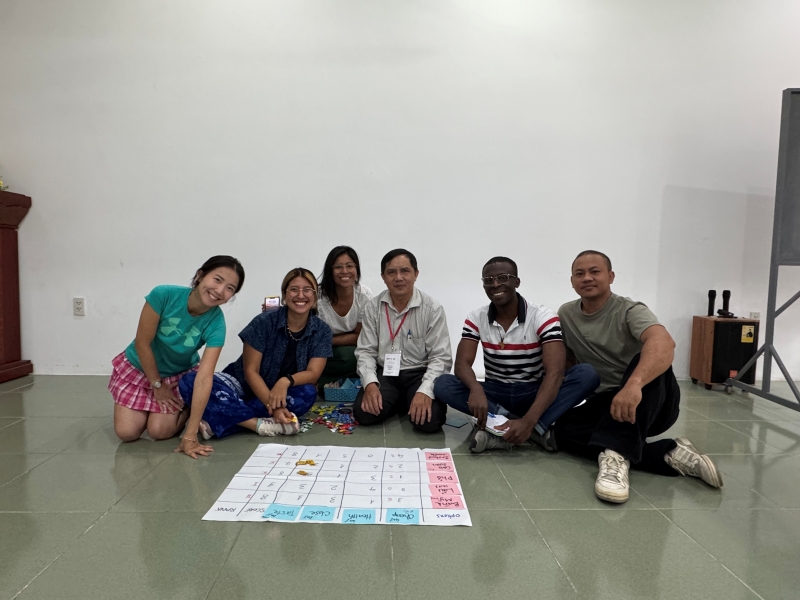
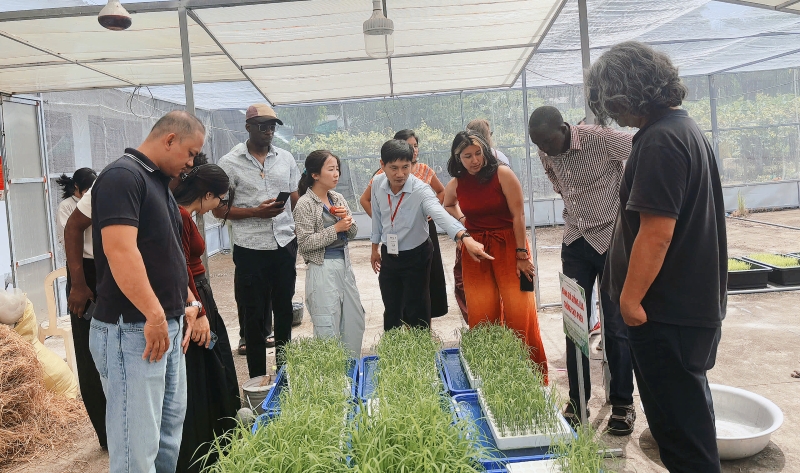
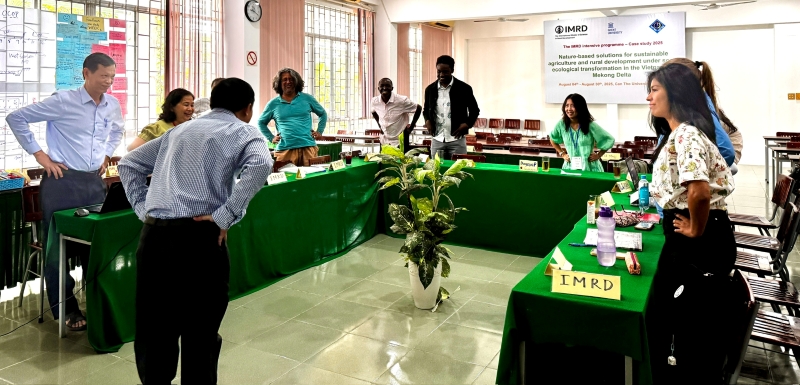
Classroom activities
In addition, stu”dents were required to share their countries’ experiences in agricultural and rural development within the context of socio-ecological transformation, creating opportunities for mutual learning. All participants agreed that this exchange was highly valuable, as it helped broaden their perspectives on rural development across different contexts and stages of sustainable transformation. As one participant remarked, “It was a great session as it offered opportunity to learn more about my classmate countries’s contexts.

Student presentations on their countries
The third week marked a key highlight of the course, as the group conducted field studies in Trung Hiep and Hoa Minh communes, Vinh Long Province. During the fieldwork, students had the opportunity to apply rural development theories and participatory research methods learned in class through interviews with local authorities and key informants, community group discussions, direct interviews with farming households, and field observations. In addition, the students also had opportunities to experience recreational activities and engage in cultural exchange with local rural communities.
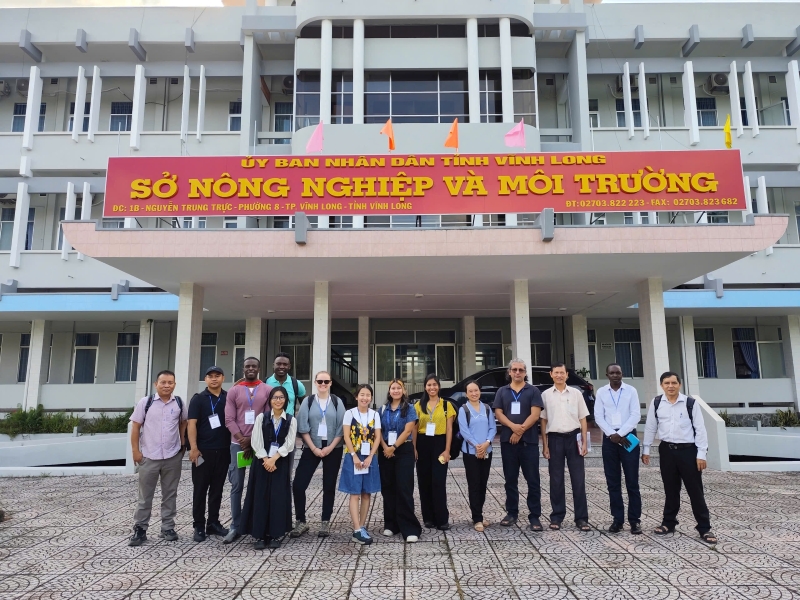
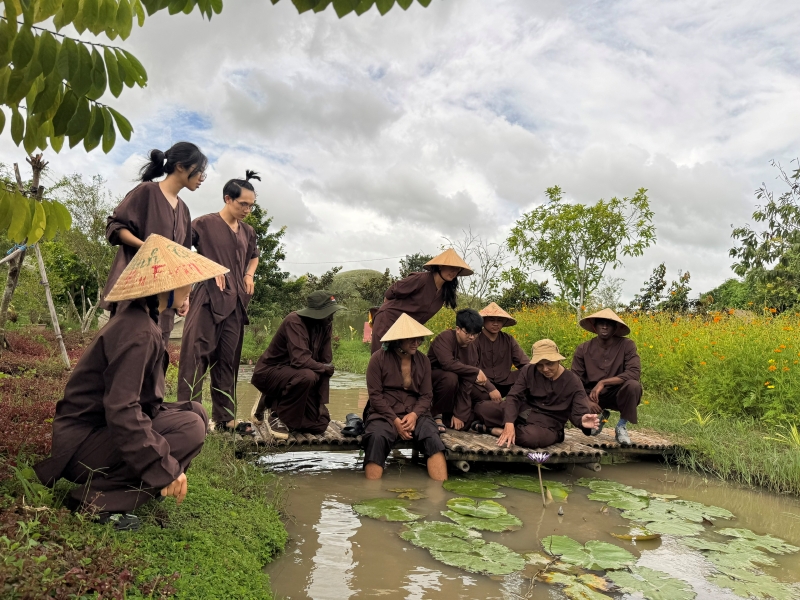
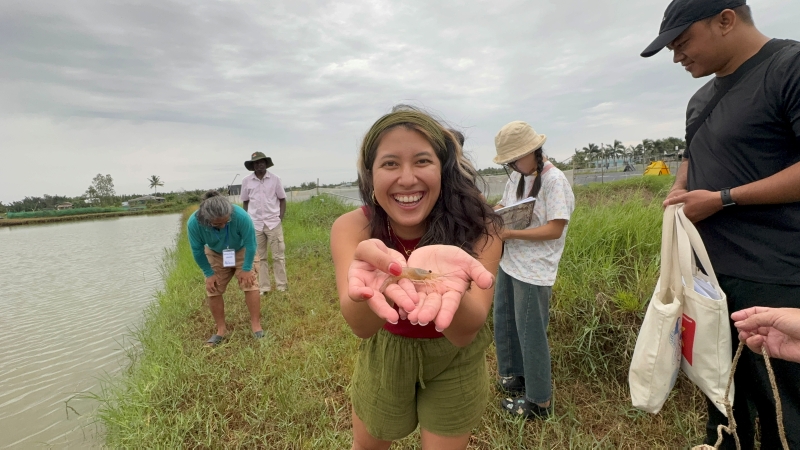
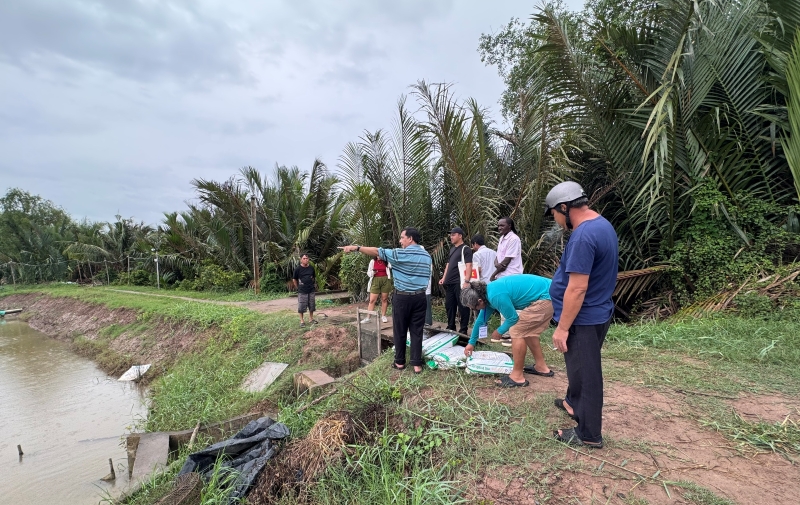
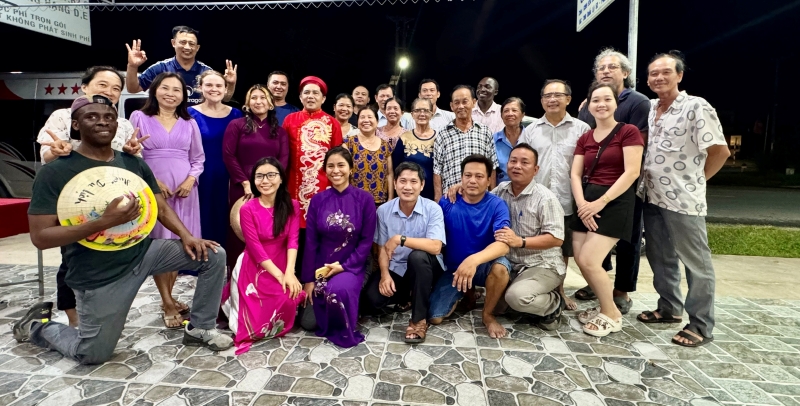
Cultural exchange activities in Tra Vinh
At the closing ceremony, students shared their “once-in-a-lifetime” experiences and highly appreciated the outcomes achieved, encompassing not only academic knowledge but also the culture and people of Viet Nam during their one-month study period in Can Tho. As one student shared: “I feel so lucky such experience was given during my master’s year. I am surprised by all thenowledge I obtained during this short time period and I would love to adapt this skills to the field. Thank you again for your hard work & preparation so that we can learn & enjoy the m kost while we are here.”
📍 Although the course has concluded, its lasting impact lies in the values of connection it fostered, connections between students and local communities, between knowledge and action, and between international cooperation and local development.