January 2026 marked a dynamic series of cooperative activities between Vietnam and the Netherlands, reflecting a shared commitment to building a resilient and sustainable Mekong Delta in the face of increasing salinity intrusion.
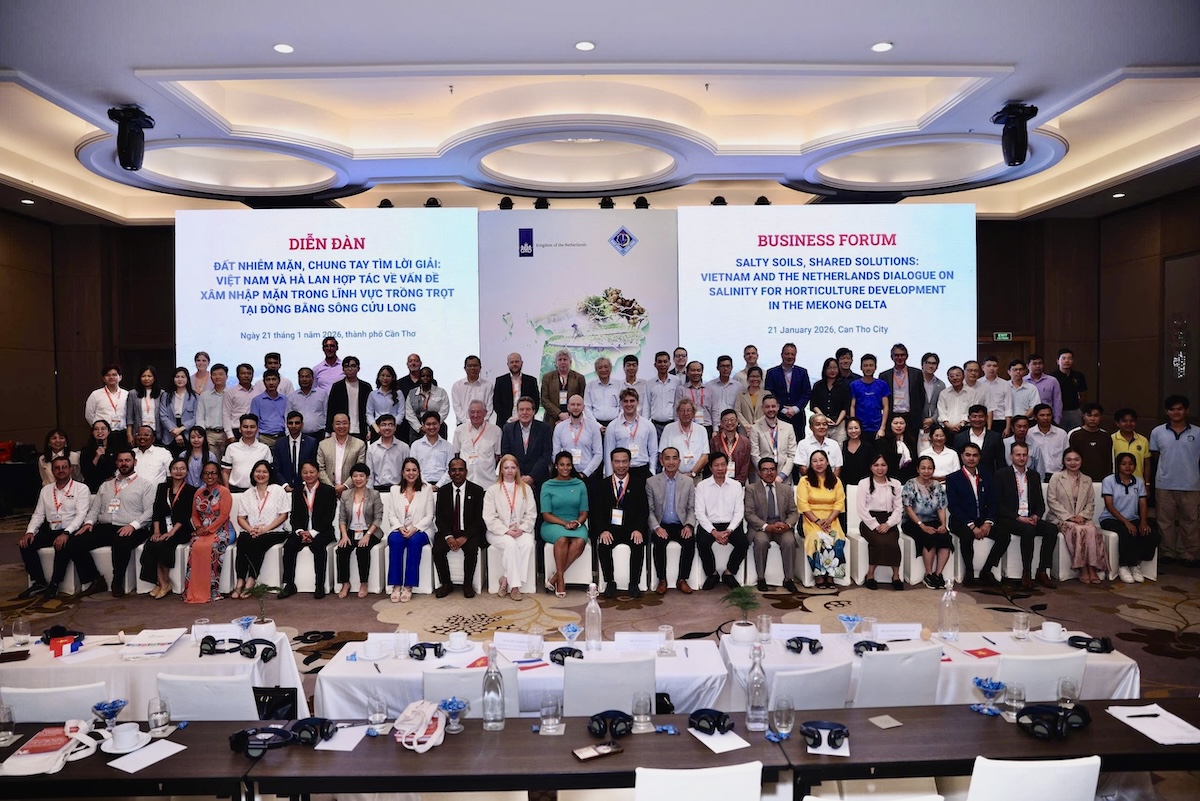
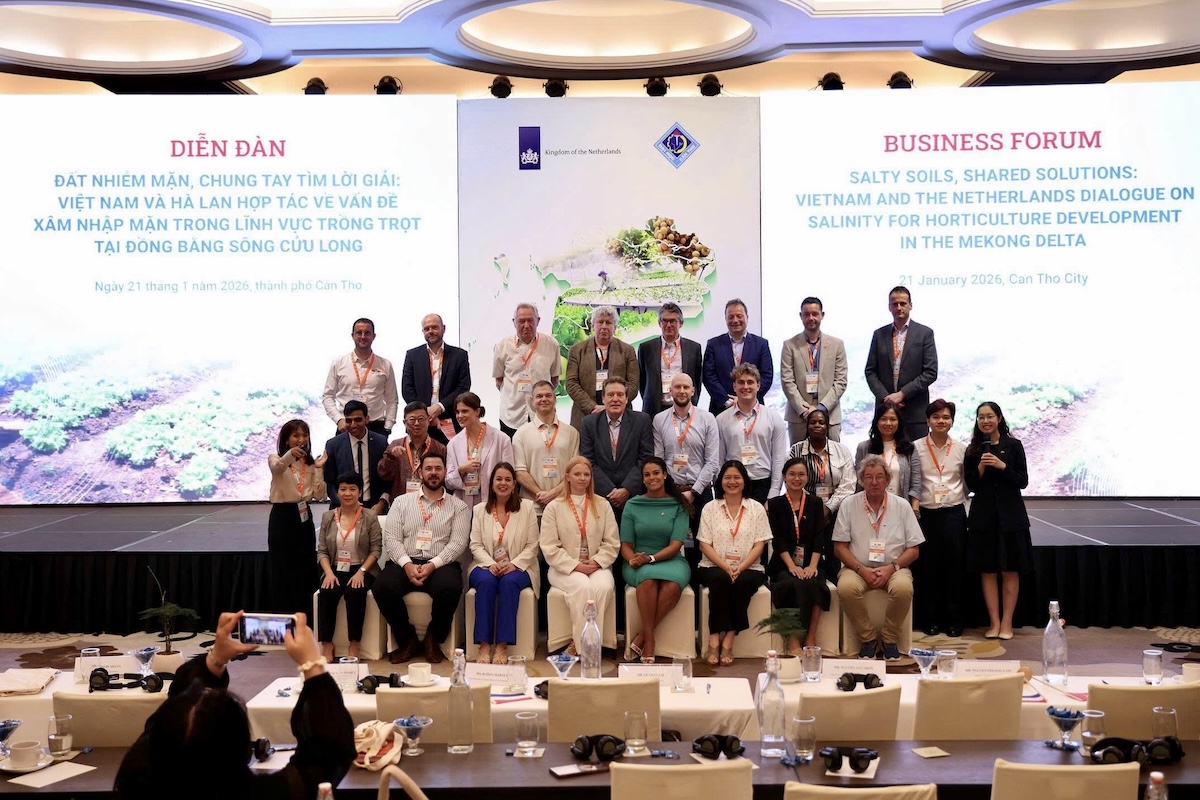
From January 20 to 21, 2026, the Mekong Institute of Can Tho University, in collaboration with the Embassy of the Kingdom of the Netherlands in Vietnam, organized an international forum entitled “Salty Soils, Shared Solutions: Vietnam and the Netherlands Dialogue on Salinity for horticulture development in the Mekong Delta”.
The Forum aimed to promote cooperation and strengthen the exchange of innovative solutions and technical knowledge among universities, research institutes, and enterprises from Vietnam and the Netherlands, towards developing an integrated approach to mitigate the impacts of salinity intrusion on the horticulture sector in the Mekong Delta.
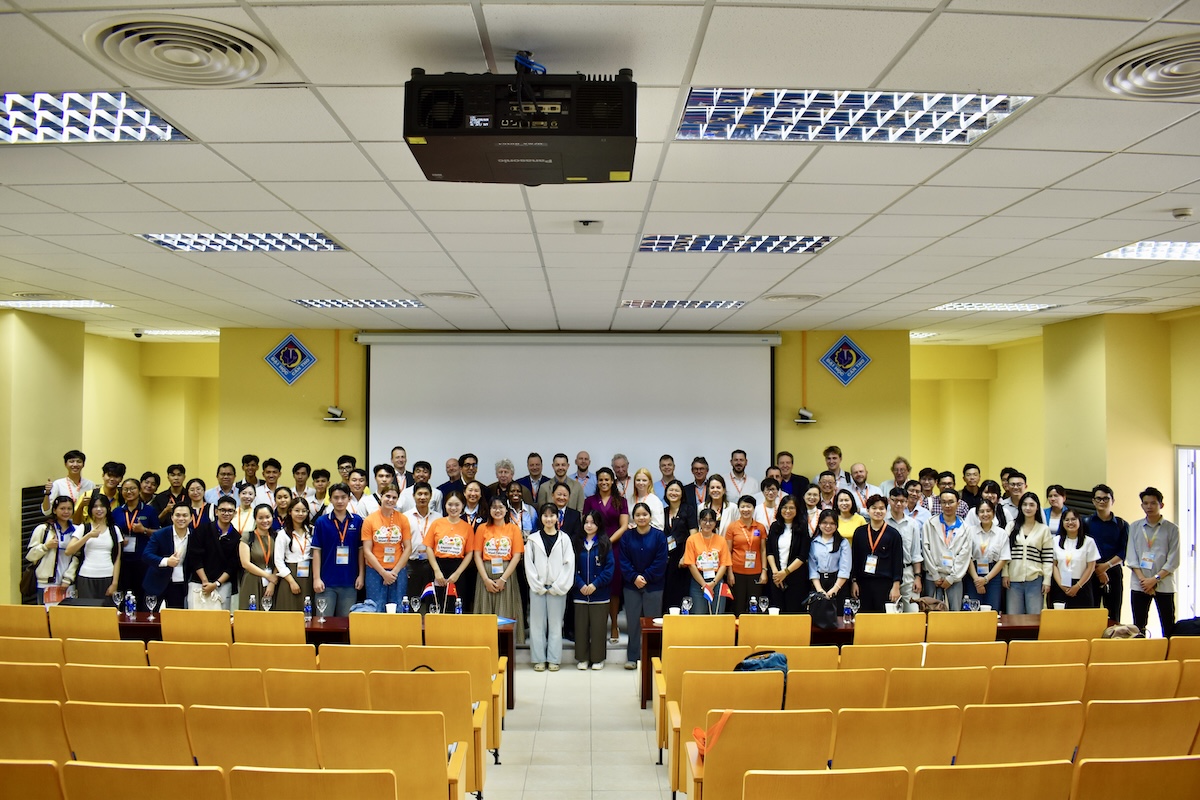
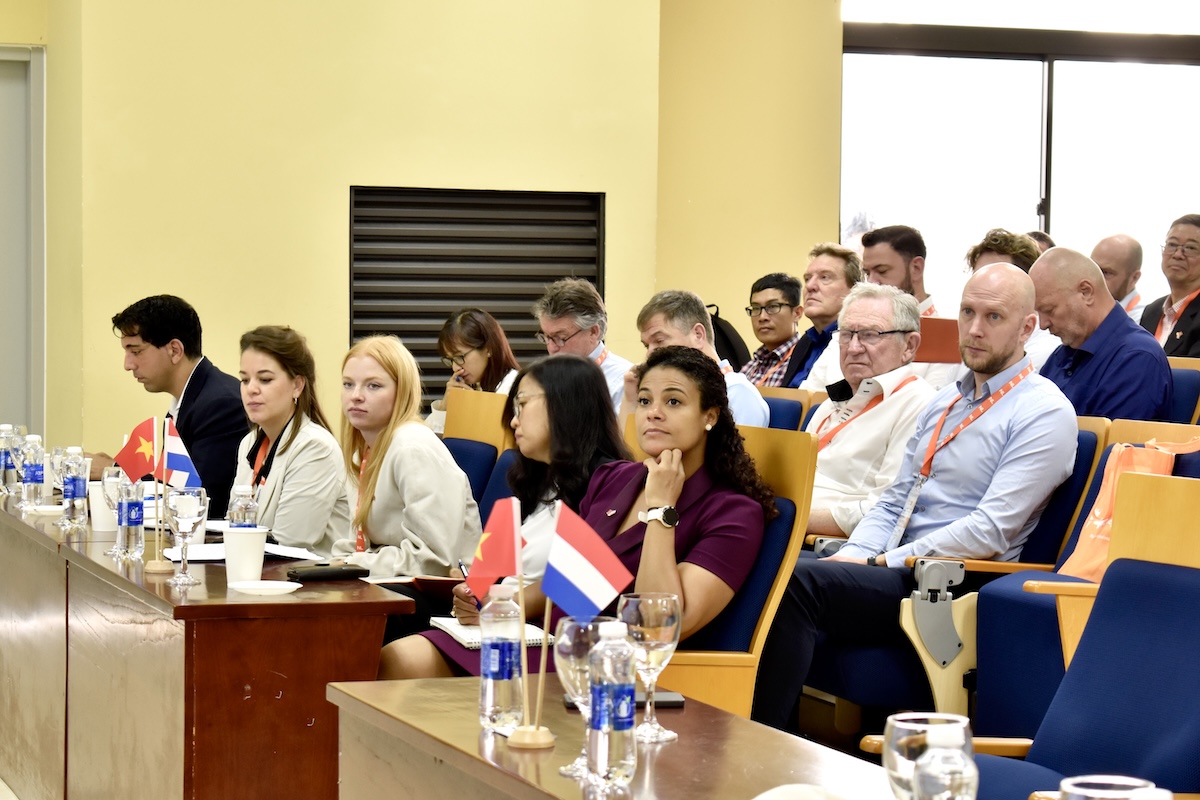
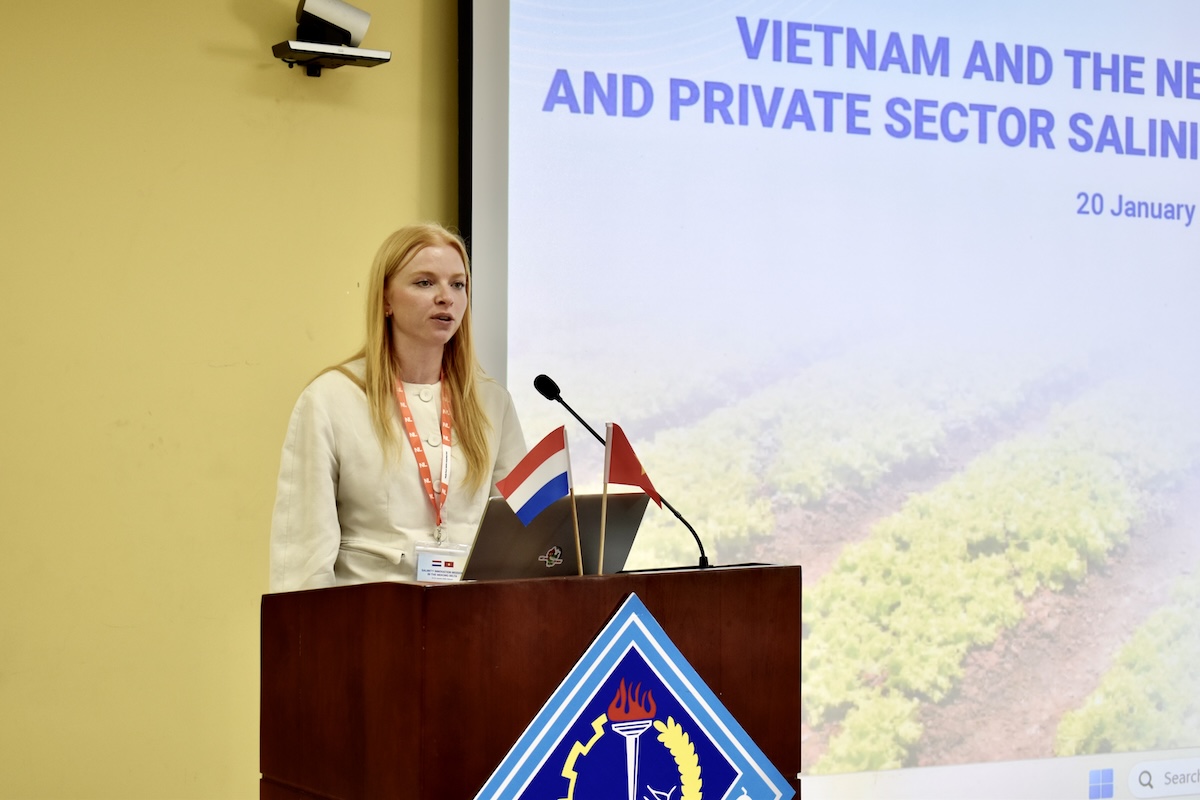
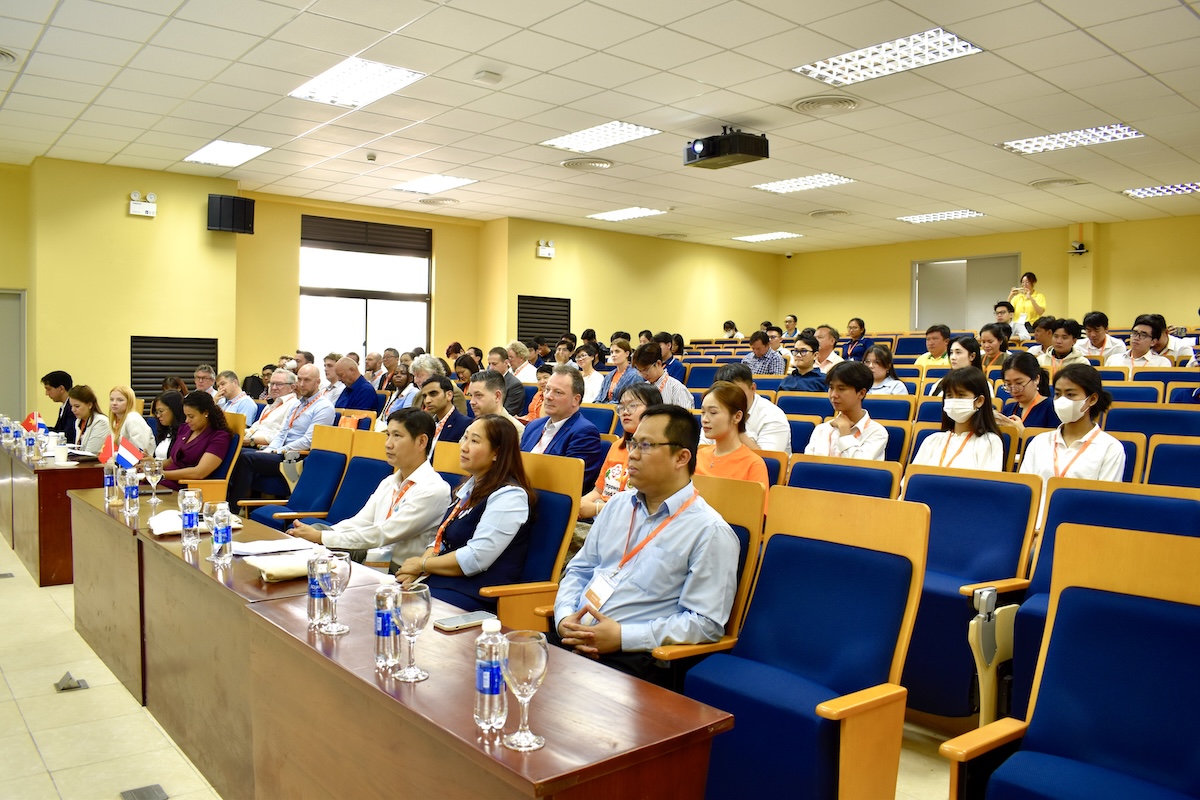
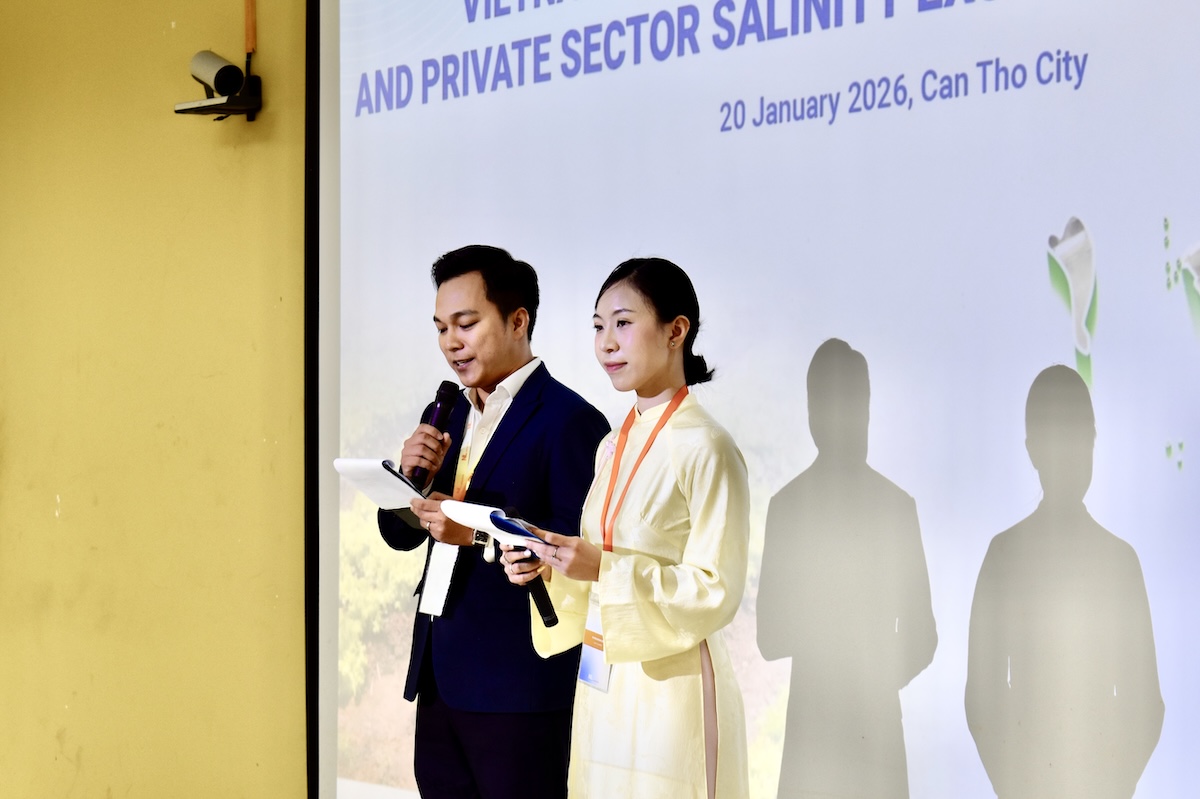
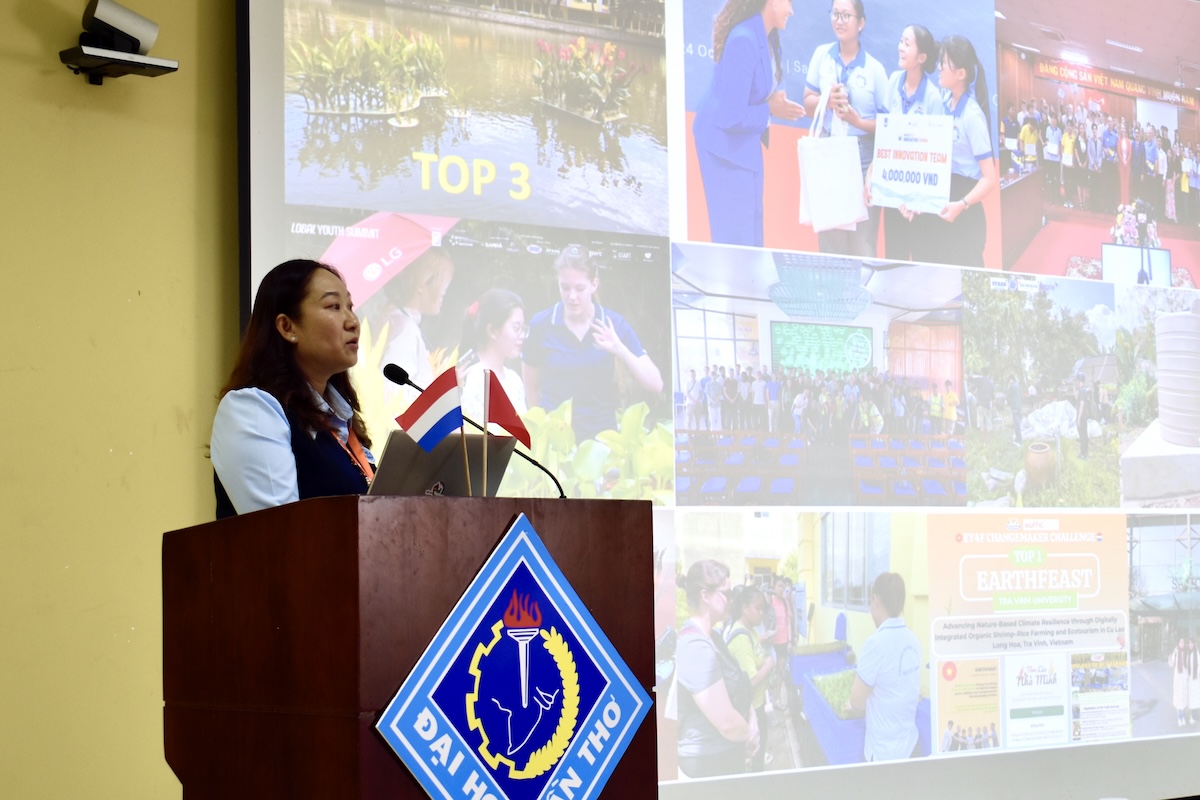
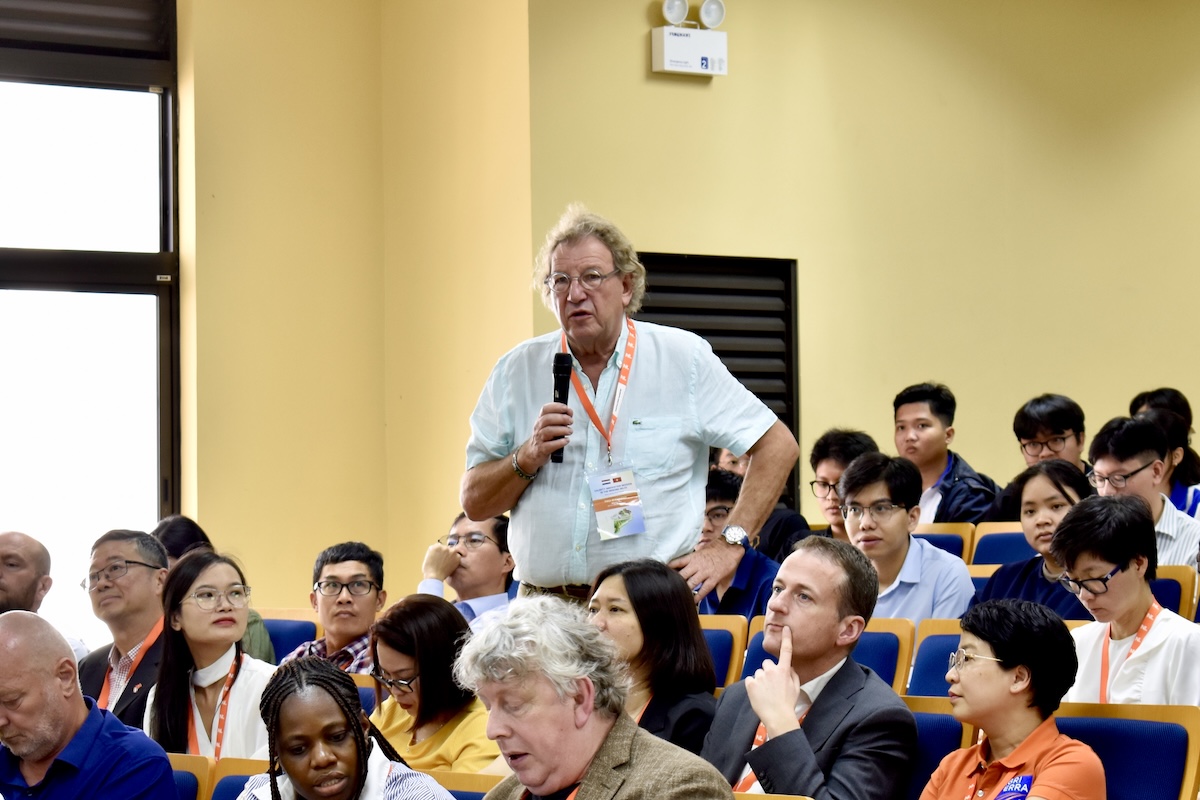
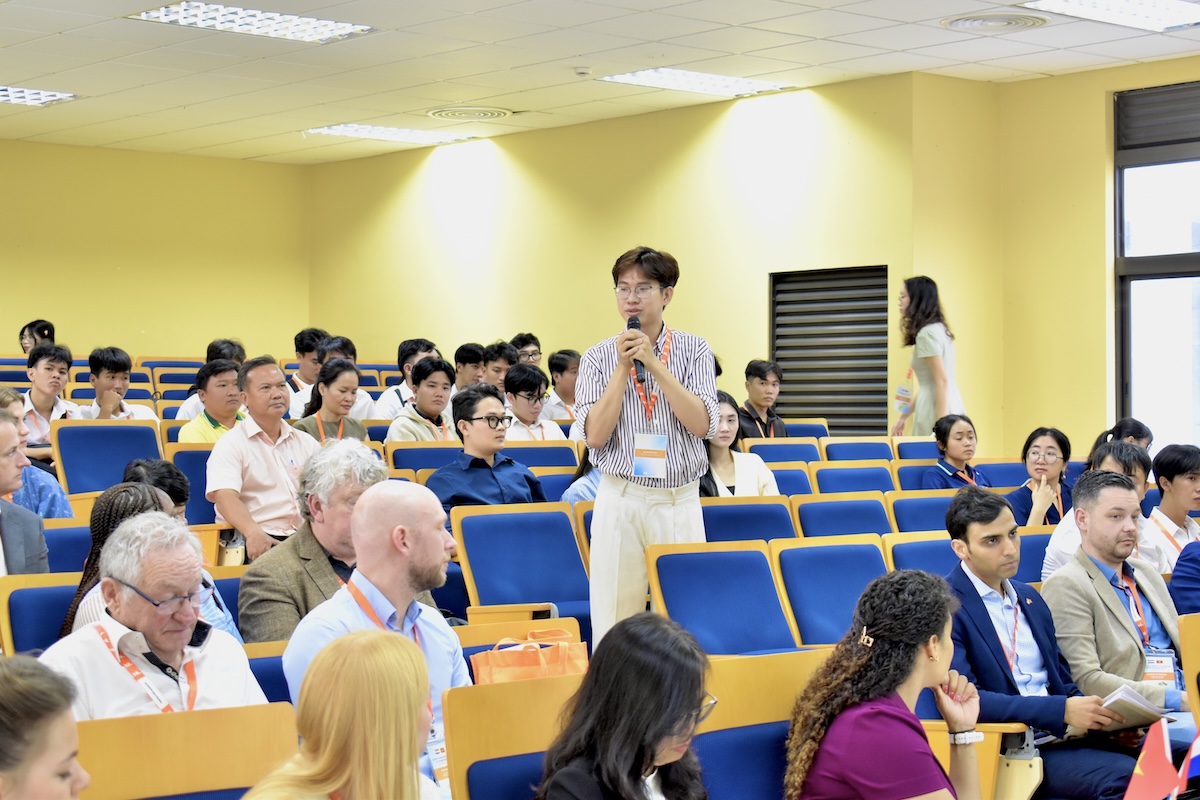
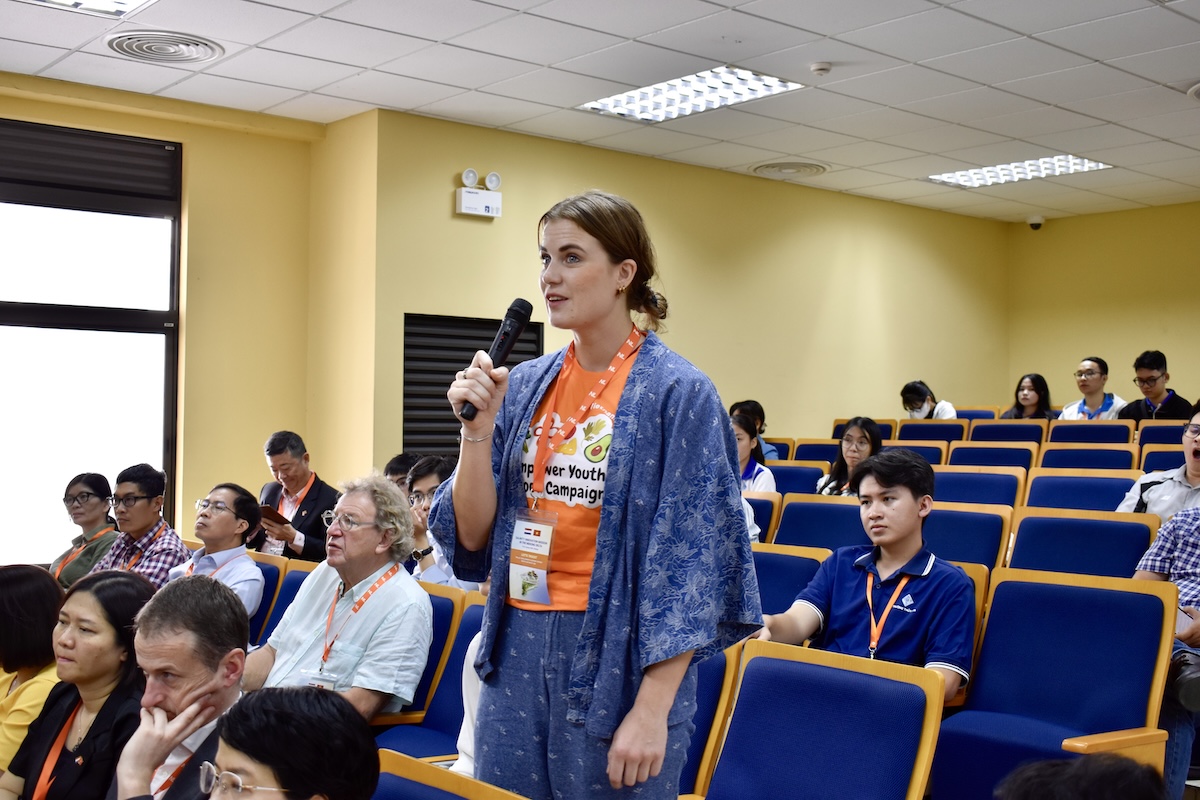
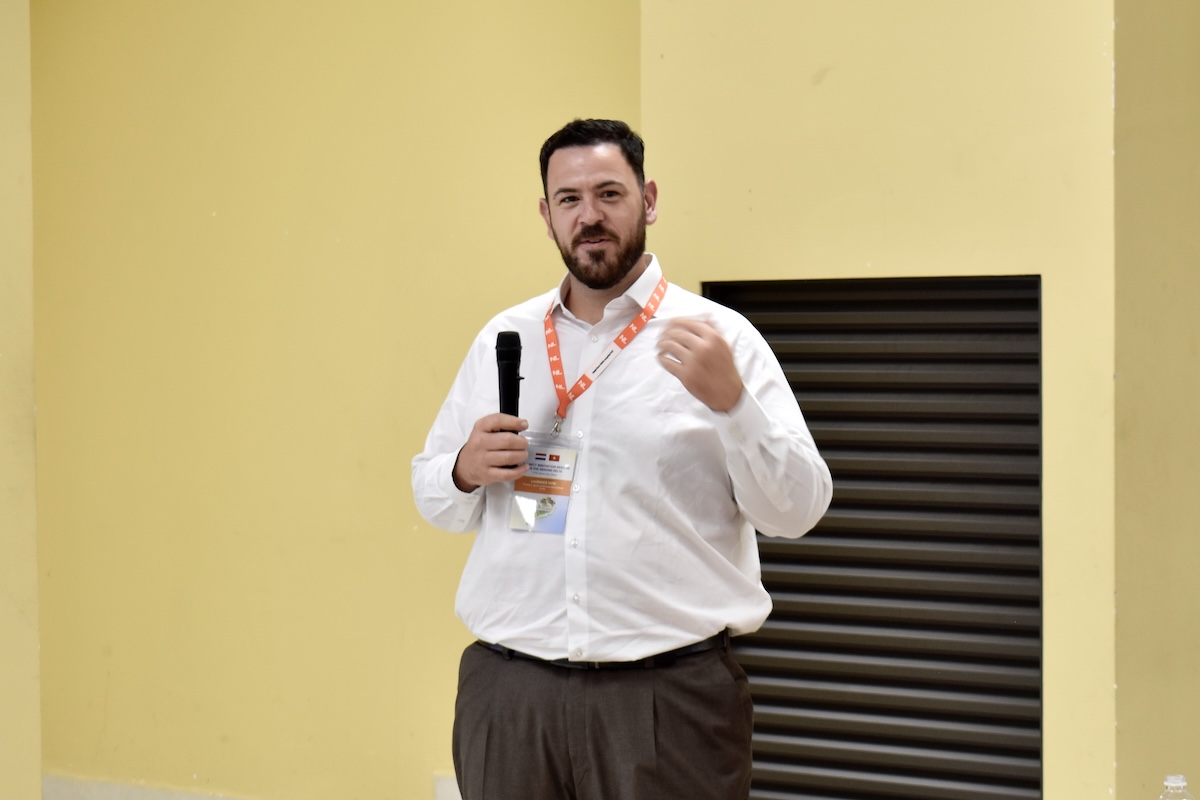
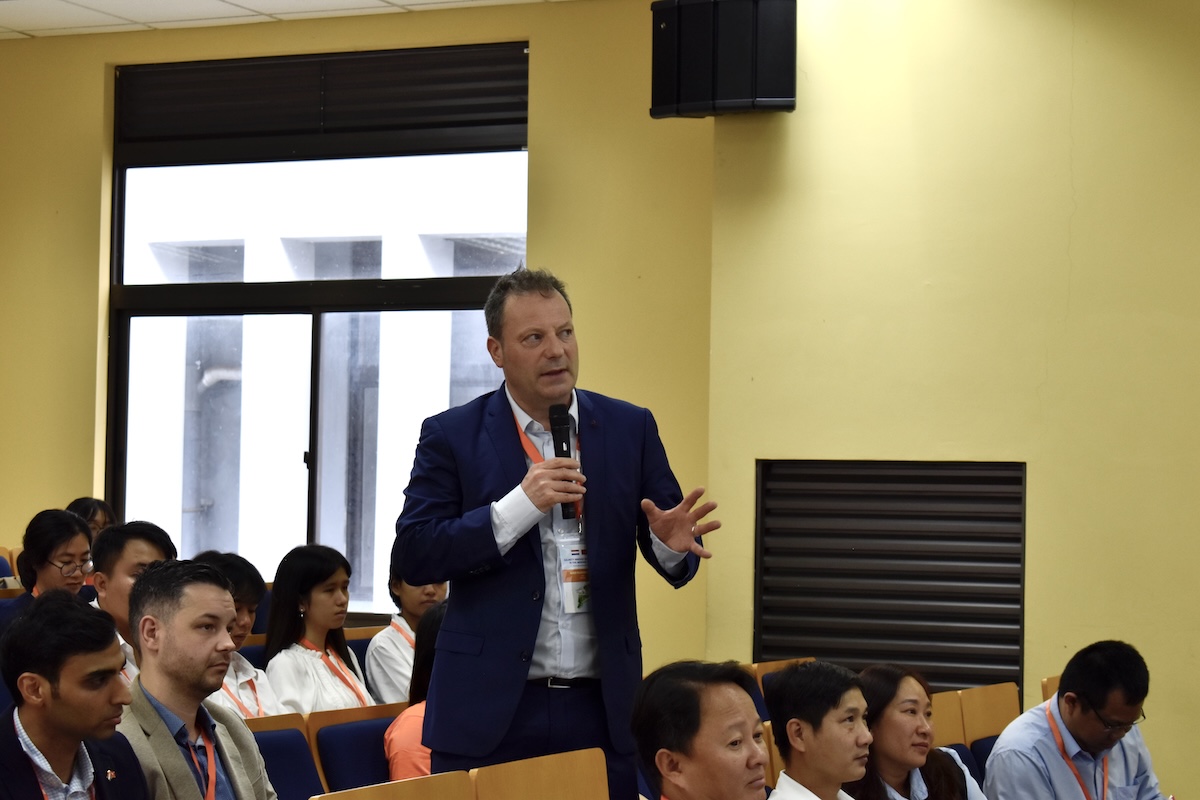
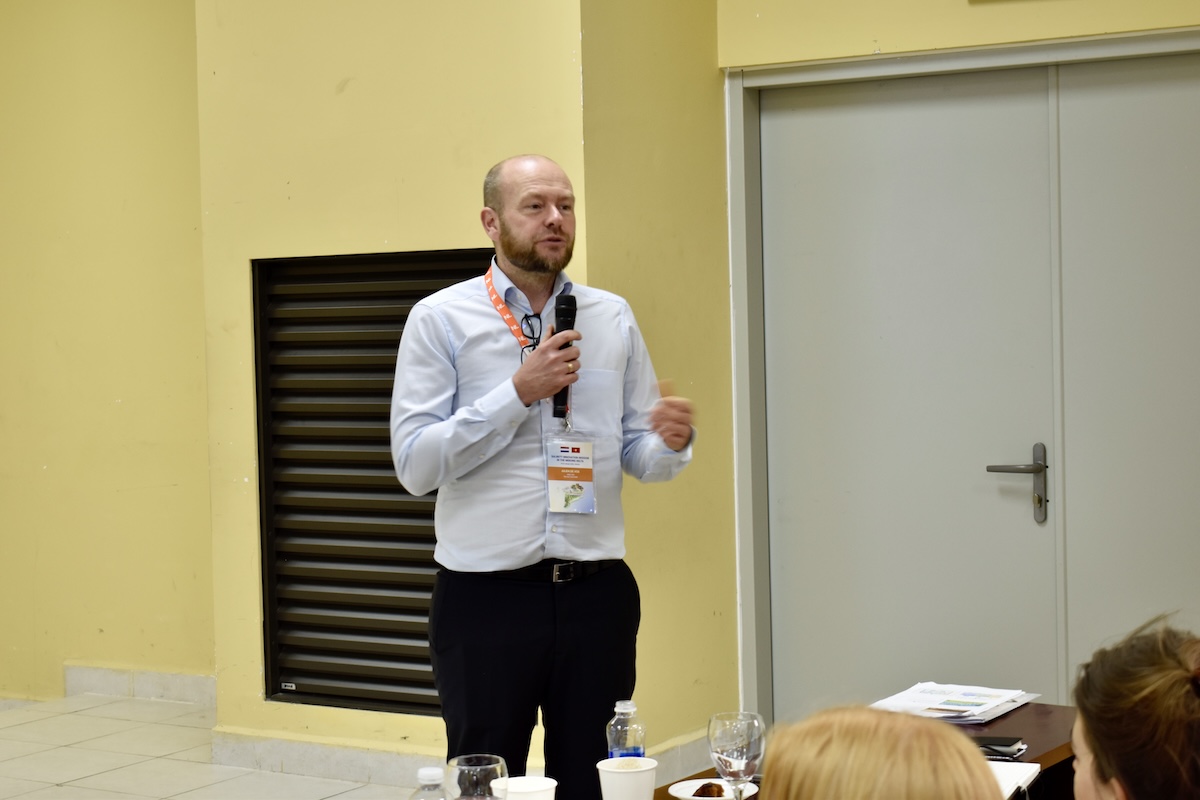
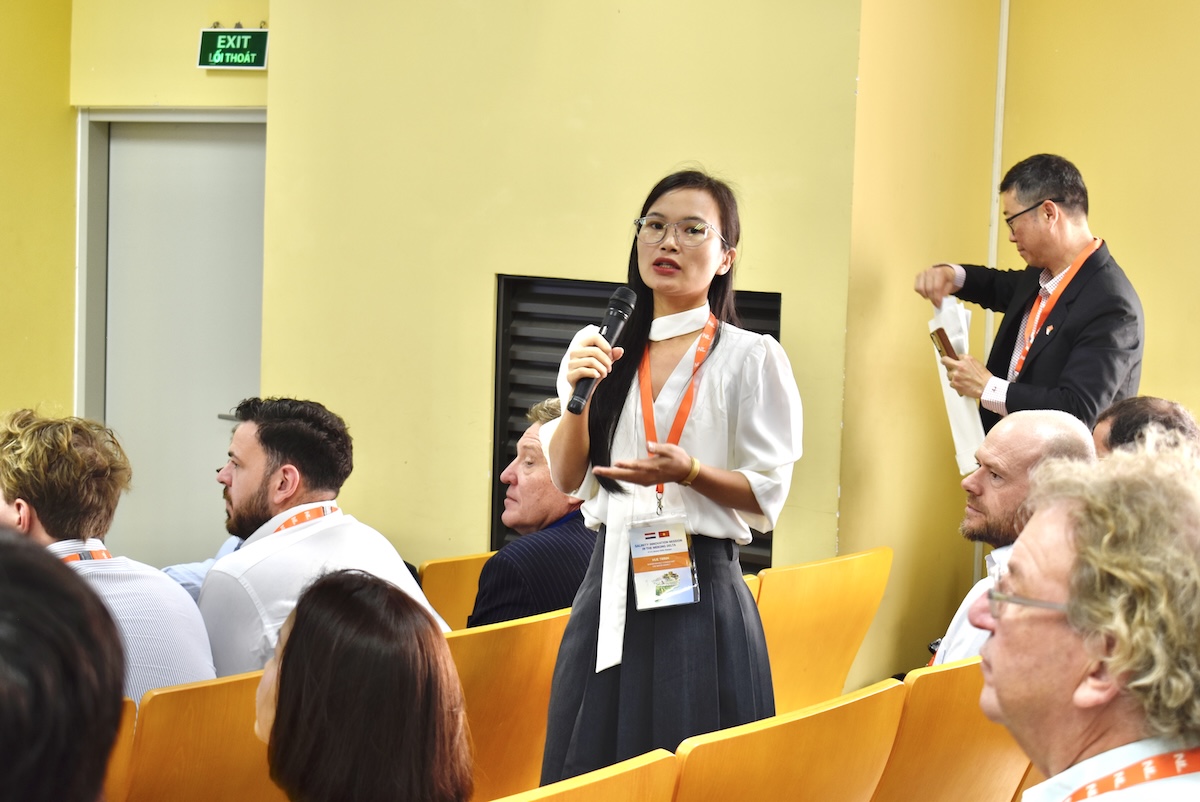
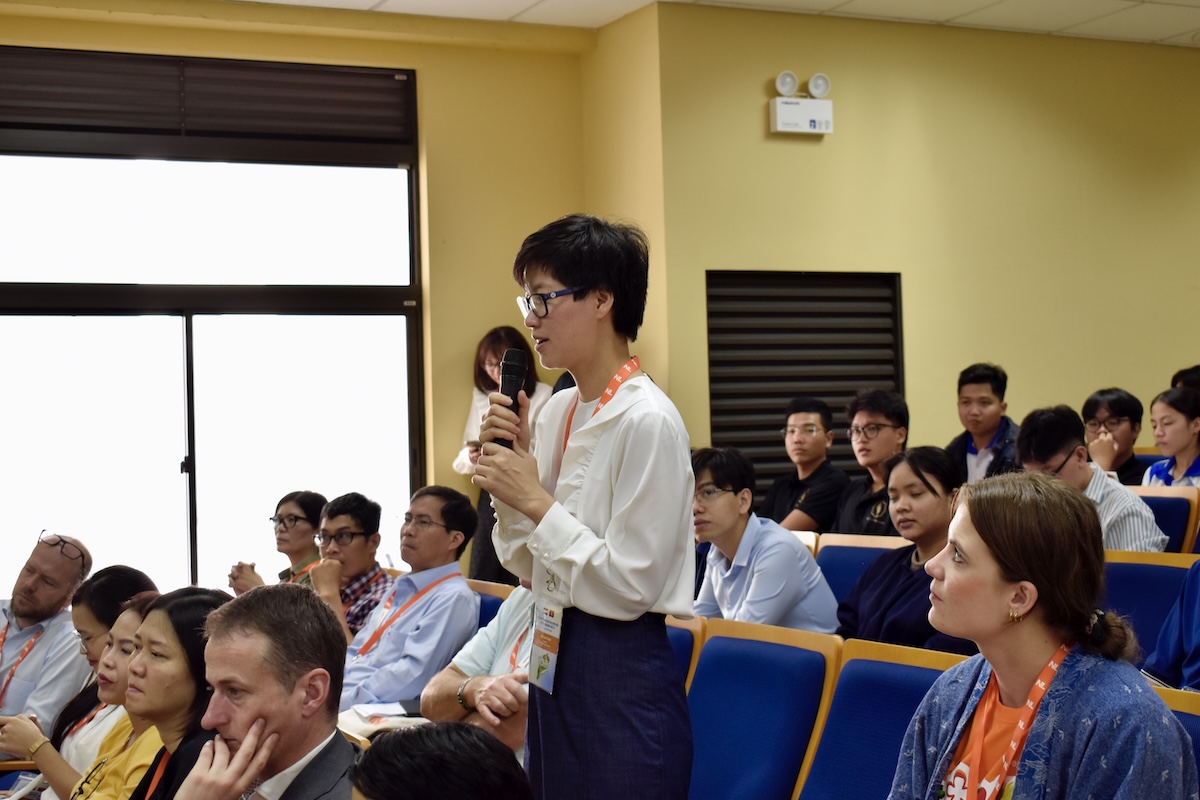
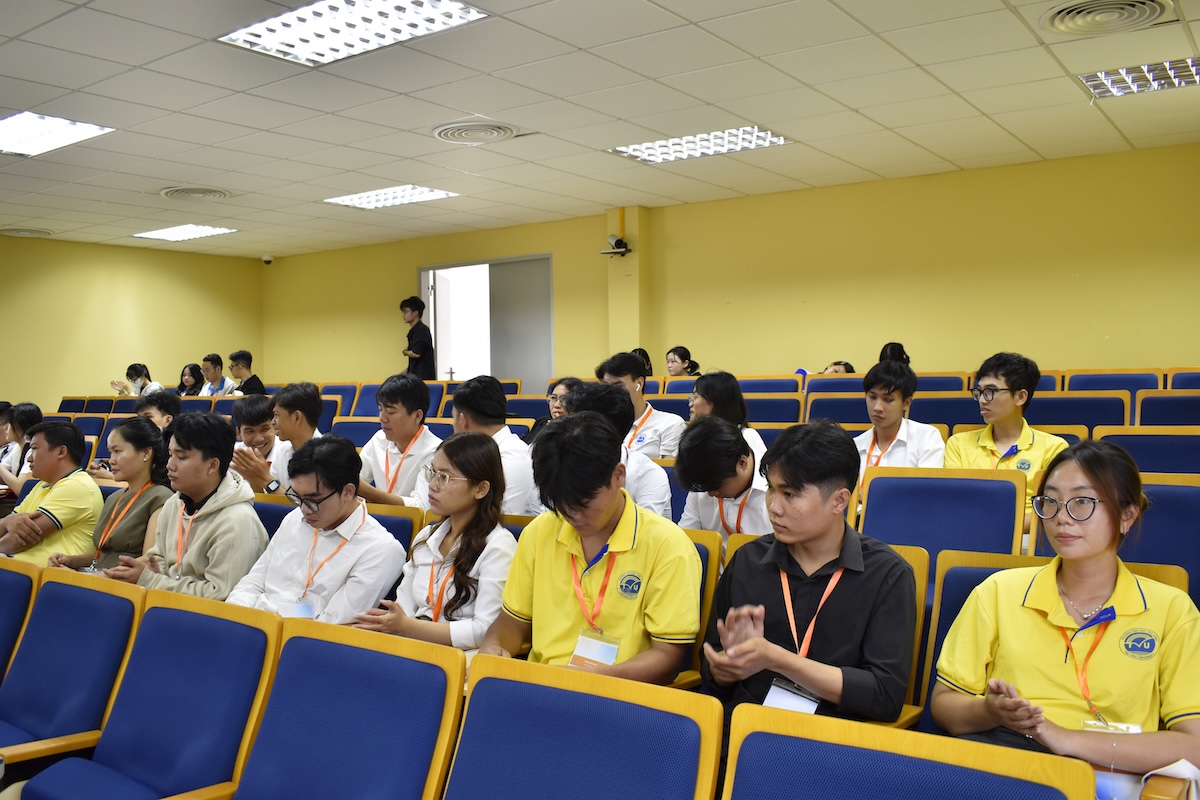
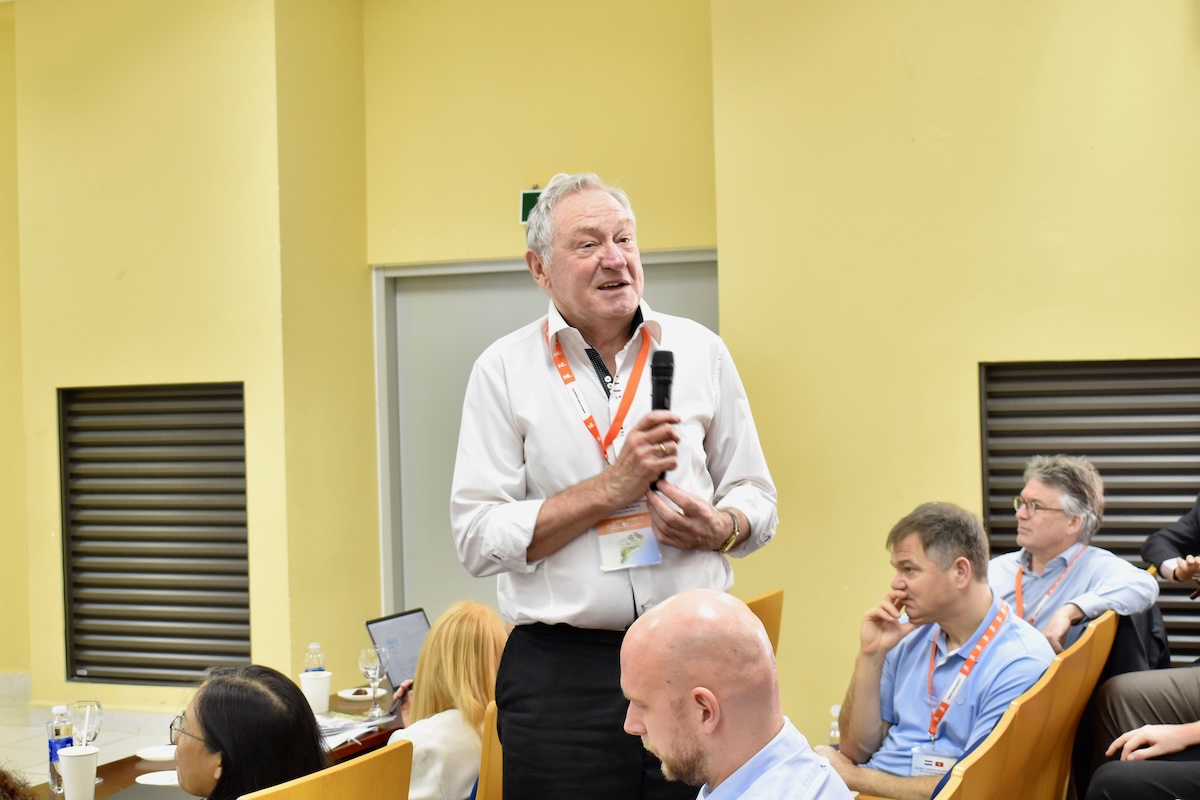
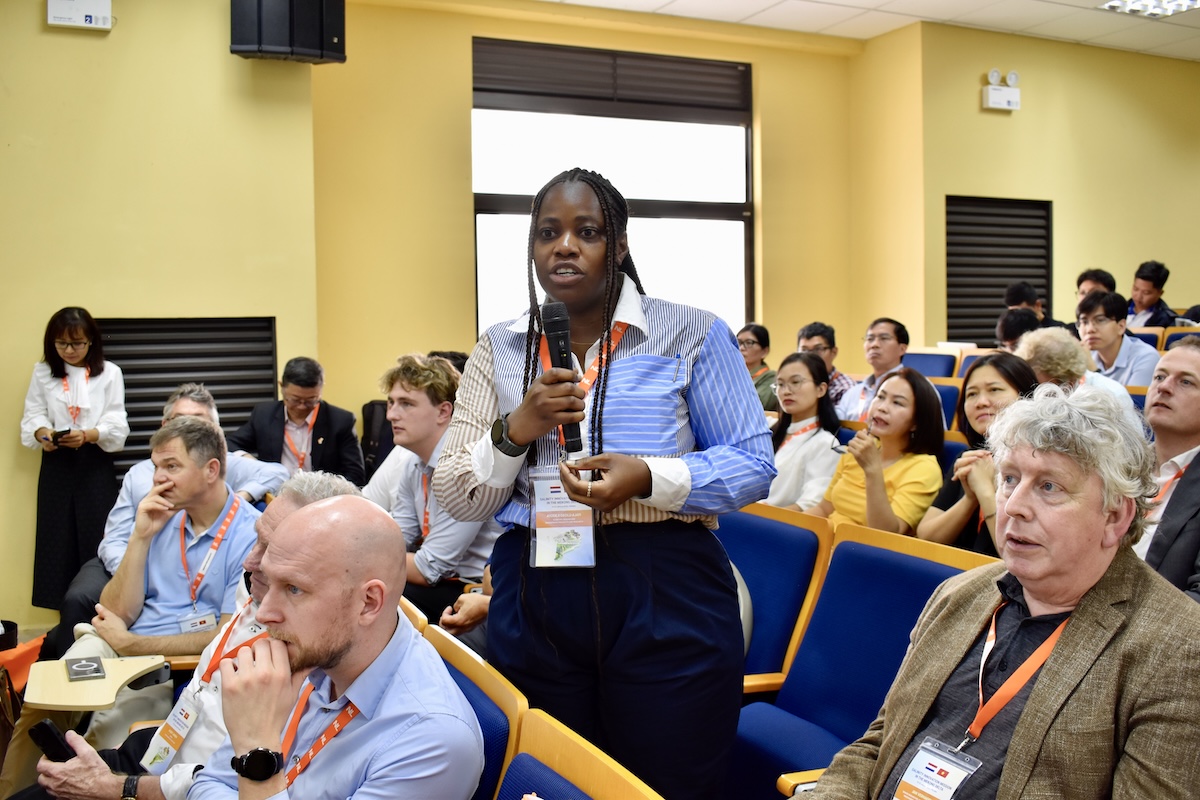
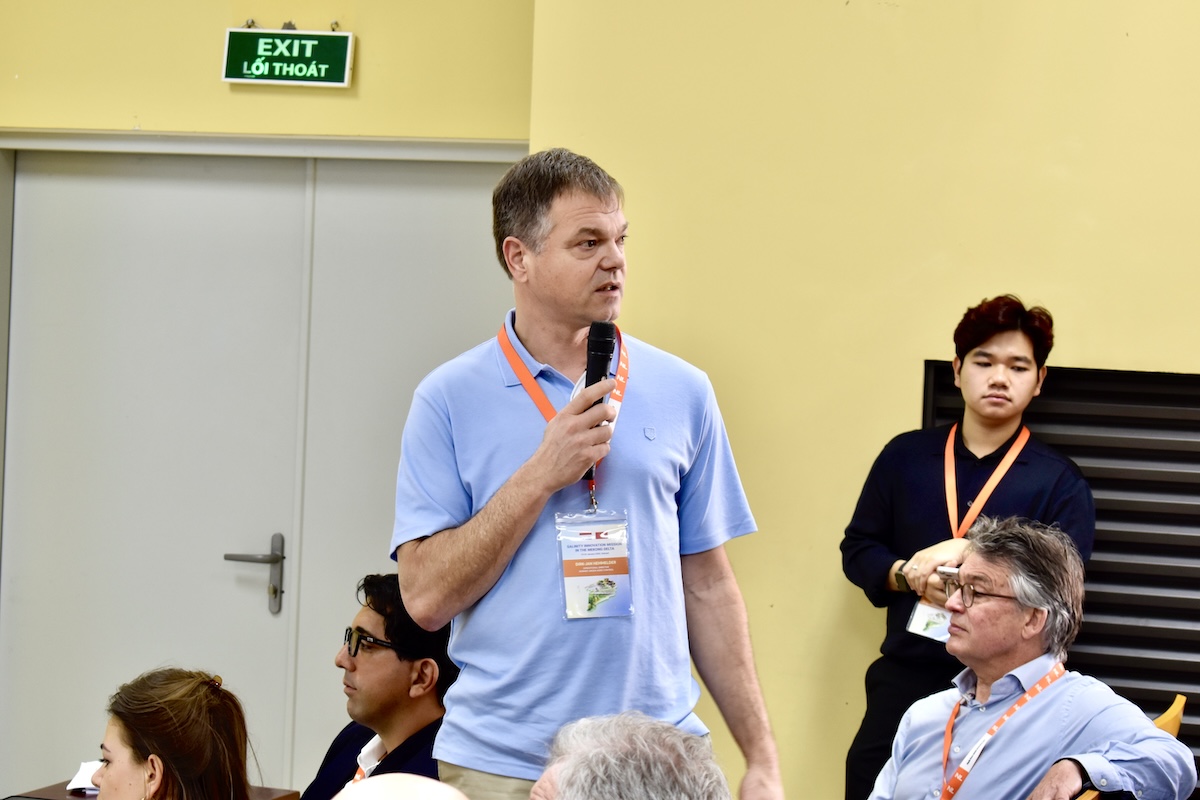
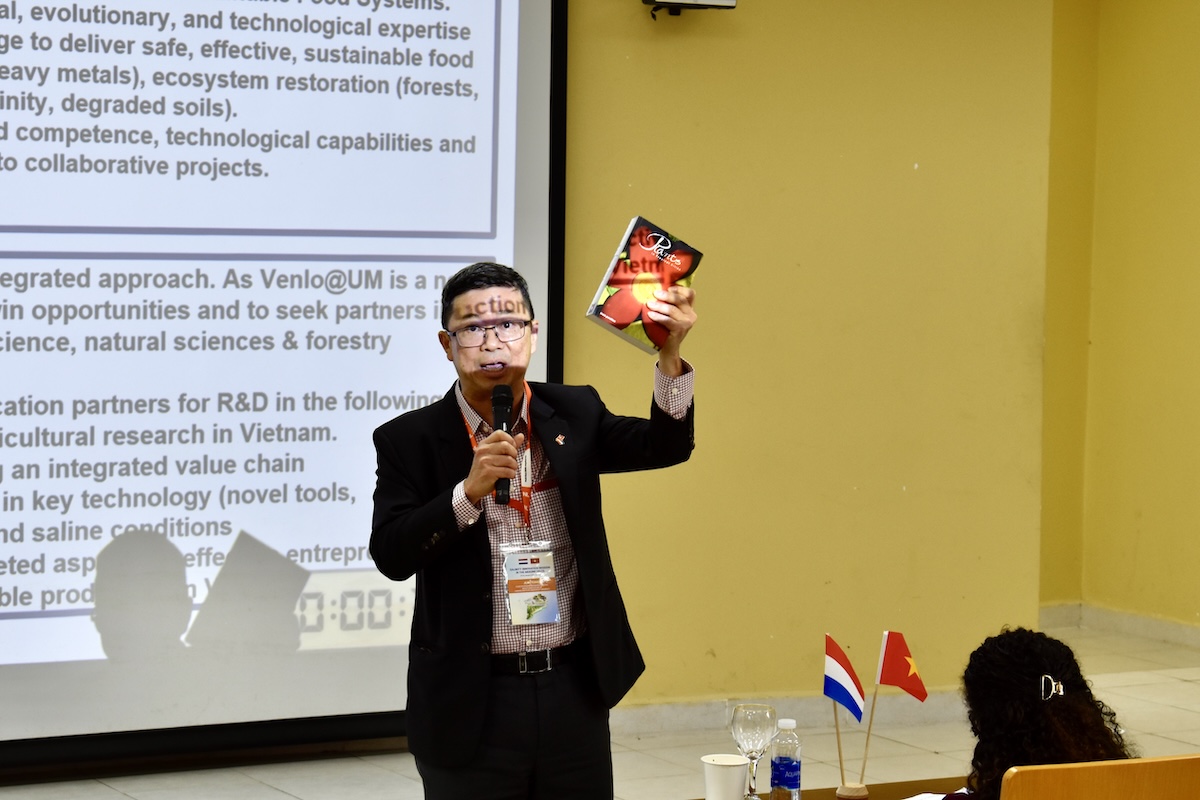
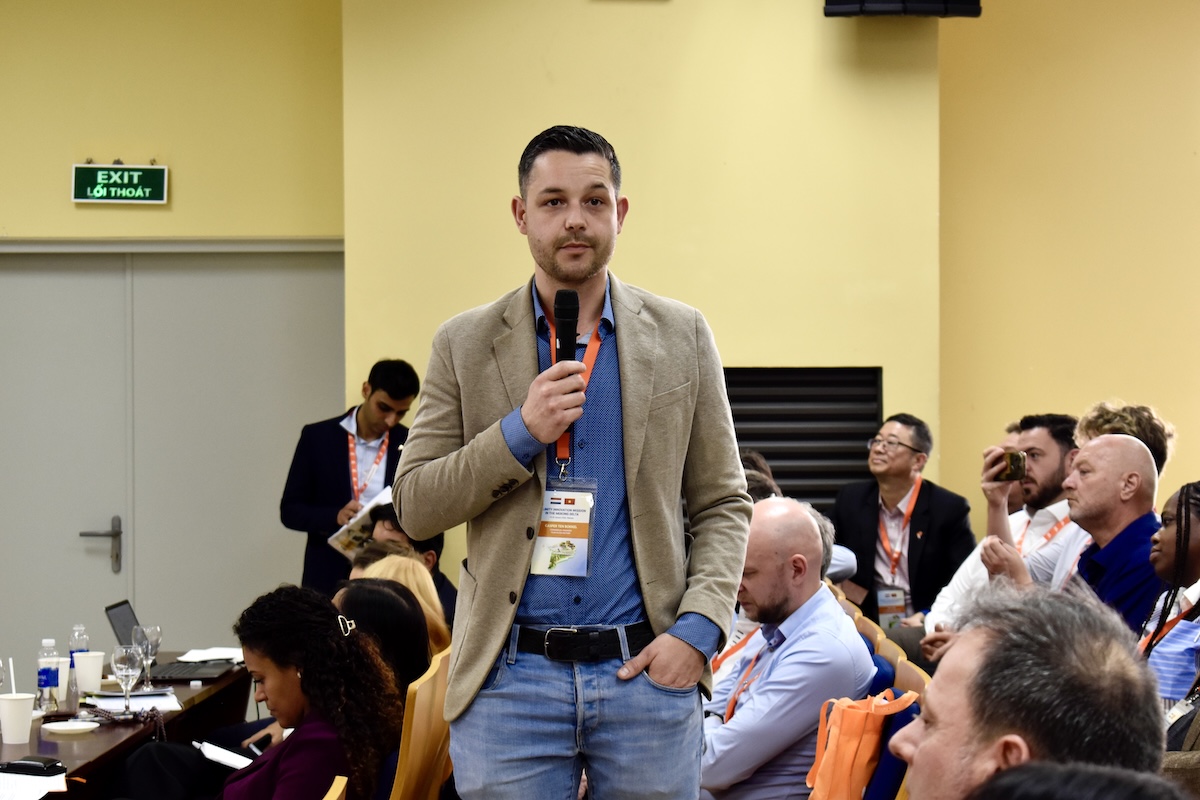
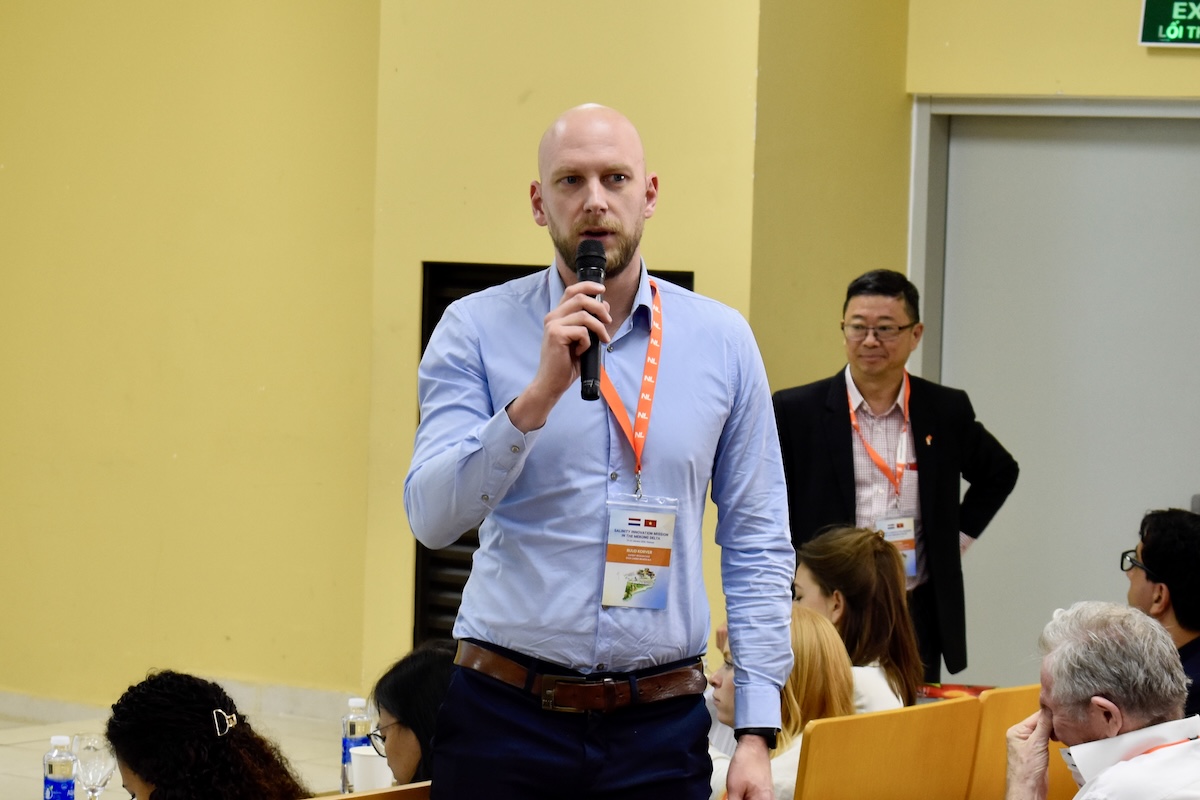
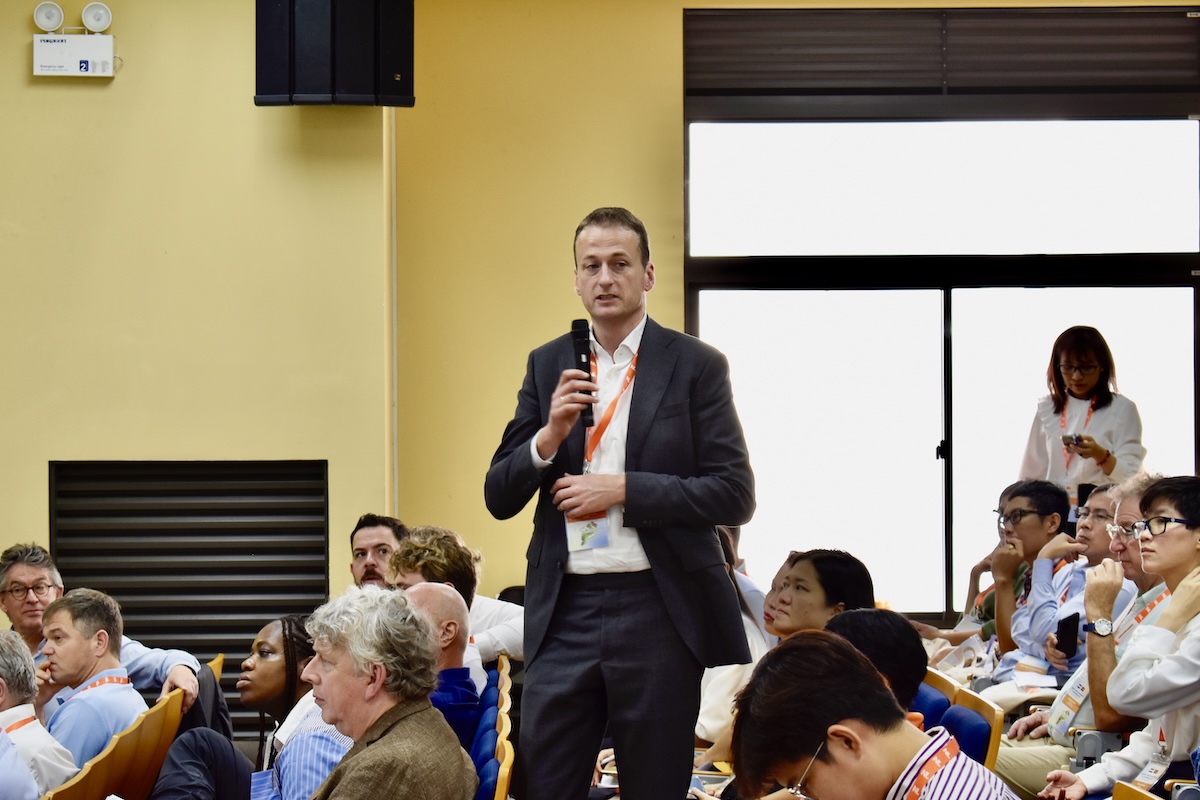
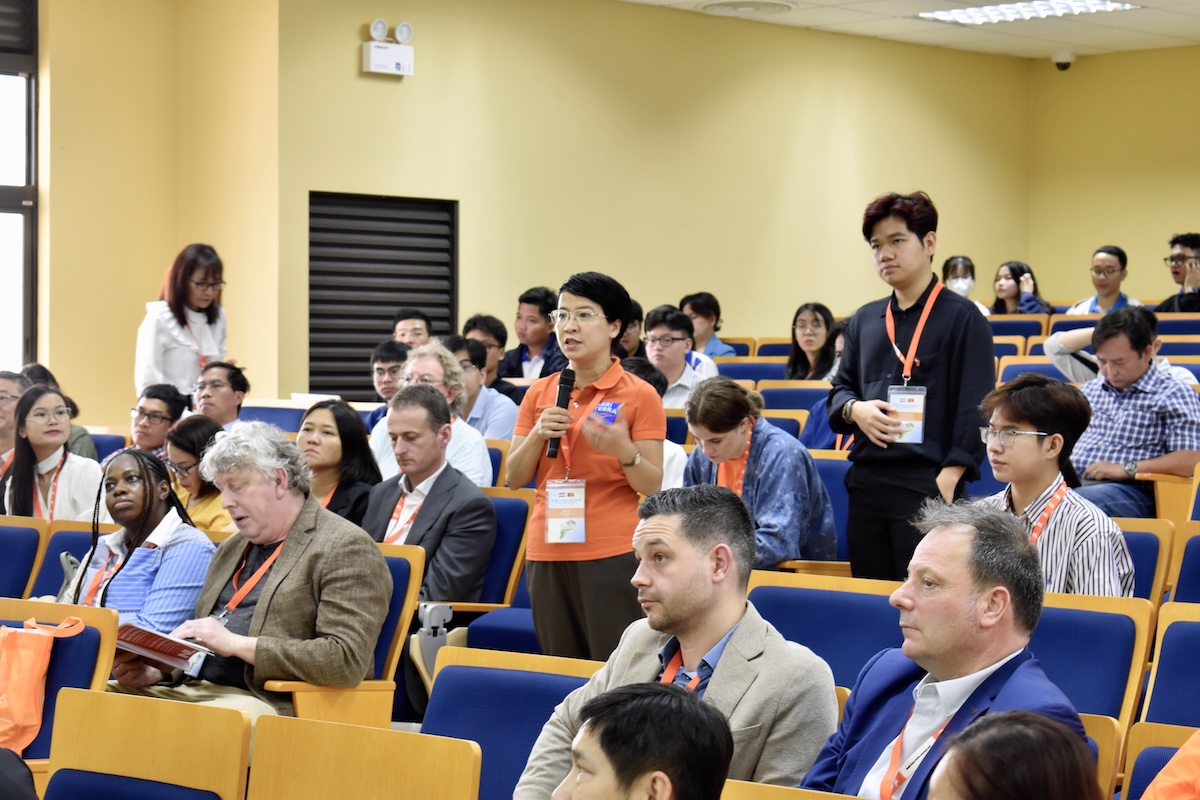
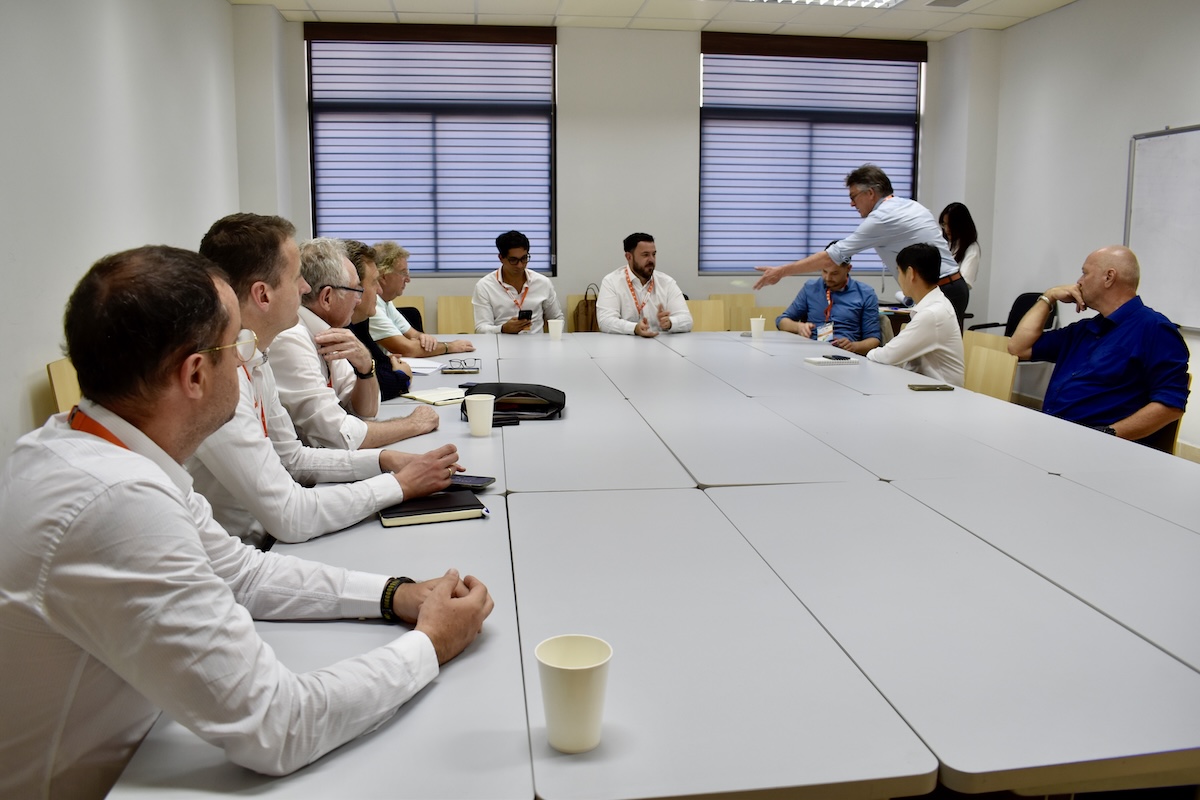
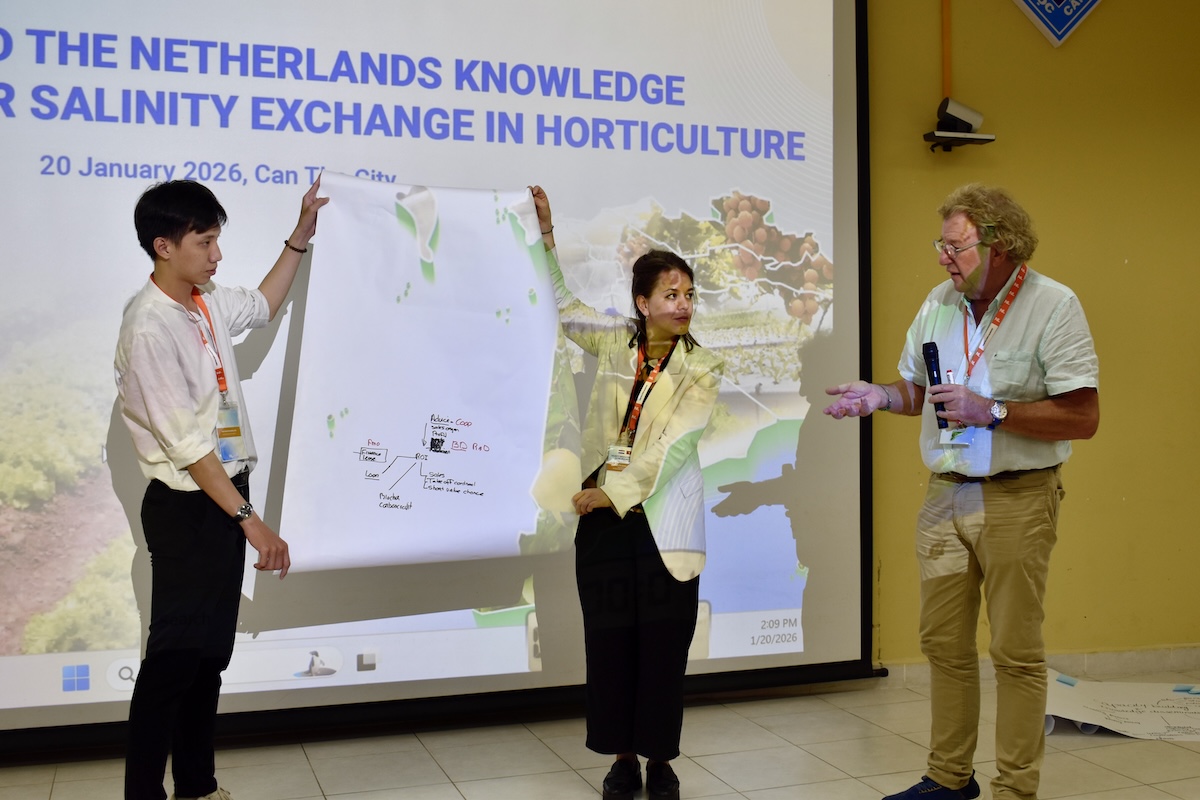
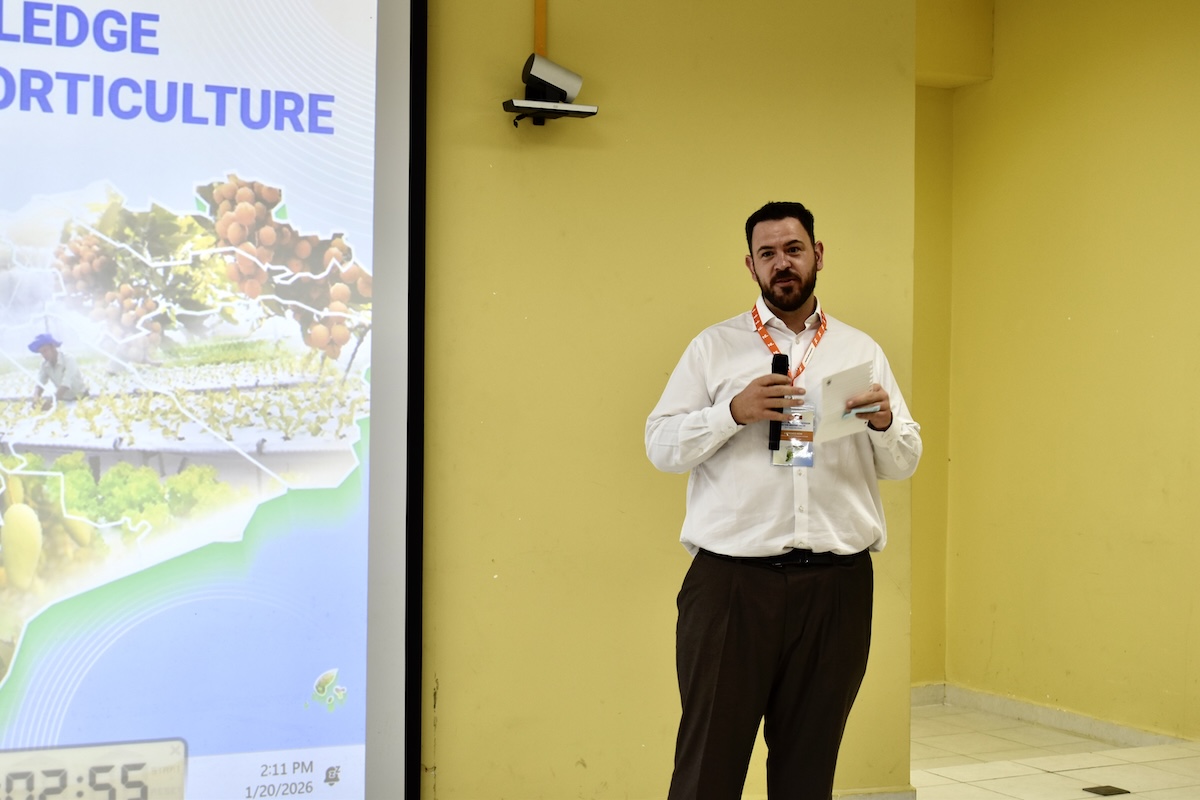
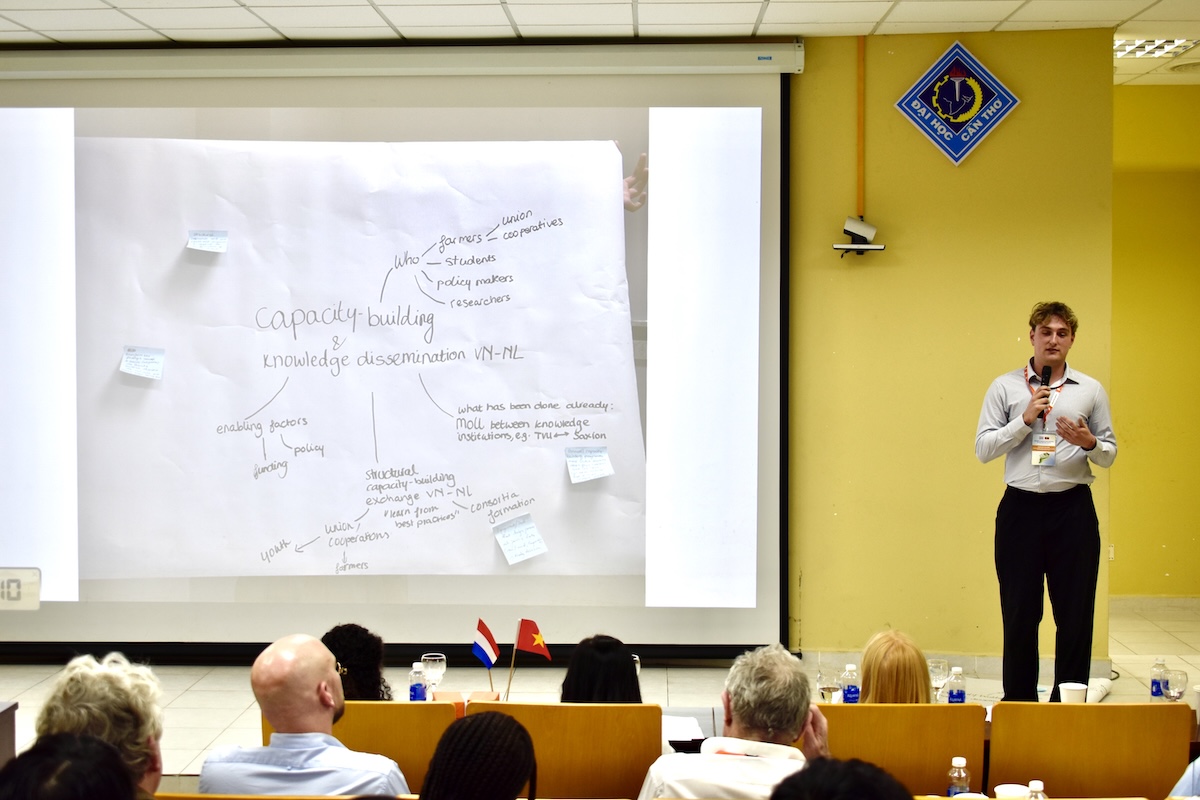
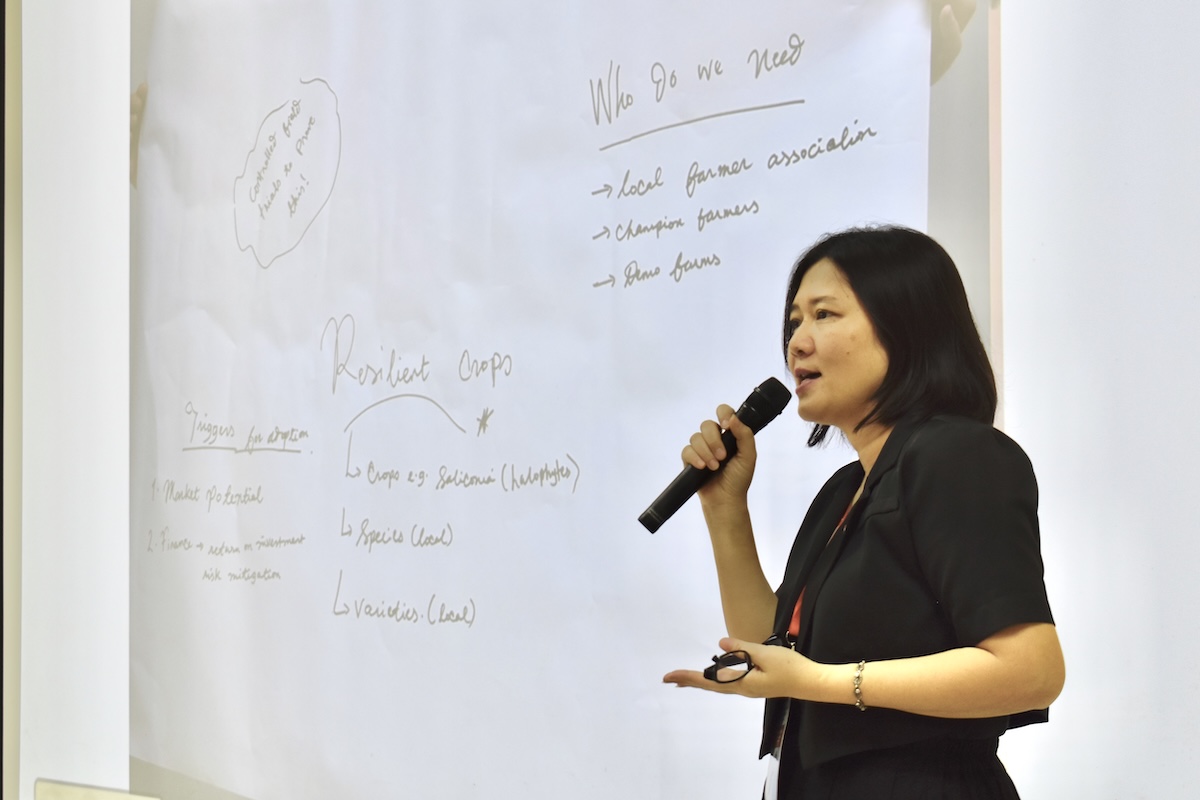
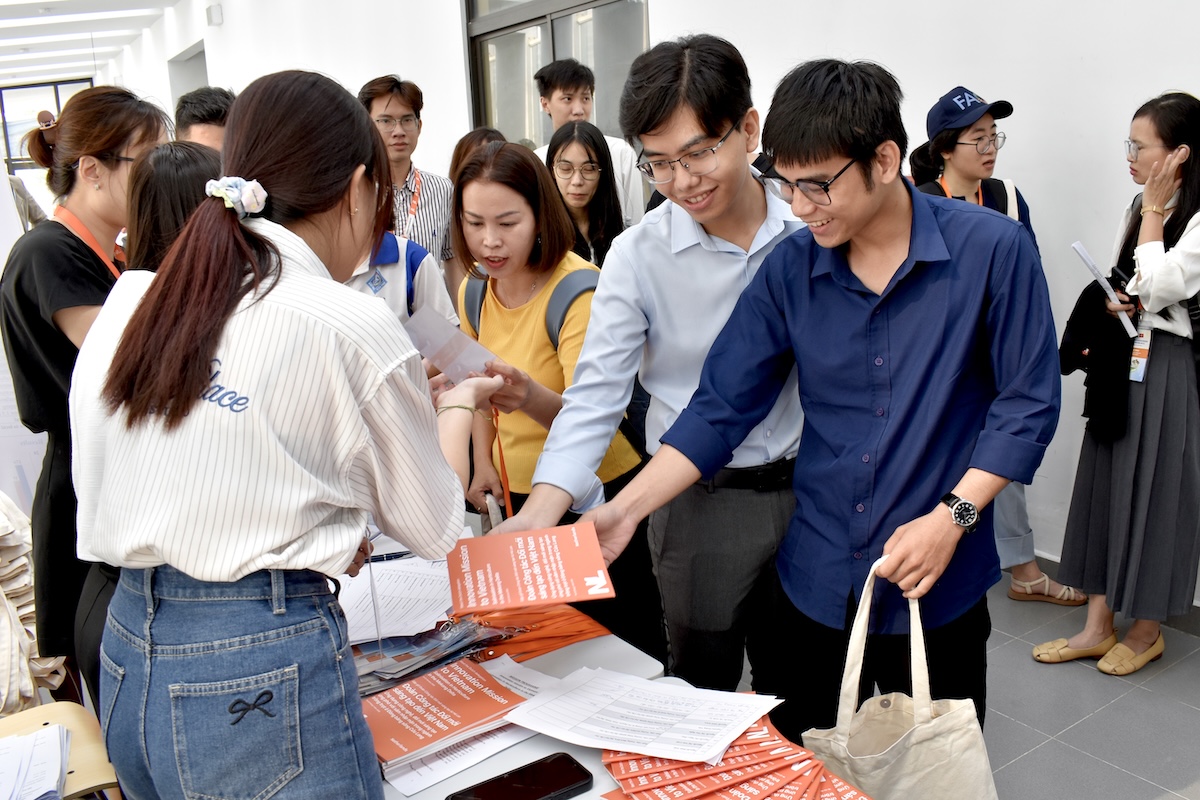
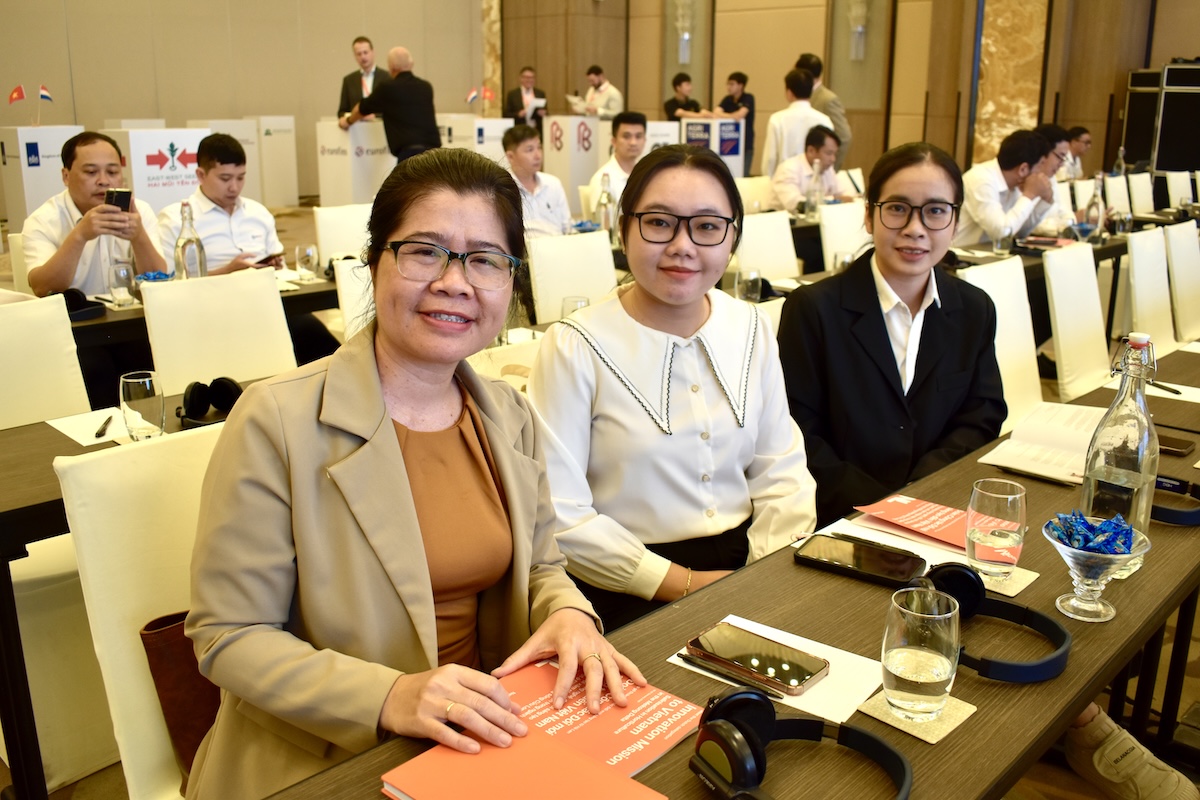
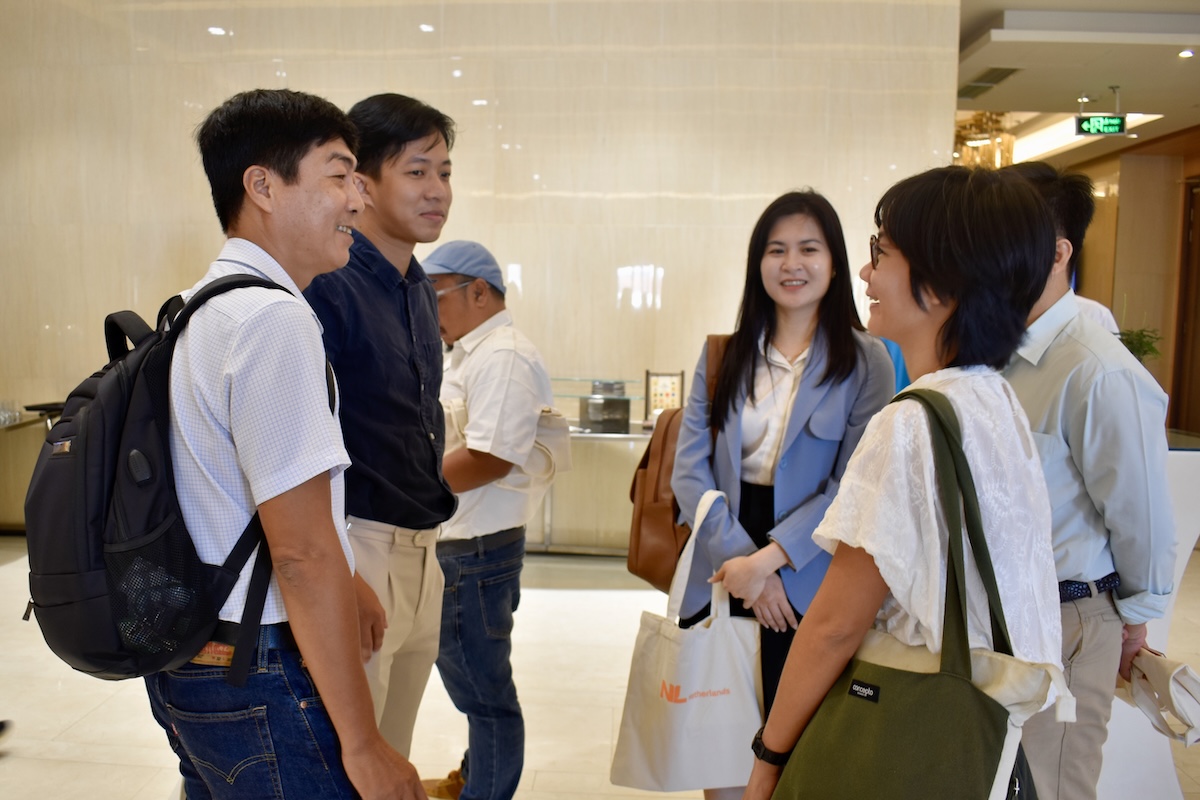
On 20 January 2026, at the Meeting Hall of the Research Laboratories Complex (RLC), Can Tho University, the Stakeholder Consultation Meeting titled “Solutions and Actions for the Sustainable Development of the Lower Mekong Region” was held. The meeting brought together more than 105 participants, including representatives of the diplomatic missions of the Kingdom of the Netherlands in Vietnam, universities and research institutes, national and international scientists, representatives of provincial departments and governmental agencies, leaders and staff of the Mekong Institute, as well as a large number of students.
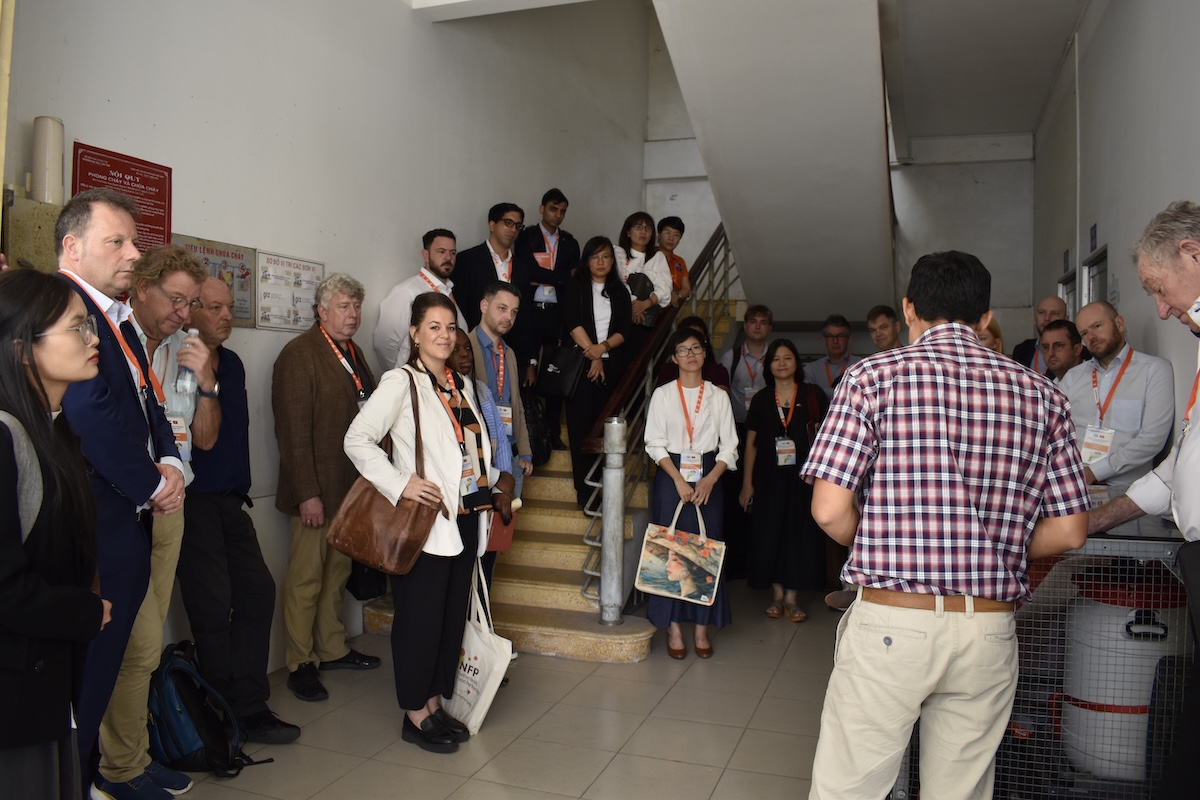
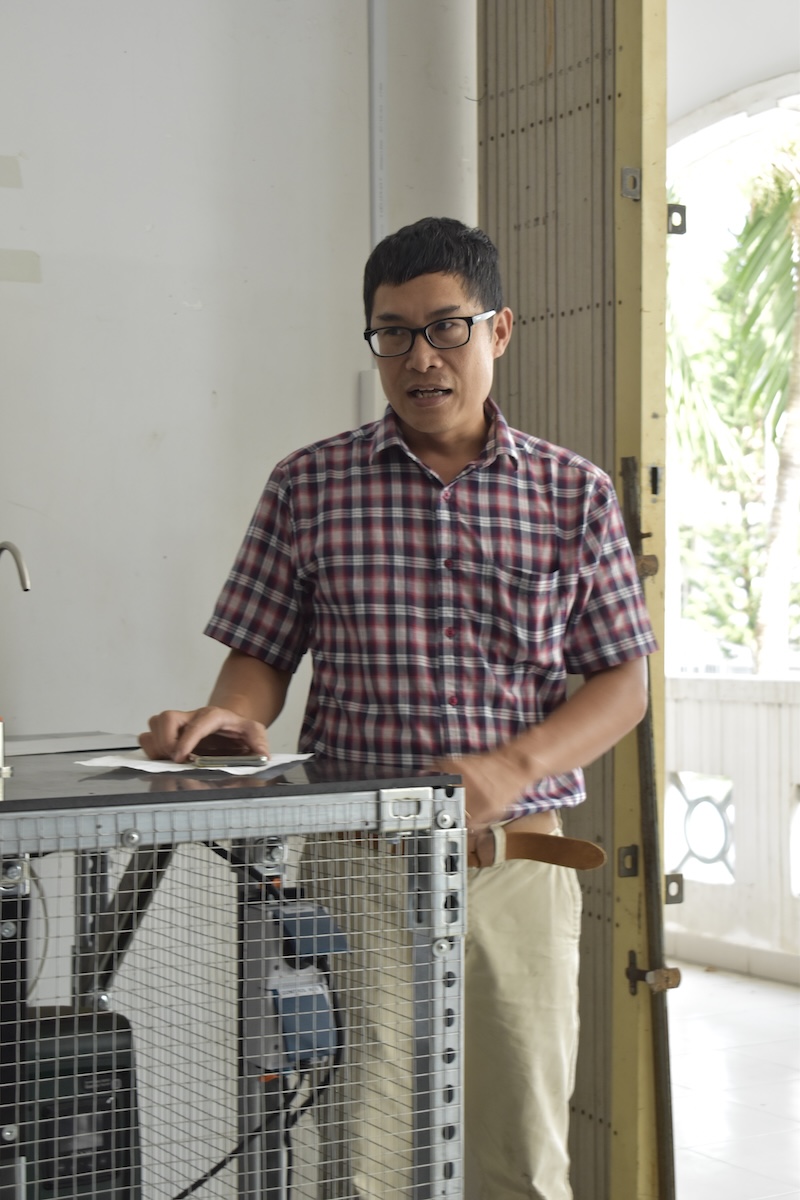
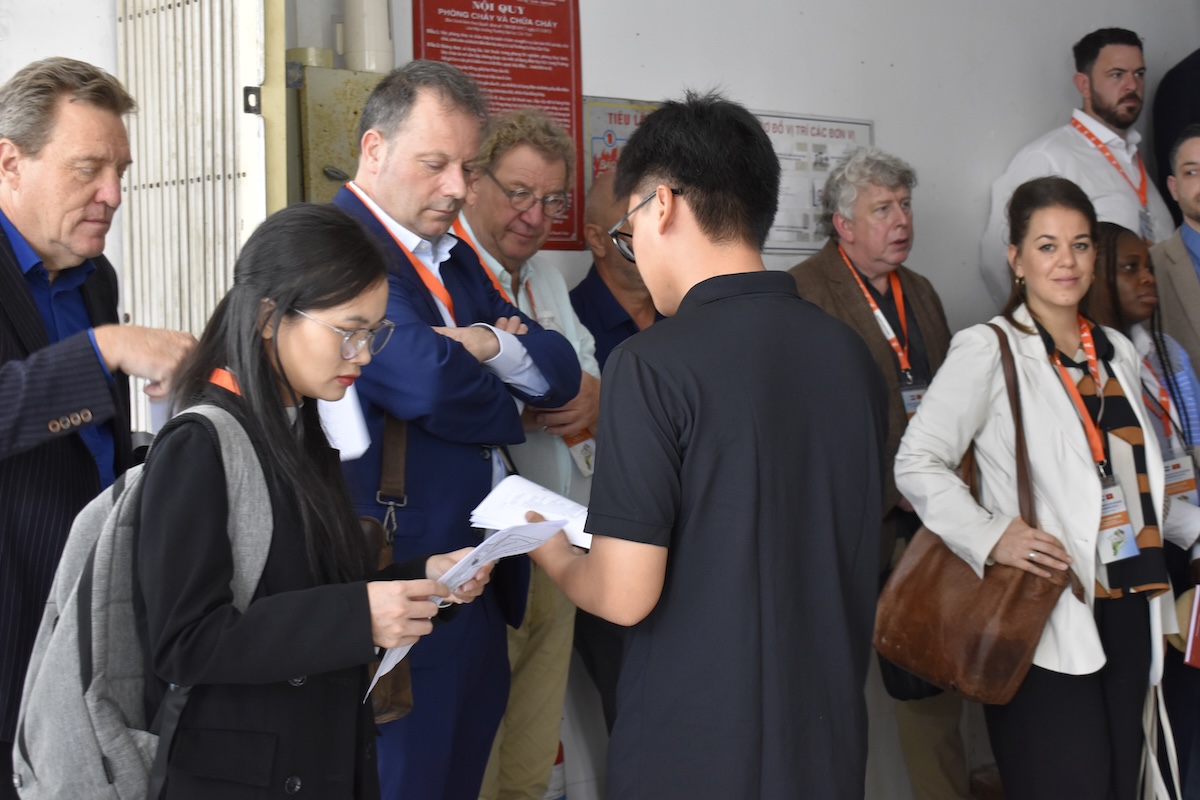
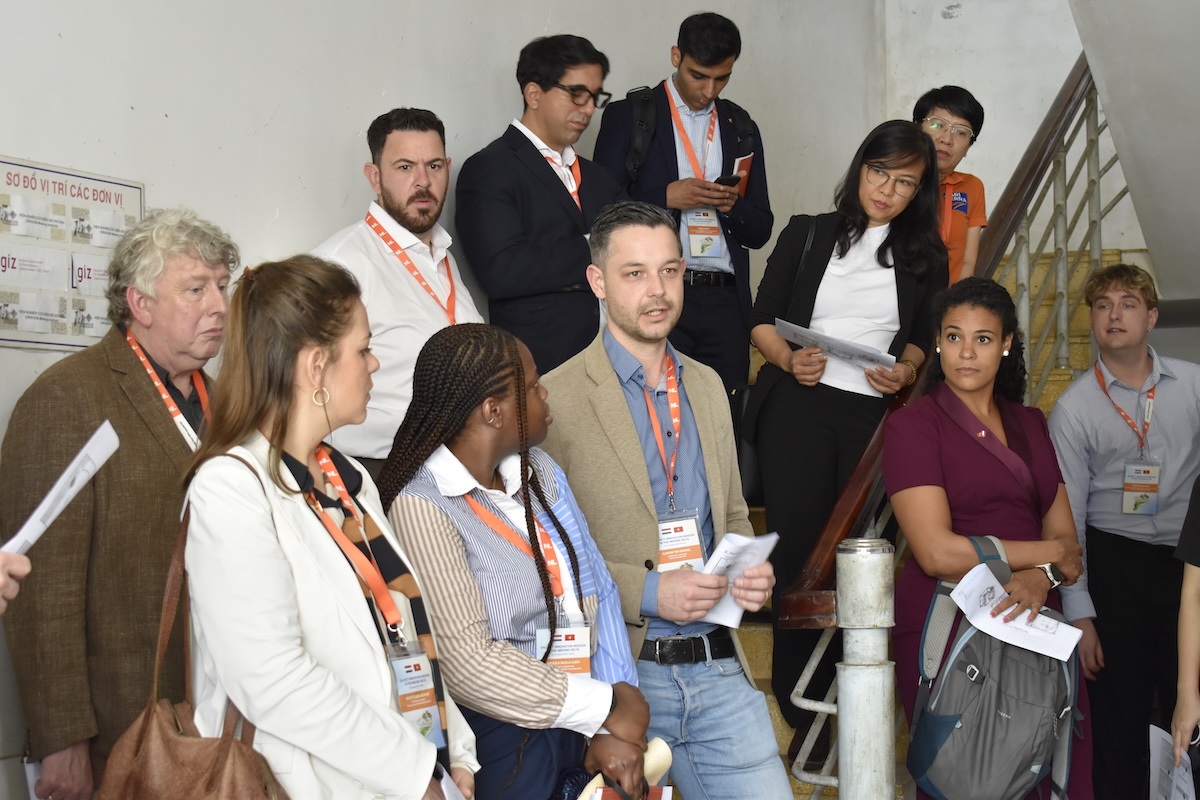
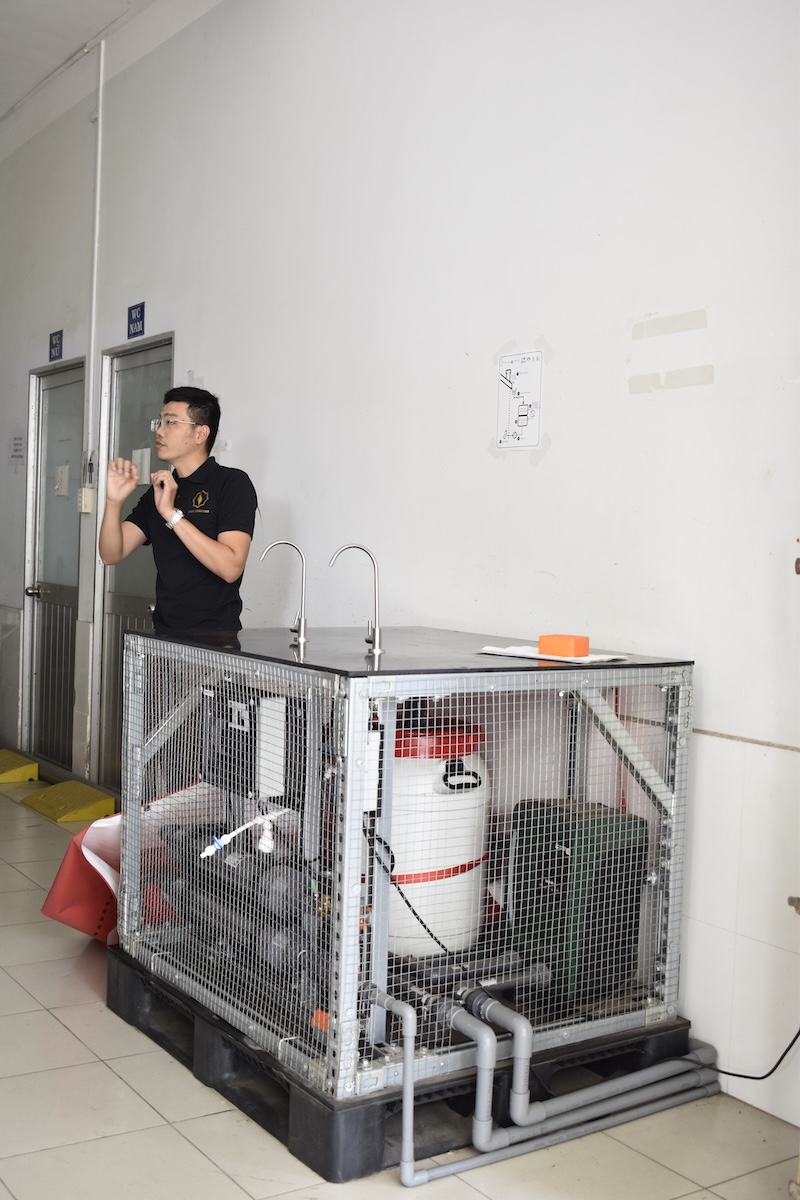
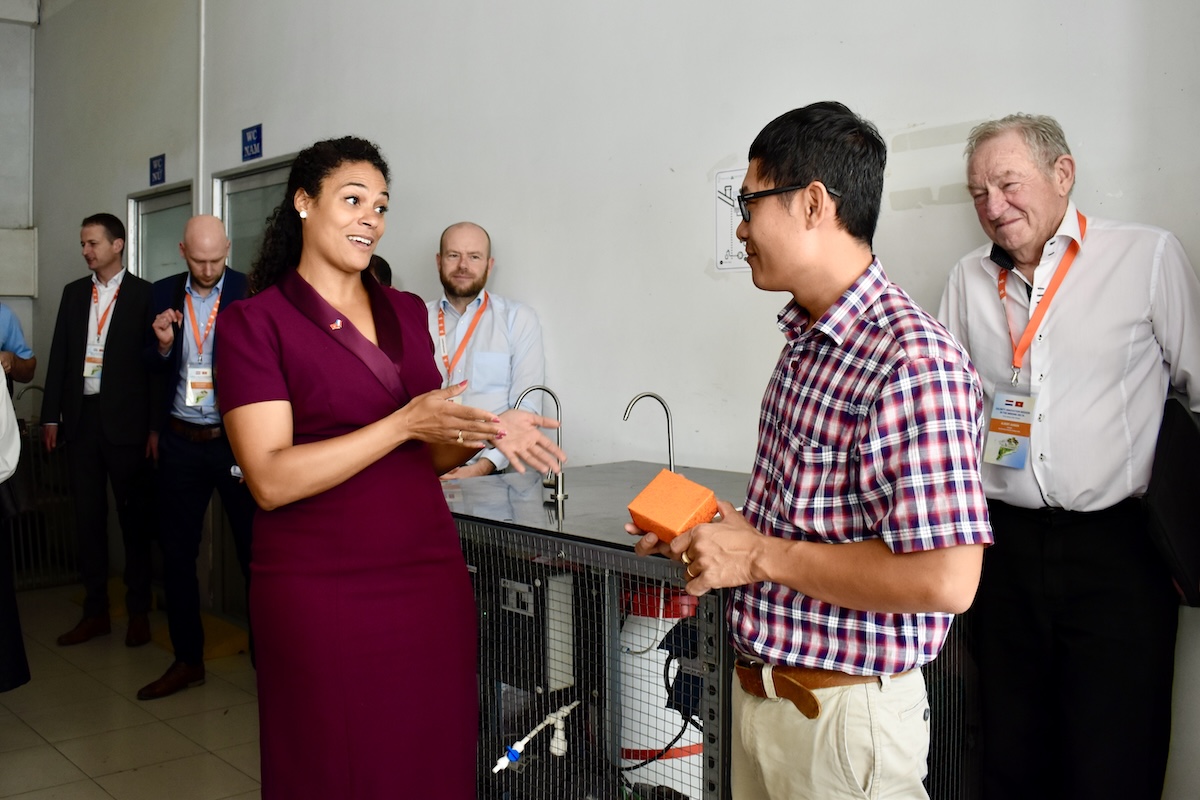
At the opening of the event series, delegates visited a pilot rainwater harvesting and treatment system at the Mekong Institute, presented by Dr. Hong Minh Hoang from the Mekong Institute, Can Tho University. The project focuses on collecting and assessing the quality of rainwater after treatment through a non-energy-consuming system that applies integrated filtration technology to effectively remove impurities and microorganisms, ensuring safe drinking water standards for communities in the Mekong Delta. The system is currently being piloted in various settings, including urban areas, livestock farming zones, and agricultural cultivation sites in Can Tho, Soc Trang, and Ca Mau. Funded by the Government of the Netherlands, the project is implemented during the 2023-2025 period. Wageningen University serves as the overall project coordinator, while the Mekong Institute is responsible for coordinating activities in the Mekong Delta. Participating partners include Water Innovation Consulting (the Netherlands), PB International (the Netherlands), and STEPS Co., Ltd. (Vietnam).
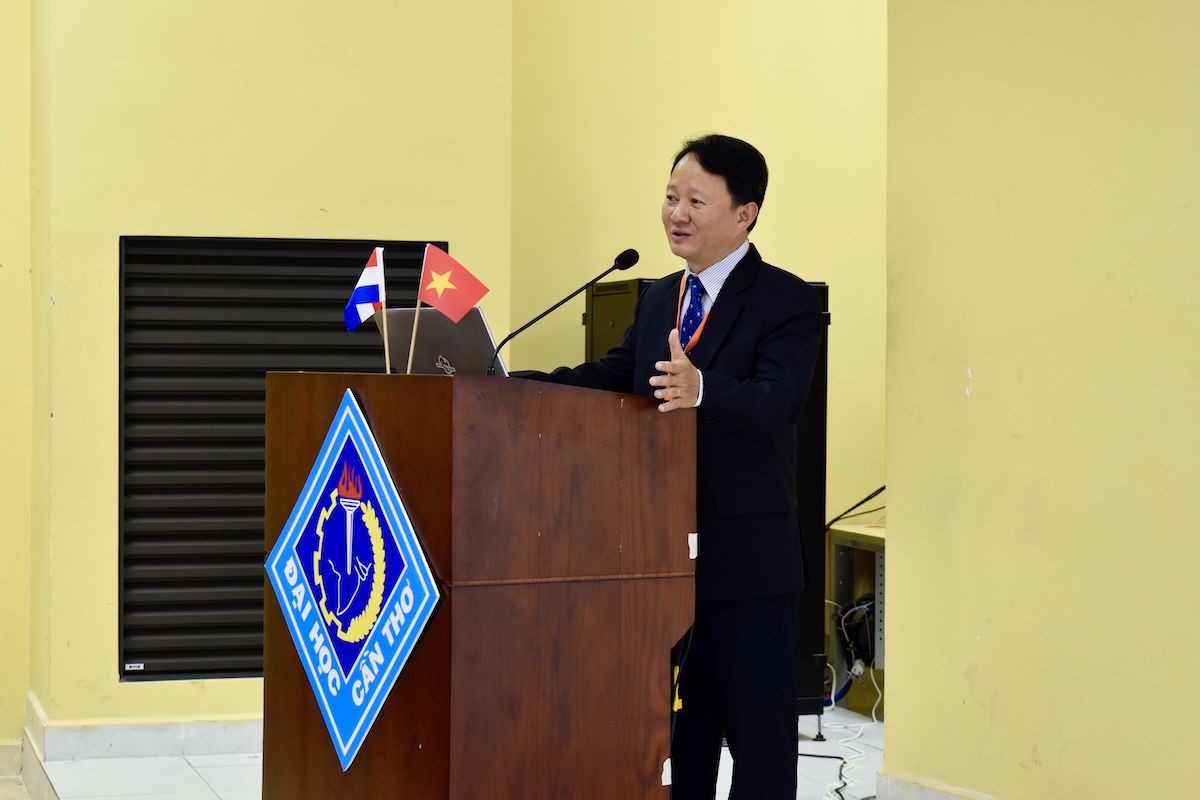
During the official session, the opening remarks by Assoc. Prof. Dr. Van Pham Dang Tri, Director of the Mekong Institute, Can Tho University, together with the introductory remarks by Ms. Céline van Maaren, Delegation Head of Salinity Innovation mission, Ministry of Agriculture, Fisheries, Food Security and Nature, highlighted the increasing challenges posed by salinity intrusion in the Mekong Delta and the urgent need for interdisciplinary, long-term agricultural adaptation solutions. The consultation meeting was expected to foster dialogue, knowledge sharing, and strengthen cooperation between Vietnam and the Netherlands in climate-resilient agricultural development.
The working program focused on key topics through in-depth presentations and discussions, including:
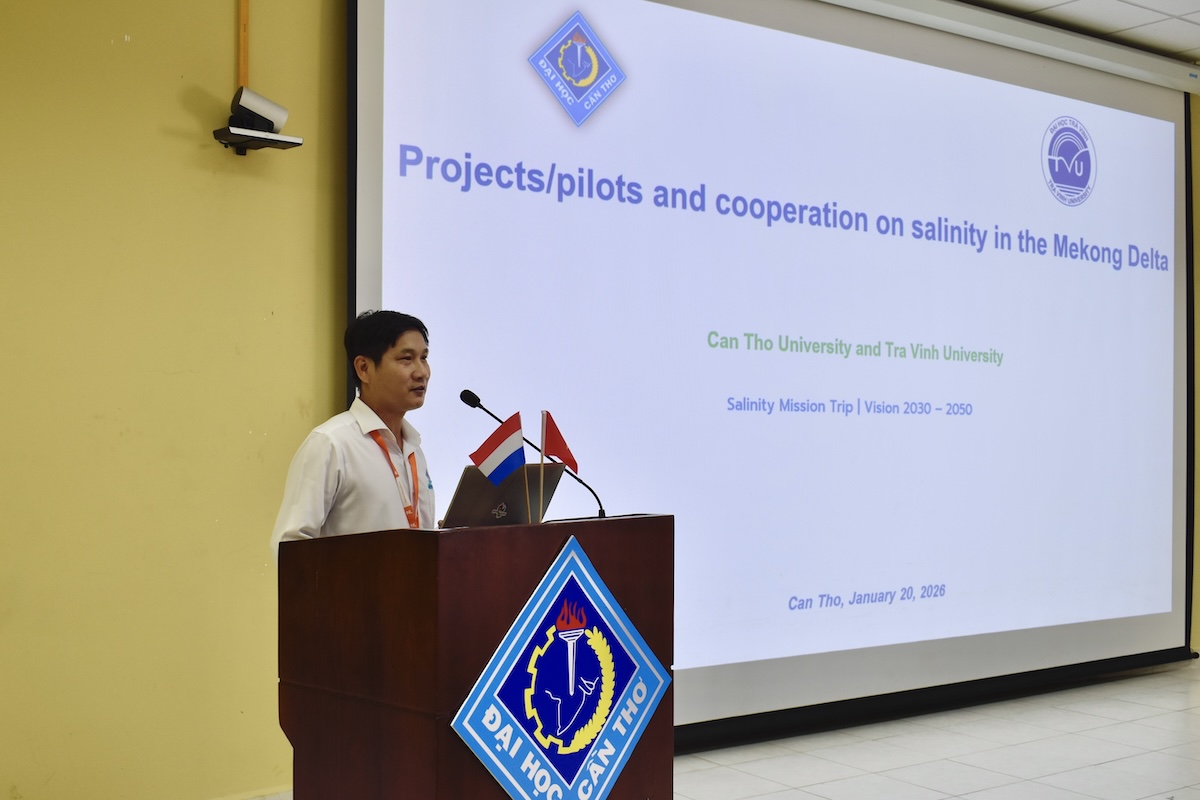
- Combined presentation by Can Tho University and Tra Vinh University on projects/pilots and cooperation on salinity including Q&A, by Dr. Nguyen Thanh Tam, Director of Production Ecosystems Lab, Mekong Institute, Can Tho University; and Ms. Tran Thi Ngoc Bich, Doctor of Philosophy in Environmental Engineering, Vice Dean of the College of Engineering and Technology, Tra Vinh University.
- Presentations on salinity-related projects, pilots, and cooperation from the Netherlands, presented by Ms. Céline van Maaren, Senior Policy Officer on OECD and IMVO, Ministry of Agriculture, Fisheries, Food Security and Nature of the Netherlands.
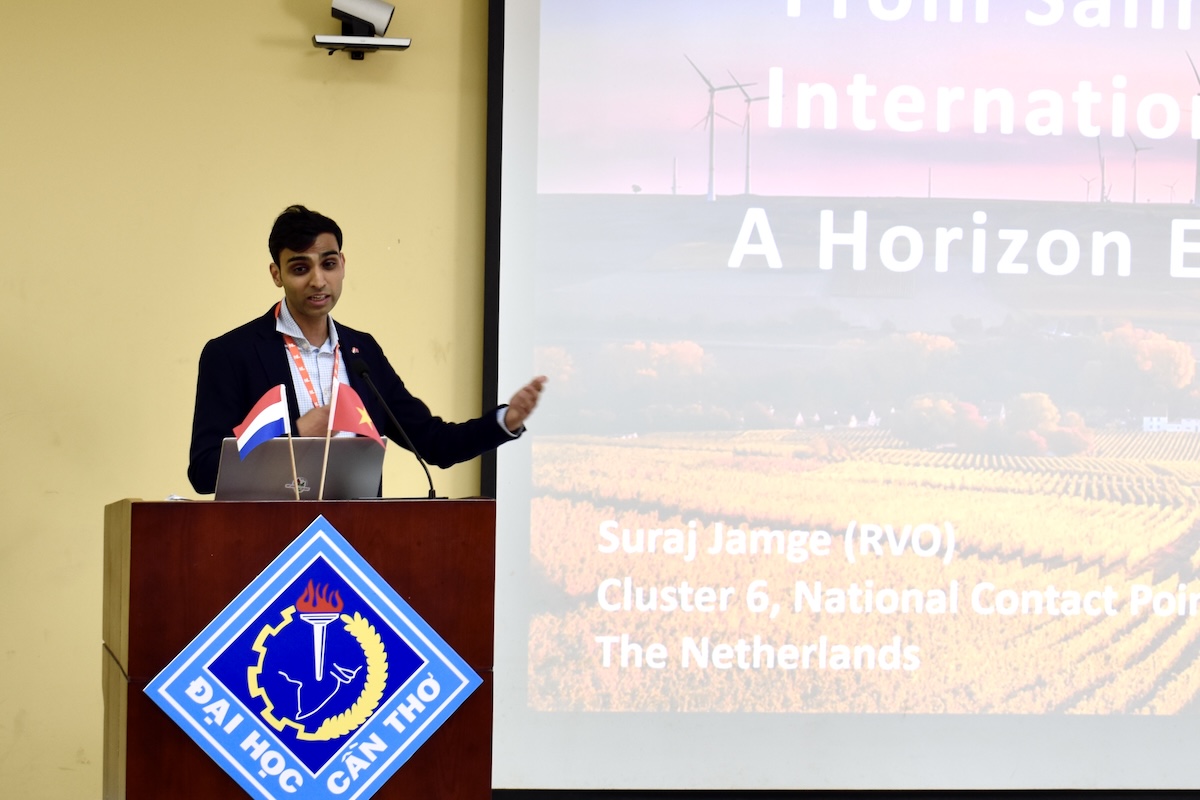
- Presentation on Horizon Europe and other funding programs for research and innovation by Mr. Suraj Jamge, Advisor International Innovation of the Netherlands Enterprise Agency.
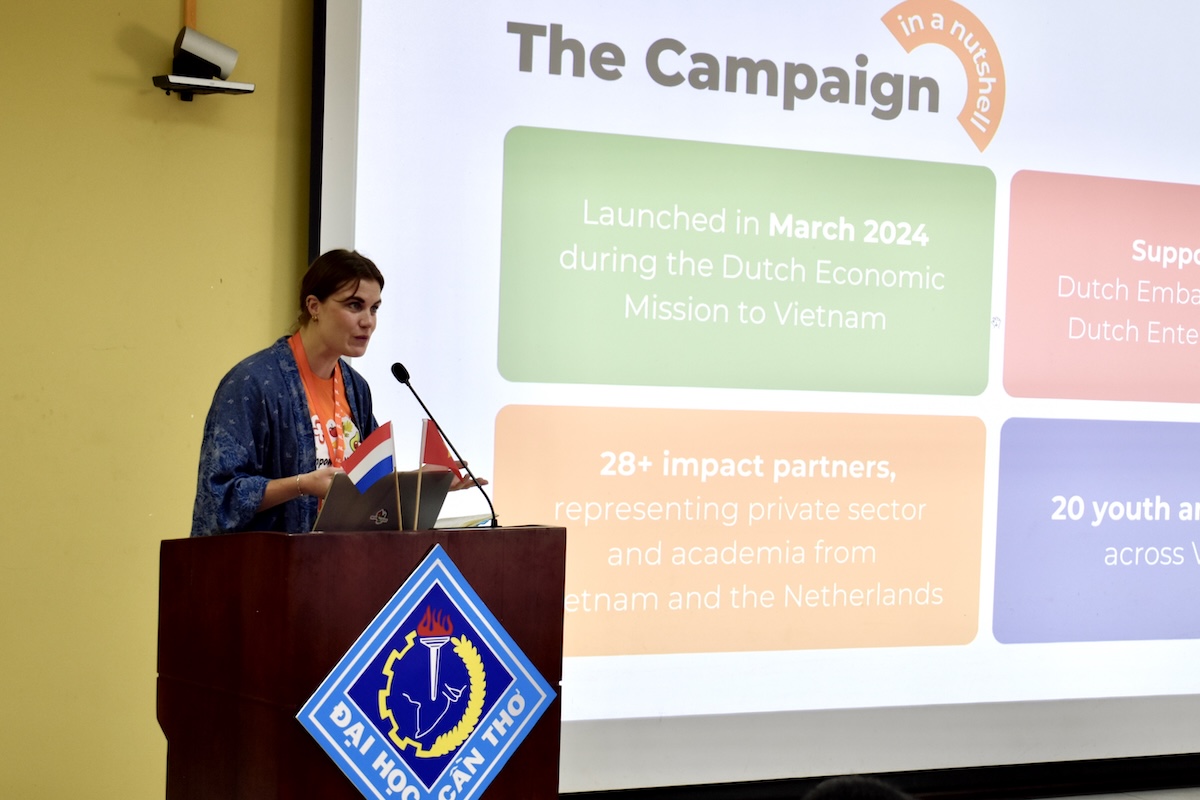
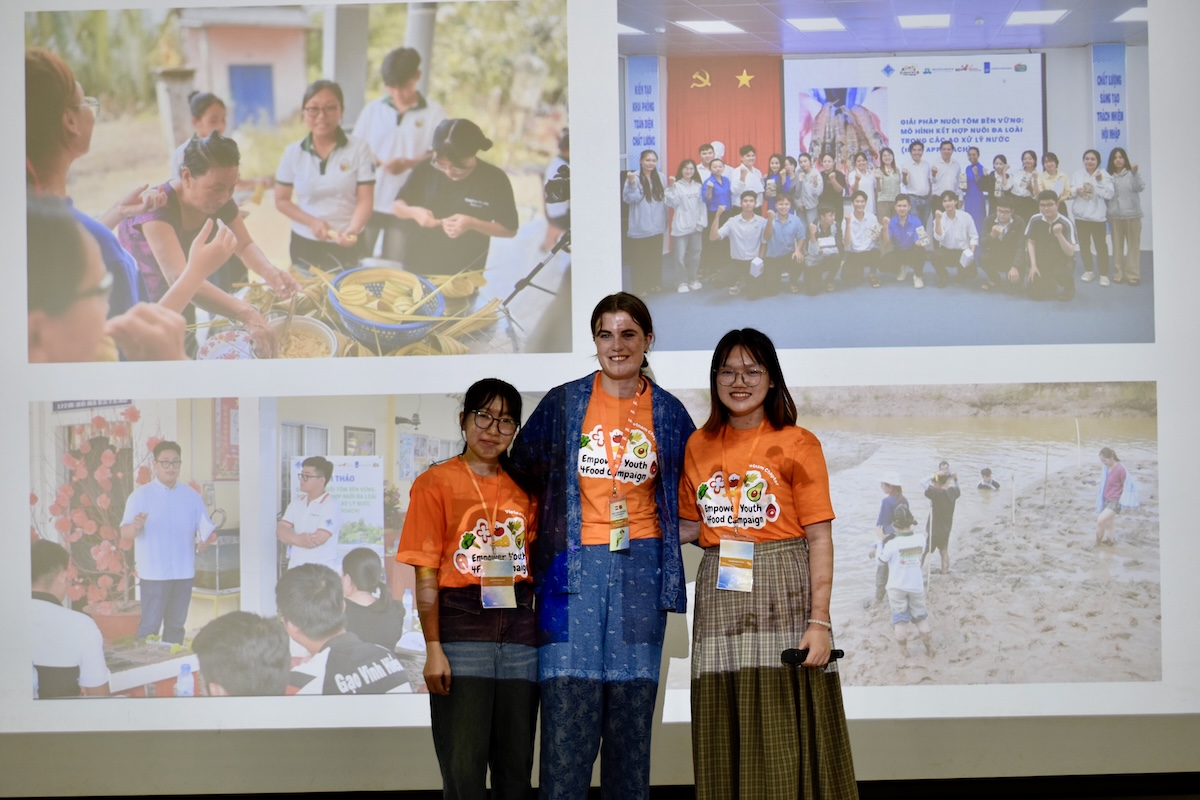
- Launching: Empower Youth4Food Changemaker Challenge 2026 by Charlotte Troost, Project Development and Support Officer, Nuffic Southeast Asia
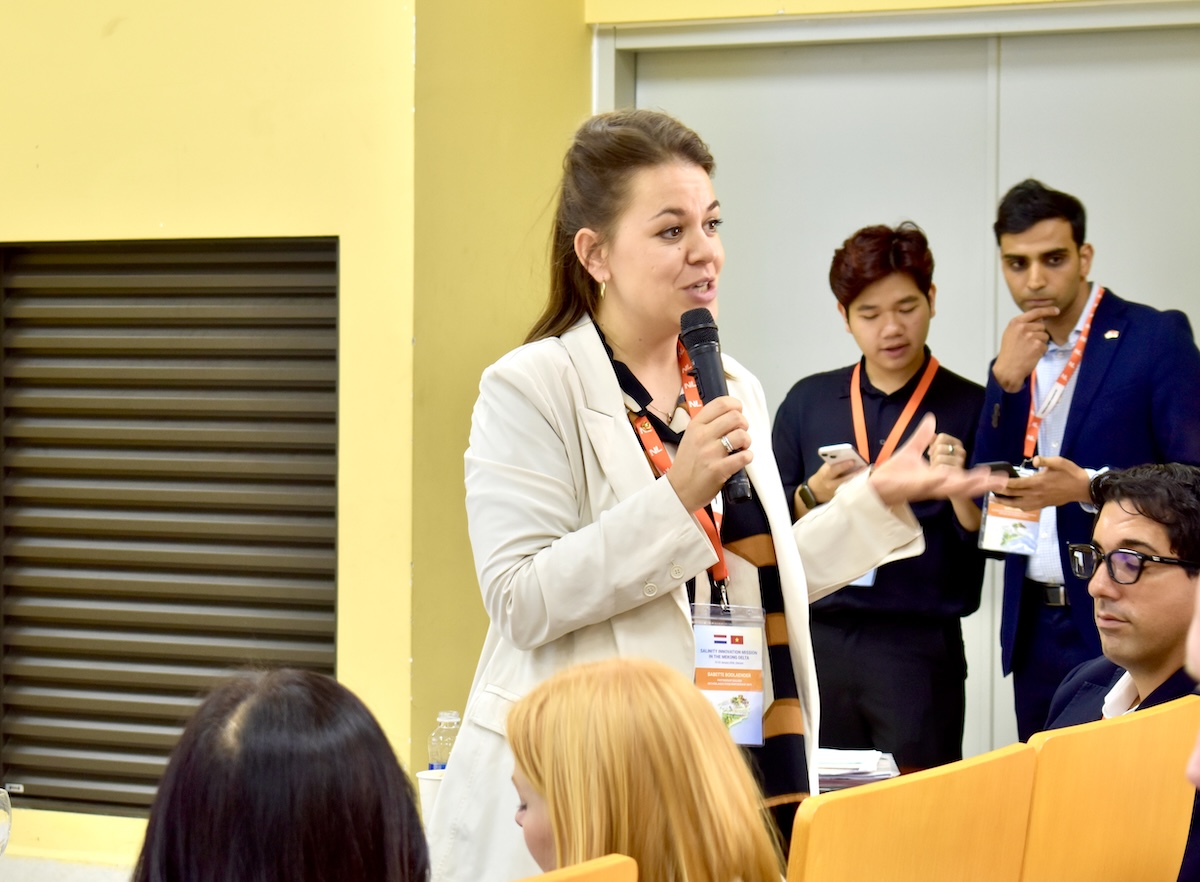
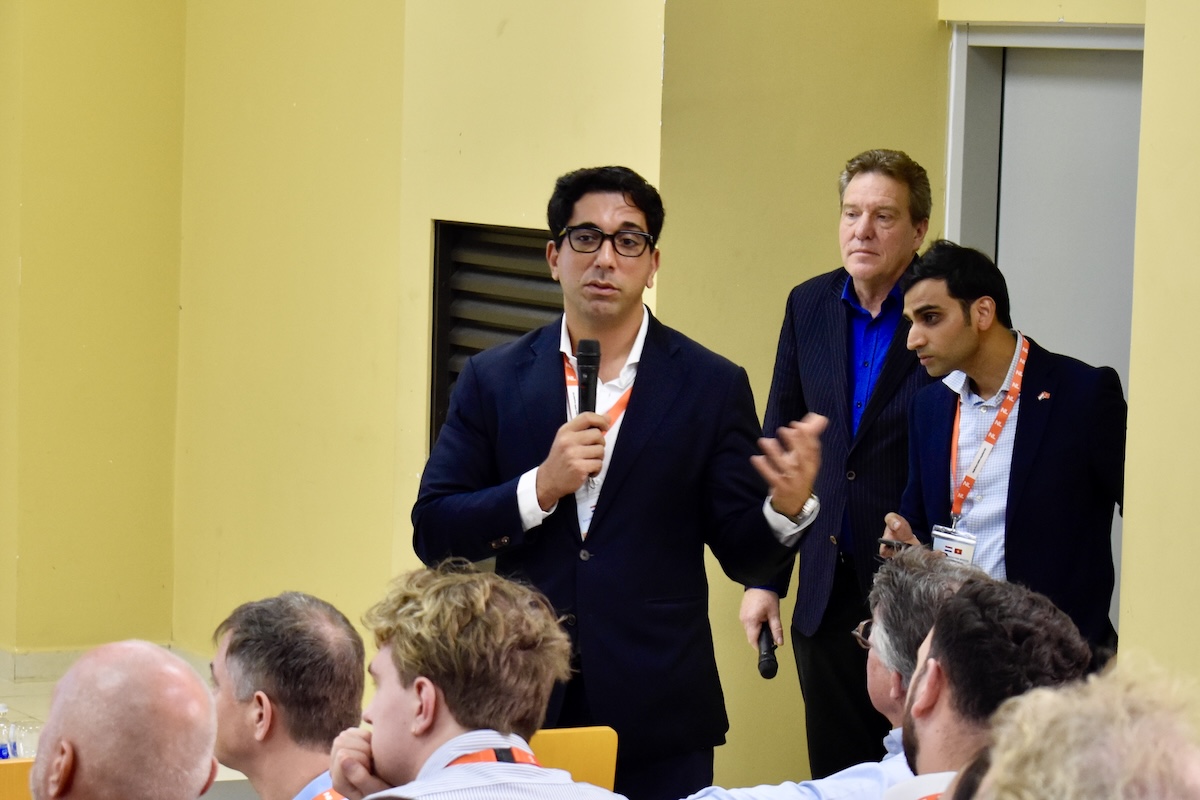
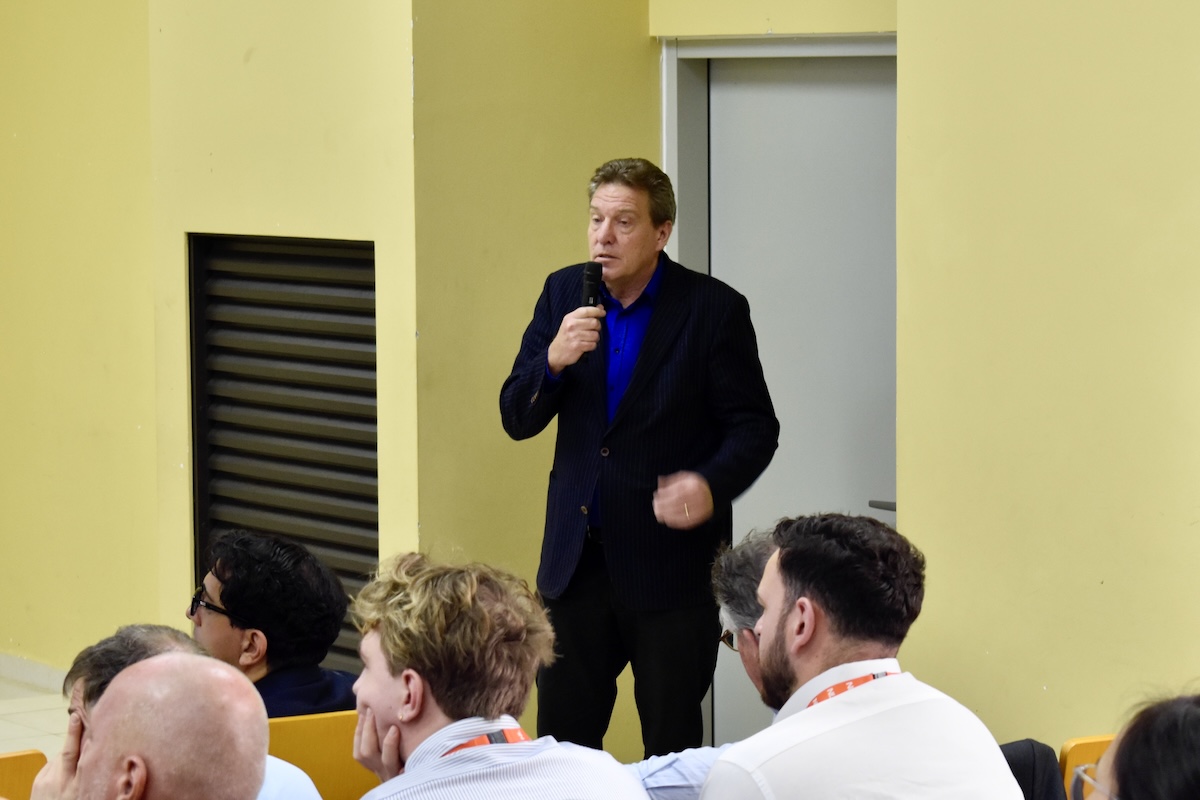
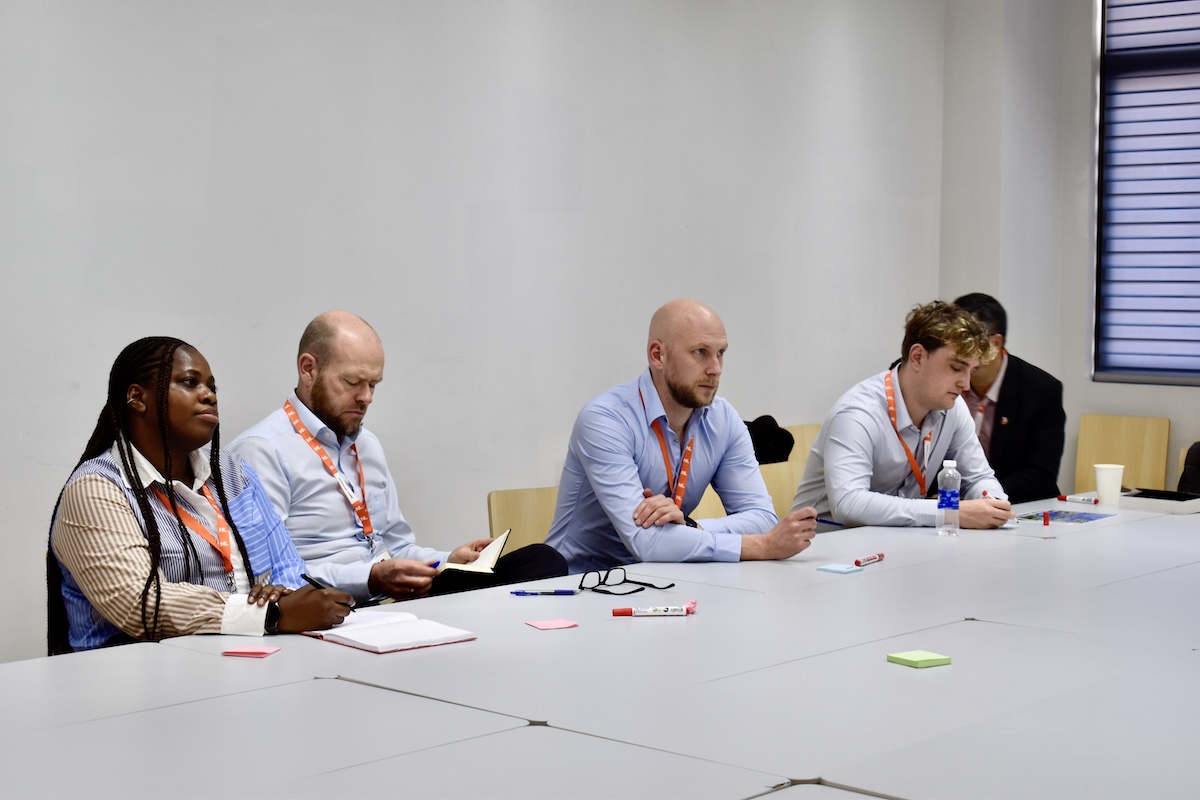
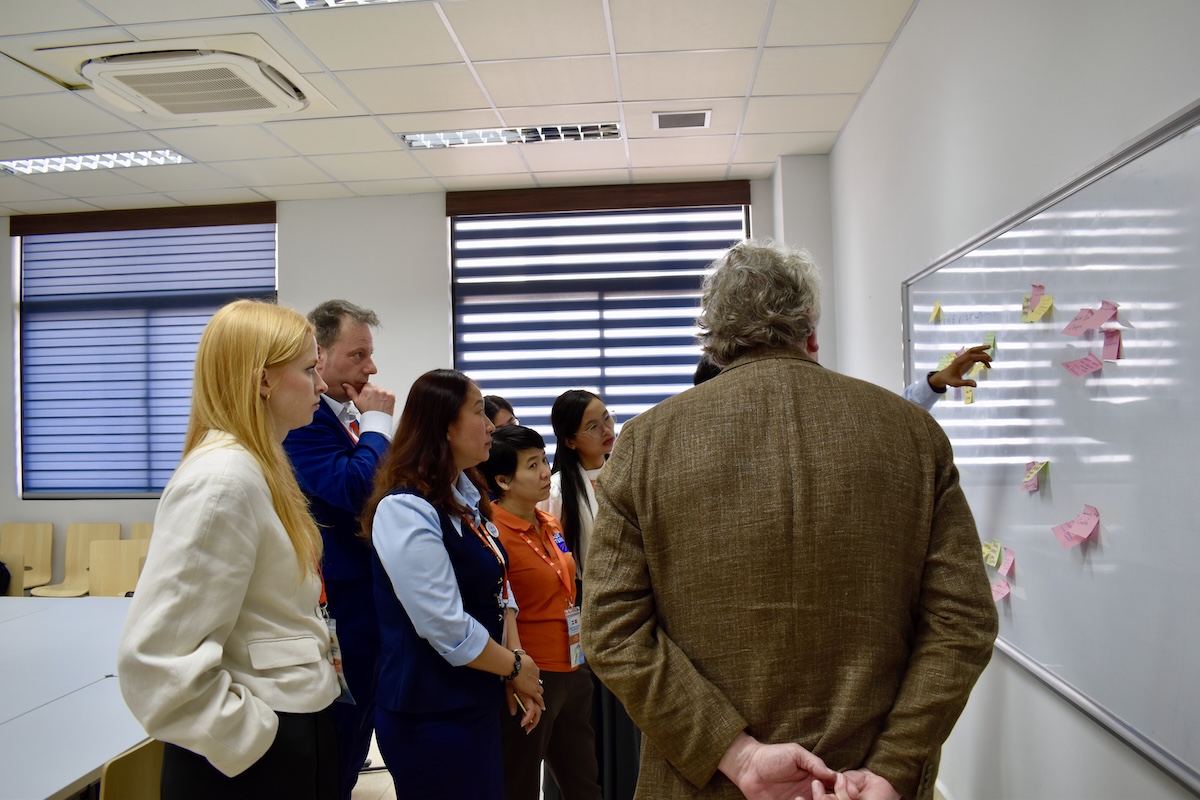
Panel discussion “Bridging the Gap and Scaling Up Impact”, moderated by Ms. Babette Bodlaender, Partnership Builder, Netherlands Food Partnership. Participants engaged in group discussions based on three pillars - Prevention, Mitigation, and Adaptation - to bridge the gap between research and practice, translating salinity management research into practical solutions and proposing pathways to scale up successful saline-adaptive agricultural models in horticulture.
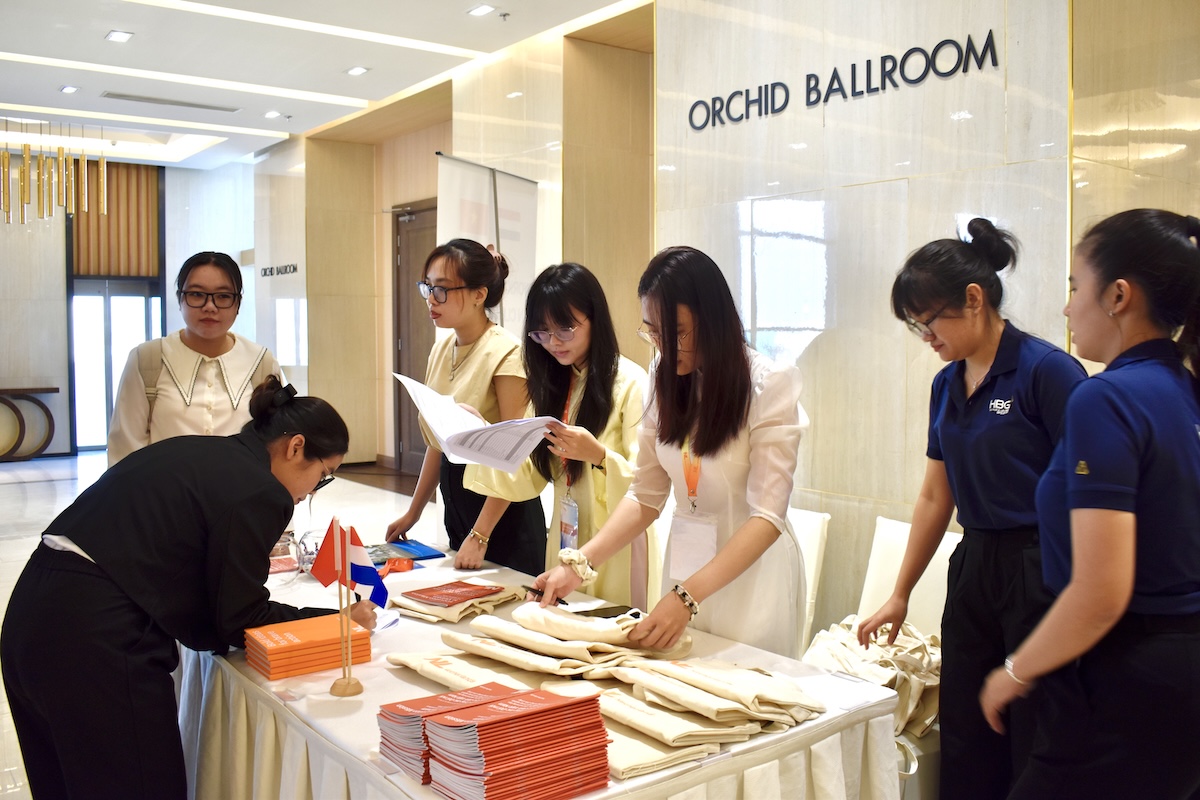
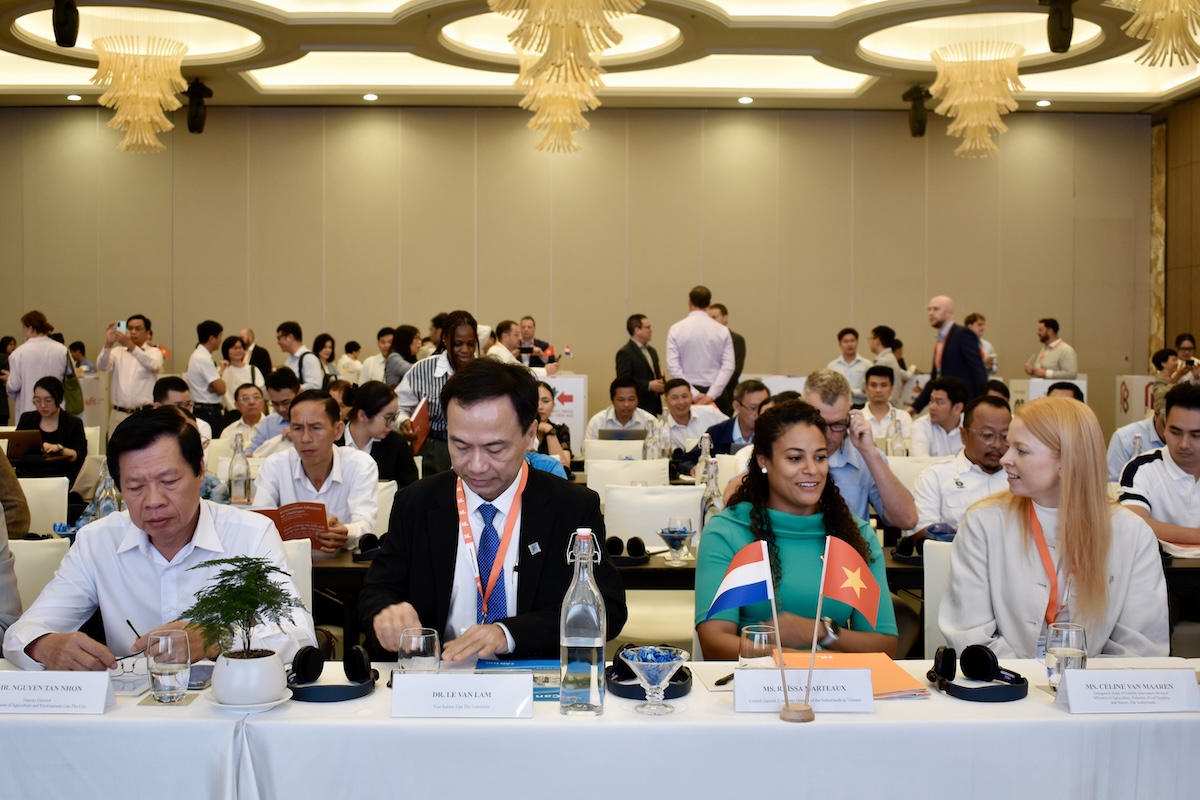
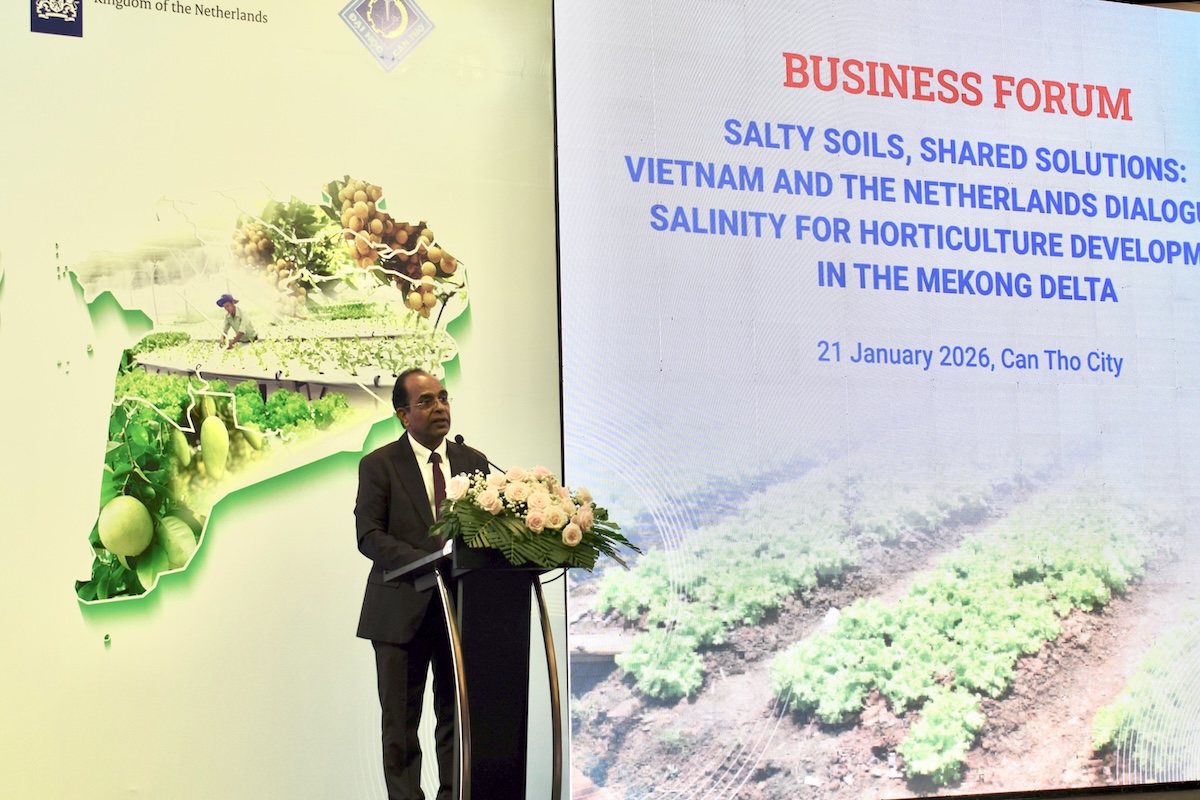
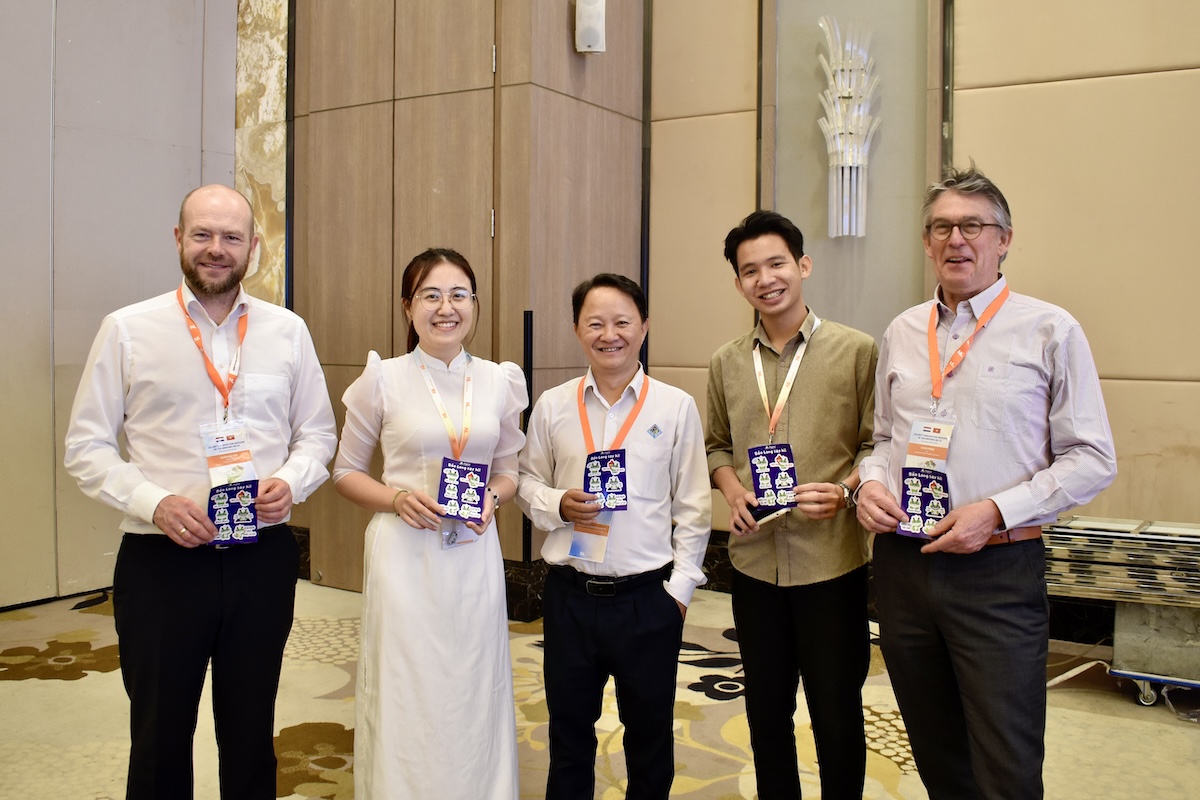
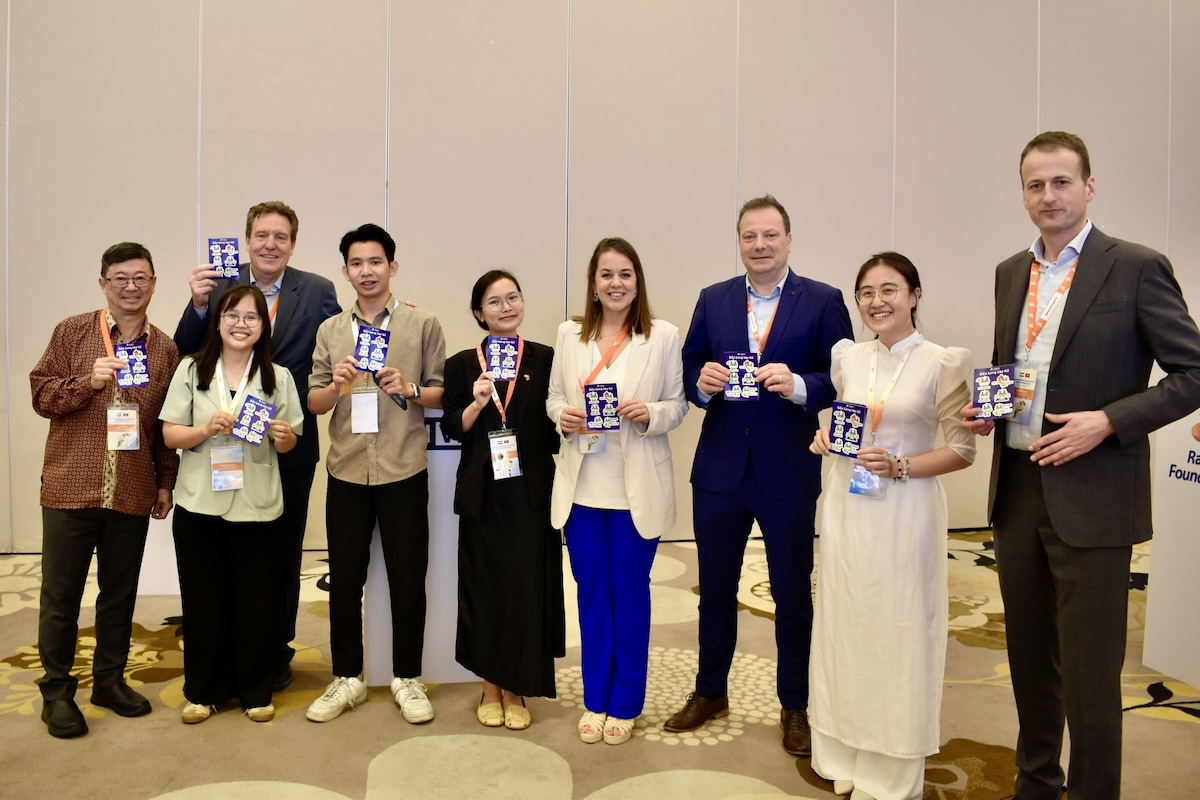
On the morning of 21 January 2026, the Business Forum: “Salty Soils, Shared Solutions: Vietnam and the Netherlands Dialogue on Salinity for horticulture development in the Mekong Delta” was held at the Sheraton Can Tho Hotel.
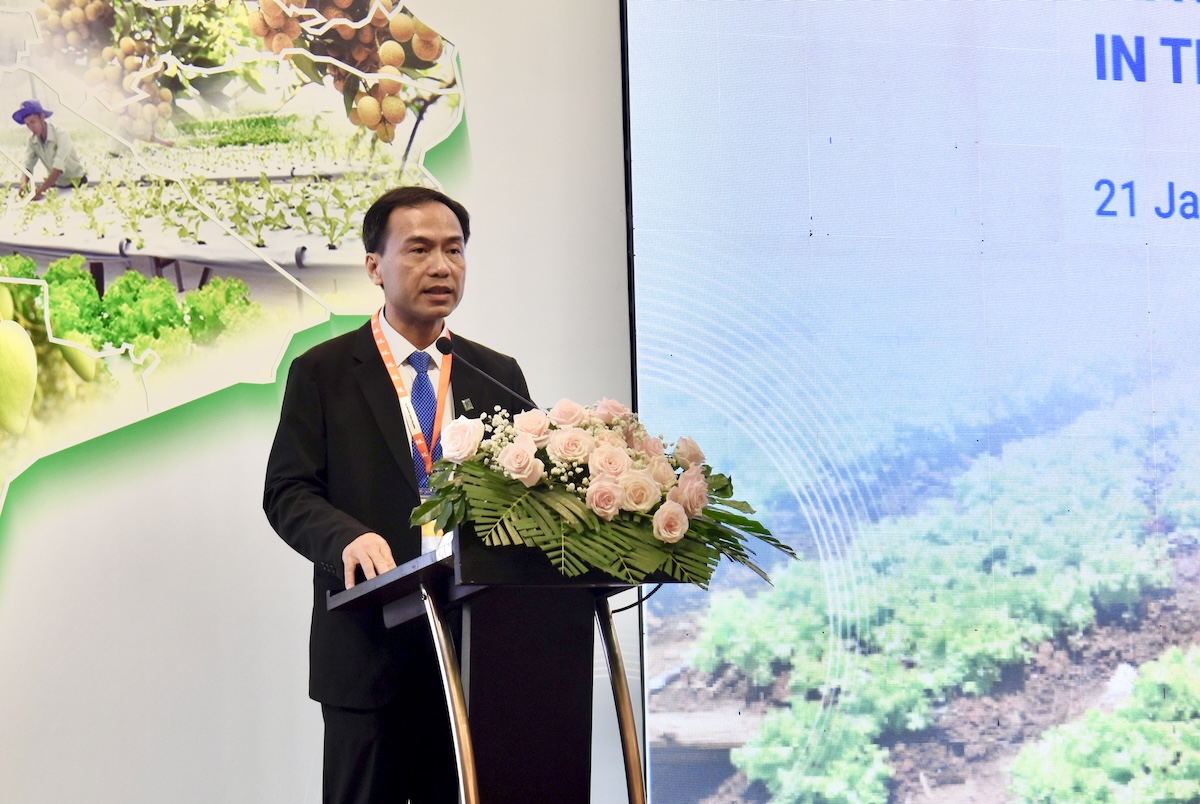
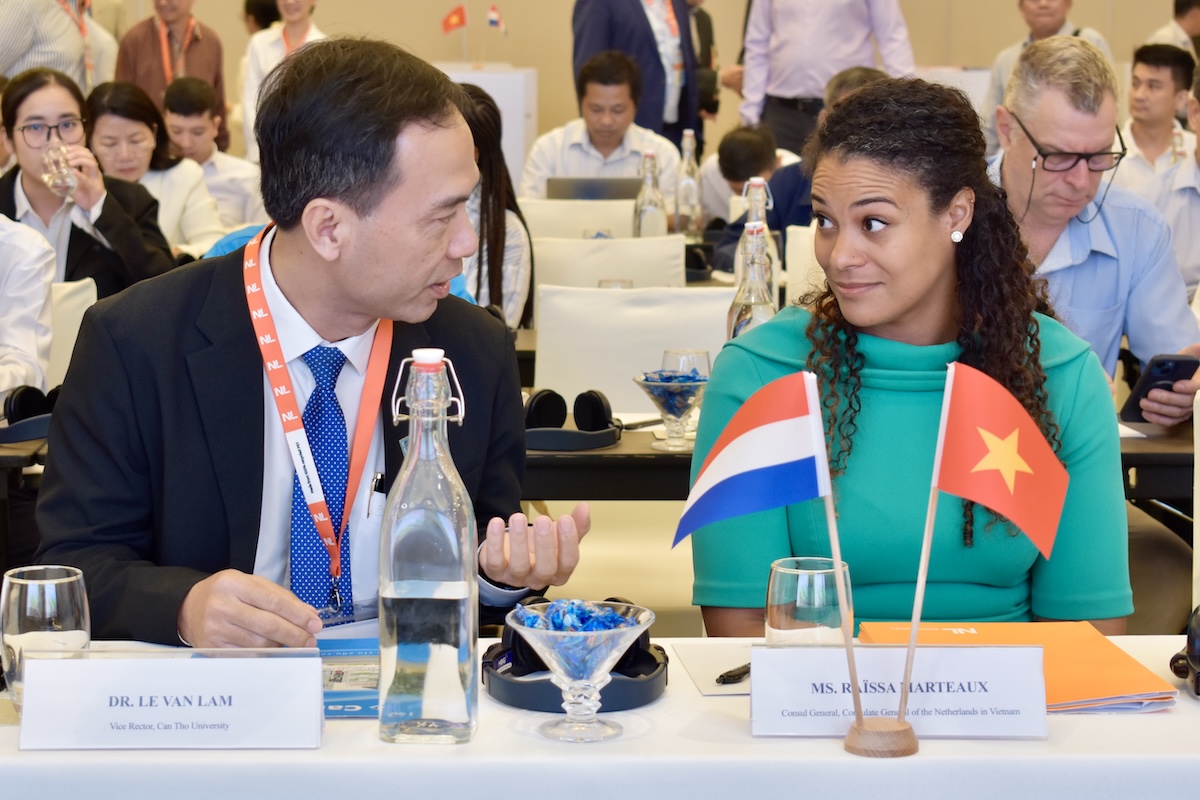
The Forum opened with welcoming remarks by Dr. Le Van Lam, Vice Rector of Can Tho University, who emphasized the role of science-business-policy cooperation in enhancing the adaptive capacity of the Mekong Delta’s horticulture sector.
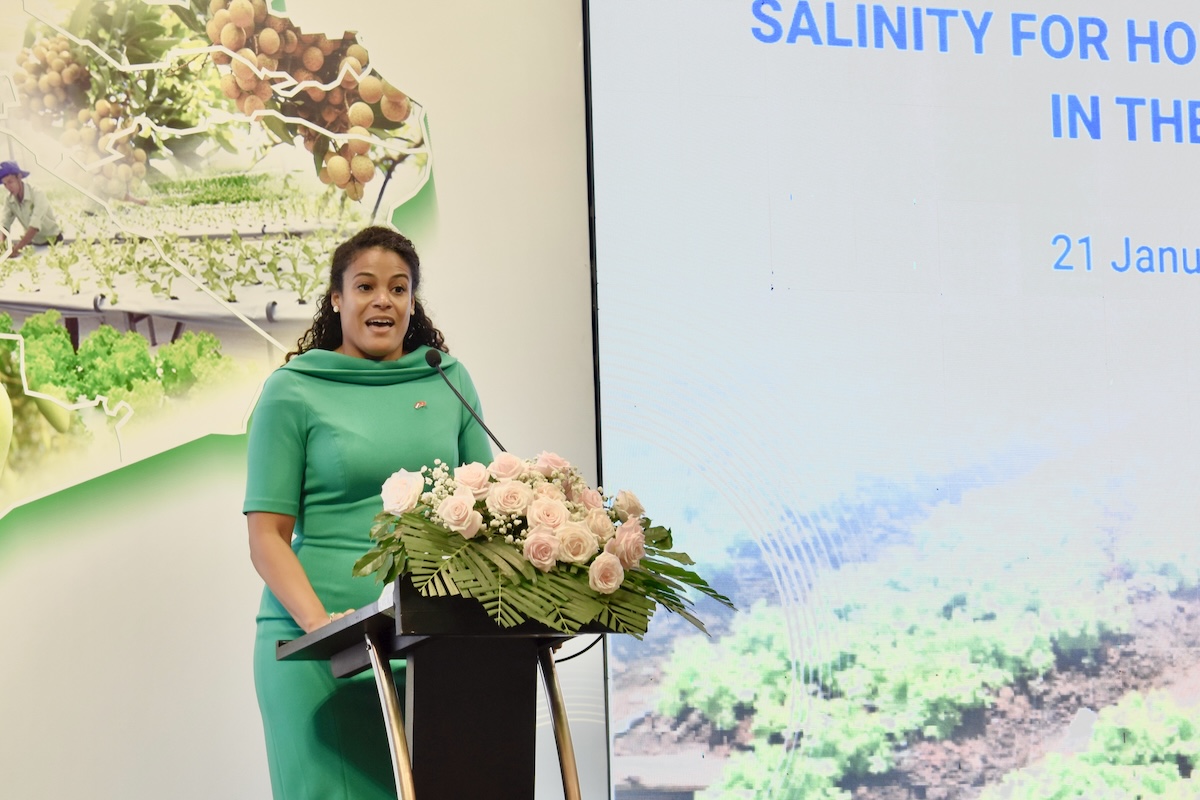
This was followed by a speech by Ms. Raïssa Marteaux, Consul General of the Kingdom of the Netherlands in Ho Chi Minh City, who reaffirmed the Netherlands’ long-term commitment to supporting Vietnam in addressing salinity intrusion through knowledge transfer, innovation, and sustainable agricultural solutions. In addition, Mr. Vinod Ahuja, FAO Representative in Vietnam, highlighted salinity intrusion as a major challenge to food security and livelihoods in the Mekong Delta, calling for strengthened multi-stakeholder cooperation and science-based solutions towards climate-smart horticulture.
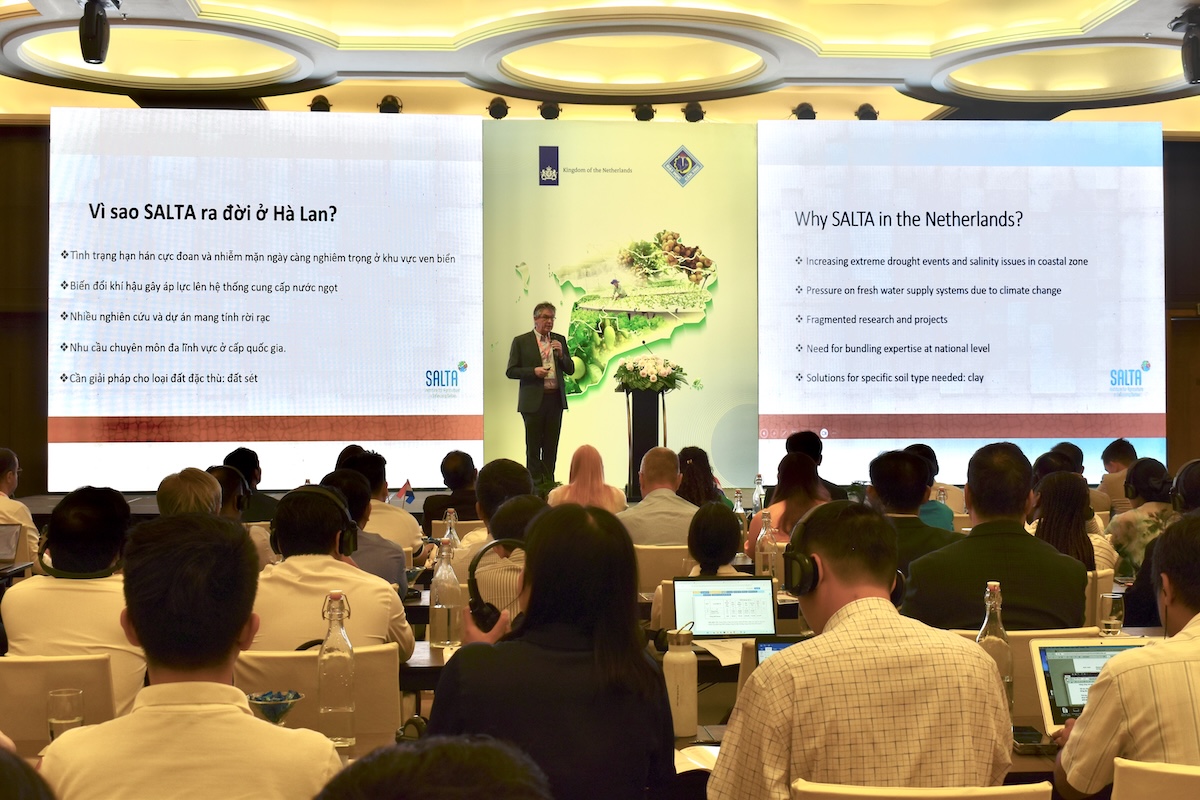
Within the framework of the Forum, experts shared in-depth analyses of salinity intrusion in the Mekong Delta, including:
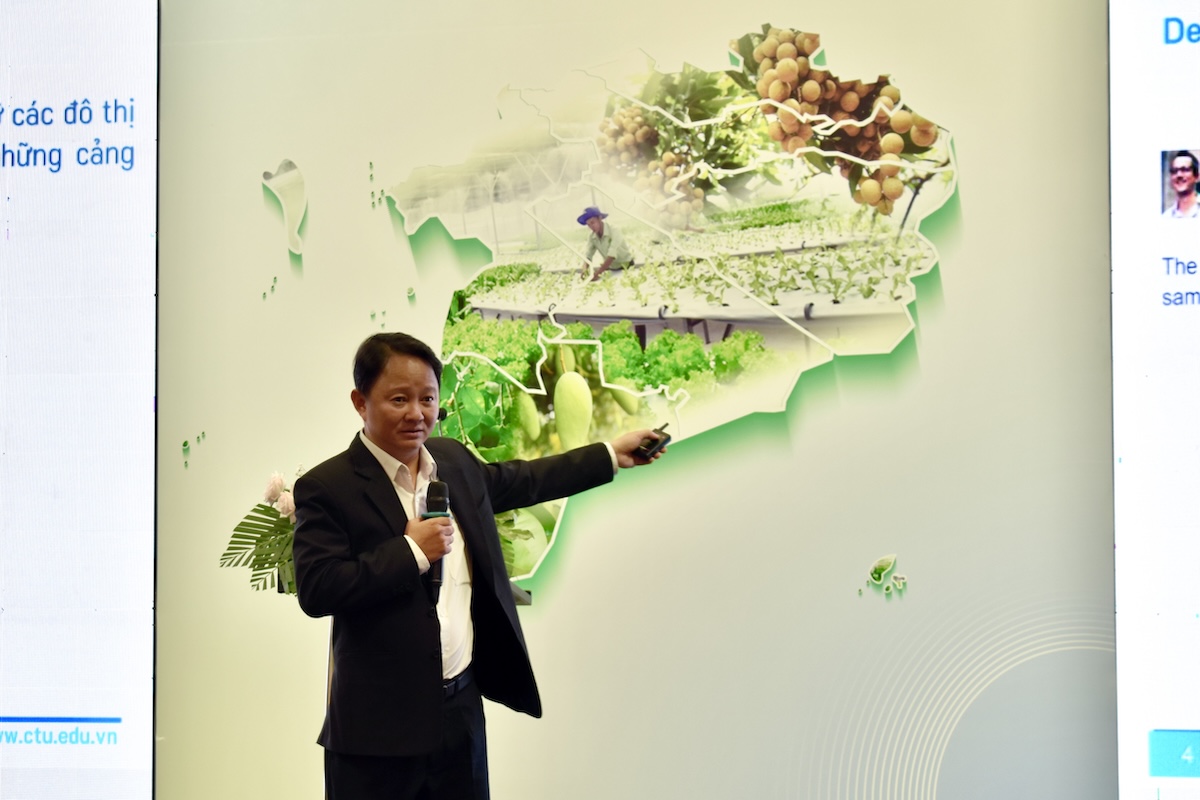
- “Salinity intrusion in the Mekong Delta: Scientific perspectives, key policy challenges, and adaptation pathways” by Assoc. Prof. Dr. Van Pham Dang Tri, Director of the Mekong Institute, Can Tho University;
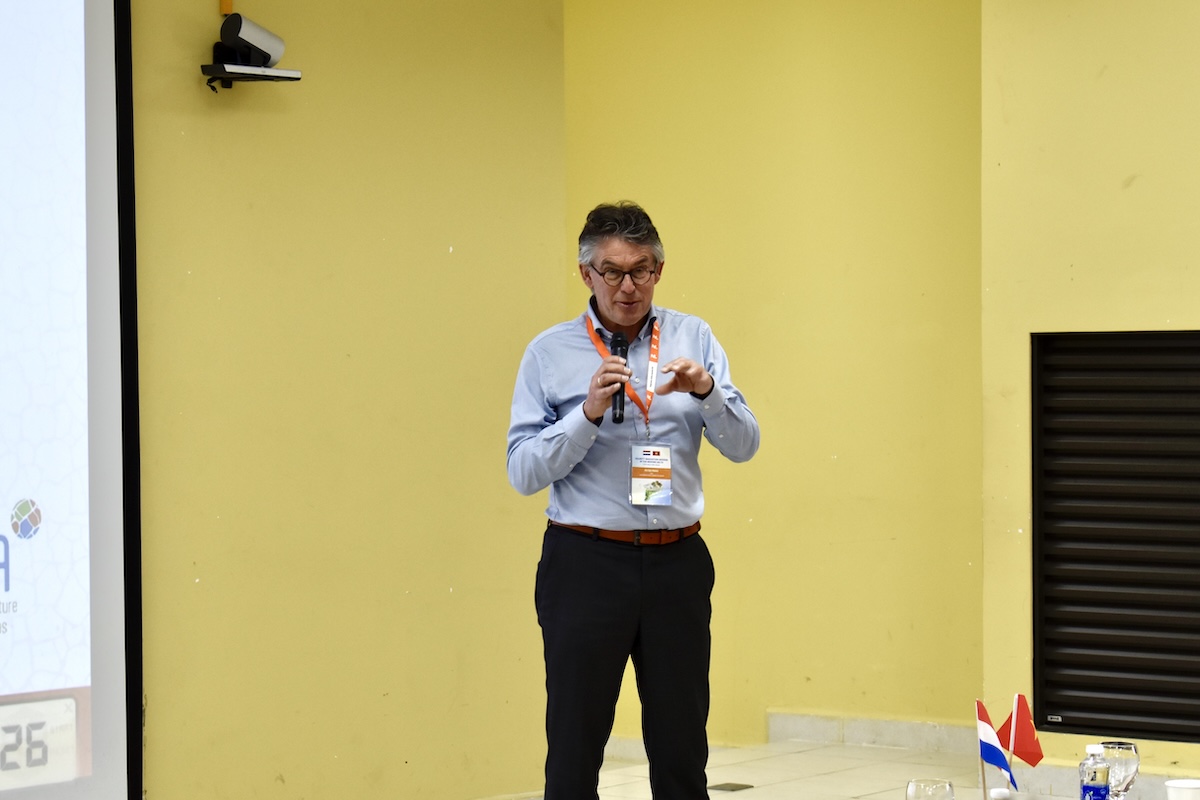
- “Dutch experience on agriculture in a saline environment” by Mr. Peter Prins, CEO of SALTA.
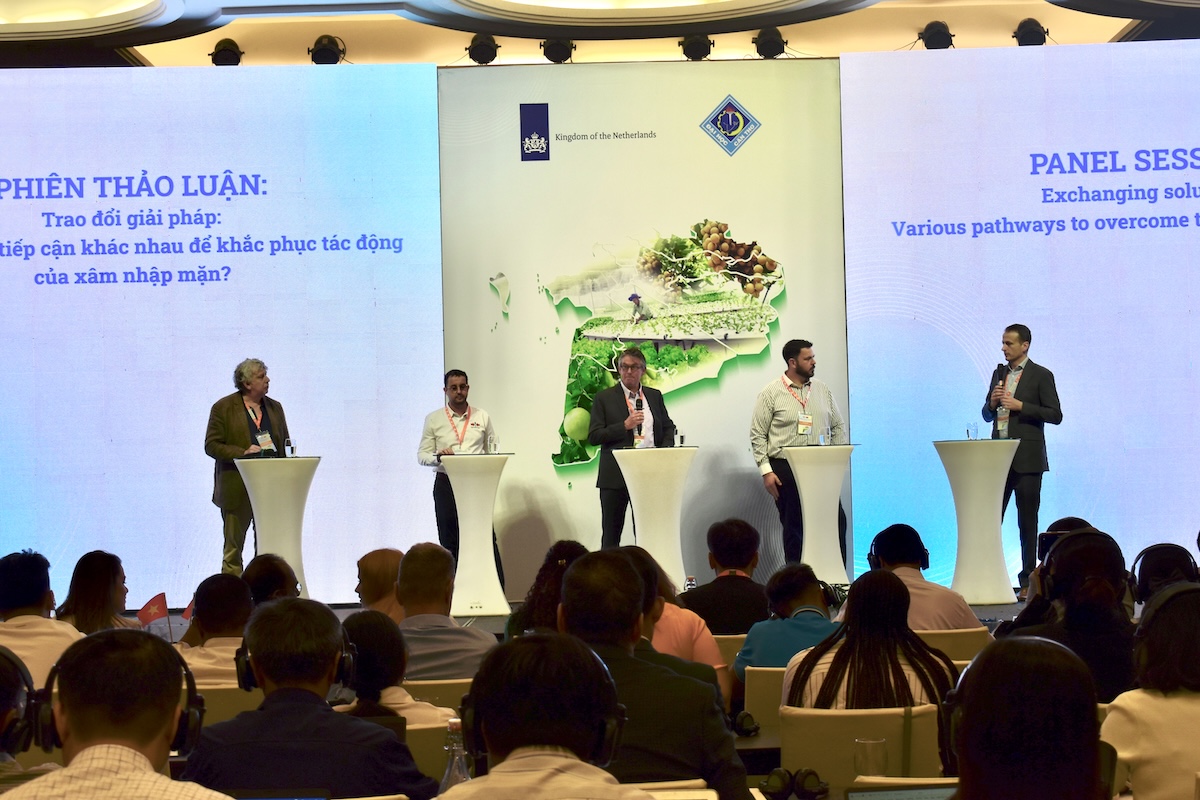
The thematic panel discussions offered diverse perspectives and practical solutions to address salinity intrusion in the development of the horticulture sector in the Mekong Delta. The three sessions focused on pathways to overcome the impacts of salinity intrusion through crop varieties, technologies, and farming systems; shared innovative models that link research, businesses, and local communities; and highlighted the importance of multi-stakeholder partnerships in advancing climate-smart horticulture in the Mekong Delta.
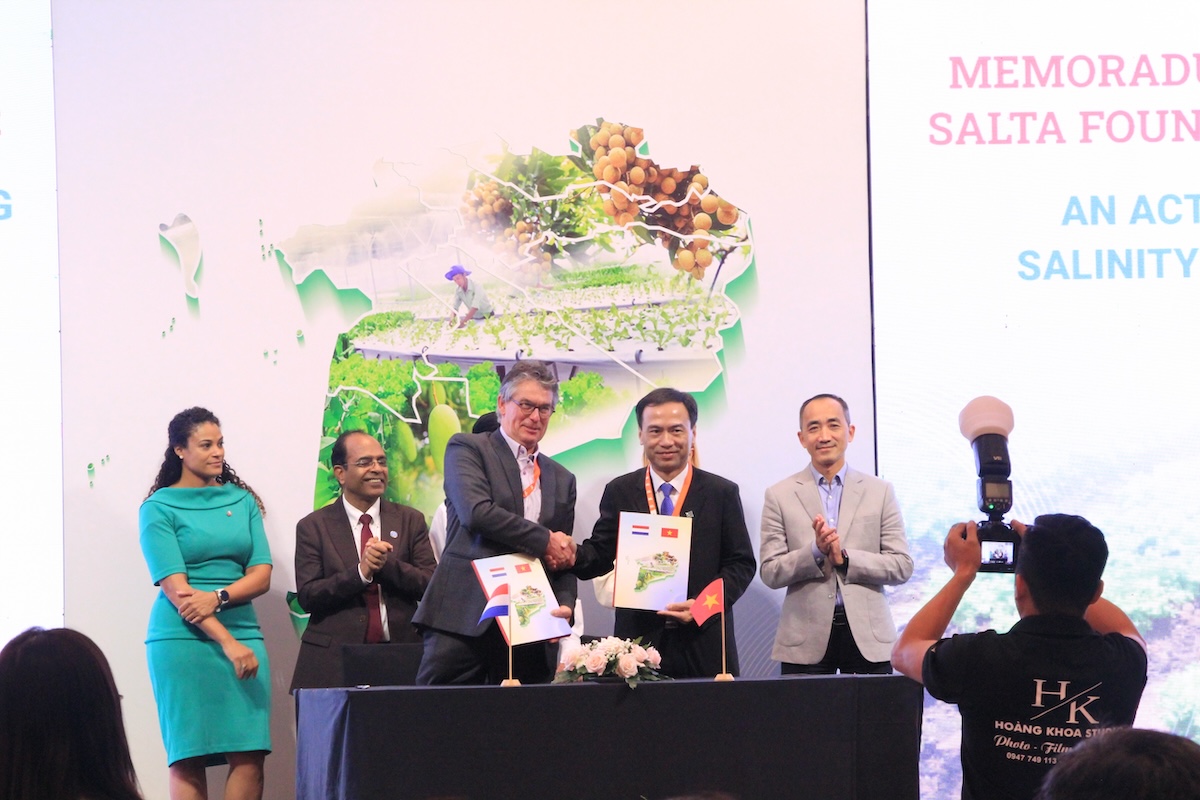
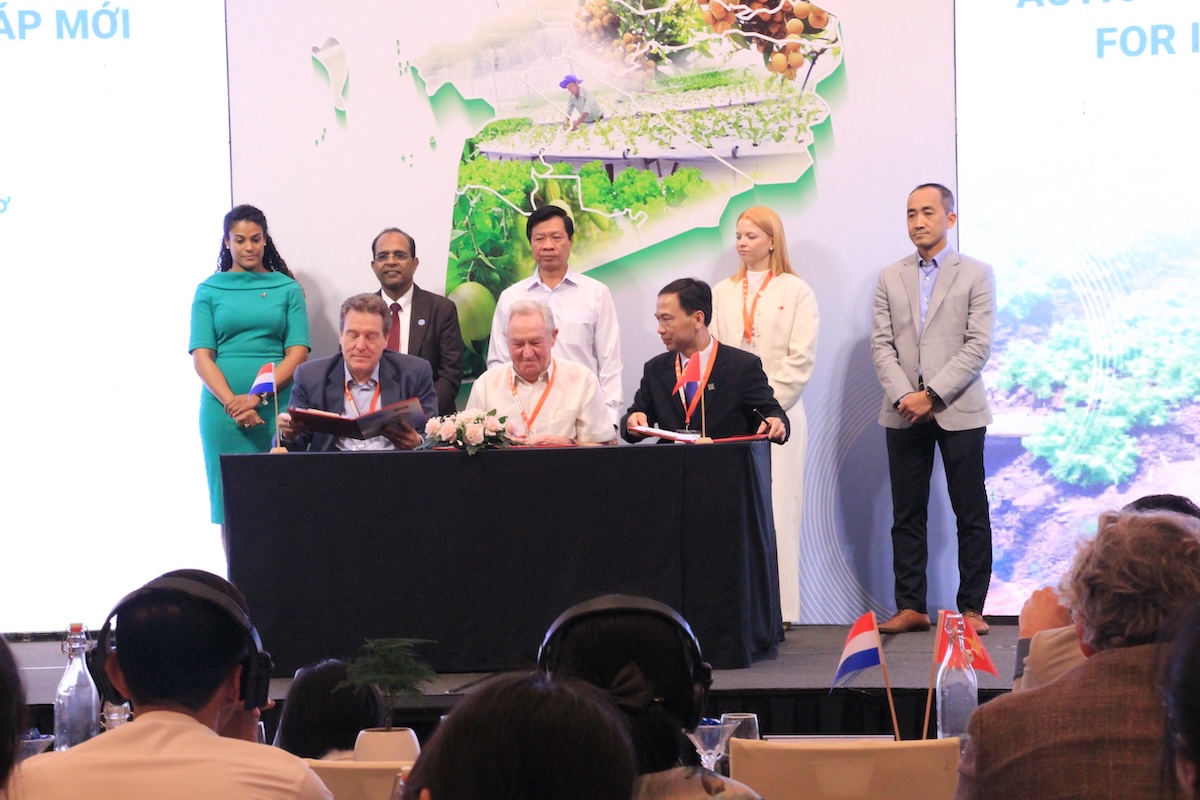
The Forum also witnessed the signing of several Memoranda of Understanding (MoUs):
- SALTA Foundation and Can Tho University: An Action-Oriented Partnership for Salinity Adaptation in the Mekong Delta.
- Mekong Products and The Salt Doctors: Collaboration on open-field hydroponic cultivation in the Mekong Delta, validating crop performance and cost-benefits.
- Rainmaker Holland, Water Innovation Consulting and Can Tho University: Collaboration on open-field hydroponic cultivation in the Mekong Delta, validating crop performance and cost-benefits.
“Can Tho University aims to ensure that scientific research is implemented in close alignment with practical needs and delivers tangible benefits to communities in the Mekong Delta,” shared Assoc. Prof. Dr. Van Pham Dang Tri after the signing ceremony.
The Forum concluded with closing remarks by Ms. Céline van Maaren, Delegation Head of the Salinity Innovation mission, Regional Coordinator OECD, Vietnam, Thailand, Oceania, Ministry of Agriculture, Fisheries, Food Security and Nature of the Netherlands, expressing expectations for strengthened Vietnam-Netherlands partnerships in promoting innovation and climate-resilient horticulture towards a sustainable Mekong Delta.