
In the context of climate change increasingly affecting the livelihoods of coastal communities in the Mekong Delta, the project “Empowering Climate-Resilient Women – Transforming Livelihoods through Indigenous Resources (WILA)” is implemented with funding from the Embassy of Canada through the Canada Fund for Local Initiatives (CFLI), aiming to strengthen climate resilience for women.
WILA Project – Towards Sustainable Livelihoods and Gender Equality
The WILA project is jointly implemented by the Mekong Institute, Can Tho University, the Center for Women’s Development in the Mekong Delta, and the People’s Committee of Hoa Tu commune. The project is implemented from December 2025 to February 2027 at the Hoa De Aquaculture Cooperative, Hoa Tu commune, Can Tho City—an area heavily affected by saline intrusion and seasonal salinity fluctuations.
Within the framework of the project, the first technical training session entitled “Production and Cultivation of Indigenous Microbial Products for Aquaculture Ponds” was held at the Hoa De Aquaculture Cooperative on January 19, 2026. The training was directly facilitated by Assoc. Prof. Dr. Nguyen Khoi Nghia, Vice Head of the Department of Soil Science, College of Agriculture, Can Tho University. The activity aimed to provide practical knowledge on the application of microorganisms in shrimp farming, contributing to the development of circular, sustainable shrimp–rice farming models that are adaptive to climate change. The training attracted 60 participants, including members of the Hoa De Aquaculture Cooperative, representatives of the Women’s Union, Youth Union, Farmers’ Union, officials from the Hoa Tu Commune People’s Committee, as well as staff and students from Can Tho University.
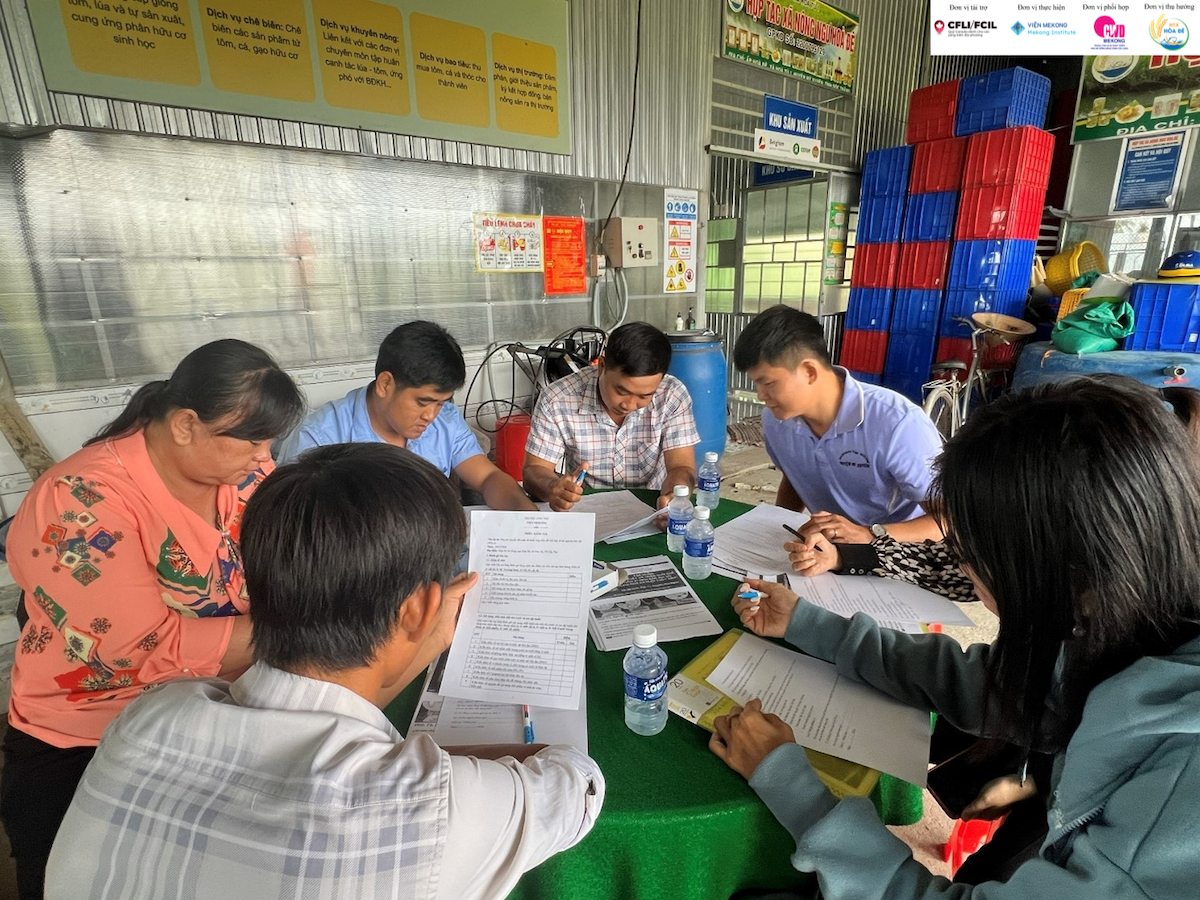
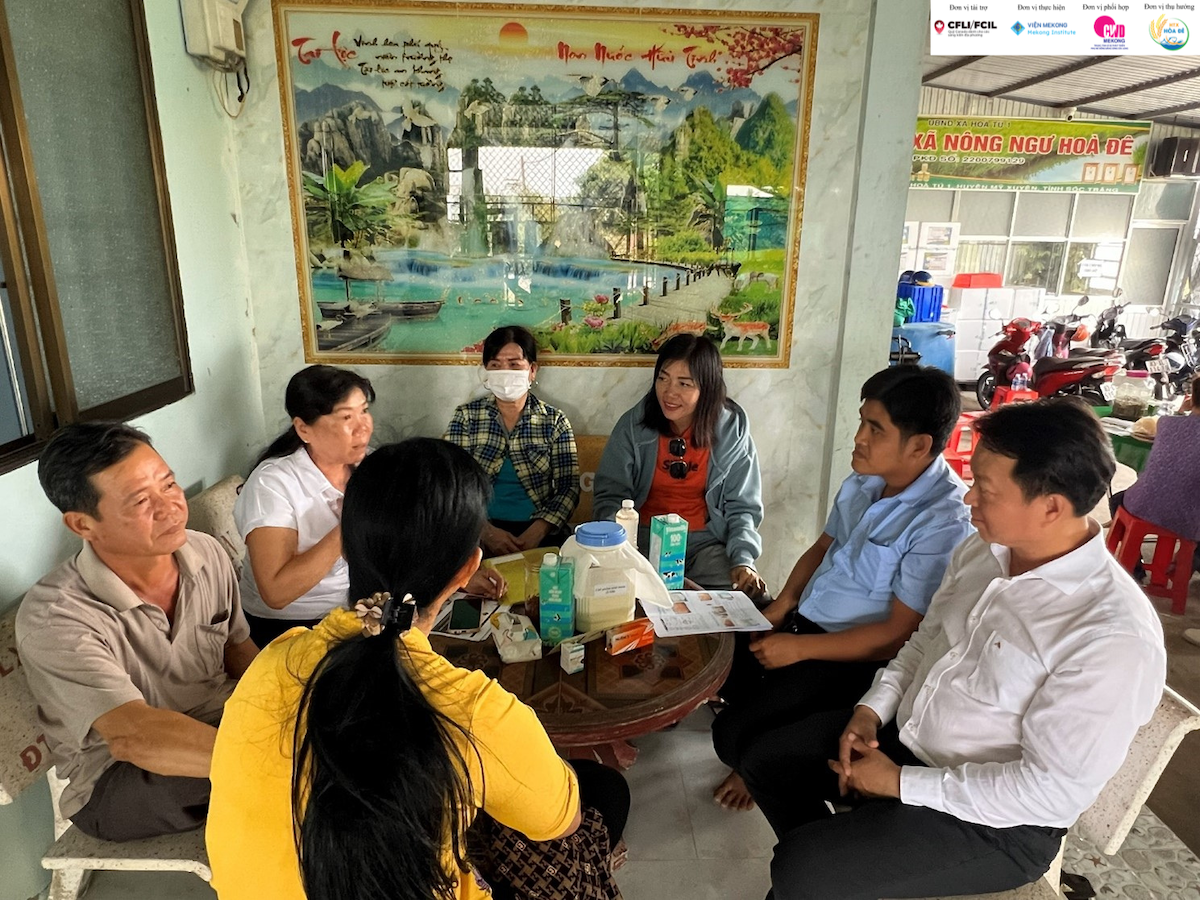
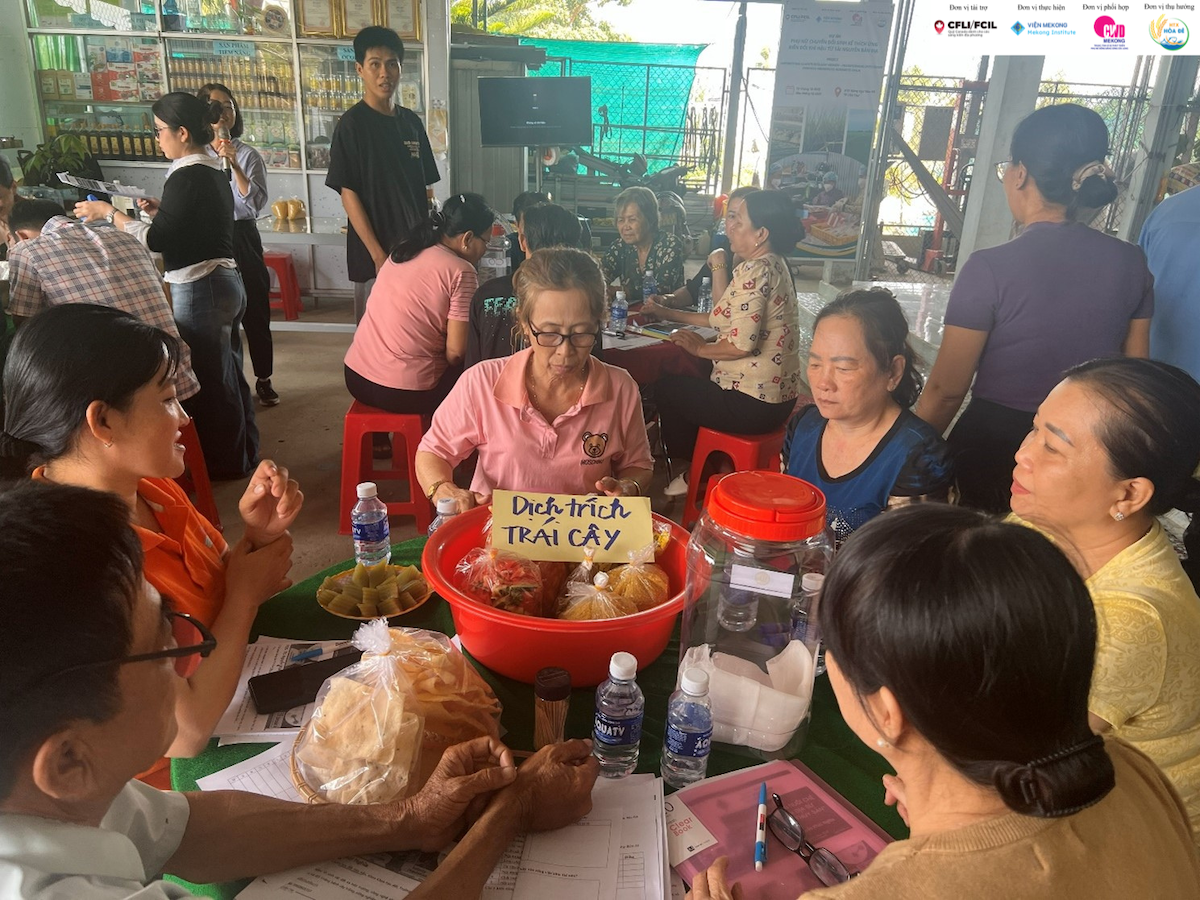
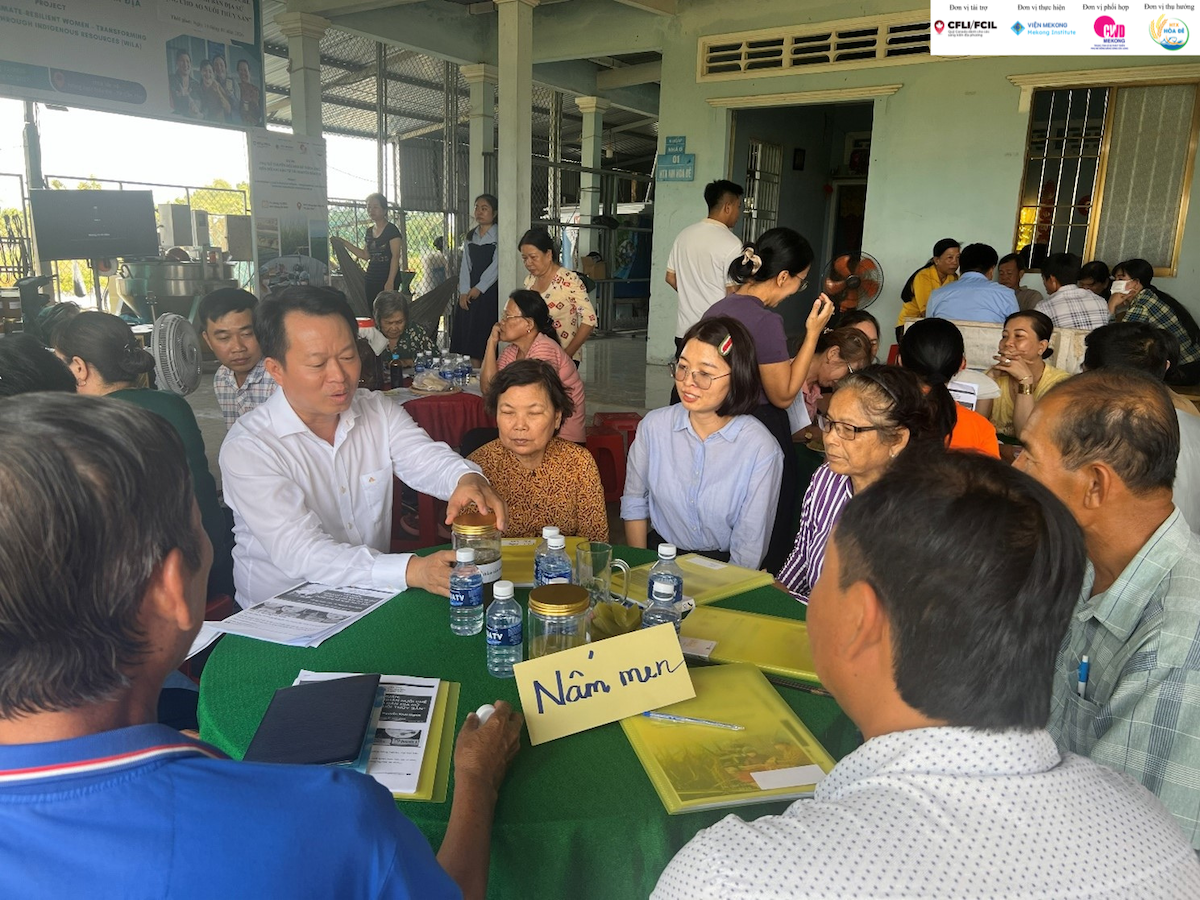
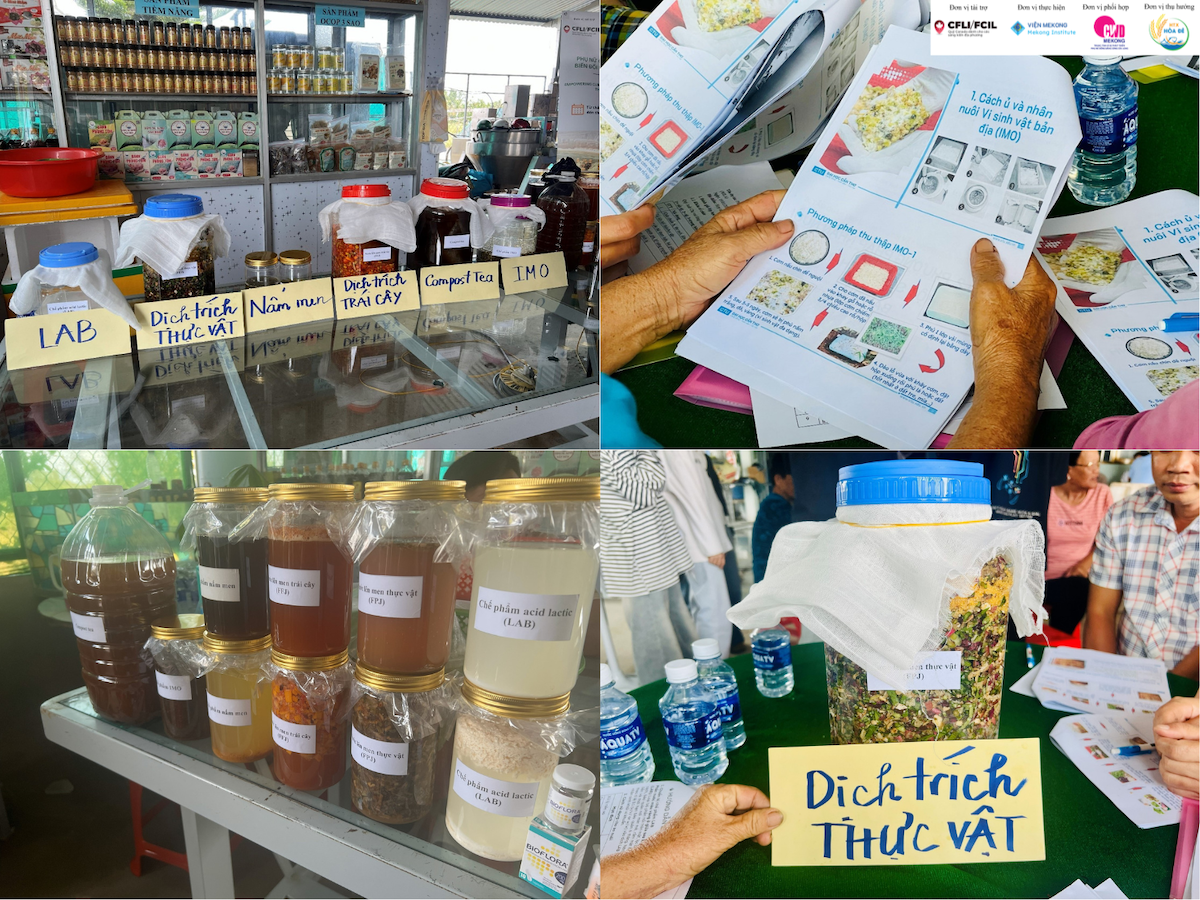
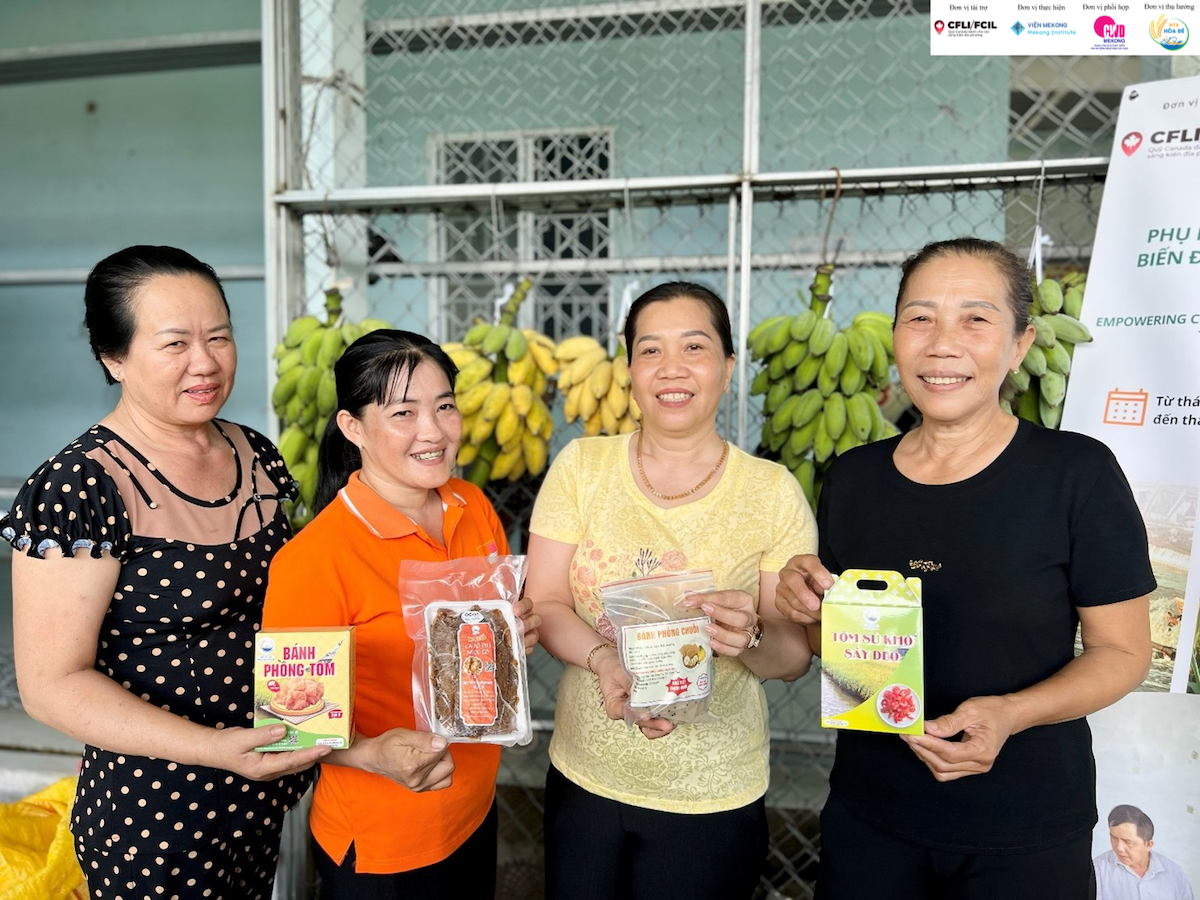
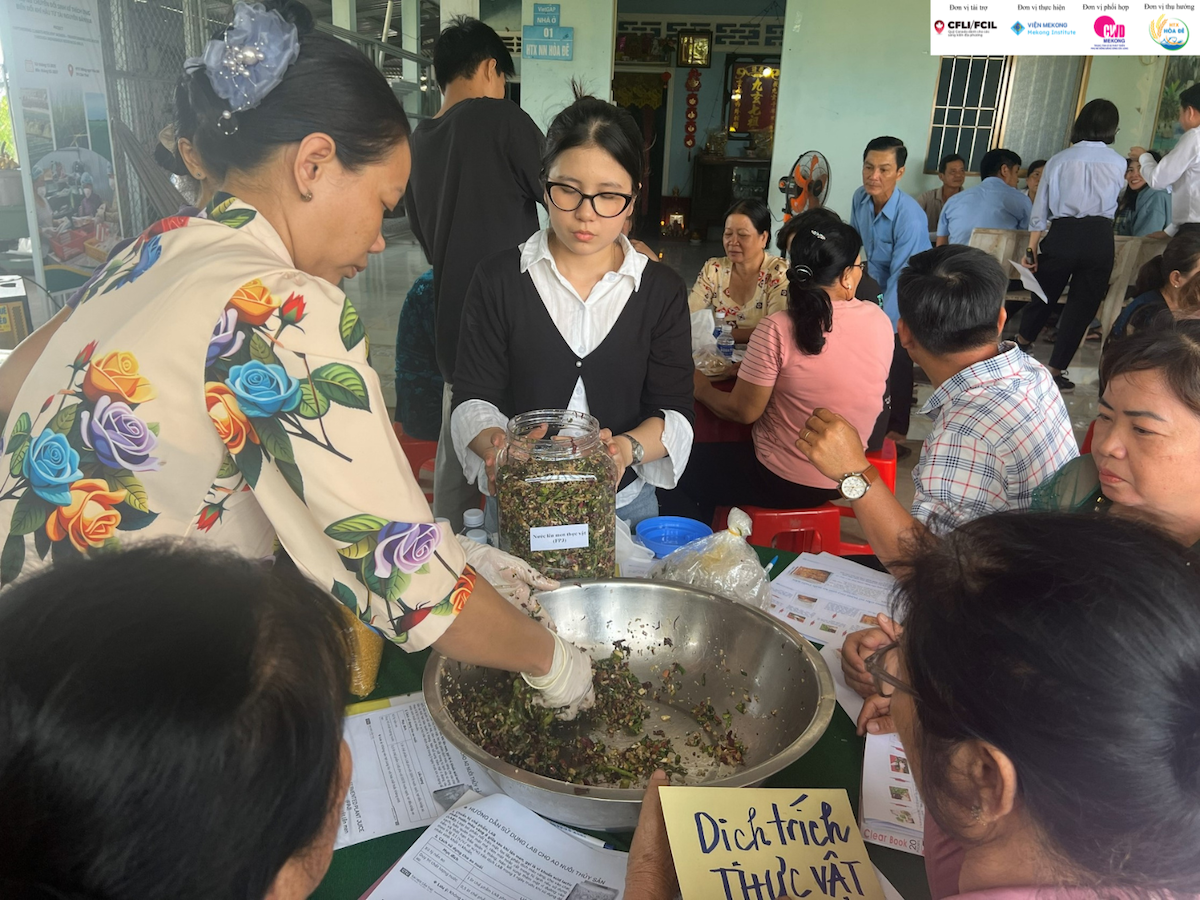
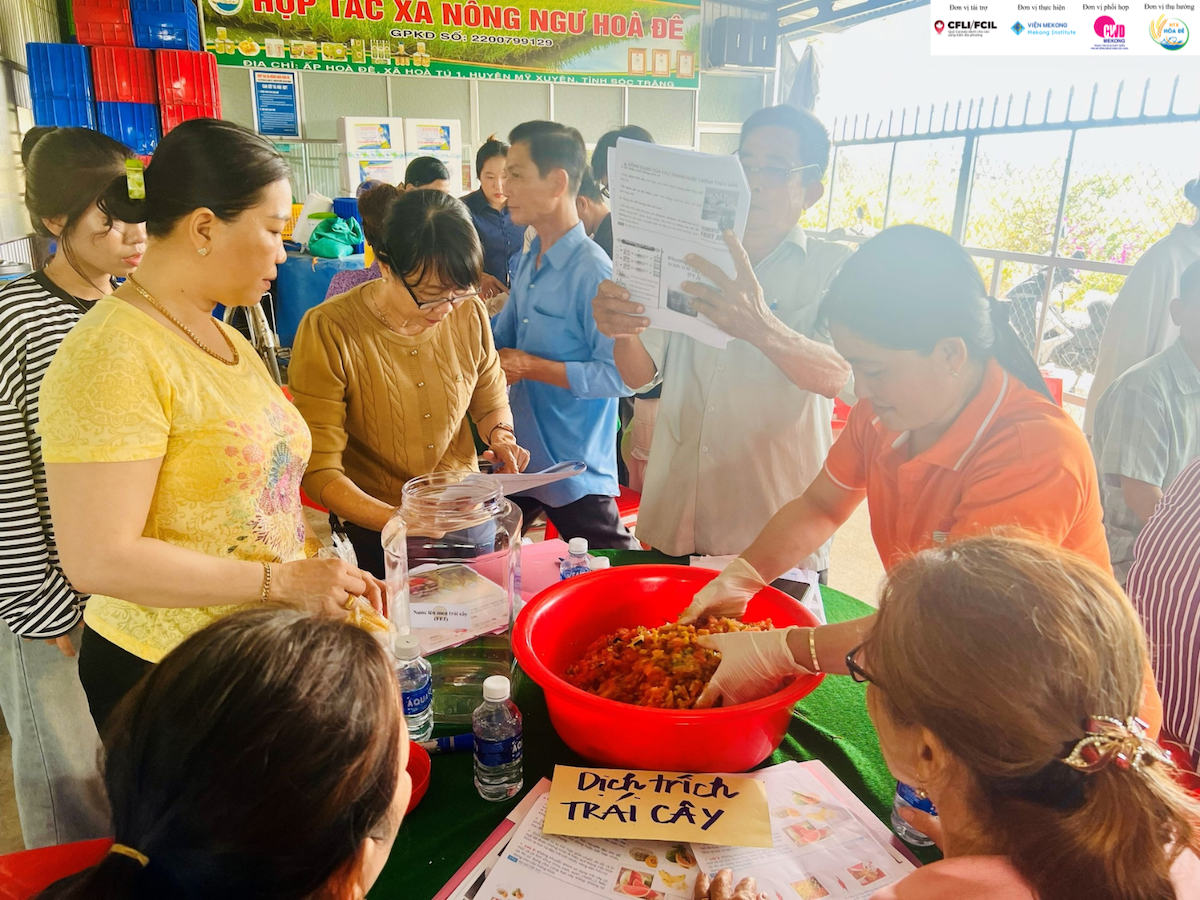
The training focused on equipping participants with knowledge and practical skills in sourcing, cultivating, and applying microbial products for managing pond and field environments in a biological, safe, and sustainable manner. This approach is considered an important solution to reduce reliance on chemicals and antibiotics, while improving economic efficiency in aquaculture production.
In addition to theoretical content, participants were guided through hands-on practices in producing and using six types of microbial products, including:
- Indigenous Microorganisms (IMO1–IMO4);
- Lactic Acid Bacteria (LAB);
- Fermented Plant Juice (FPJ);
- Fermented Fruit Juice (FFJ);
- Compost Tea;
- Yeast products (Saccharomyces spp.).
Participants received detailed guidance on selecting locally available materials, fermentation and cultivation processes, and proper timing and dosage for applying microbial products to aquaculture ponds, rice fields, vegetable crops, and organic composting. Many practical questions from farmers regarding water treatment, prevention of hepatopancreatic and intestinal diseases in shrimp, and reduction of production costs were discussed and clearly addressed by the trainer.
Alongside highlighting the benefits, the training also emphasized that effective use of microbial products requires strict adherence to technical procedures and appropriate environmental conditions. Therefore, the training placed strong emphasis on practical guidance, encouraging farmers to conduct pilot applications and closely monitor the use of microbial products in their production practices.
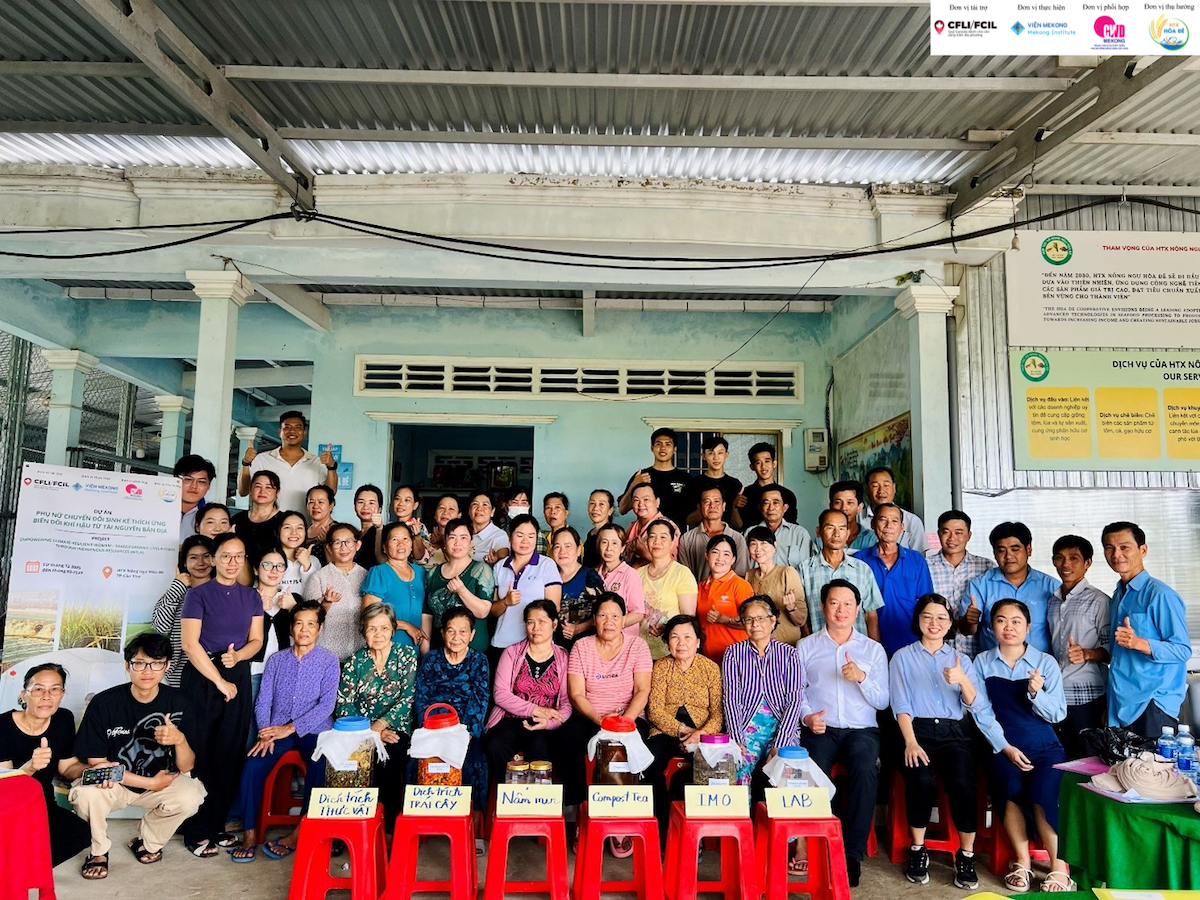
Through the training, six groups were established to pilot microbial cultivation models. Participants not only enhanced their understanding of beneficial microorganisms in aquaculture but also gradually adopted environmentally friendly and climate-resilient biological farming practices. The activity contributes to promoting the transition towards safe, sustainable aquaculture models with long-term economic efficiency for local communities.
The WILA project is implemented to promote climate-resilient livelihood development within local communities, thereby contributing to the achievement of the Sustainable Development Goals (SDGs) in the Mekong Delta. Specifically, the project contributes to Goal 2 (Targets 2.3, 2.4); Goal 4 (Targets 4.5, 4.7); Goal 5 (Targets 5.5, 5.7); Goal 6 (Targets 6.3, 6.b); Goal 8 (Targets 8.2, 8.3, 8.4); Goal 9 (Target 9.3); Goal 10 (Targets 10.2, 10.3); Goal 12 (Targets 12.1, 12.2, 12.3, 12.5, 12.6, 12.8, 12.a); Goal 13 (Targets 13.1, 13.3); and Goal 14 (Target 14.1).
#CFLI and #CLFIVietnam #ViệnMekong #CTU #CWD
#WILA #PhụNữChuyểnĐổiSinhKế #SinhKếBềnVững