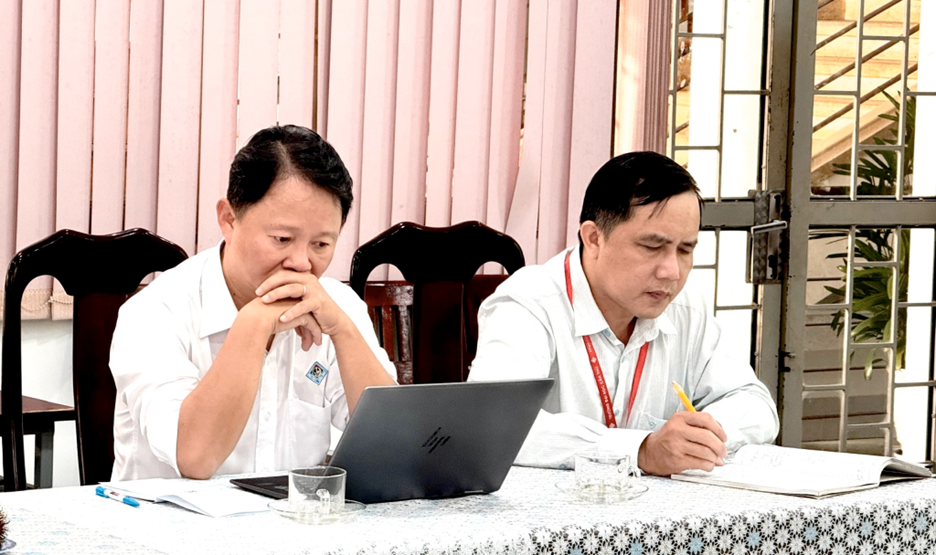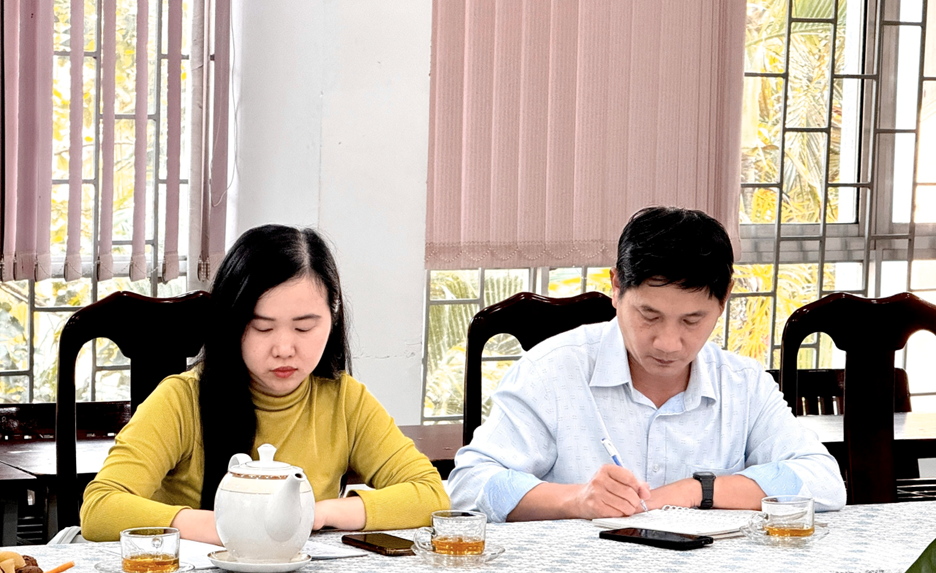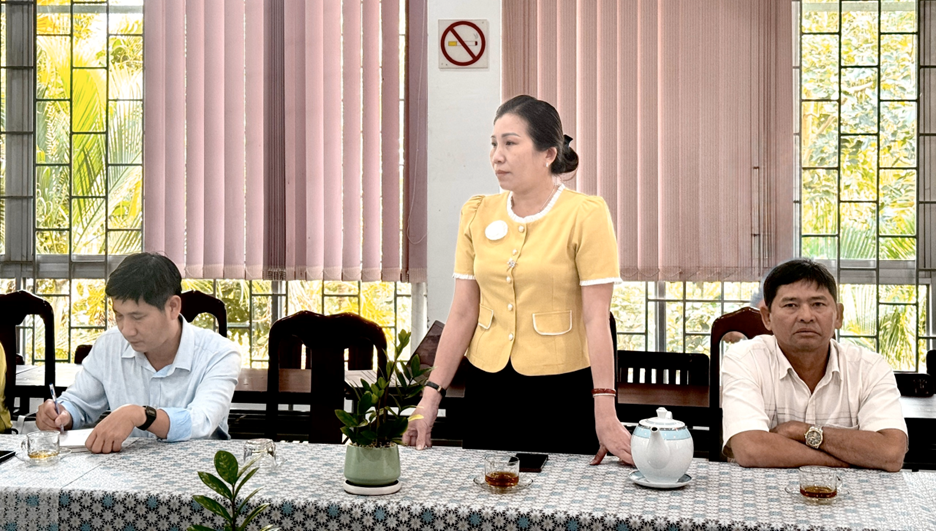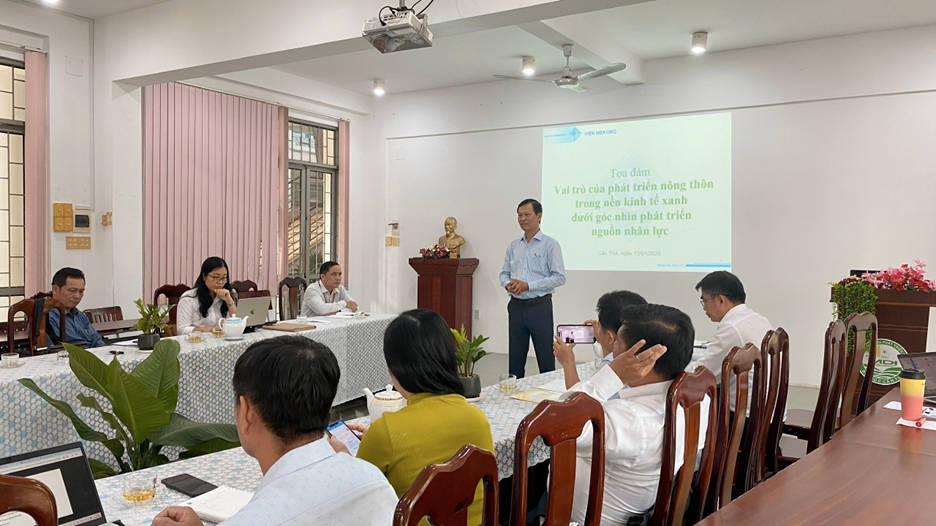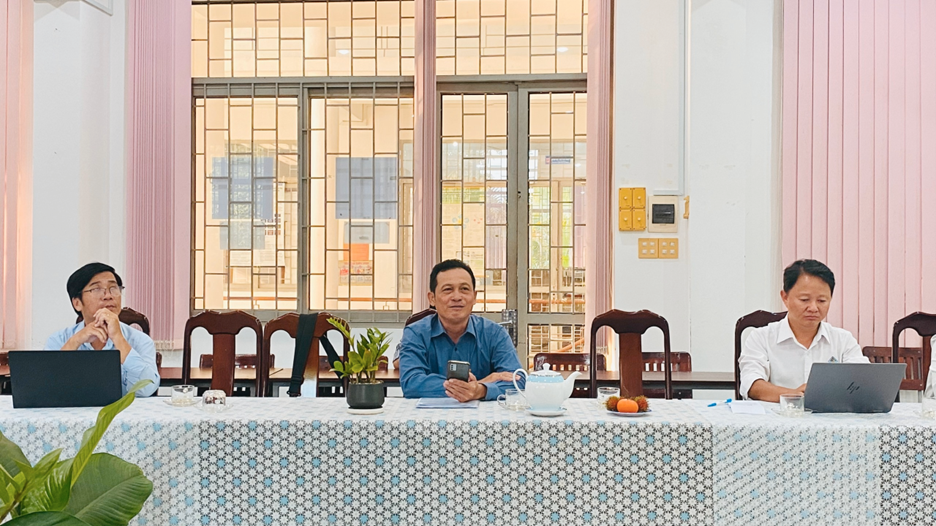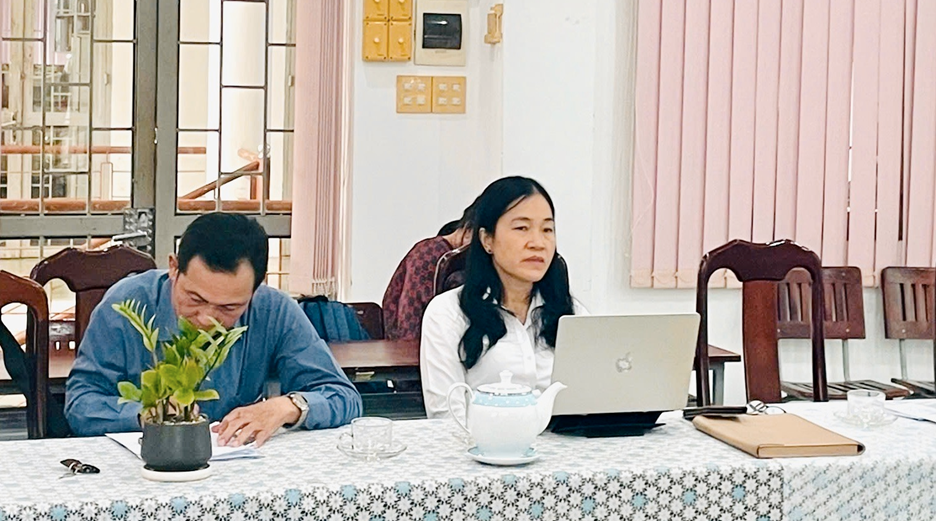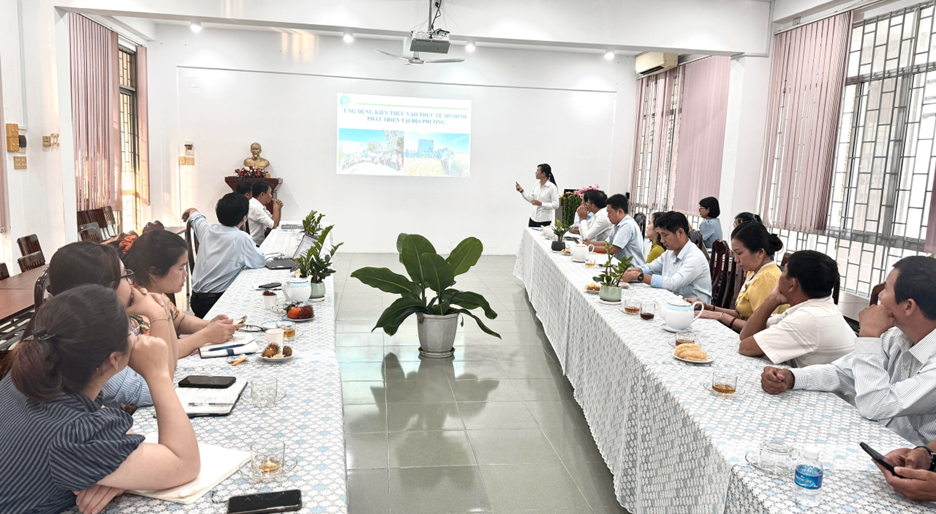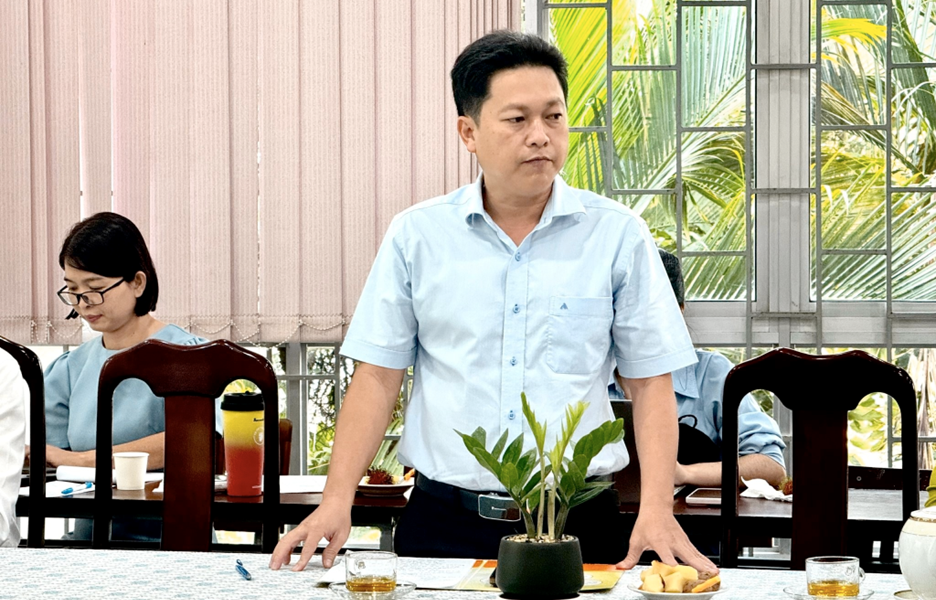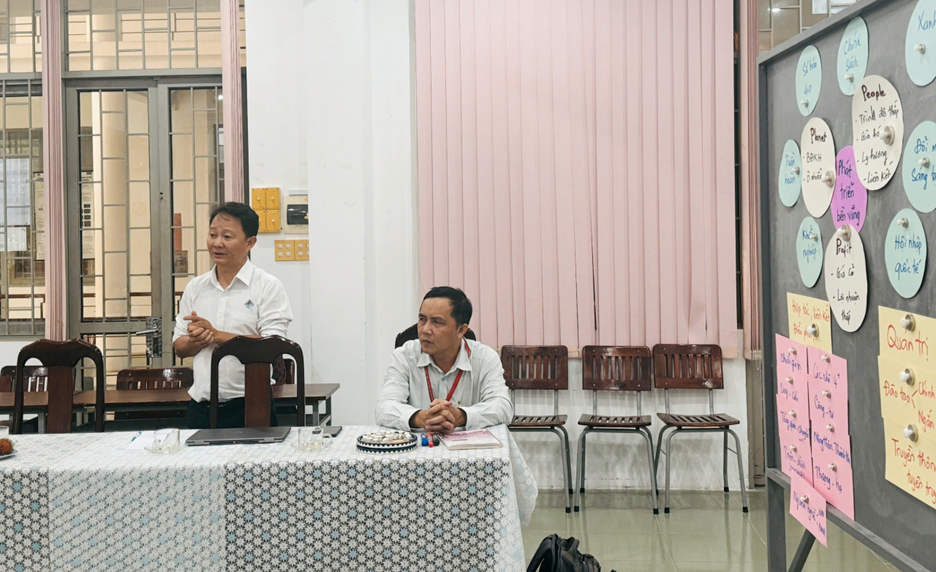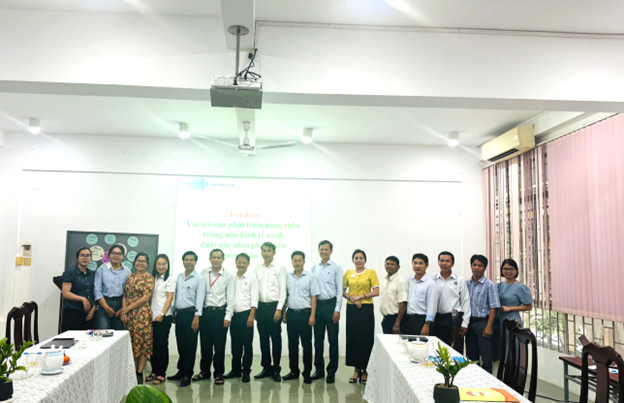
On the afternoon of January 13, 2026, the Mekong Institute, Can Tho University organized a seminar entitled “The Role of Rural Development in the Green Economy from a Human Resource Development Perspective.”
The seminar aimed to exchange and share achievements, challenges, and practical lessons in agricultural and rural development, thereby contributing to orientations for improving the quality of human resources to support the transition of the rural economy toward a green and sustainable pathway.
The seminar was held at the Mekong Institute with the participation of the Institute’s leadership; scientists and experts; representatives of local departments and agencies; grassroots-level managers; and enterprises operating in the agricultural and rural sectors in the Mekong Delta region.
In his opening remarks, Assoc. Prof. Dr. Van Pham Dang Tri, Director of the Mekong Institute, emphasized the pivotal role of rural development in the context of transitioning toward a green economy. He highlighted the urgent need to develop human resources with sufficient capacity to adapt to new economic models that are environmentally friendly and sustainable.
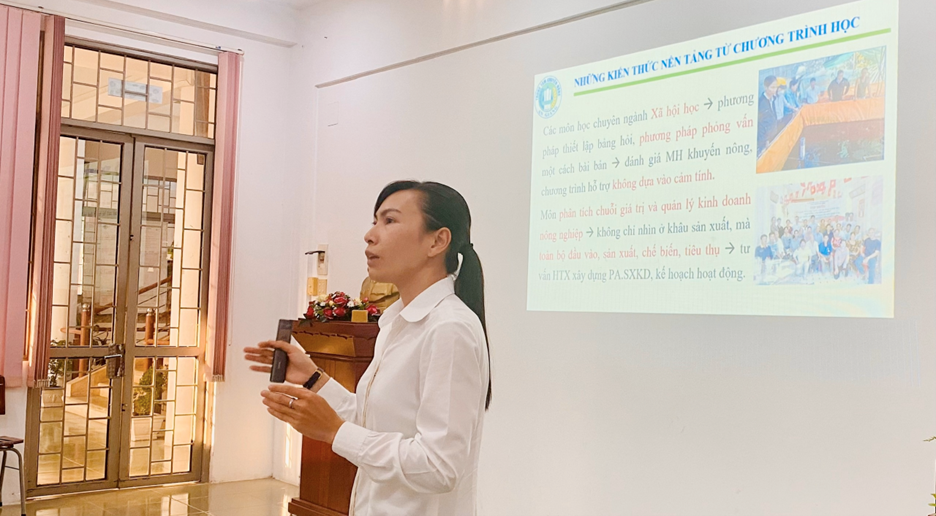
At the seminar, participants listened to a series of presentations from diverse perspectives and practical experiences, including: rural development in relation to the Sustainable Development Goals (SDGs); the current status and challenges of the green economy in rural Can Tho; the role of grassroots-level human resources; the application of rural development knowledge in agricultural extension and agricultural services; as well as human resource development needs to support the green economic transition at the commune and ward levels.
Two discussion sessions entitled “Challenges and Solutions for Sustainable Rural Development in the New Era” and “Orientations for Enhancing Community Capacity for Rural Development in the Green Economy” captured many in-depth and insightful exchanges. Participants focused on clarifying challenges in the context of climate change, green transition requirements, and innovation in development models, while also proposing solutions to enhance community capacity and strengthen the role of local human resources.
Sustainable development in the Mekong Delta, particularly in predominantly agricultural localities, requires a comprehensive and long-term approach that places people at the center. Emphasis on human resource training, improvement of governance capacity, and strengthening linkages among local authorities, academic institutions, enterprises, and communities were identified as key factors in promoting green transition and innovation.
The seminar also highlighted the important role of Rural Development education and training in the transition toward a green economy. This field not only provides interdisciplinary knowledge in economics, society, environment, and local governance, but also contributes to forming a workforce of officials, experts, and practitioners capable of policy analysis, community organization, and implementation of sustainable development models at the grassroots level. Through both formal and short-term training programs, Rural Development serves as a bridge between theory and practice, and between academic institutions and localities, contributing to improved human resource quality, enhanced innovation, and effective support for the green and sustainable transformation of the rural economy. The outcomes of the seminar will serve as an important reference for the Mekong Institute’s future research, training, and policy advisory activities.
This seminar is part of the Mekong Institute’s development strategy and its contribution to the implementation of the Sustainable Development Goals (SDGs) in the Mekong Delta region, specifically Goals 2, 4, 6, 7, 8, 11, 12, and 13.