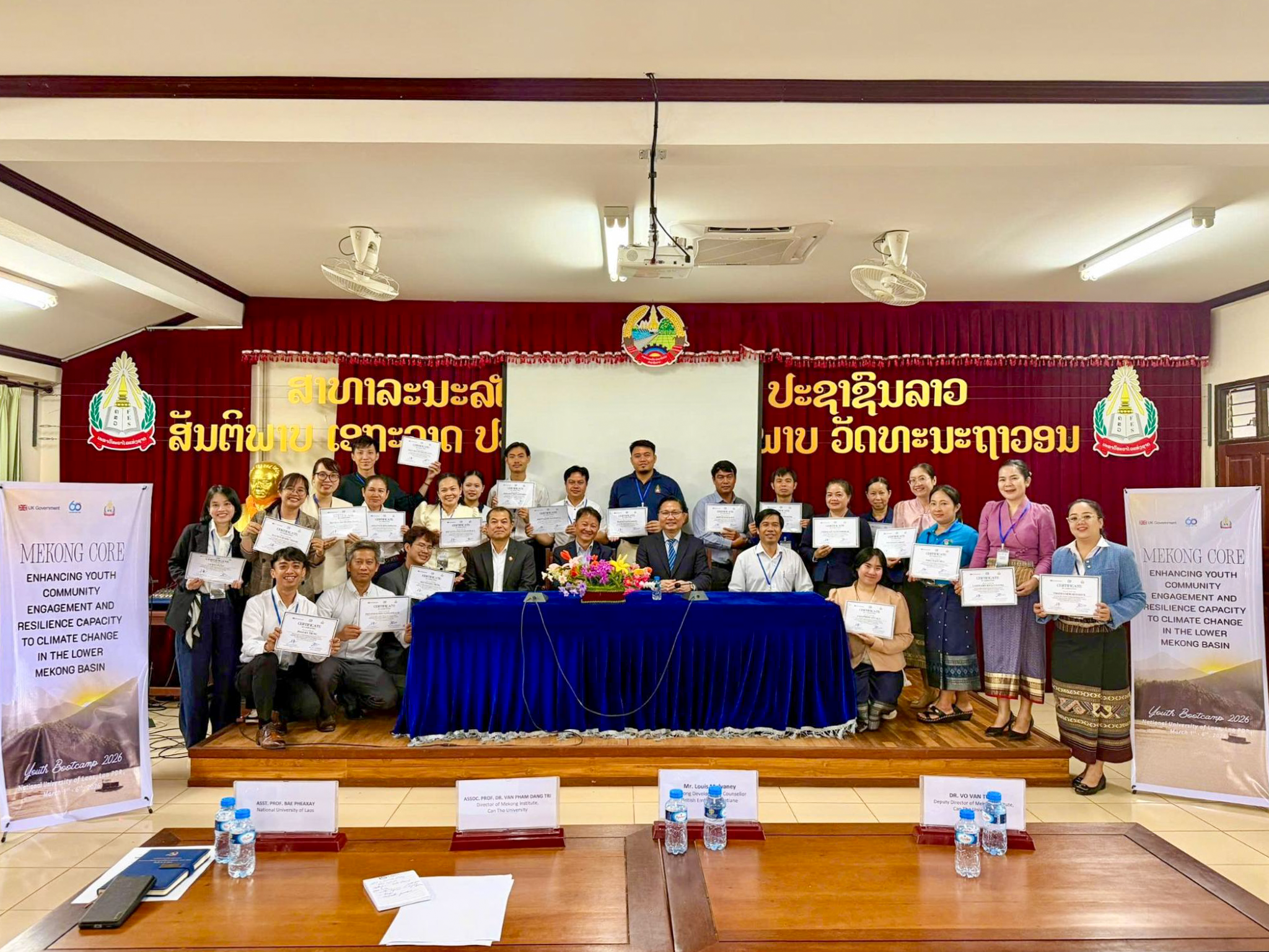
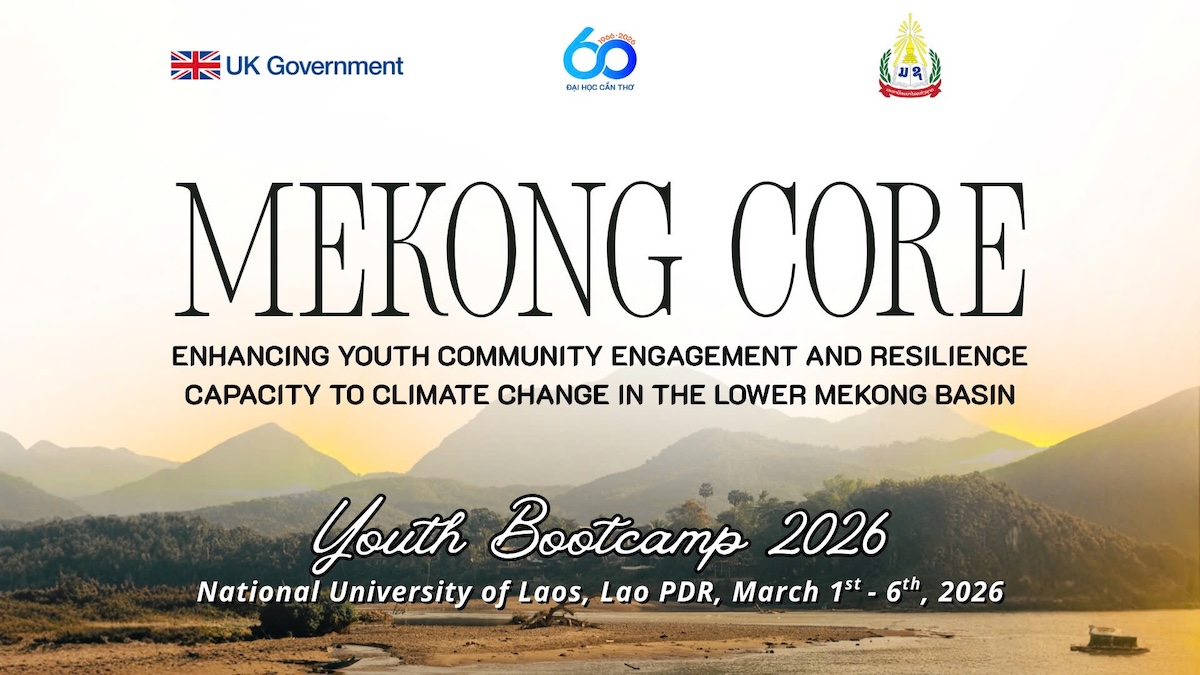
From 1 - 6 March 2026, the Mekong CoRe Youth Bootcamp 2026 was successfully held at the National University of Laos (NUoL), Lao PDR. The programme was co-organized by Mekong Institute, Can Tho University and the National University of Laos, in collaboration with the British Embassy in Hanoi and the British Embassy in Vientiane, under the Chevening Alumni Programme Fund (CAPF) supporting the Mekong CoRe initiative.
The bootcamp brought together around 20 early-career researchers, scientists, and practitioners from Viet Nam and Lao PDR, representing universities, research institutes, youth organizations, and emerging professionals working in areas related to climate change, sustainable development, agriculture, digital innovation, and policy. Through a series of intensive training sessions, expert lectures, field visits, and collaborative discussions, the programme aimed to strengthen youth leadership, enhance regional knowledge exchange, and promote cross-border collaboration in addressing climate challenges in the Lower Mekong Basin.
Structured around four key thematic areas - transboundary connectivity, sustainable agricultural value chains, digital innovation for sustainability, and carbon credit and climate finance - the bootcamp equipped participants with practical knowledge, communication skills, and opportunities to develop youth-led research ideas and collaborative initiatives. The programme also featured a youth-led mini-conference, where participants presented research concepts and action plans, contributing to shared perspectives and potential cooperation for climate resilience and sustainable development across the Mekong region.
Day 1: Transboundary Connectivity & Regional Perspectives
The first day of the Mekong CoRe Youth Bootcamp 2026 focused on Transboundary Connectivity and Regional Perspectives in the Lower Mekong Basin, providing participants with an overview of regional cooperation challenges and opportunities in addressing climate change and shared water resource management.
|
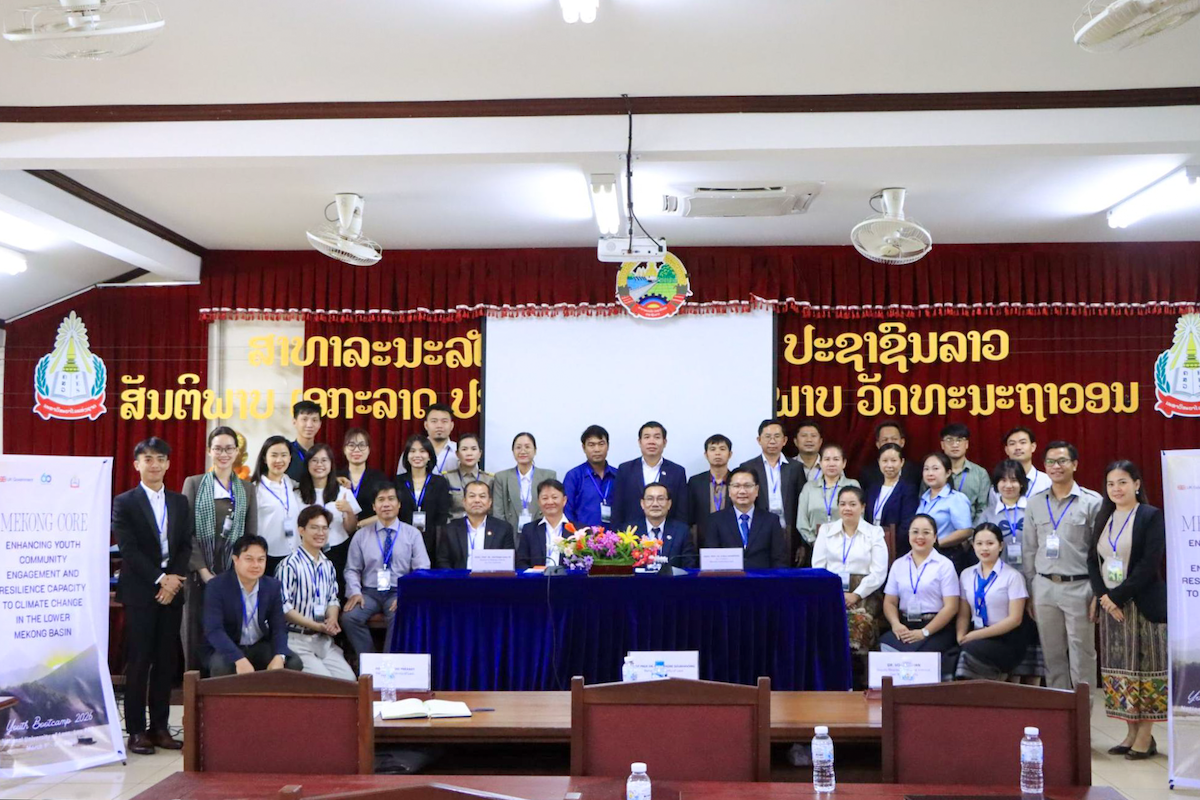
Opening Session The Opening Remarks featured remarks by Mr. Alex Strugnell, British Deputy Ambassador to Viet Nam; Assoc. Prof. Dr. Van Pham Dang Tri, Director of the Mekong Institute, Can Tho University; and Assoc. Prof. Dr. Ounla Sivanpheng, Vice President of the National University of Laos. |
|
 |
|
| Mr. Alex Strugnell, British Deputy Ambassador to Viet Nam, highlighted that the Mekong CoRe Youth Bootcamp 2026 is an initiative led by Chevening alumni under the Chevening Alumni Programme Fund (CAPF). He emphasized the United Kingdom’s continued commitment to supporting youth leadership and regional collaboration in addressing pressing challenges in the Lower Mekong region. Mr. Strugnell noted that the Lower Mekong Basin is facing multiple complex issues, including climate change, environmental degradation, and sustainable development challenges. He stressed that the bootcamp brings together young researchers, innovators, and future leaders from across the region to exchange ideas, build partnerships, and co-create practical solutions. By empowering young people with knowledge, networks, and collaborative opportunities, the program aims to strengthen regional resilience and contribute to a more sustainable future for the Mekong region. | 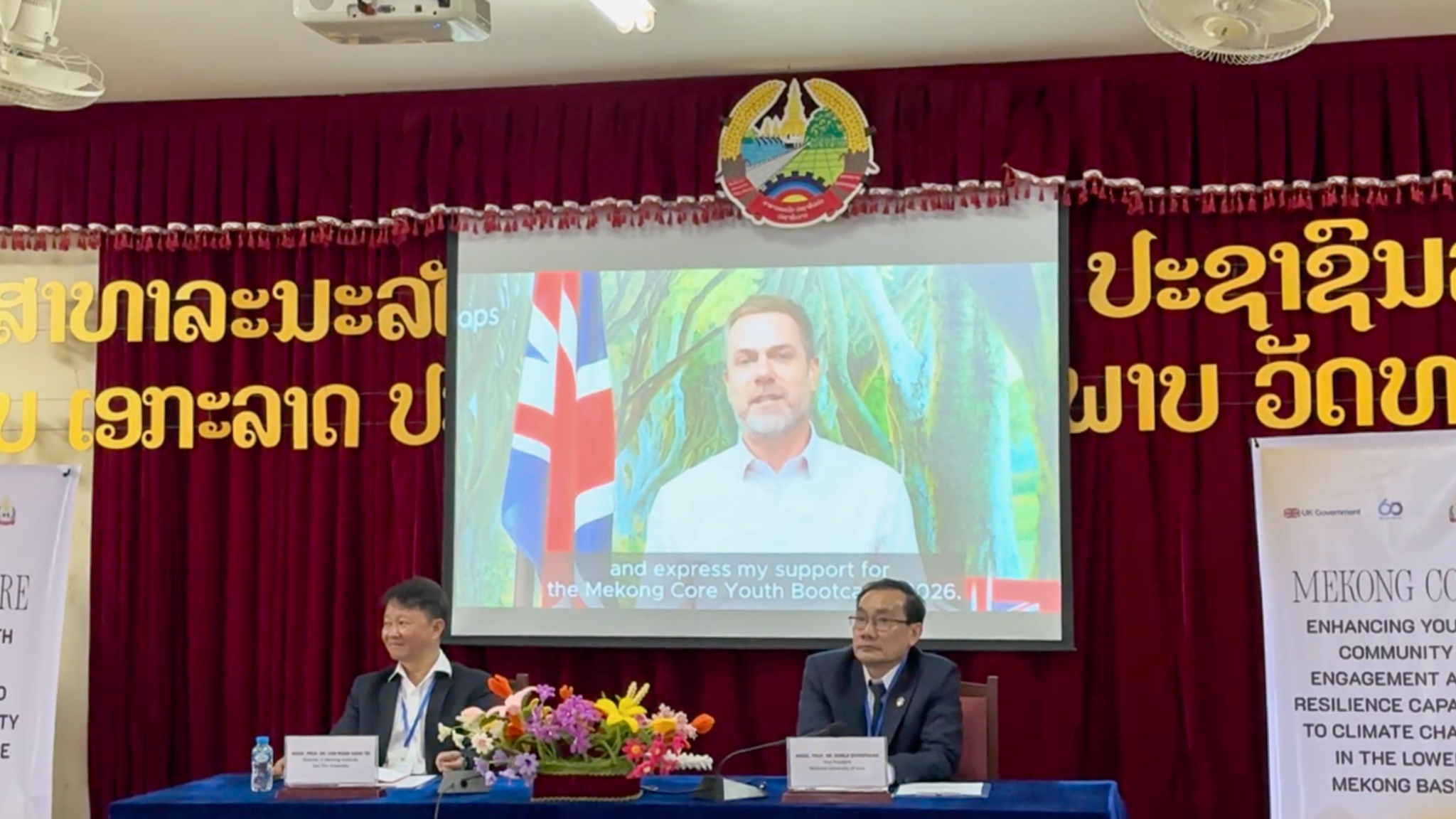 |
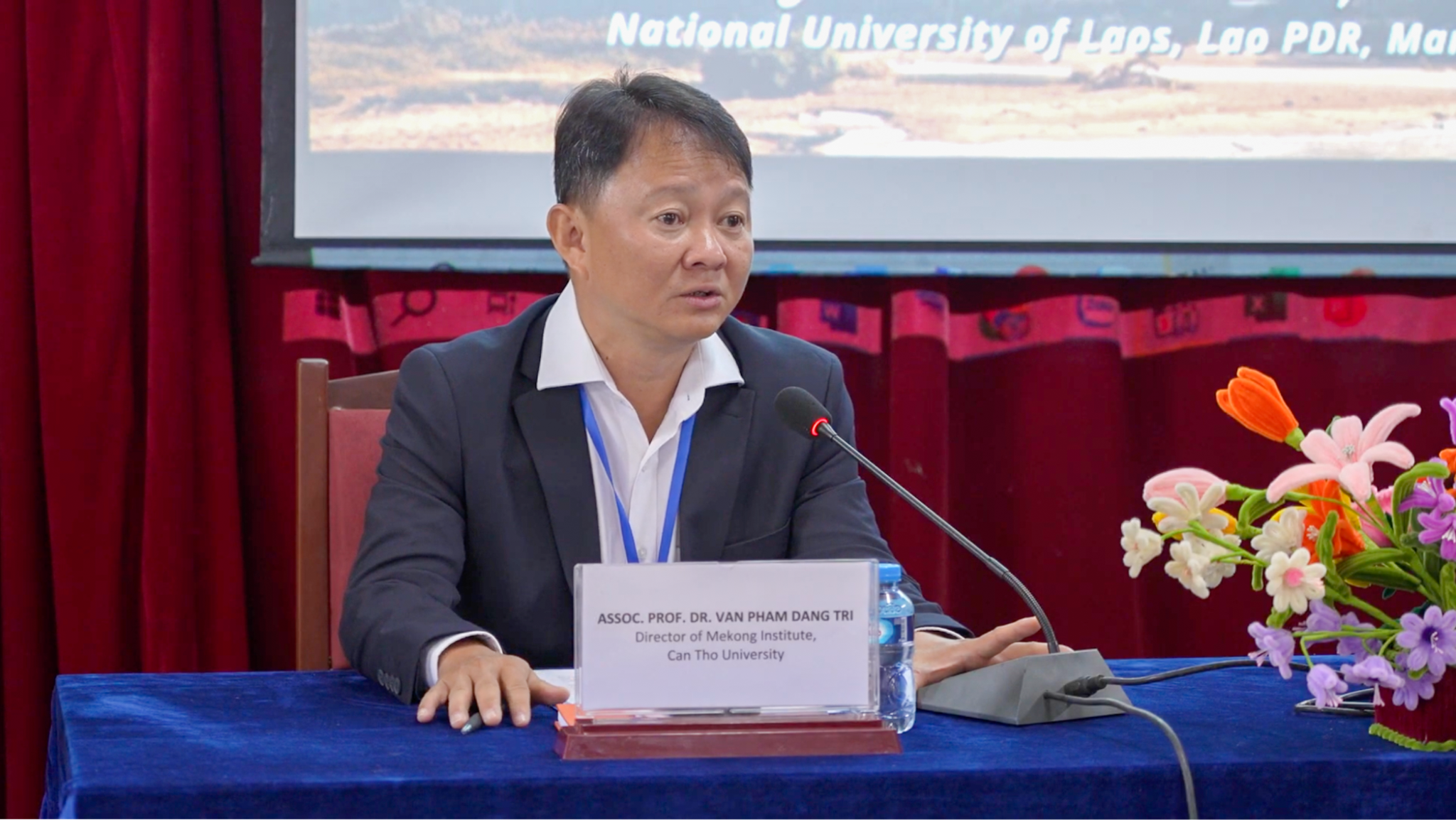 |
The Opening Session featured welcome remarks from Assoc. Prof. Dr. Van Pham Dang Tri, Director of the Mekong Institute, Can Tho University, who emphasized the importance of strengthening regional collaboration and knowledge exchange to address shared climate and sustainability challenges in the Lower Mekong Basin. In his remarks, he highlighted the need to enhance youth capacity through education, applied research, and practical initiatives in areas such as climate resilience, transboundary development, sustainable agriculture, digital transformation, and carbon-related mechanisms. He also encouraged the establishment of joint research groups and collaborative academic programmes between Can Tho University and the National University of Laos, particularly in fields including agriculture, aquaculture, biotechnology, water resource management, and environmental sustainability. |
| The session also included remarks by Assoc. Prof. Dr. Ounla Sivanpheng, Vice President of the National University of Laos, who warmly welcomed the participants and expressed his enthusiasm for strengthening academic and institutional cooperation with Can Tho University and partners in Viet Nam. He noted that initiatives such as the Mekong CoRe Youth Bootcamp provide valuable opportunities to deepen regional collaboration and foster long-term partnerships in research, education, and sustainable development across the Mekong region. | 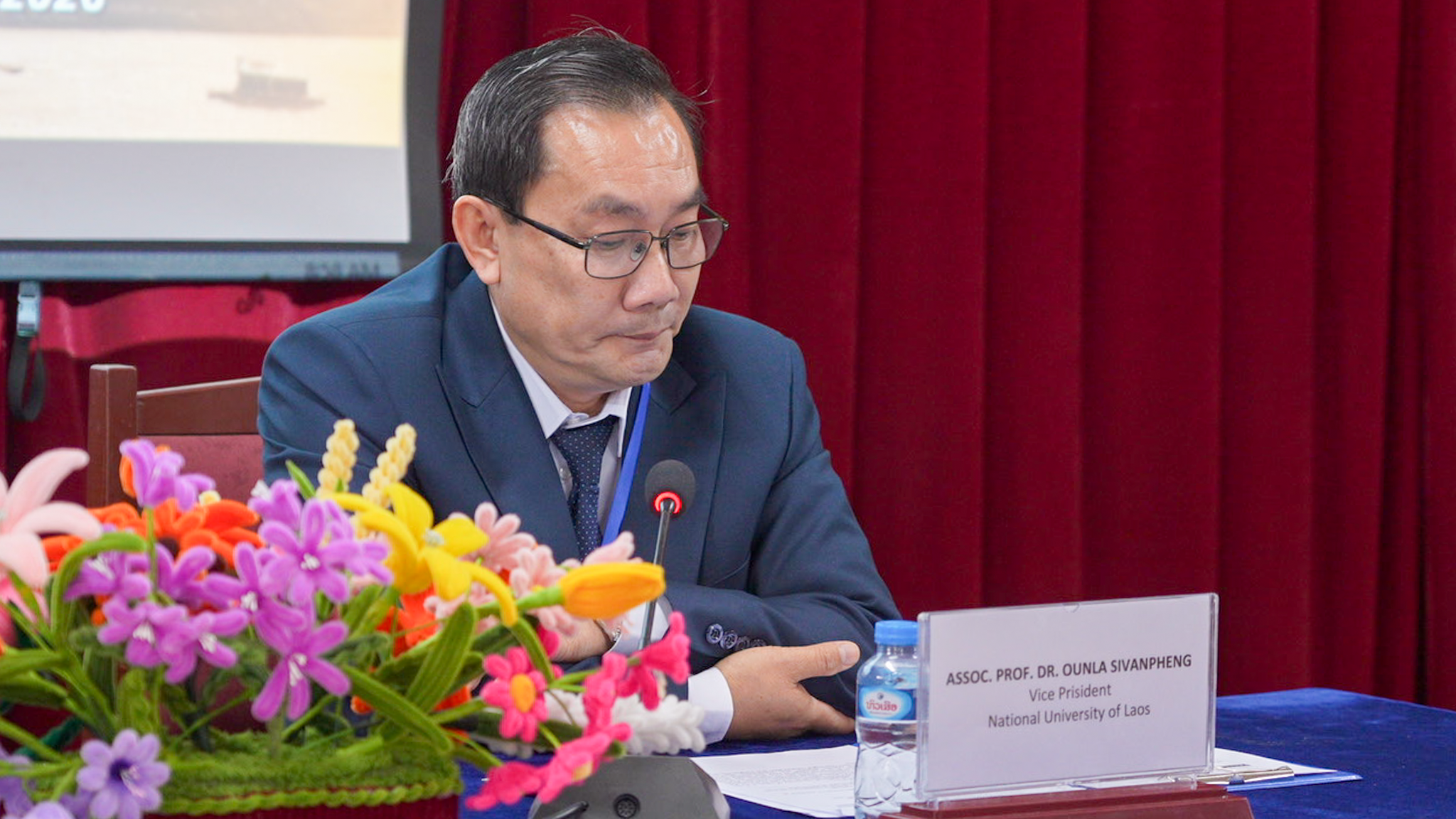 |
Lecture 1: Transboundary Development and Connectivity of the Mekong River Basin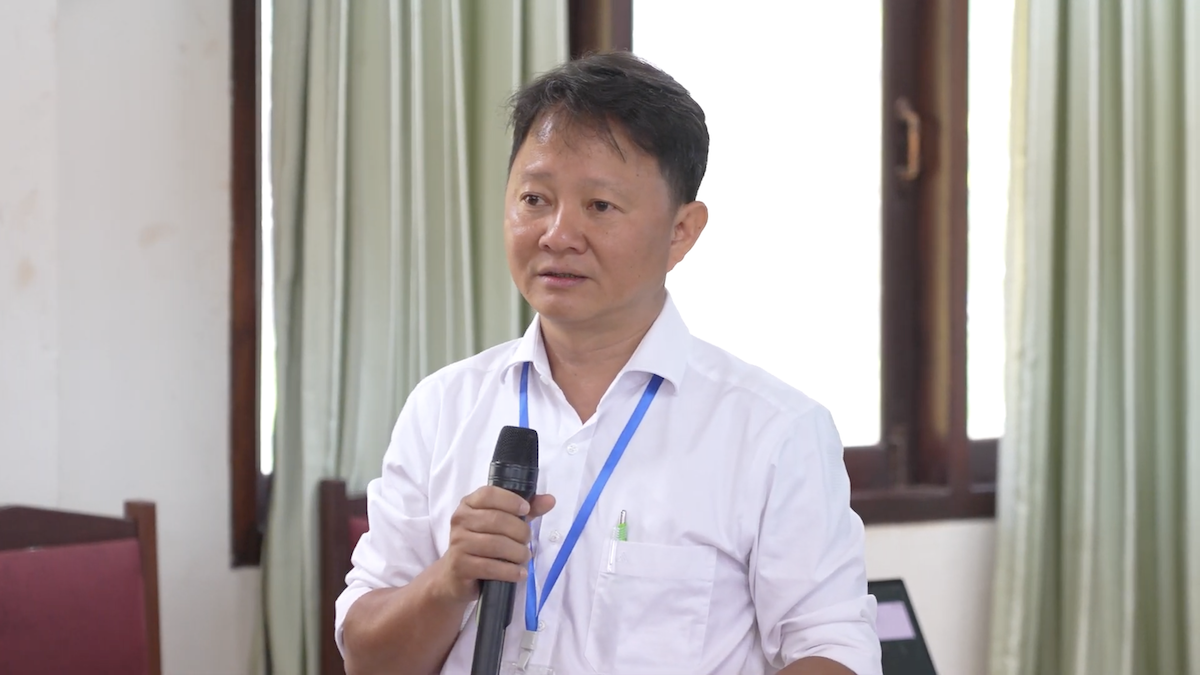
Presented by Assoc. Prof. Dr. Van Pham Dang Tri, Mekong Institute, Can Tho University
The lecture provided participants with an overview of the Mekong River Basin as a shared strategic resource supporting food security, livelihoods, and economic development for millions of people across the region.
Assoc. Prof. Dr. Van Pham Dang Tri highlighted that the Mekong Basin is an interconnected system, where upstream and downstream developments are closely linked. Environmental challenges such as sediment disruption, altered hydrological flows, groundwater overexploitation, and climate change are increasingly exposing basin-wide risks, particularly in vulnerable downstream areas such as the Mekong Delta.
He emphasized that the Mekong Delta serves as an early warning indicator of basin-wide environmental change, reflecting the cumulative impacts of upstream decisions and fragmented governance structures. Addressing these challenges requires stronger transboundary cooperation, improved data sharing, and coordinated policy frameworks among Mekong countries. He also discussed pathways for strengthening regional cooperation through integrated water resource management, enhanced institutional collaboration, and the application of emerging technologies such as remote sensing, artificial intelligence, and digital tools to support sustainable river basin governance.
|
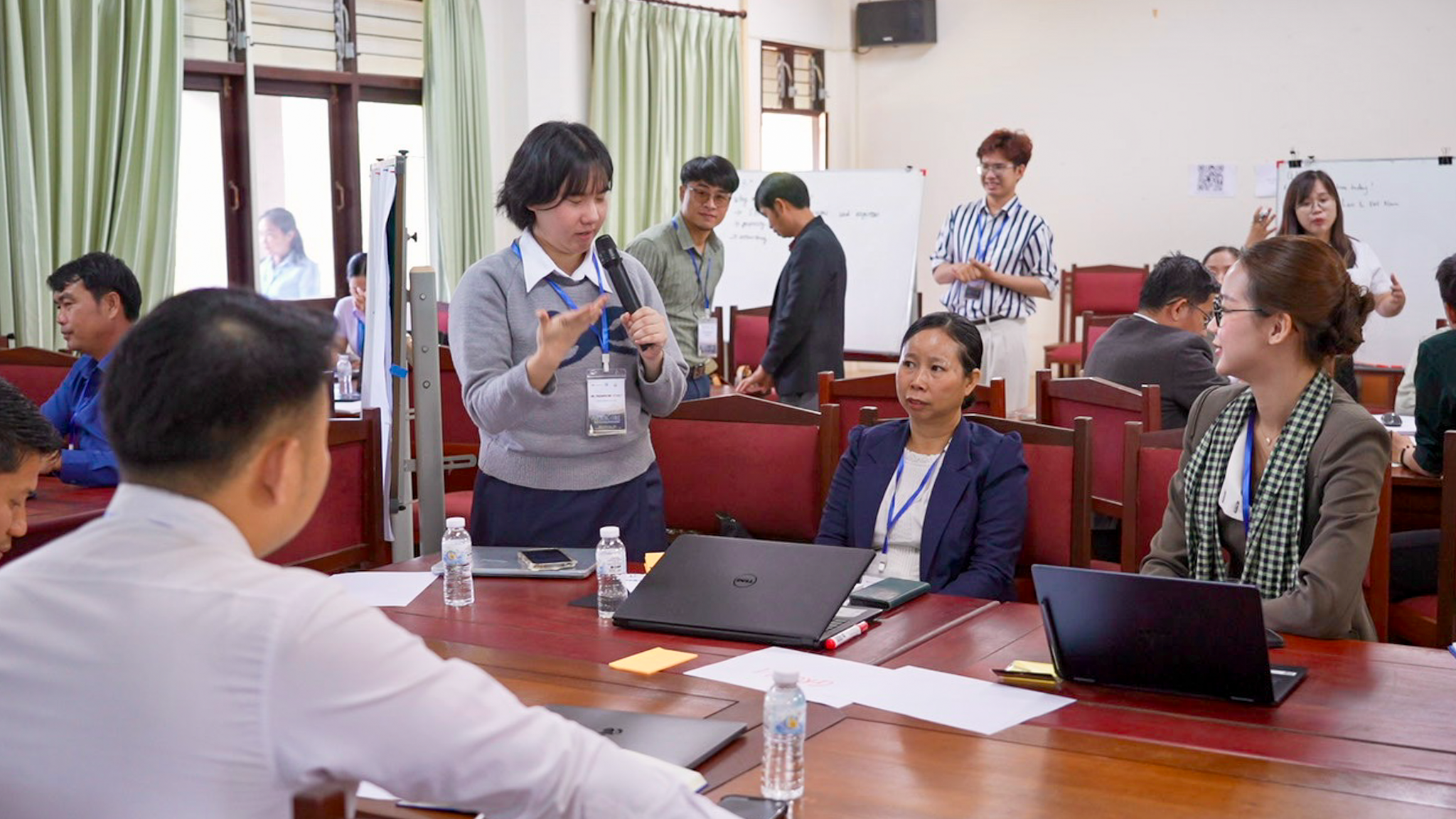
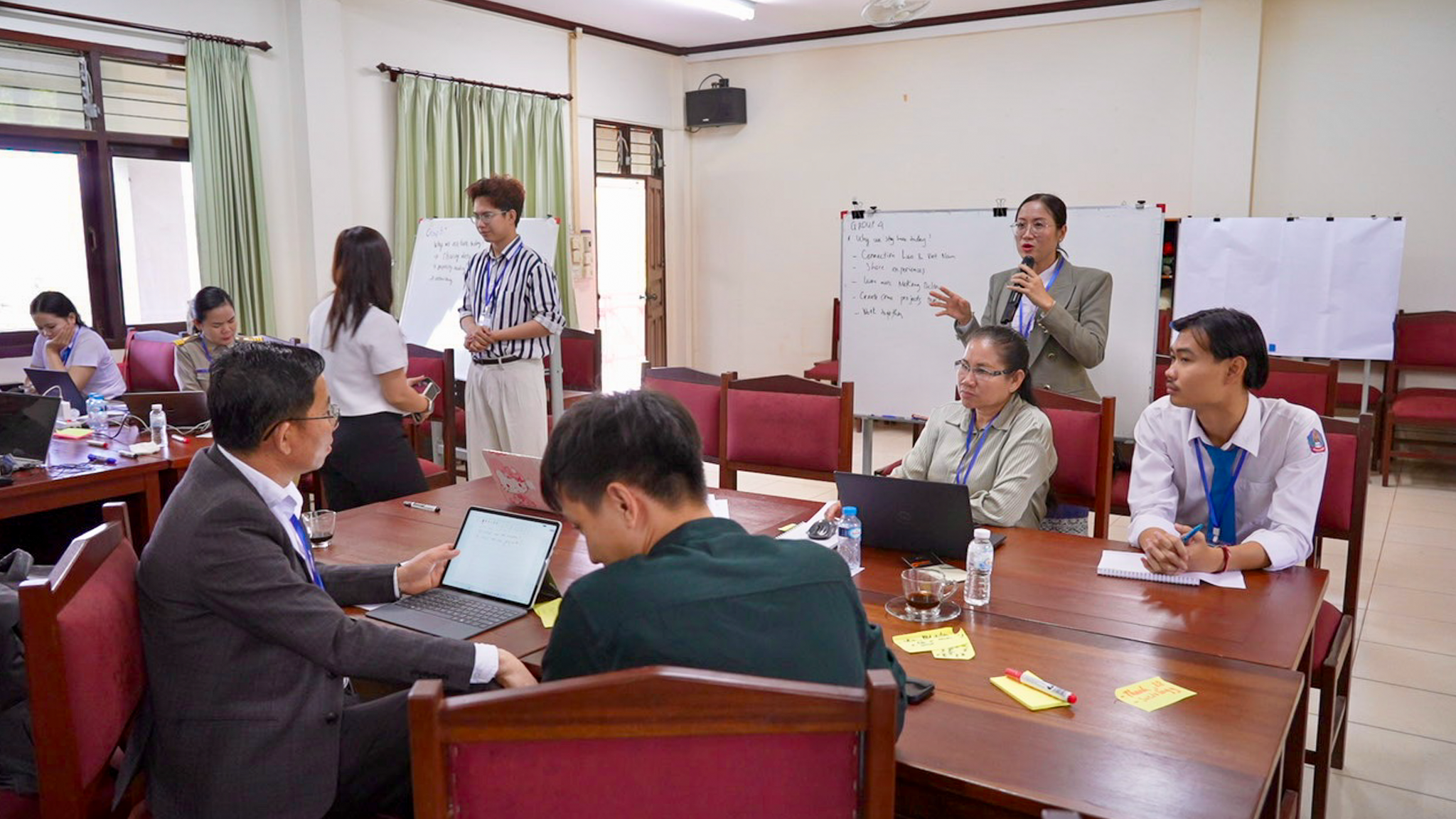
Case Study and Plenary Discussion 1: Current Challenges in Transboundary Connections and Cross-Border Collaboration Moderated by Assoc. Prof. Dr. Van Pham Dang Tri, Mekong Institute, Can Tho University Participants were divided into four working groups to reflect on the question: Why is cross-border cooperation essential for the sustainable management of the Mekong River Basin? Through group discussions and reflections, participants identified several key reasons highlighting the importance of regional collaboration between Viet Nam and Lao PDR, particularly in the context of climate change and sustainable river basin management. |
|
 |
Group 1 Group 1 emphasized the importance of knowledge sharing and academic collaboration between universities and research institutions in both countries. Participants highlighted that joint research activities, academic exchanges, and collaborative training programmes can strengthen scientific understanding of transboundary environmental challenges. |
|
Group 2 Group 2 focused on the need for data sharing and joint monitoring systems, particularly for hydrological data, climate information, and environmental indicators. Participants noted that improving access to shared data would support more effective decision-making and enhance the capacity of both countries to anticipate climate risks and water management challenges. |
 |
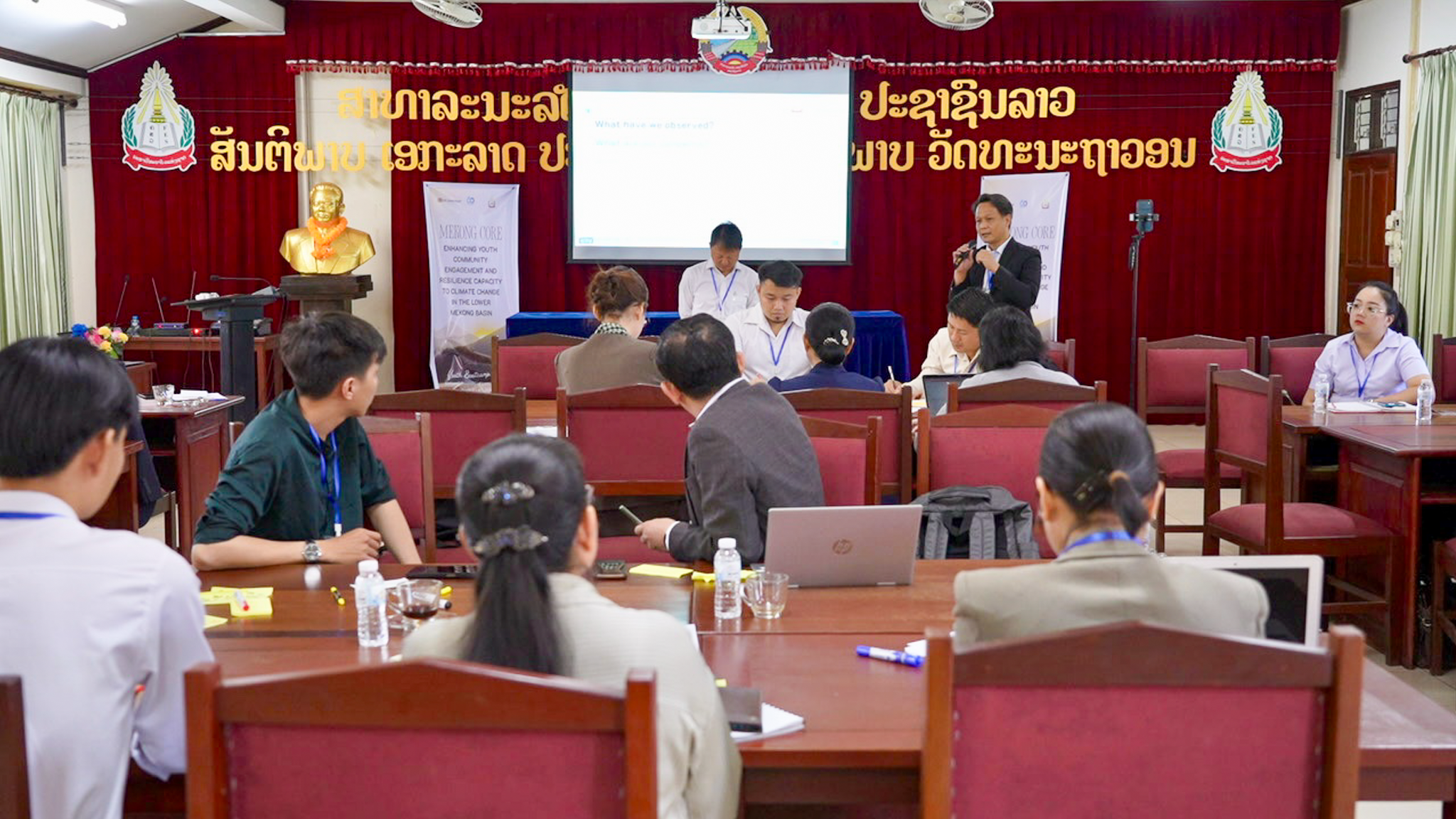 |
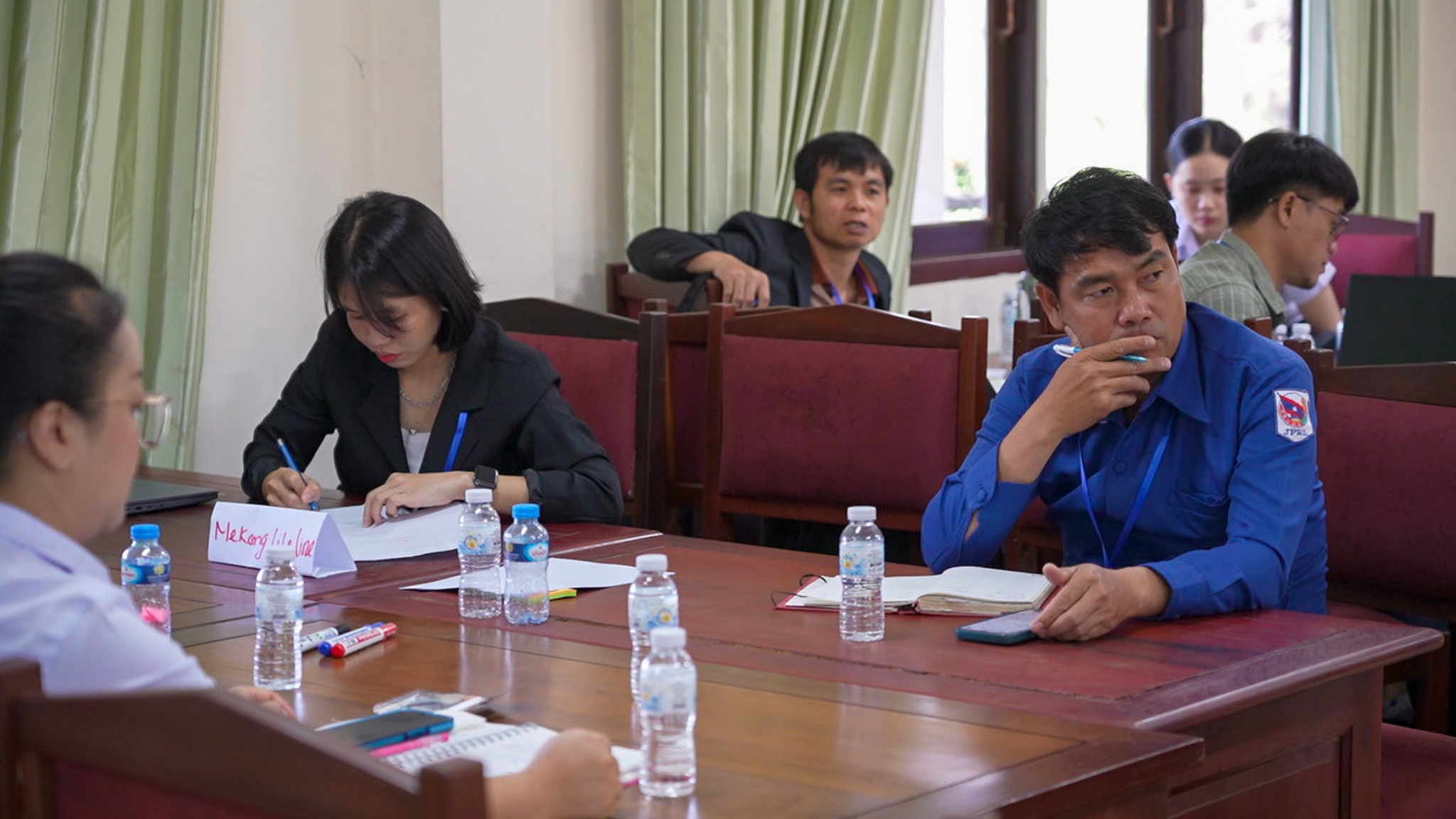
Group 3 Group 3 highlighted the importance of mutual learning and capacity building among young researchers, practitioners, and local communities. By exchanging experiences and lessons learned from different local contexts, participants can develop more adaptive and innovative approaches to climate resilience and sustainable development. |
|
Group 4 Group 4 emphasized the role of cross-border partnerships and institutional cooperation in addressing shared challenges in the Mekong region. Participants stressed long-term collaboration between universities, policy institutions, and development partners in Lao PDR and Viet Nam. |
 |
|
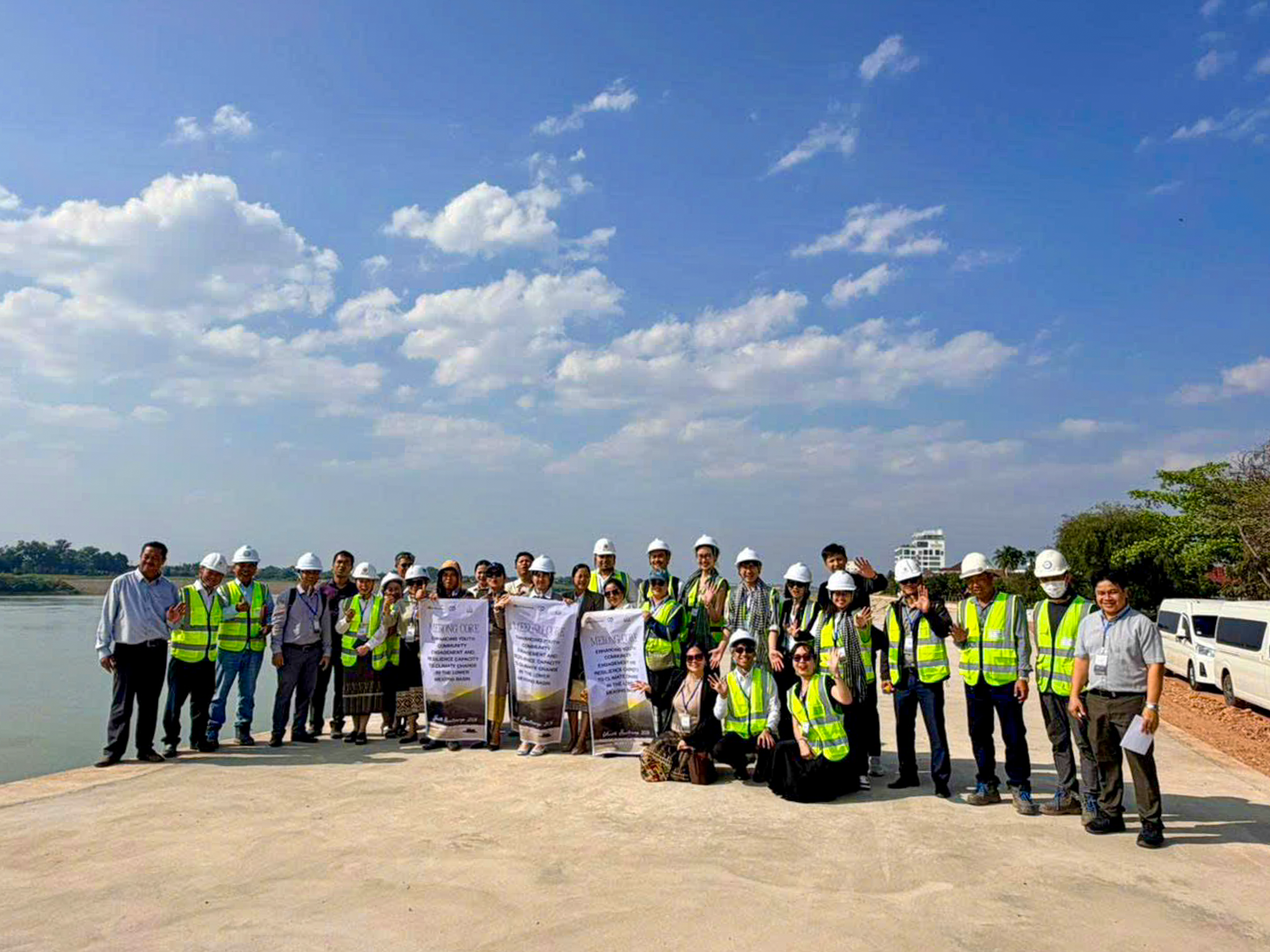
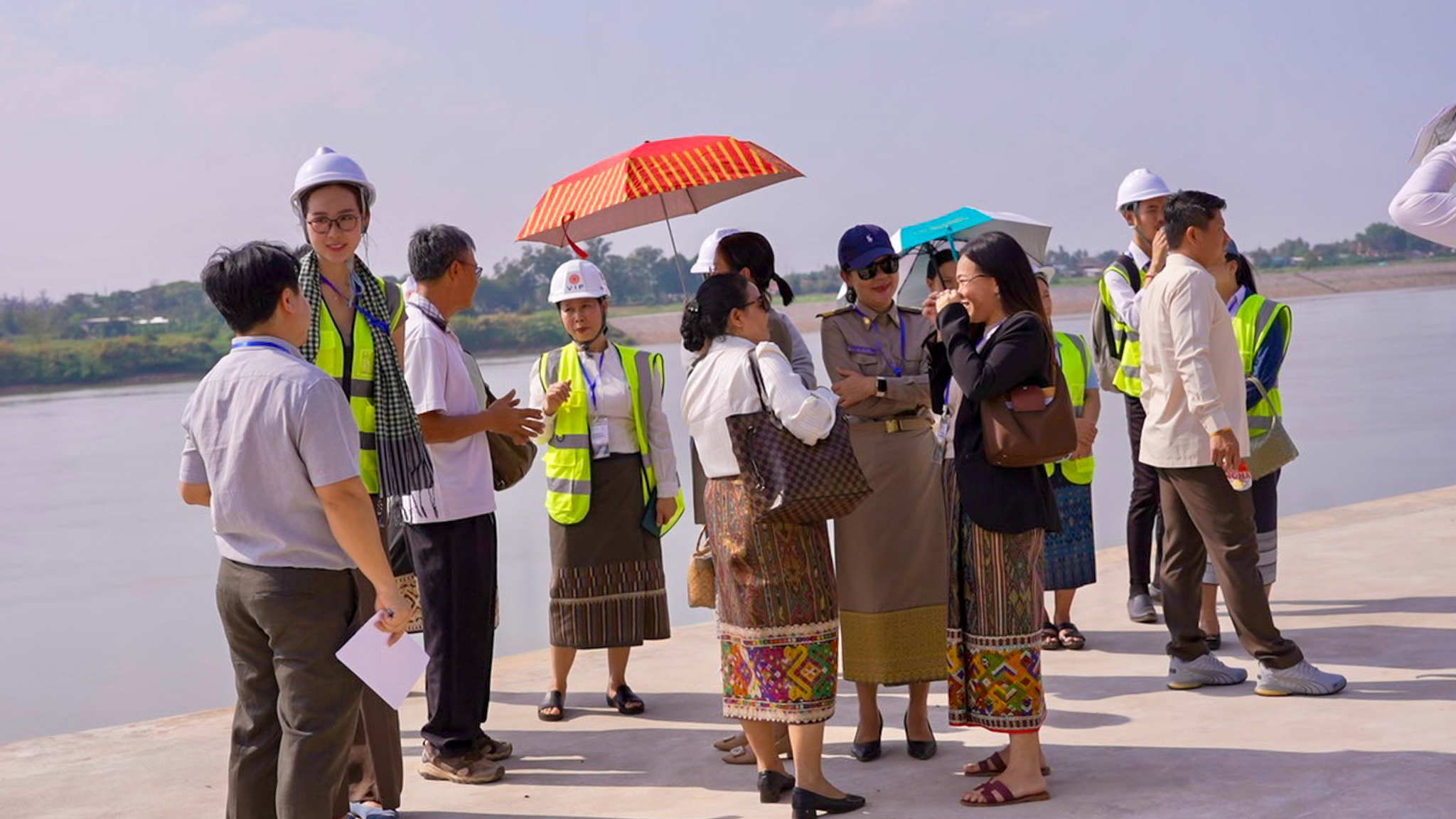
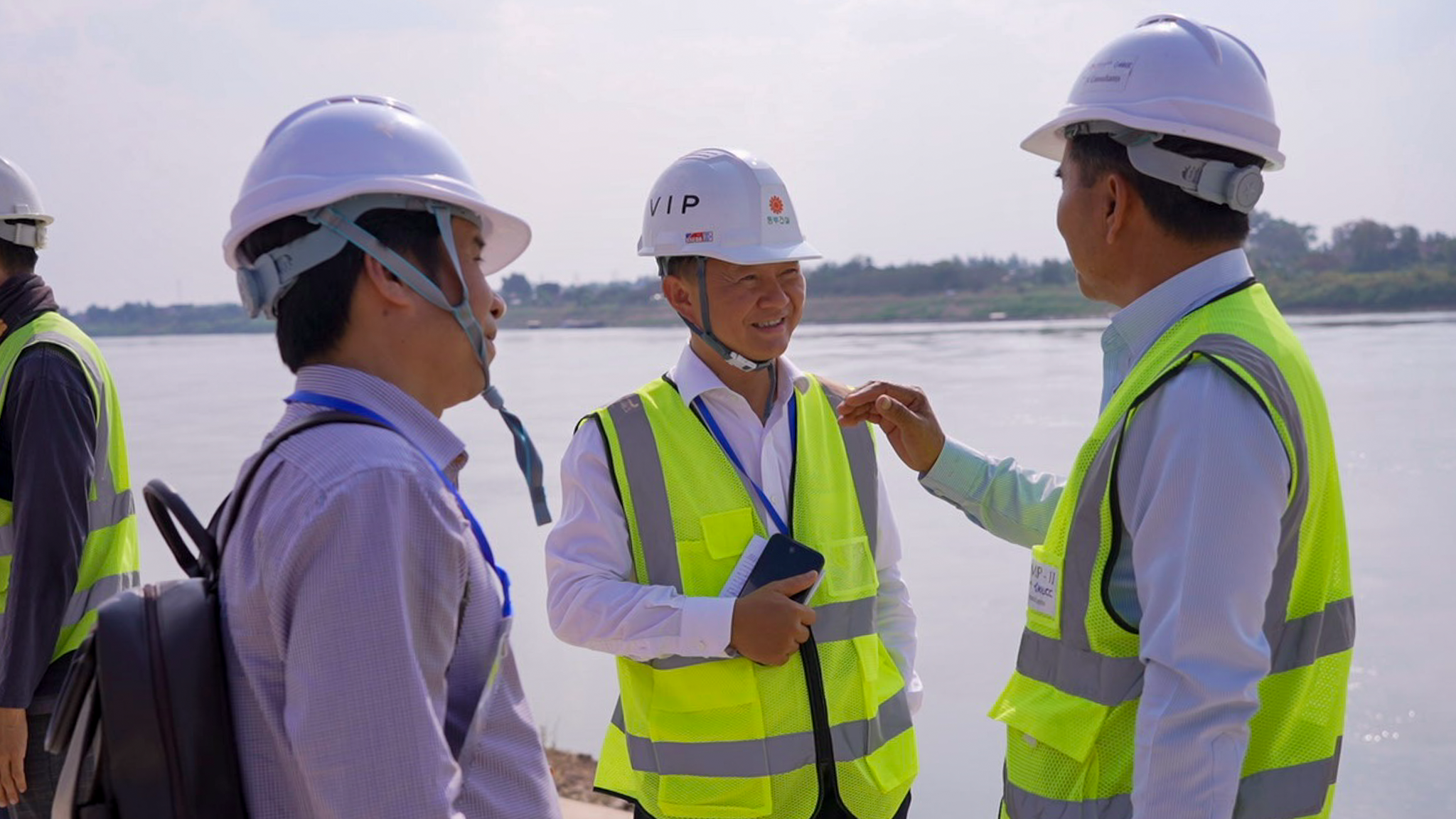
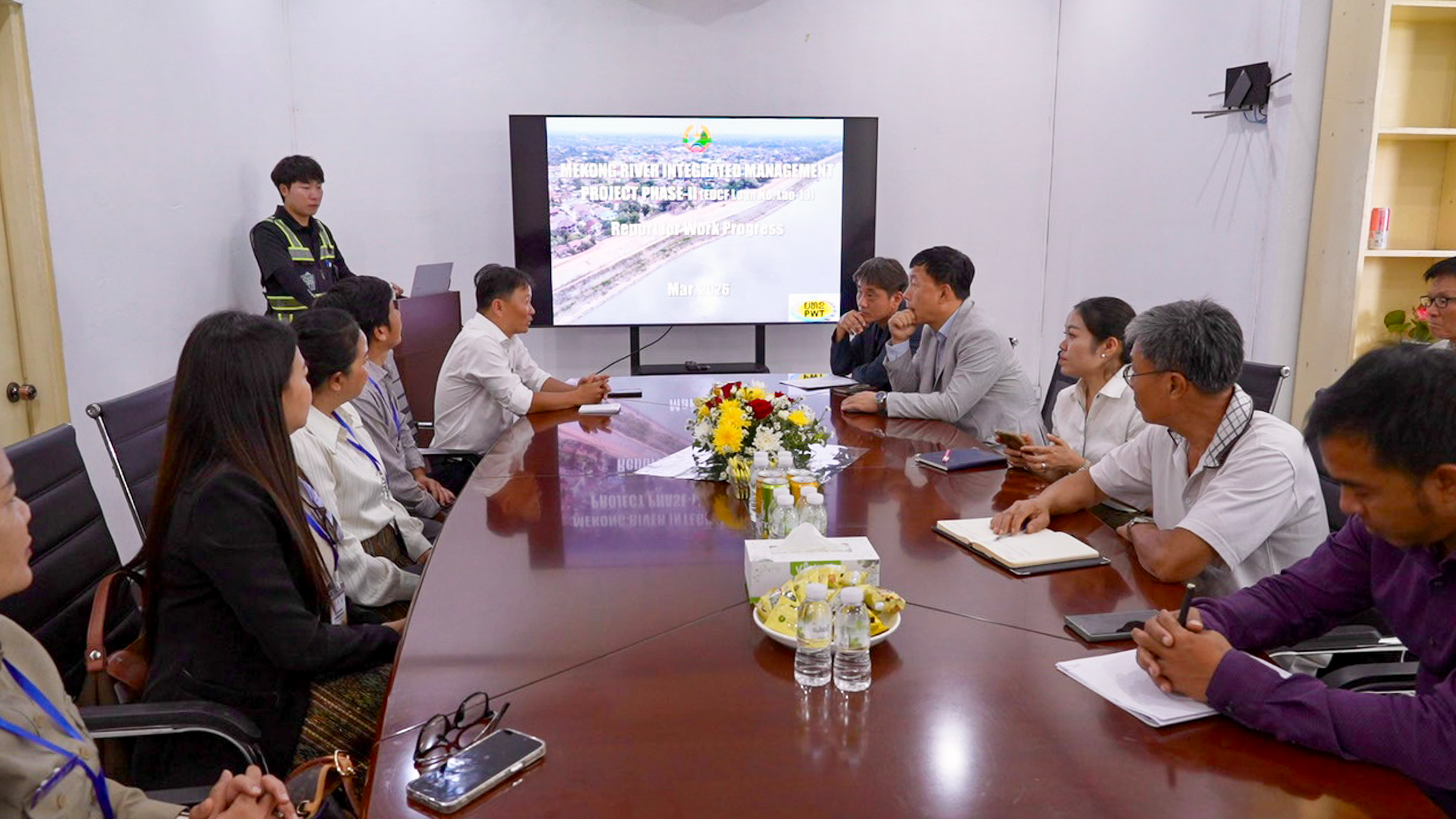
Mekong River Integrated Management Project Phase-II In the afternoon, participants conducted a field visit to the Mekong River Integrated Management Project Phase II in Vientiane Capital, providing a valuable opportunity to observe practical approaches to river basin management and climate adaptation along the Mekong River. The visit allowed participants to better understand how local water management initiatives contribute to broader efforts in addressing transboundary environmental challenges across the Mekong Basin. During the site visit, experts introduced the key components of the project, which focuses on integrated riverbank management, flood risk reduction, and sustainable infrastructure development along the Mekong River corridor. Participants learned how the project combines engineering solutions with ecosystem-based approaches to strengthen riverbank protection, improve water management, and enhance resilience of local communities living along the river. The visit also highlighted how the project contributes to sustainable urban and environmental planning in Vientiane, while supporting efforts to maintain the ecological functions of the Mekong River. Participants had the opportunity to observe the riverbank structures and management systems designed to reduce erosion, mitigate flood risks, and improve connectivity between the river and surrounding communities. |
||
 |
 |
 |
|
On-site discussion: Linking local realities with regional transboundary challenges
Moderated by Dr. Phetyasone Xaypanya, National University of Laos Dr. Phetyasone Xaypanya, National University of Laos, guided participants in reflecting on the links between local river management practices and regional transboundary governance of the Mekong River Basin. The discussion also encouraged participants to consider how similar approaches could be adapted or applied in different local contexts across the Mekong region, particularly in strengthening collaboration between Lao PDR and Viet Nam in addressing shared environmental and climate-related challenges. Nam is essential to foster integrated solutions and strengthen regional resilience. The discussion concluded with a shared understanding that sustainable management of the Mekong River Basin requires collective action, knowledge exchange, and stronger regional cooperation, as no single country can address transboundary environmental challenges independently. |
||
Day 2: Agricultural Value Chains & Digital Era
Lecture 2: Agricultural Value Chains towards Sustainability in the Lower Mekong Region
|
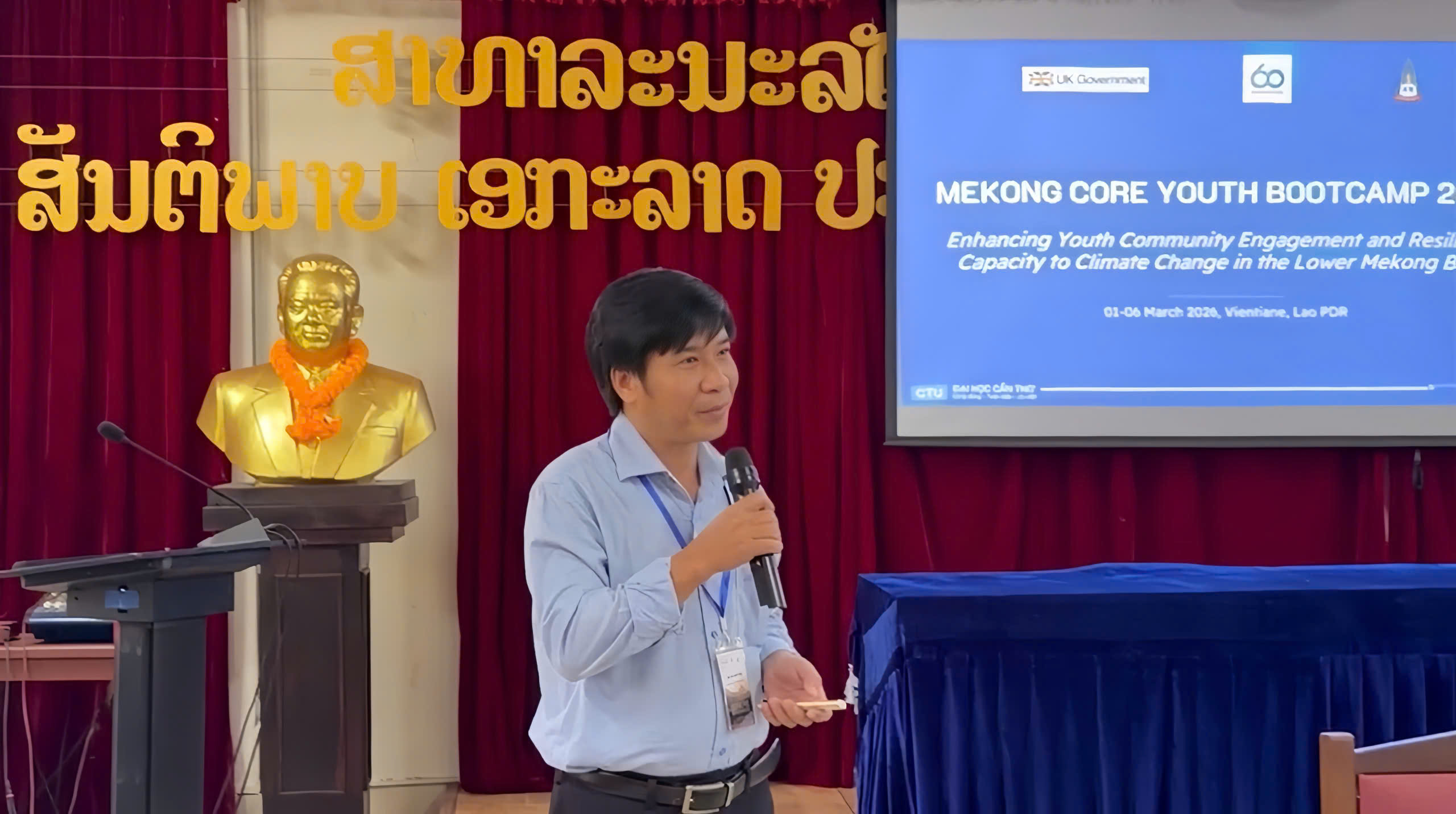
Presented by Dr. Vo Van Tuan, Can Tho University The presentation examined the transformation of agriculture in the Mekong Delta and the Lower Mekong region under increasing natural and socio-economic pressures, including climate change, salinity intrusion, flooding, and evolving market demands. Dr. Vo Van Tuan explained how agricultural development in the Mekong Delta has gradually shifted from traditional and extensive farming systems to more intensive and diversified production models, driven by policy reforms, technological innovation, and international market integration. Key agricultural sectors such as rice, shrimp, Pangasius, fruits, and other agricultural commodities have become major export products of Viet Nam, supported by improvements in irrigation systems, technological applications, and agricultural mechanization. The lecture also highlighted several sustainability challenges arising from agricultural intensification, including resource degradation, environmental pollution, fragmented production systems, and unstable linkages among value chain actors. In response, Dr. Vo Van Tuan emphasized the importance of adopting a value chain approach, which strengthens connections among stakeholders from input suppliers and farmers to collectors, processors, traders, and export markets. Furthermore, the lecture stressed that adapting agricultural production to climate change and evolving international market standards requires improved traceability systems, higher production standards, stronger farmer organizations, and increased application of digital technologies. |
|
Case Study and Plenary Discussion 2: Sustainable Agriculture, Livelihoods, and Market Resilience in the Mekong Context Presented by Dr. Vo Van Tuan, Can Tho University Following the lecture, participants engaged in a case study discussion session, focusing on how sustainable agricultural value chains can support livelihoods and strengthen market resilience in the Mekong region. Participants were divided into four working groups, each tasked with discussing key challenges and opportunities in developing sustainable agricultural value chains under changing environmental and market conditions. |
|
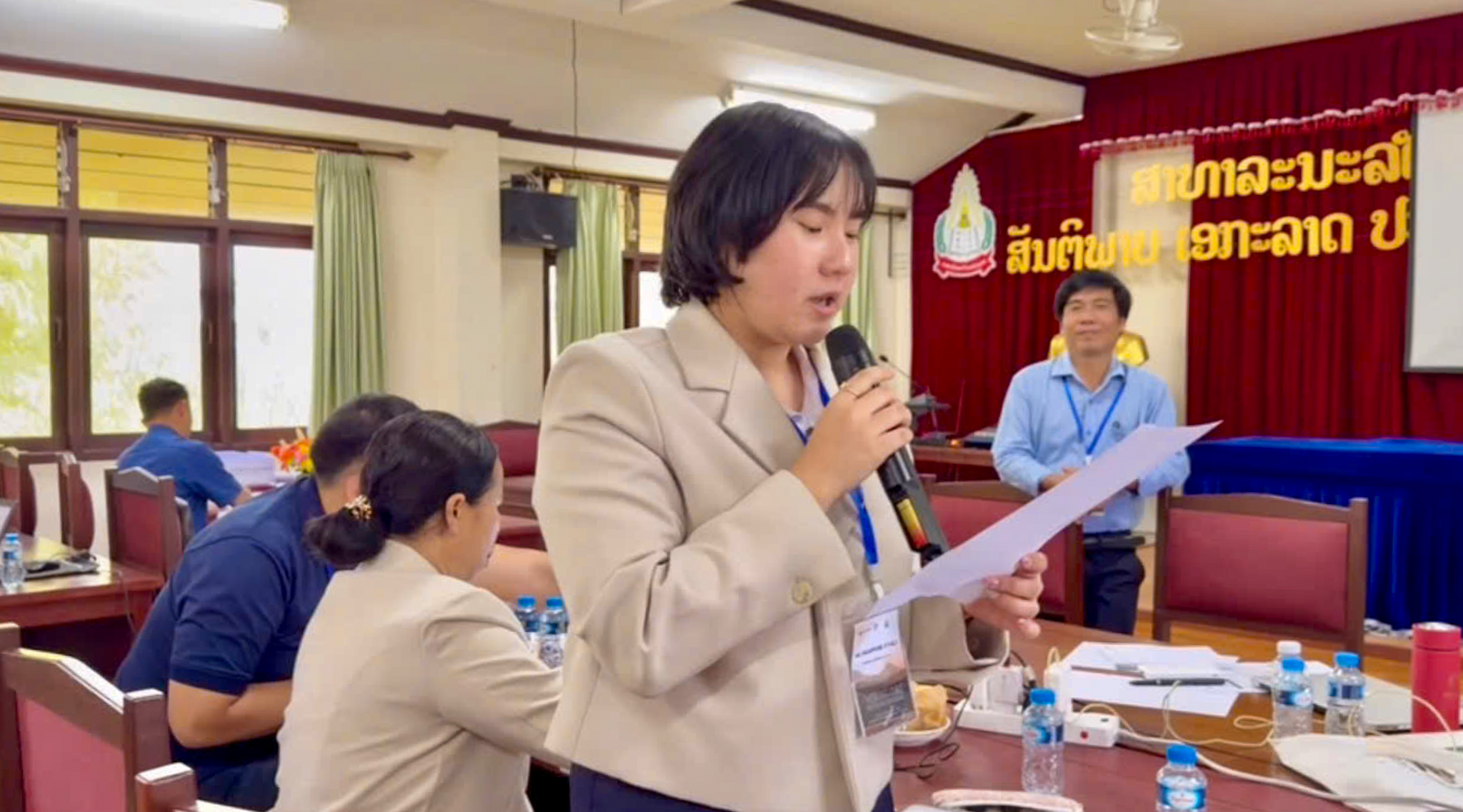 |
Group 1 Group 1 emphasized the importance of strengthening linkages among value chain actors, particularly between farmers, cooperatives, and private enterprises. Participants noted that stronger collaboration can improve product quality, stabilize market access, and increase economic benefits for farmers. |
|
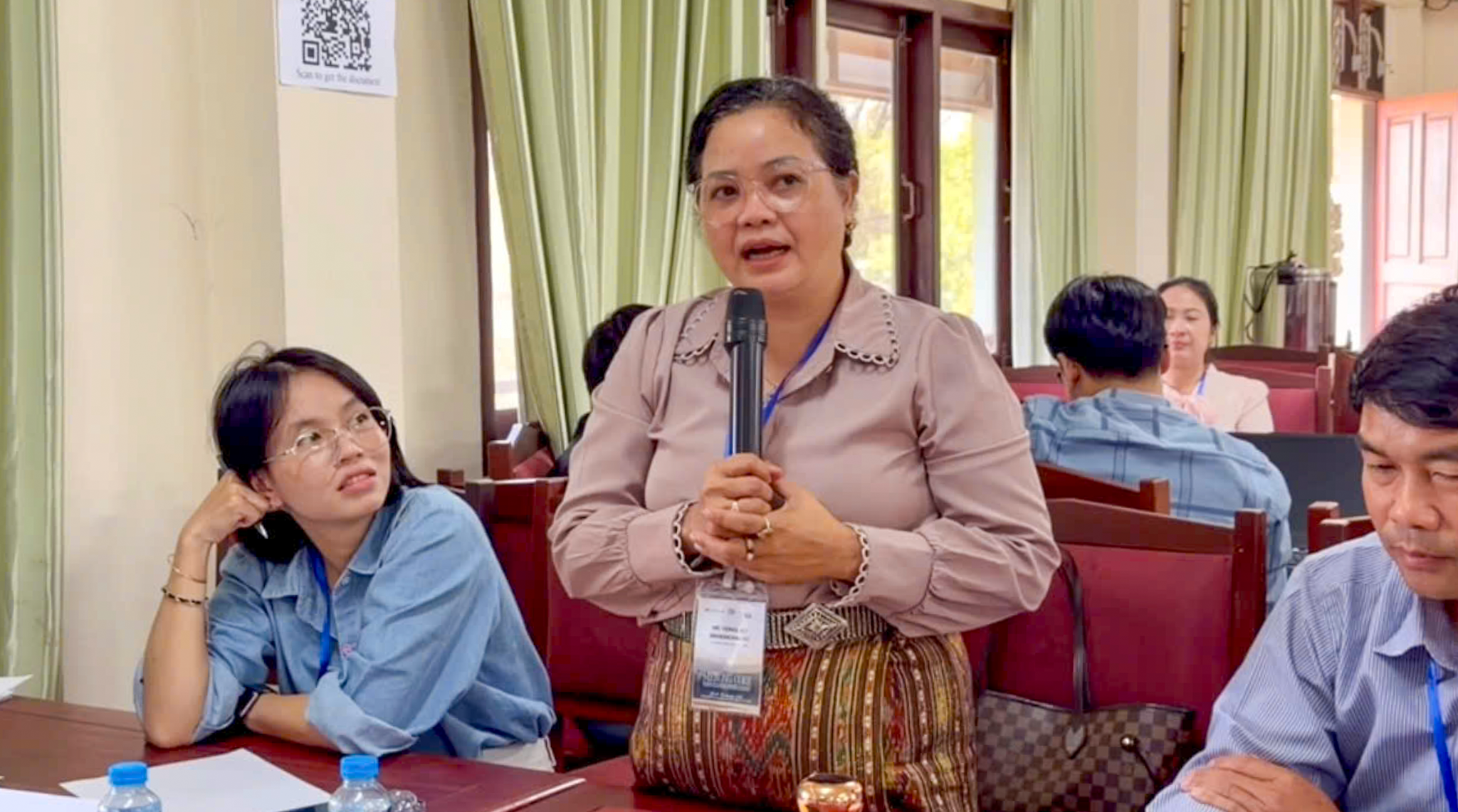
Group 2 Group 2 highlighted the role of technology and digital transformation in supporting sustainable agricultural production. Participants discussed the potential use of traceability systems, digital platforms, and information-sharing tools to enhance transparency, improve quality management, and support access to international markets. |
 |
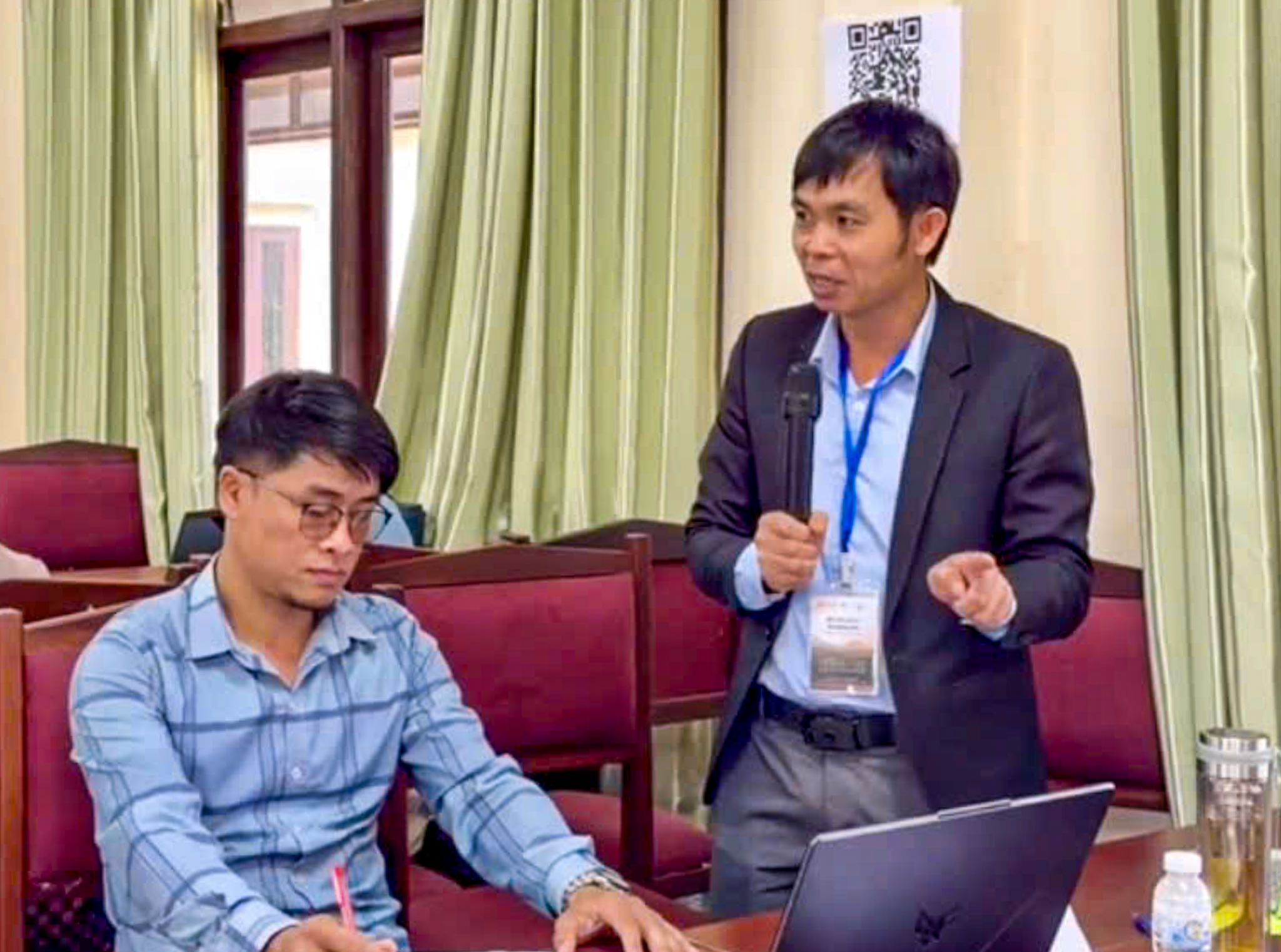 |
Group 3 Group 3 focused on climate-resilient agricultural models, including adaptive farming systems such as rice-shrimp models, diversified crop production, and nature-based agricultural practices that can respond to salinity intrusion, flooding, and other climate-related risks. |
|
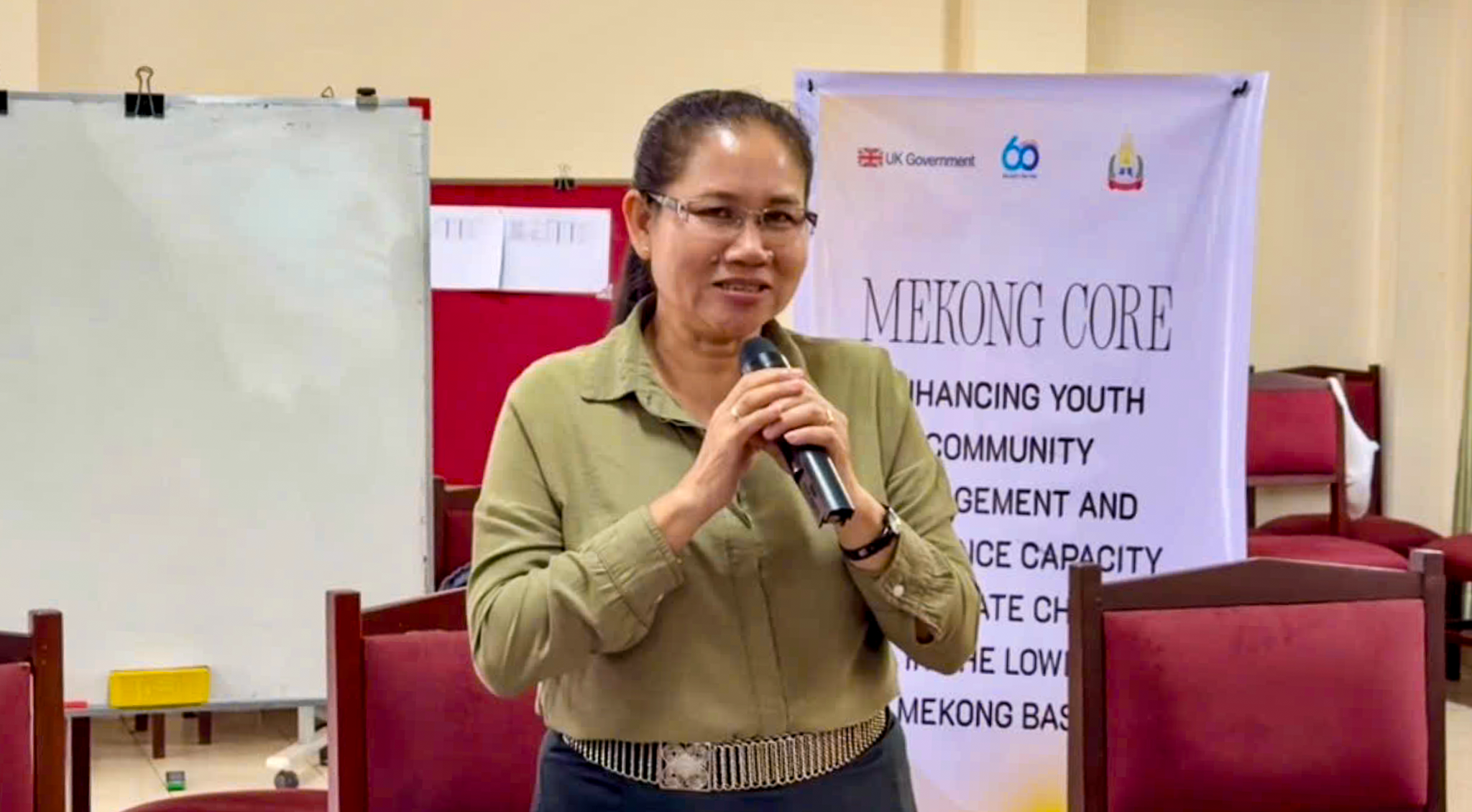
Group 4 Group 4 discussed the need to strengthen the capacity of farmers’ organizations and agricultural cooperatives, particularly in areas such as management skills, market linkages, and collective production planning. The group also emphasized the importance of encouraging greater participation of young people and women in agricultural value chains, which can contribute to innovation and long-term sustainability. |
 |
|
The discussion concluded with a shared understanding that sustainable agricultural development in the Mekong region requires stronger coordination among value chain actors, improved institutional support, and the integration of climate adaptation strategies with market-oriented agricultural development. |
|
|
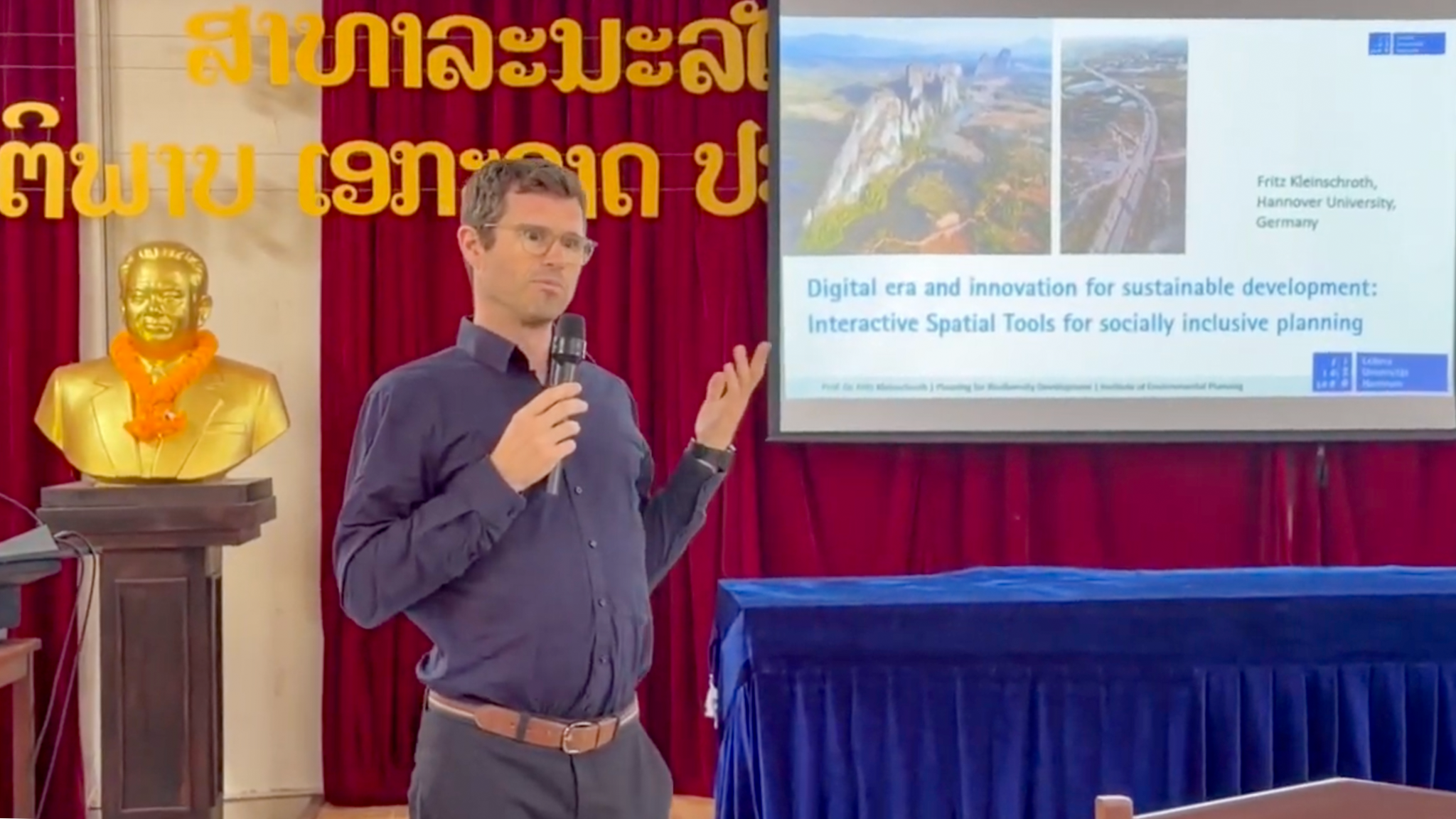
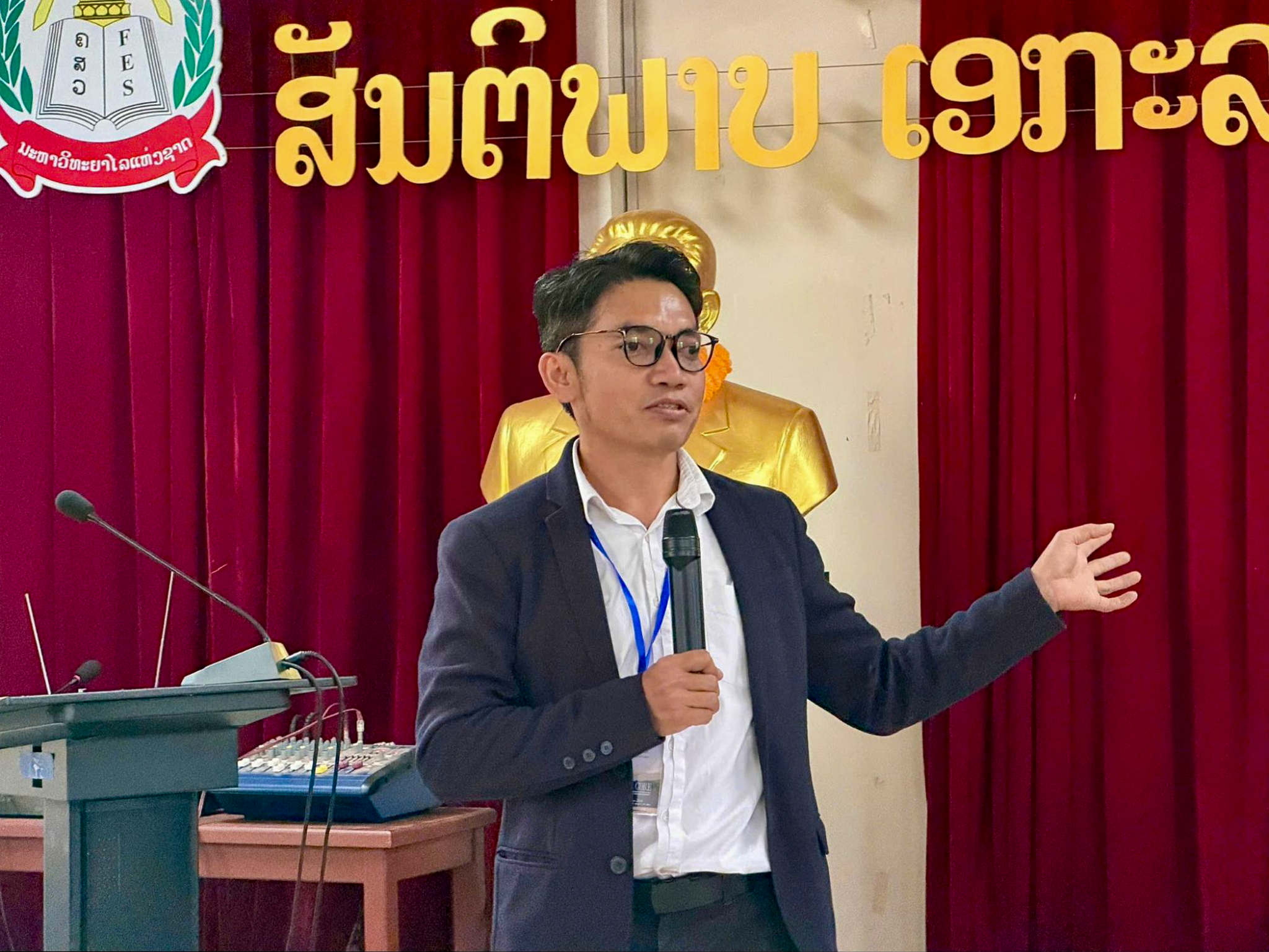
Lecture 3: Digital Era and Innovation for Sustainable Development Presented by Prof. Dr. Fritz Kleinschroth, Leibniz University Hannover, Germany and Dr. Phokham Latthachack, National University of Laos The lecture explored how digital technologies can support more effective environmental planning, climate adaptation, and sustainable development in the Mekong region. |
|
| Prof. Dr. Fritz Kleinschroth introduced the role of digital spatial tools, satellite imagery, remote sensing, and drone technologies in understanding environmental change and supporting inclusive landscape planning. These tools can help analyze land-use change, biodiversity loss, and infrastructure development, allowing researchers and policymakers to better understand the complex interactions between ecosystems, communities, and economic activities. |
Presented by Prof. Fritz Kleinschroth, Leibniz University Hannover, Germany |
|
Presented by Dr. Phokham Latthachack, National University of Laos |
Building on this perspective, Dr. Phokham Latthachack presented how digital innovation can support sustainable development in the Lao context. He highlighted the integration of technology across several sectors such as agriculture, forestry, water resources, transportation, governance, and tourism. The presentation emphasized that digital transformation-through tools such as GIS mapping, environmental monitoring systems, data platforms, and smart agricultural technologies-can improve decision-making, strengthen environmental management, and support sustainable economic growth. |
|
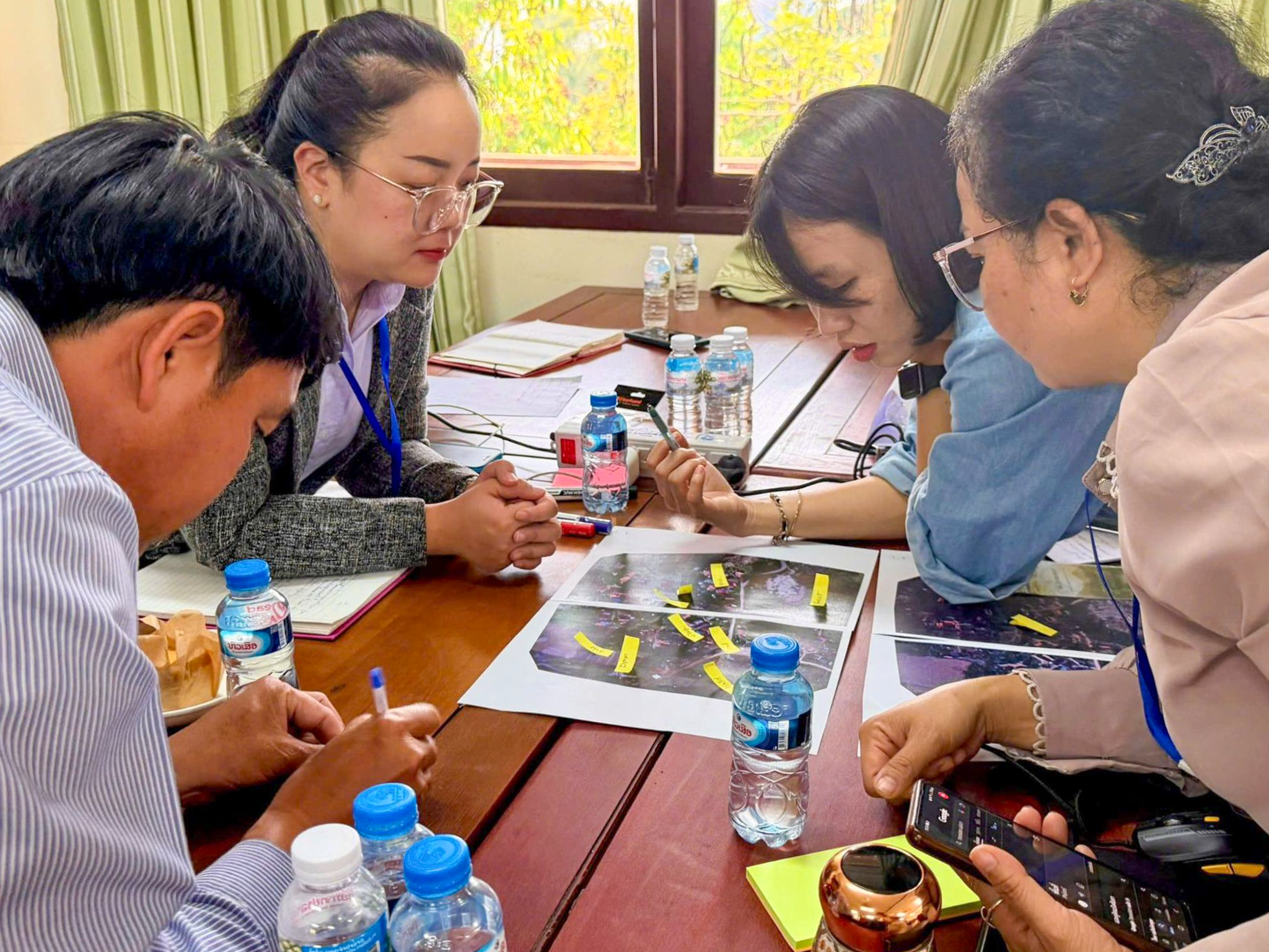
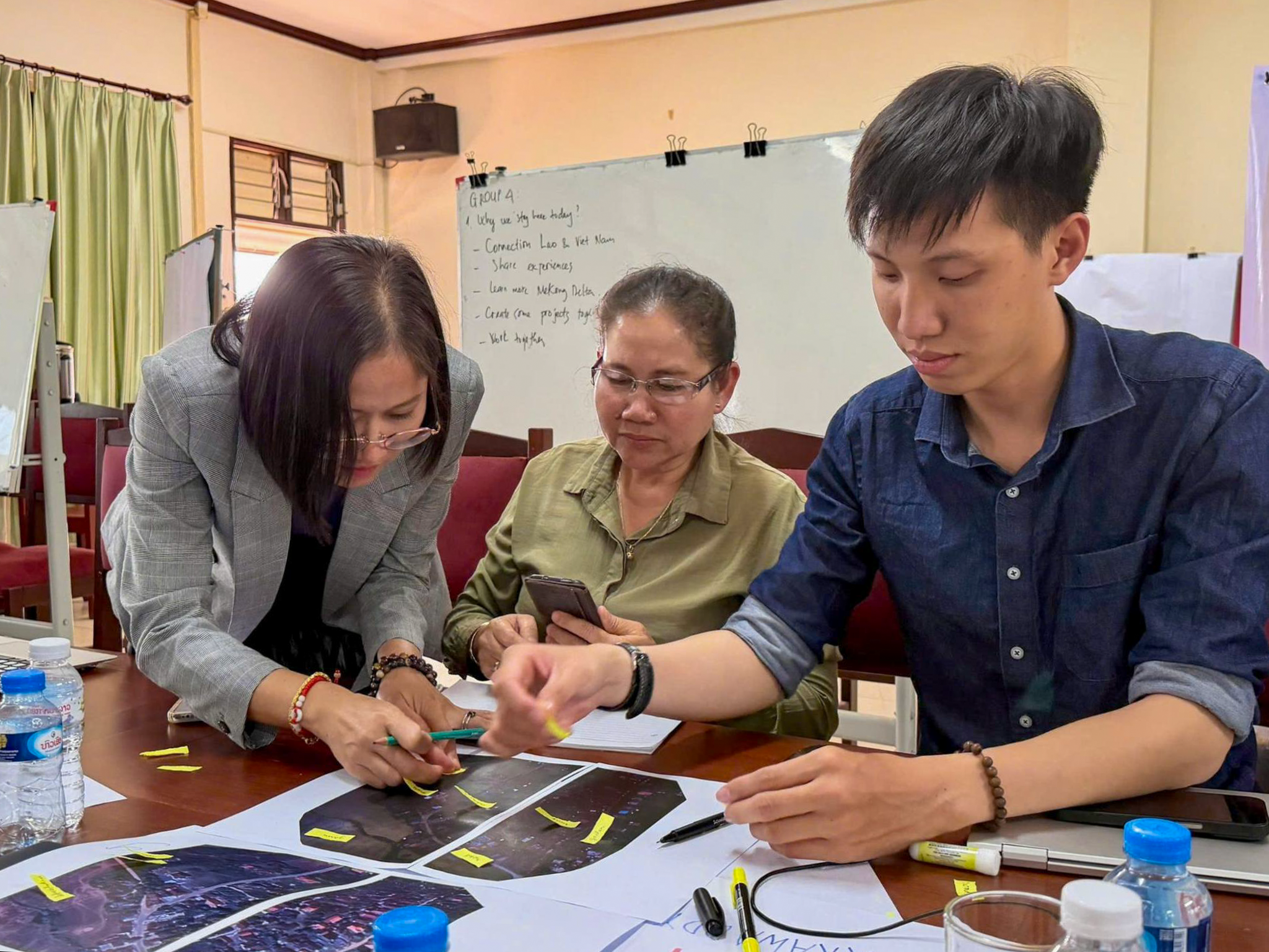
Group Work Session: Integrating Digital Tools and Data into Early-Career Research on Climate and Sustainability Moderated by Prof. Dr. Fritz Kleinschroth, Leibniz University Hannover and Dr. Phokham Latthachack, National University of Laos Participants were divided into four working groups to explore how digital tools and data could be integrated into their research and professional activities related to climate resilience and sustainable development. Each group worked with visual landscape data, spatial information, and practical examples to discuss how digital technologies can support environmental research and policy planning. |
|
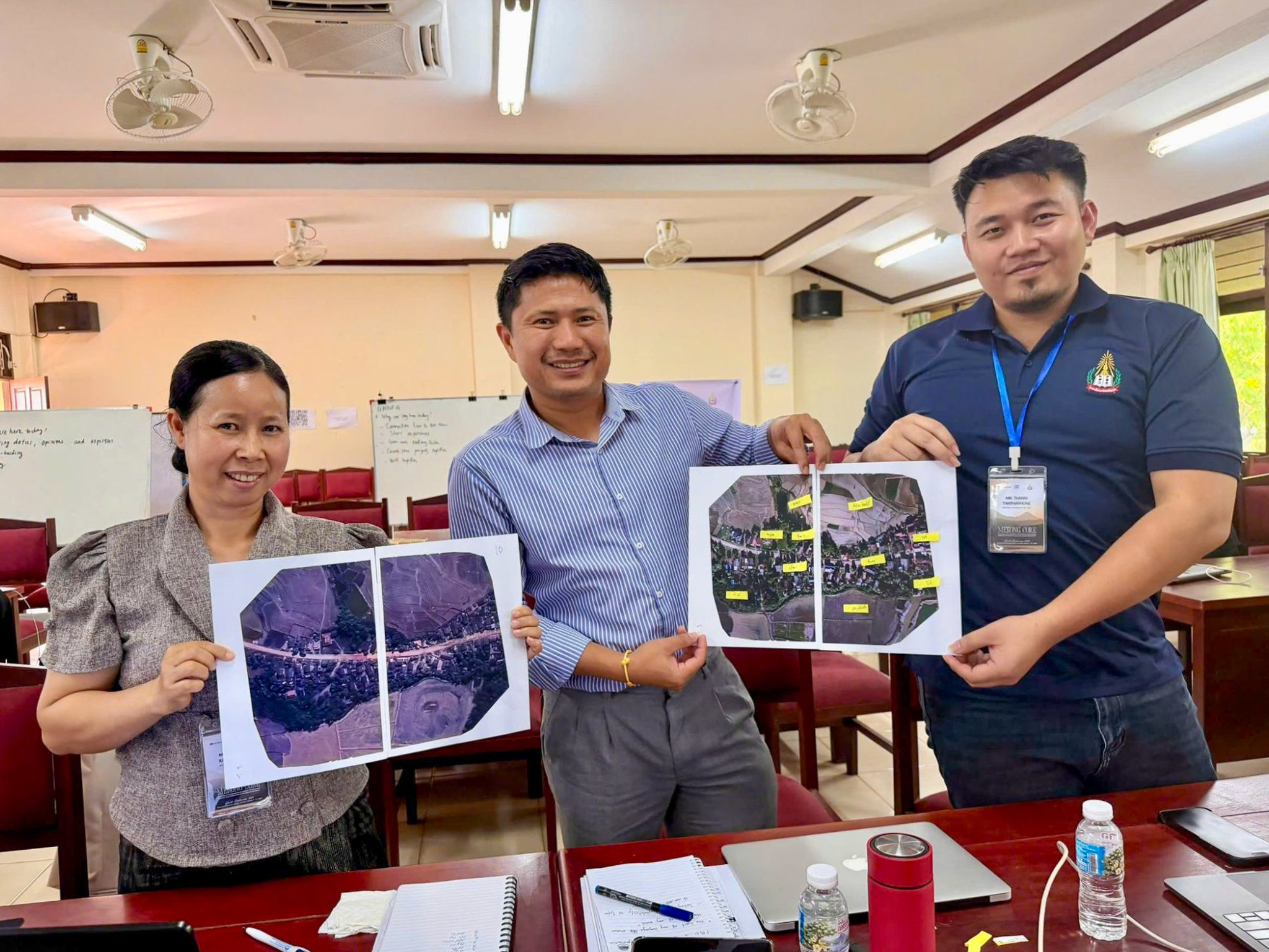 |
Group 1 Group 1 focused on the use of remote sensing and satellite data to monitor environmental change, such as deforestation, land-use transformation, and water resource dynamics in the Mekong region. Participants highlighted that these tools enable researchers to analyze environmental trends over time and support evidence-based decision-making. |
|
Group 2 Group 2 explored the application of GIS and spatial planning tools in landscape management. The group emphasized that digital mapping and visualization can help stakeholders better understand land-use patterns, identify environmental risks, and plan infrastructure and development in a more sustainable manner. |
 |
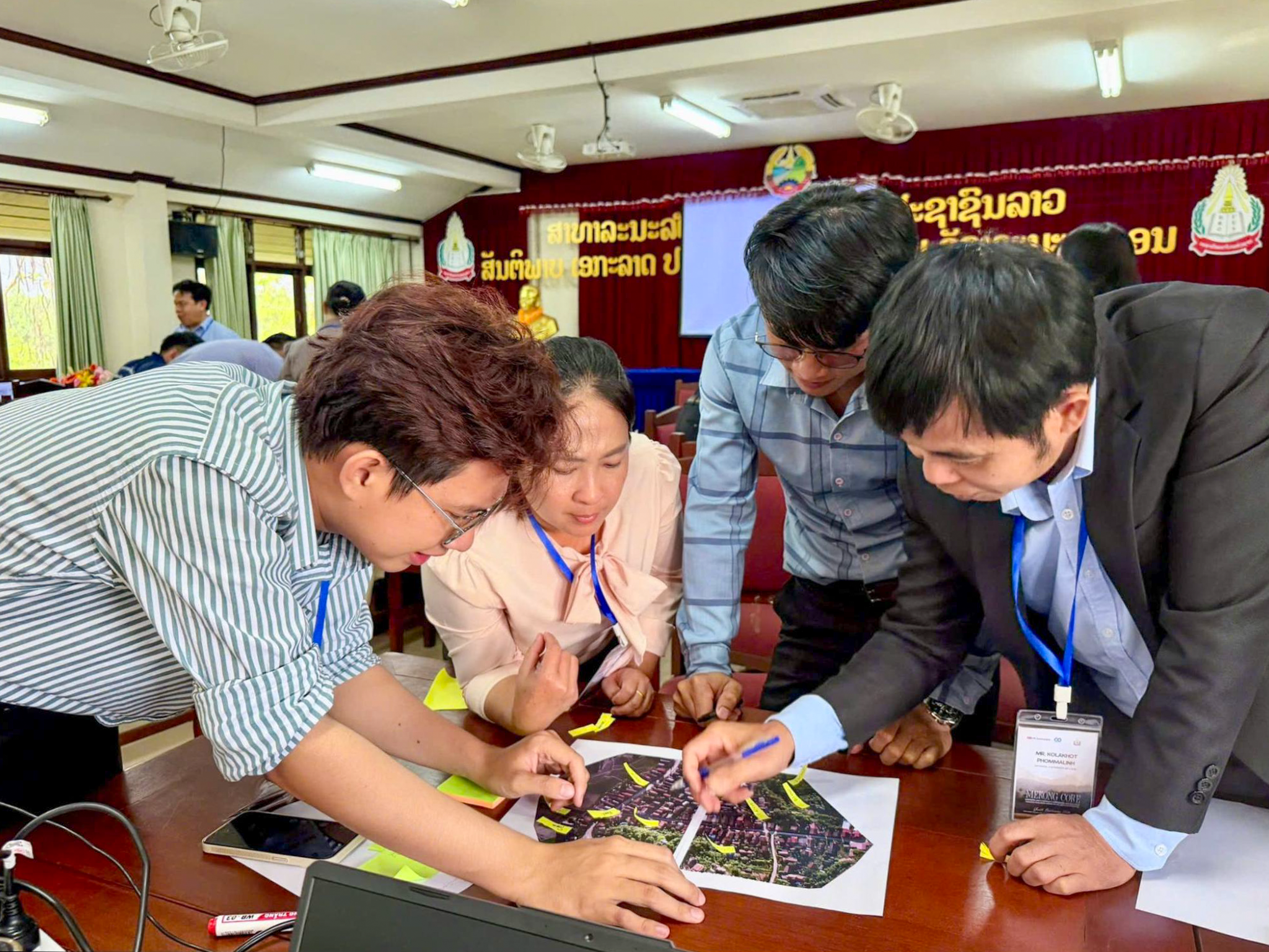 |
Group 3 Group 3 examined the role of digital technologies in agriculture and natural resource management, including smart farming systems, environmental monitoring, and digital knowledge-sharing platforms. Participants noted that such technologies can enhance productivity while supporting climate adaptation and environmental sustainability. |
|
Group 4 Group 4 discussed the importance of data sharing and regional research collaboration. Participants highlighted that open data platforms and digital tools can strengthen cooperation among researchers, universities, and institutions across the Mekong region, enabling more integrated and interdisciplinary approaches to sustainability challenges. |
 |
| The session concluded with a reflection and wrap-up discussion, where participants shared their experiences and key takeaways from the group activities. The discussion reaffirmed that digital innovation and accessible data are essential tools for supporting research, collaboration, and evidence-based policy development in addressing climate and sustainability challenges in the Mekong region. | |
Day 3: Carbon Credit, Climate Finance & Field Application
|
Lecture 4: Carbon Credit Mechanisms and Climate Finance in the Lower Mekong Region
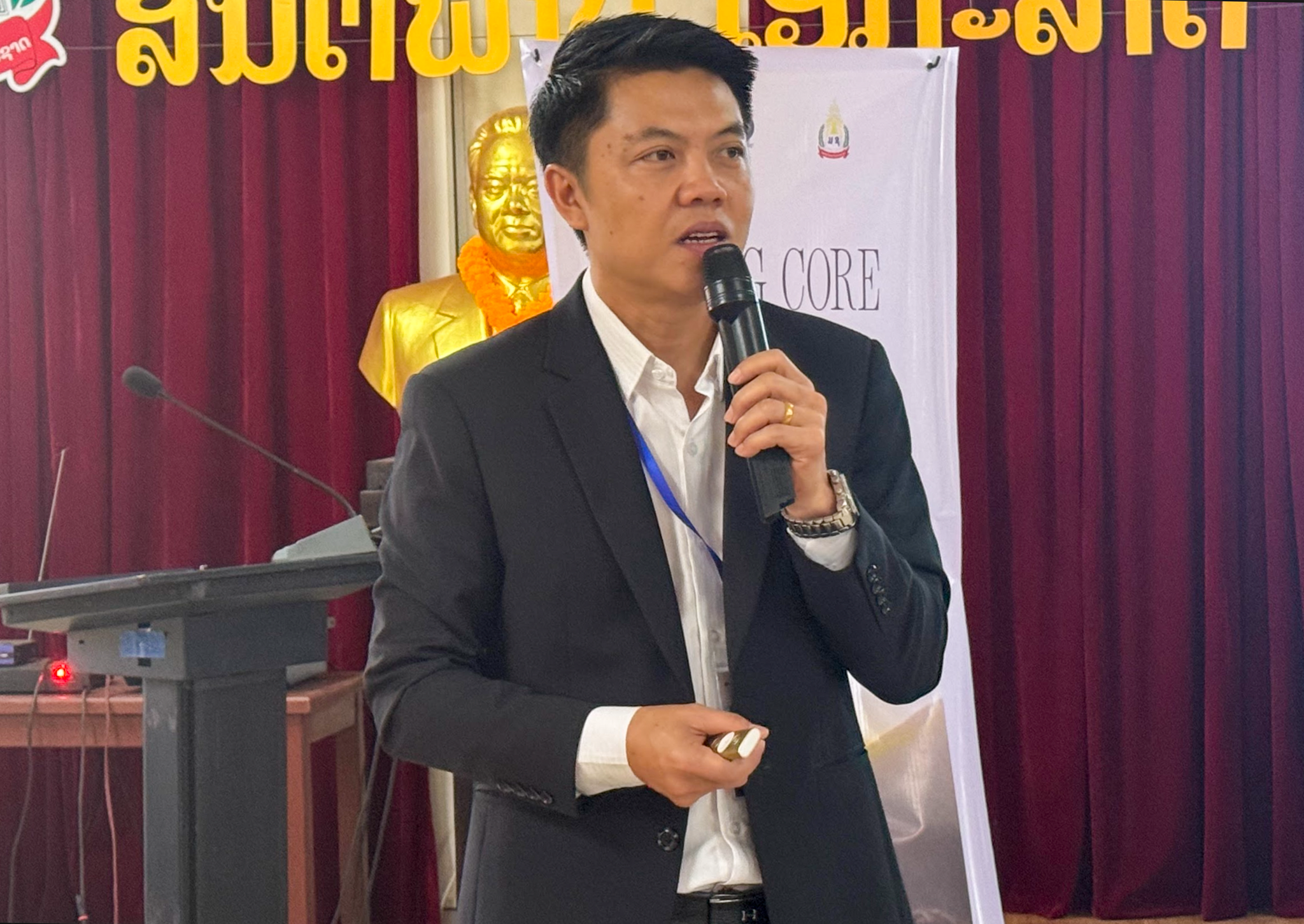
Presented by Dr. Davone Keomany, National University of Laos The presentation introduced participants to the growing role of carbon markets and climate finance mechanisms in supporting climate mitigation and sustainable development efforts across the Mekong region. Dr. Davone Keomany explained the basic principles of carbon credits, which allow governments, companies, and organizations to offset greenhouse gas emissions by investing in projects that reduce or remove carbon from the atmosphere. Examples include forest conservation, reforestation, sustainable agriculture, and renewable energy initiatives. These mechanisms are increasingly recognized as important tools for mobilizing financial resources to support climate action while promoting sustainable livelihoods for local communities. The lecture also highlighted the importance of nature-based solutions in carbon markets, particularly in regions such as the Lower Mekong Basin where forests, wetlands, and agricultural landscapes play a crucial role in carbon sequestration and ecosystem protection. Dr. Davone Keomany emphasized that integrating carbon finance into environmental management can help create economic incentives for conservation and sustainable land use, while also contributing to national climate commitments. Furthermore, the session discussed emerging opportunities and challenges for countries in the Mekong region in accessing climate finance. These include developing transparent monitoring systems, strengthening institutional capacity, and ensuring equitable benefit-sharing mechanisms for local communities participating in carbon projects. |
|
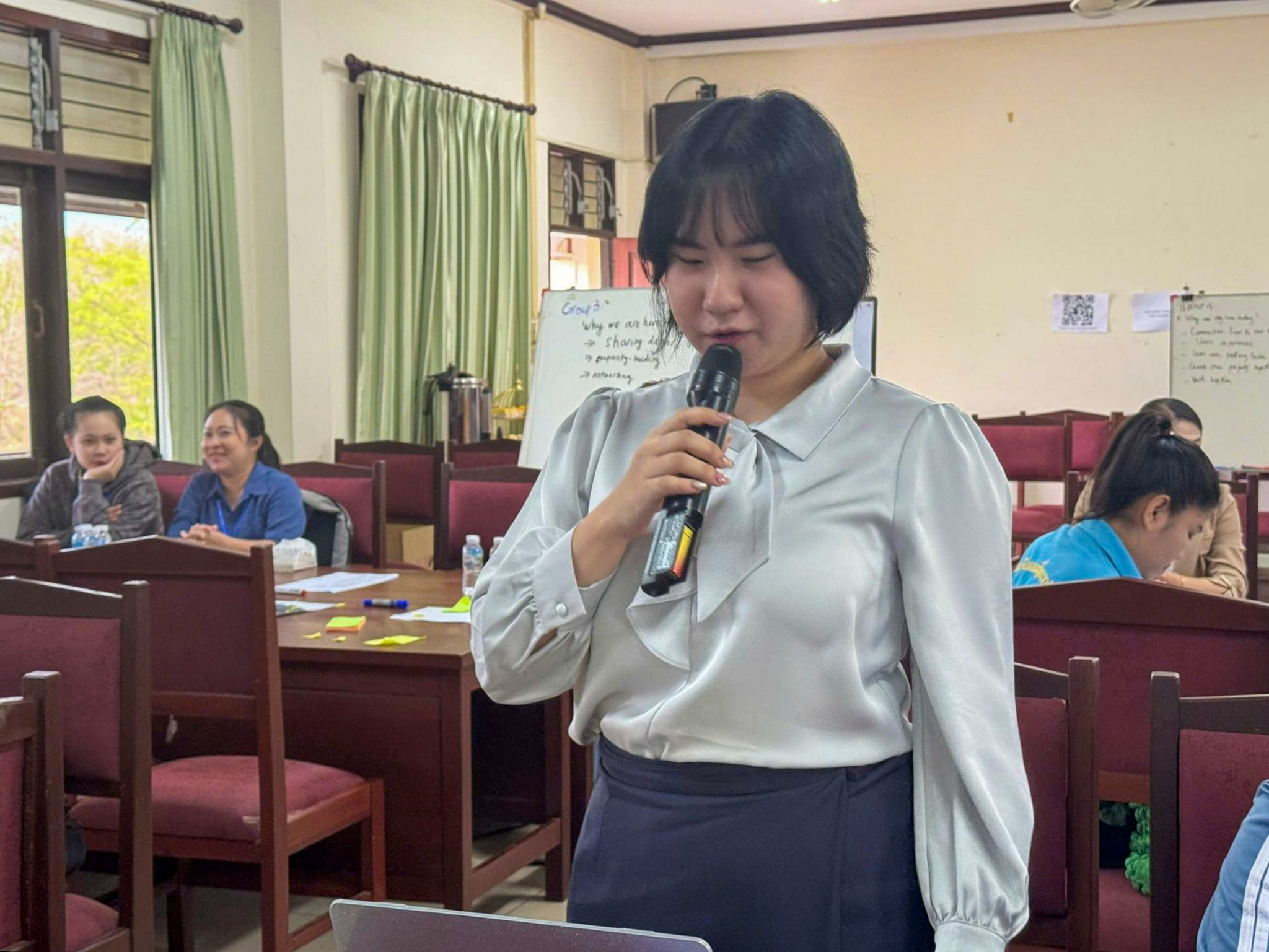
Case Study and Plenary Discussion 3: Carbon Markets, Nature-Based Solutions, and Community Implications Moderated by Dr. Davone Keomany, National University of Laos Following the lecture, participants engaged in a case study and plenary discussion session, focusing on the role of carbon markets and nature-based solutions in supporting sustainable development and community resilience. Participants were divided into four working groups, where they explored different perspectives on the opportunities and implications of carbon market mechanisms in the Mekong region. |
|
 |
Group 1 Group 1 discussed the potential of forest conservation and restoration projects as carbon credit initiatives. Participants highlighted that protecting forests not only contributes to carbon sequestration but also helps maintain biodiversity and ecosystem services. |
|
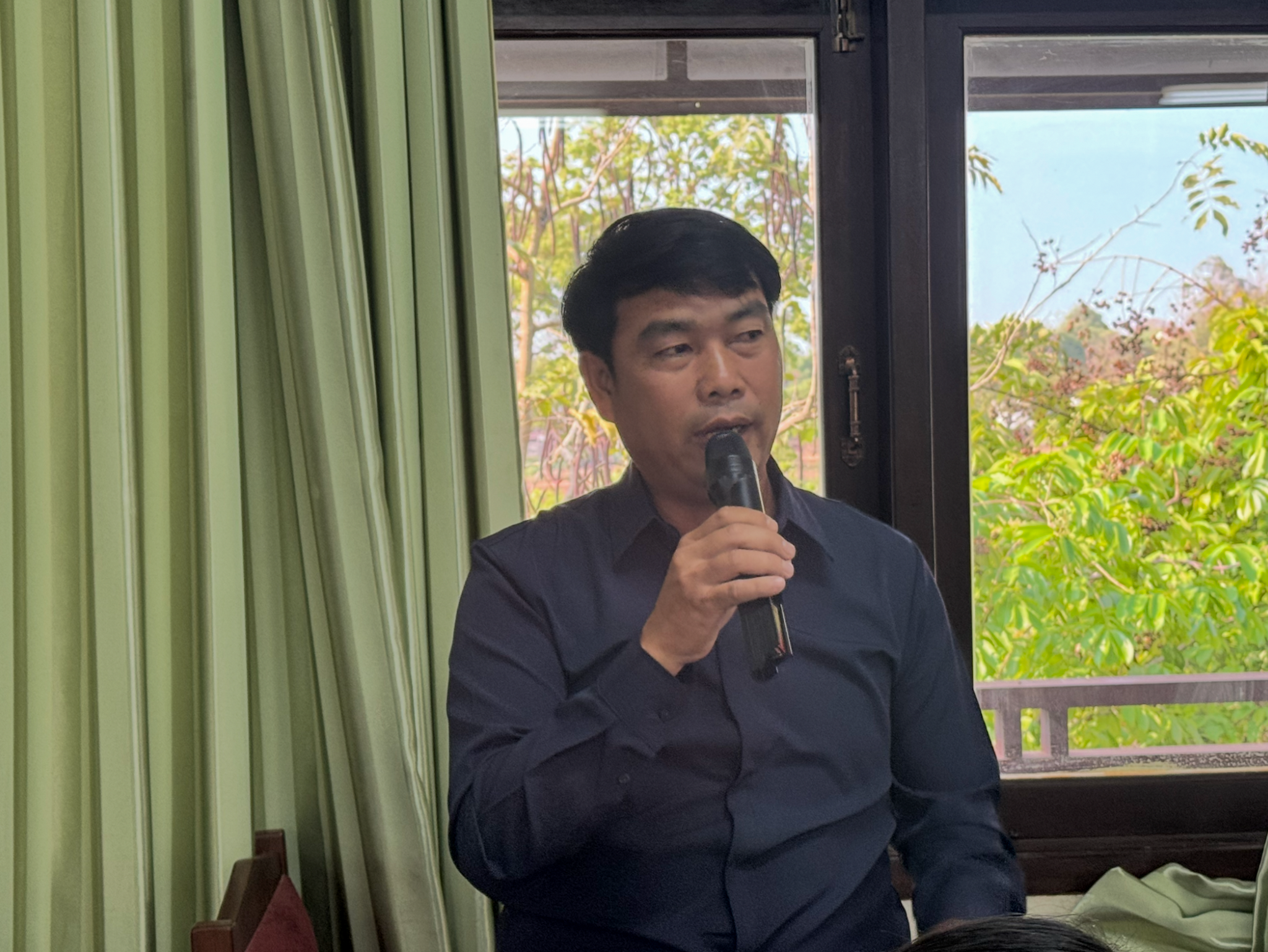
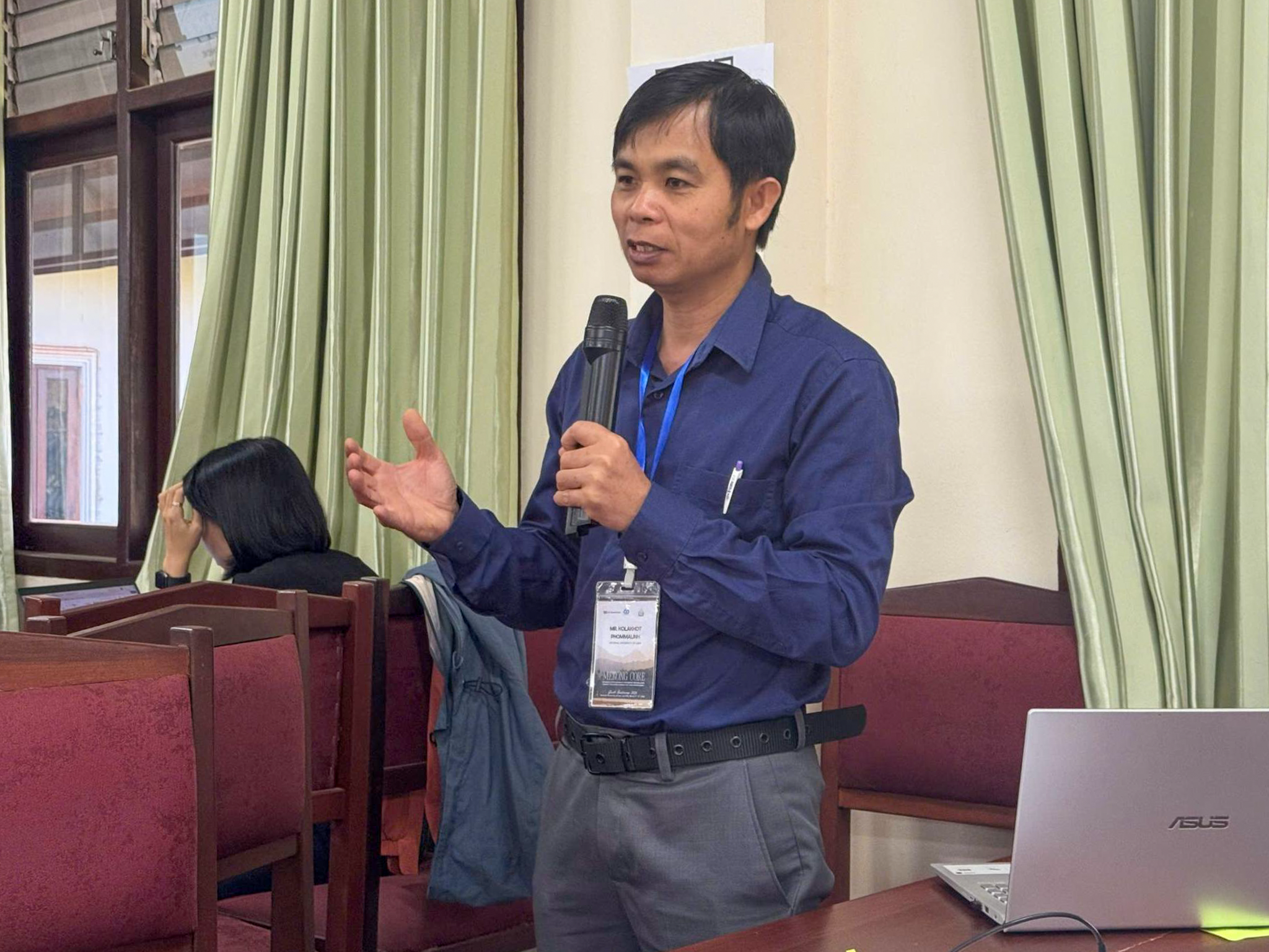
Group 2 Group 2 examined the role of nature-based solutions in agricultural landscapes, including sustainable farming practices, agroforestry, and soil carbon management. These approaches can help reduce emissions while improving productivity and climate resilience for farmers. |
 |
 |
Group 3 Group 3 focused on the community implications of carbon credit projects, particularly the importance of ensuring that local communities benefit from carbon finance initiatives. Participants emphasized the need for inclusive participation, transparent governance, and fair benefit-sharing mechanisms. |
|
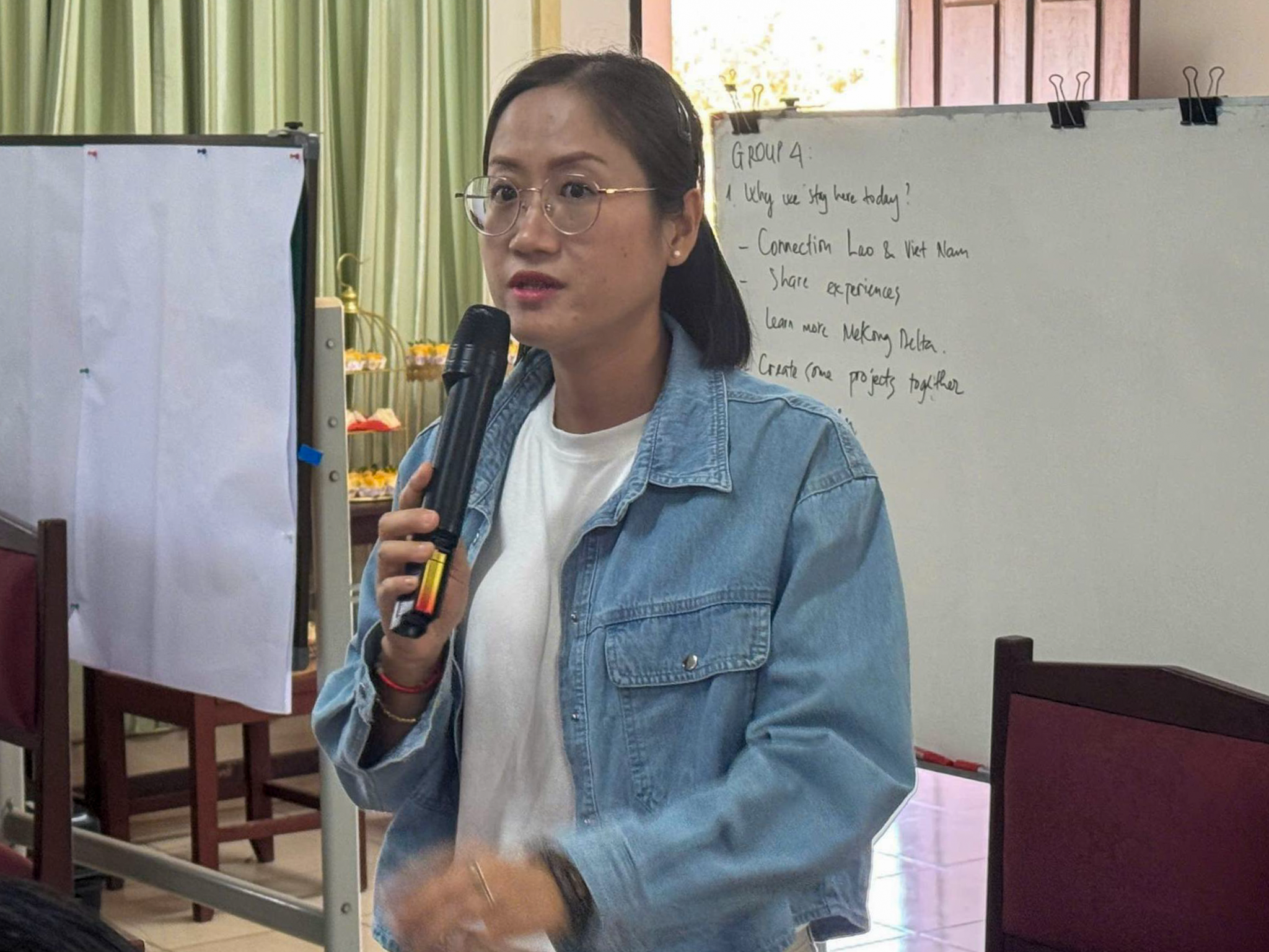
Group 4 Group 4 explored the role of regional cooperation and policy frameworks in supporting the development of carbon markets. The group highlighted that collaboration among governments, research institutions, and development partners is necessary to strengthen monitoring systems, improve technical capacity, and align carbon projects with national climate strategies. |
 |
| The session concluded with a shared recognition that carbon markets and climate finance present important opportunities for the Mekong region, but their success depends on strong governance, transparent systems, and meaningful engagement of local communities in climate-related initiatives. | |
|
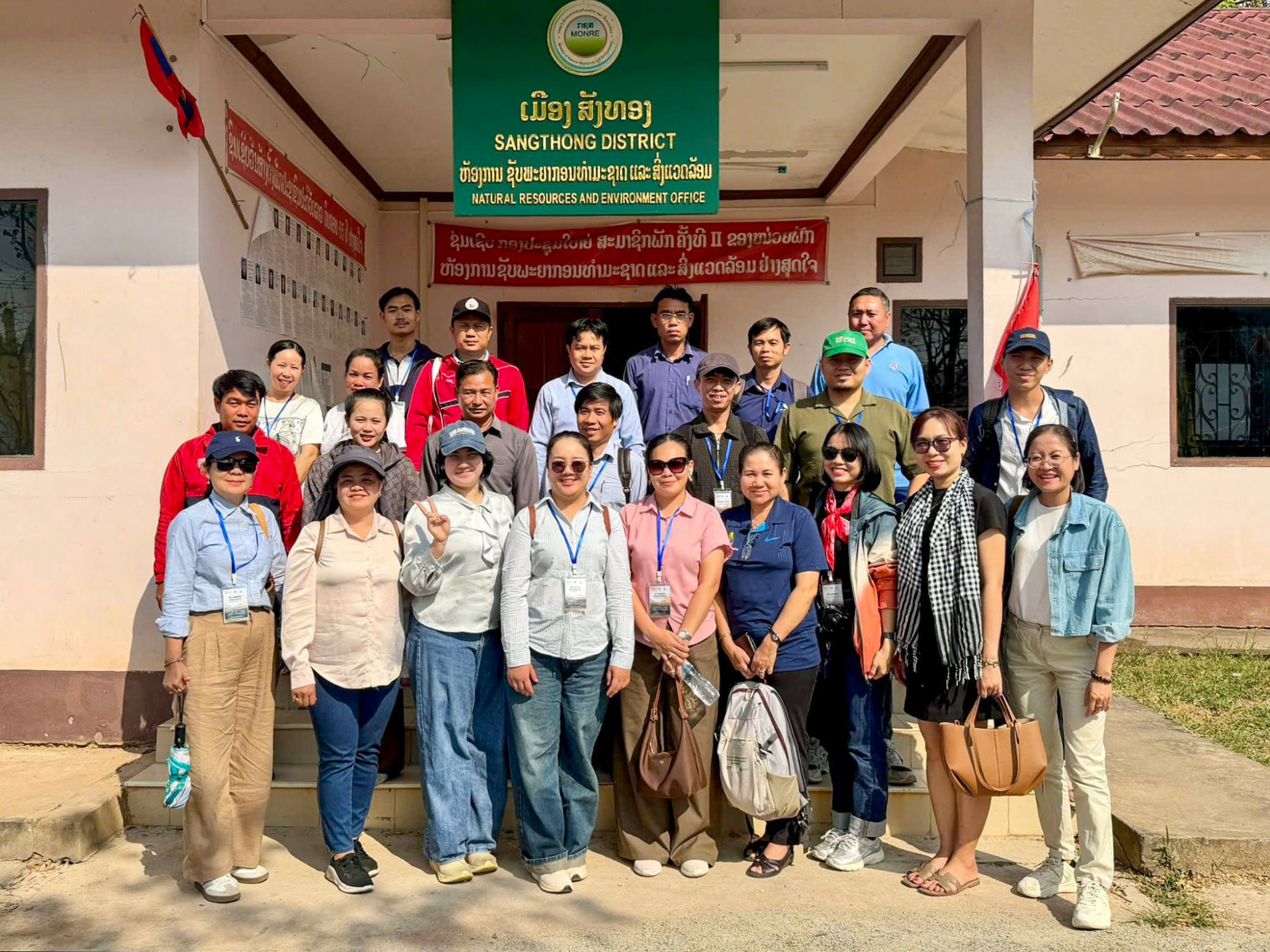
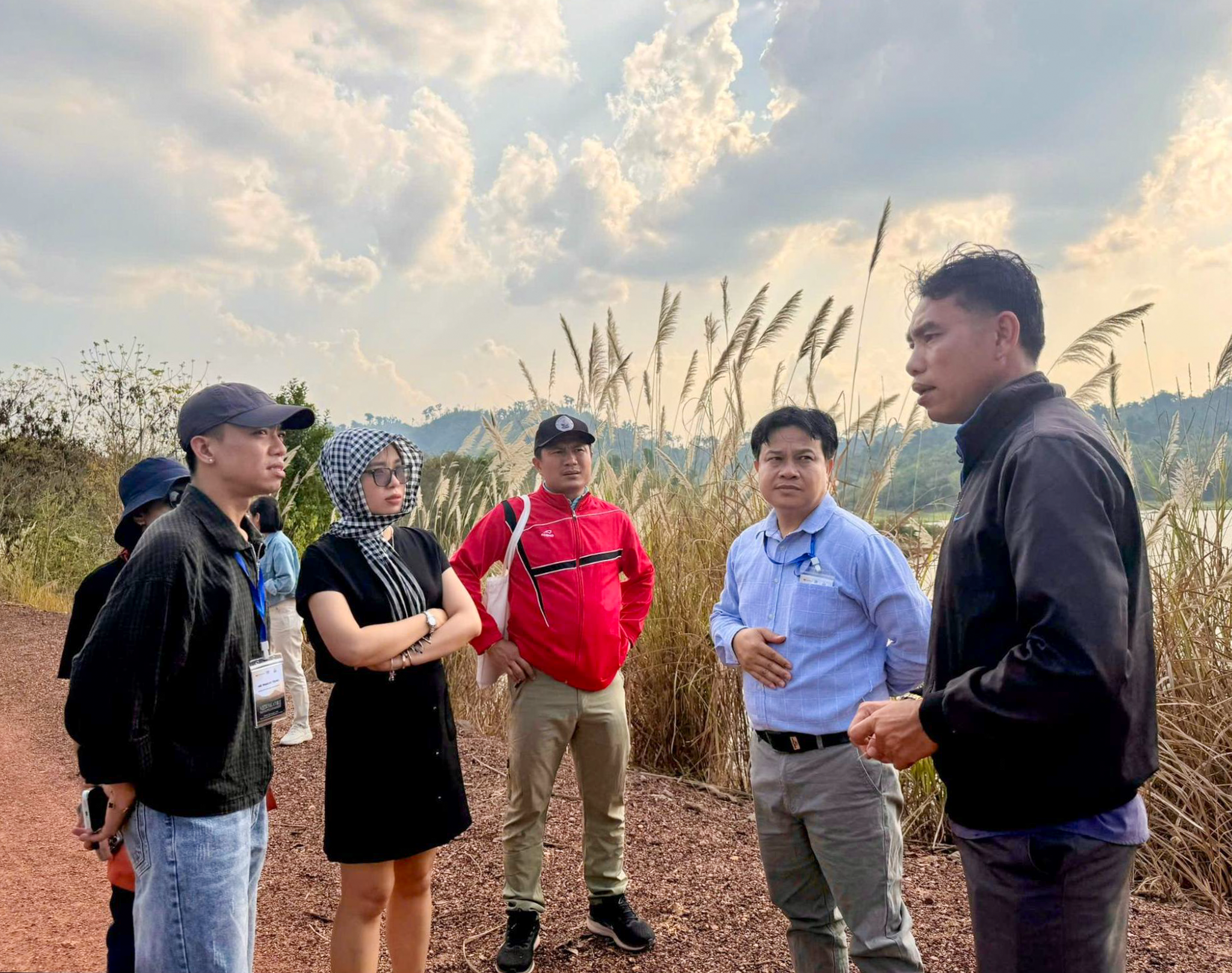
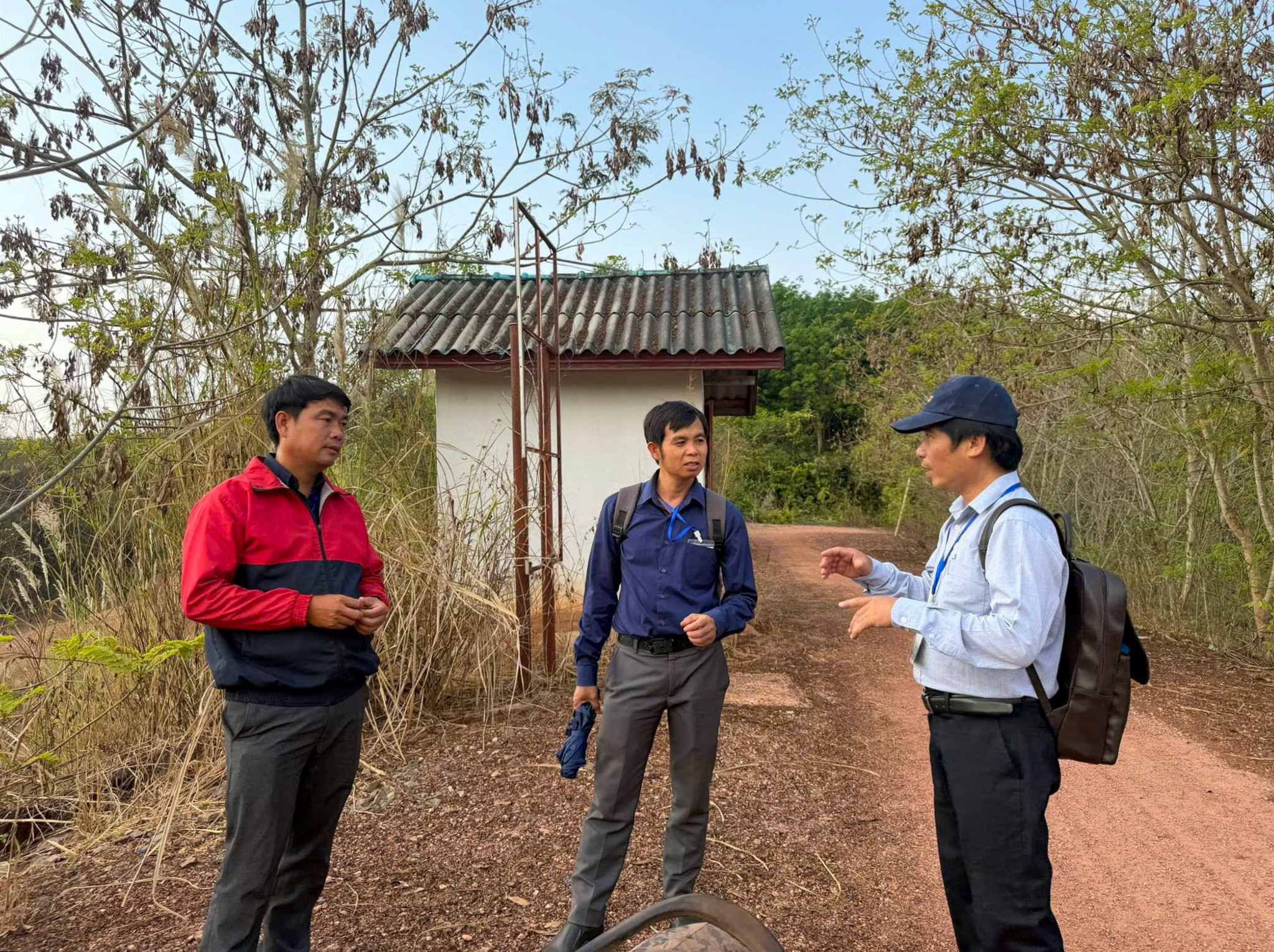
Field Visit: Nam Ten Reservoir Project In the afternoon, participants conducted a field visit to the Nam Ten Reservoir Project located in Nasaonang Village, Sangthong District, Vientiane Capital, Lao PDR. The visit provided participants with an opportunity to observe how local water resource management and reservoir development contribute to sustainable livelihoods, environmental management, and climate adaptation in the Mekong region. During the visit, participants were welcomed by local project representatives and community members, who introduced the background and operational model of the reservoir. The discussion highlighted how the reservoir supports water storage, irrigation for agriculture, fisheries development, and local livelihood activities, while also contributing to improved water management and climate resilience for surrounding communities. Participants had the opportunity to engage directly with the local project operator and community representatives, exchanging ideas and asking questions about how the reservoir is managed, the benefits it provides to local residents, and the challenges faced in maintaining sustainable resource use. This exchange allowed participants to better understand how local initiatives can connect with broader regional goals related to climate finance, sustainable development, and ecosystem management. Following the discussion, participants toured the reservoir area and surrounding landscapes to gain first-hand insights into the infrastructure, water management practices, and community activities associated with the project. The visit enabled participants to link the theoretical concepts discussed during the morning sessions-particularly those related to carbon finance, sustainability, and climate adaptation-with real-world practices at the local level. |
||
 |
 |
 |
|
On-site discussion: Linking local realities with regional transboundary challenges
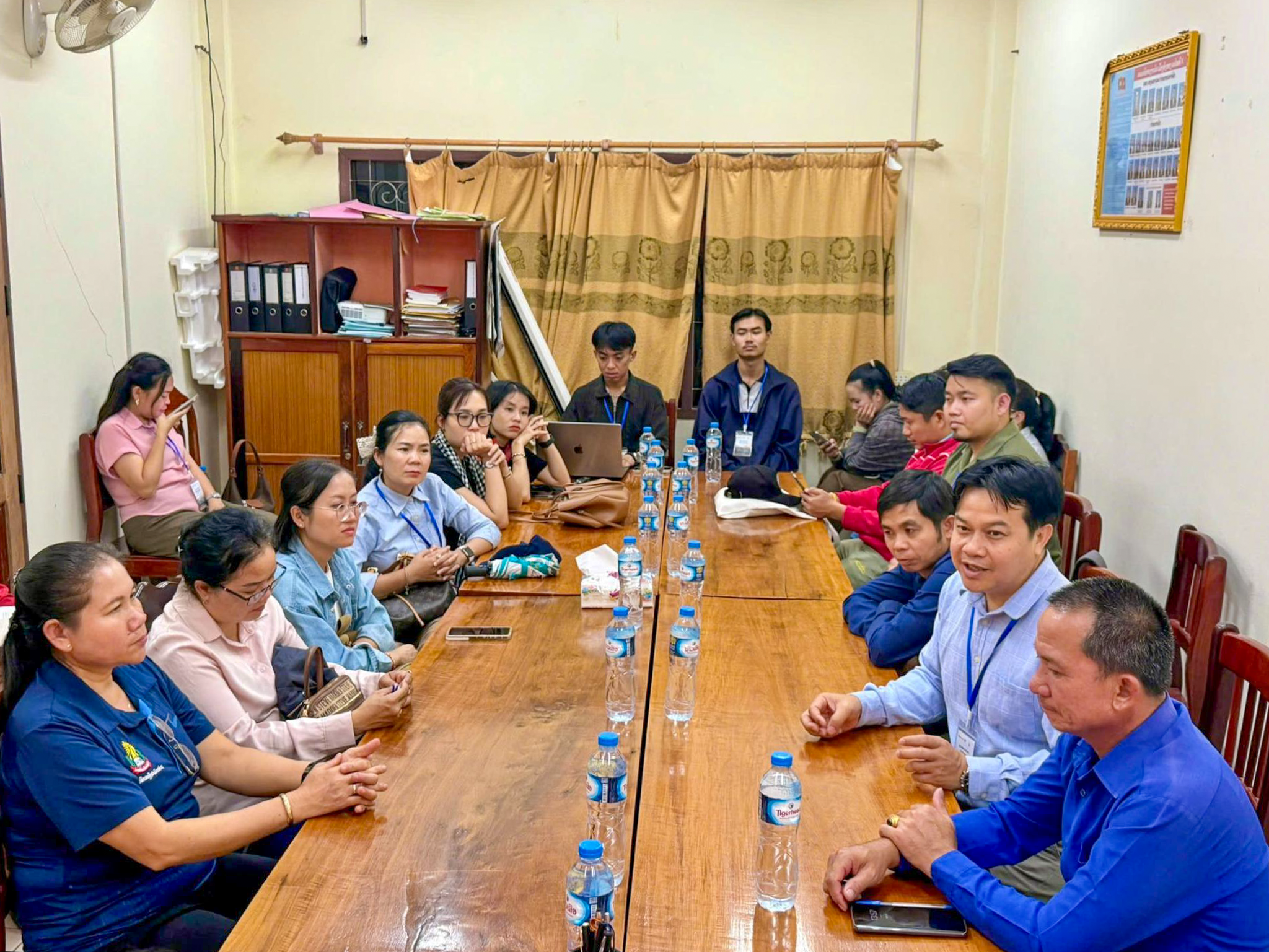
Moderated by Dr. Phetyasone Xaypanya, National University of Laos and Dr. Vo Van Tuan, Can Tho University The on-site discussion encouraged participants to reflect on how similar models and collaborative approaches could be further developed to strengthen sustainable development and climate resilience across the Lower Mekong region. |
Day 4: Mini-conference on Youth-led Action for Mekong Sustainability
|
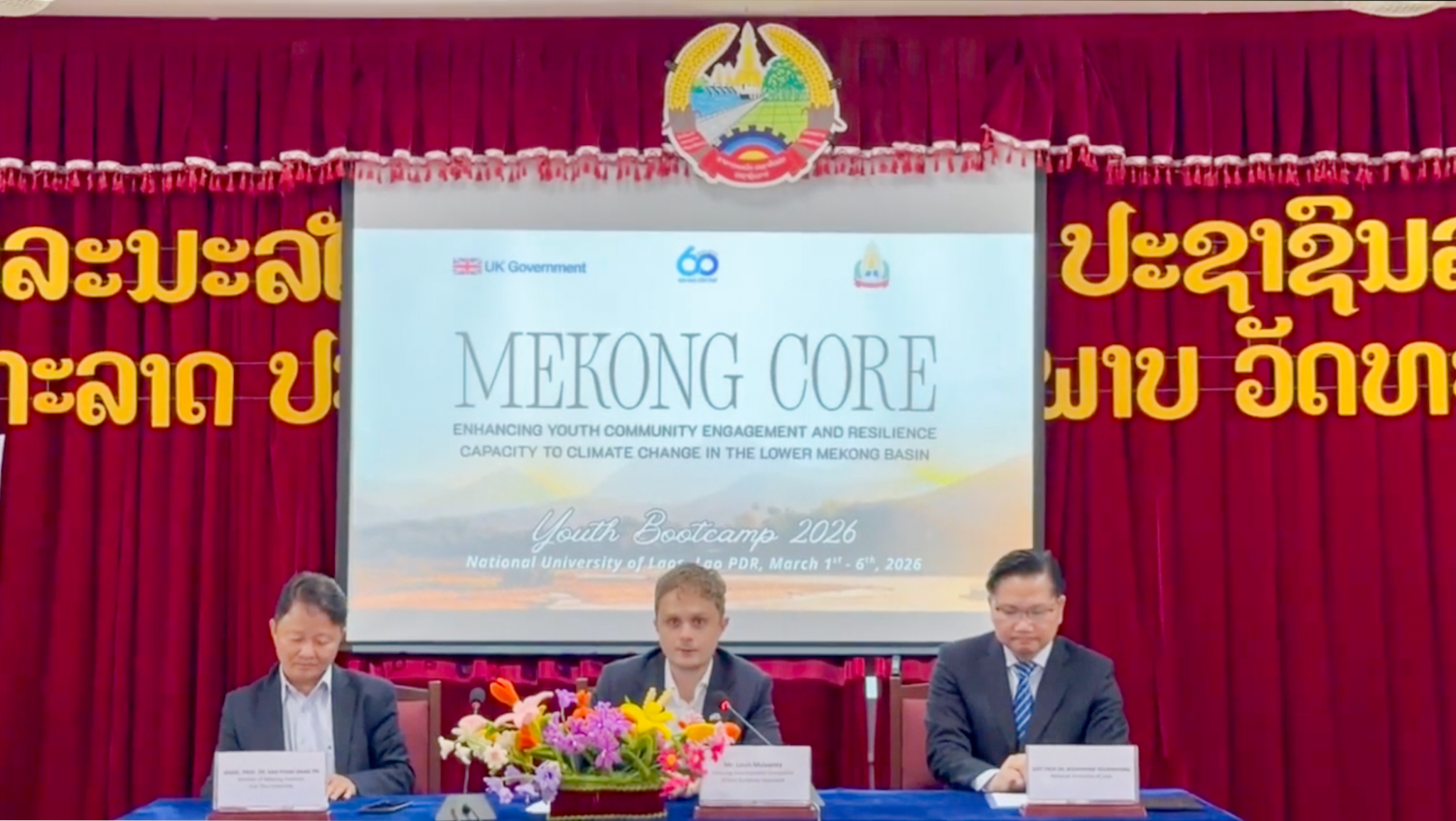
Welcoming Session The Welcoming Remarks featured remarks by Mr. Louis Mulvaney, Mekong Development Counsellor at the British Embassy in Vientiane; Assoc. Prof. Dr. Bounthone Souksavong, Head of International Relationships, National University of Laos; and Assoc. Prof. Dr. Van Pham Dang Tri, Director of the Mekong Institute, Can Tho University. |
|
|
The Welcoming Session featured remarks by Mr. Louis Mulvaney, Mekong Development Counsellor at the British Embassy in Vientiane. He emphasized the importance of the Mekong River as a vital lifeline supporting millions of people across the region through food production, livelihoods, and economic development. He noted that while the Mekong brings many opportunities, the region is also increasingly facing challenges such as droughts, floods, and water pollution. Mr. Louis Mulvaney reaffirmed the United Kingdom’s commitment to strengthening cooperation in the Mekong region, including supporting regional partnerships and knowledge sharing to enhance climate resilience and sustainable river management. He also encouraged young researchers and participants to continue building collaboration and innovative solutions for the sustainable future of the Mekong Basin. |
 |
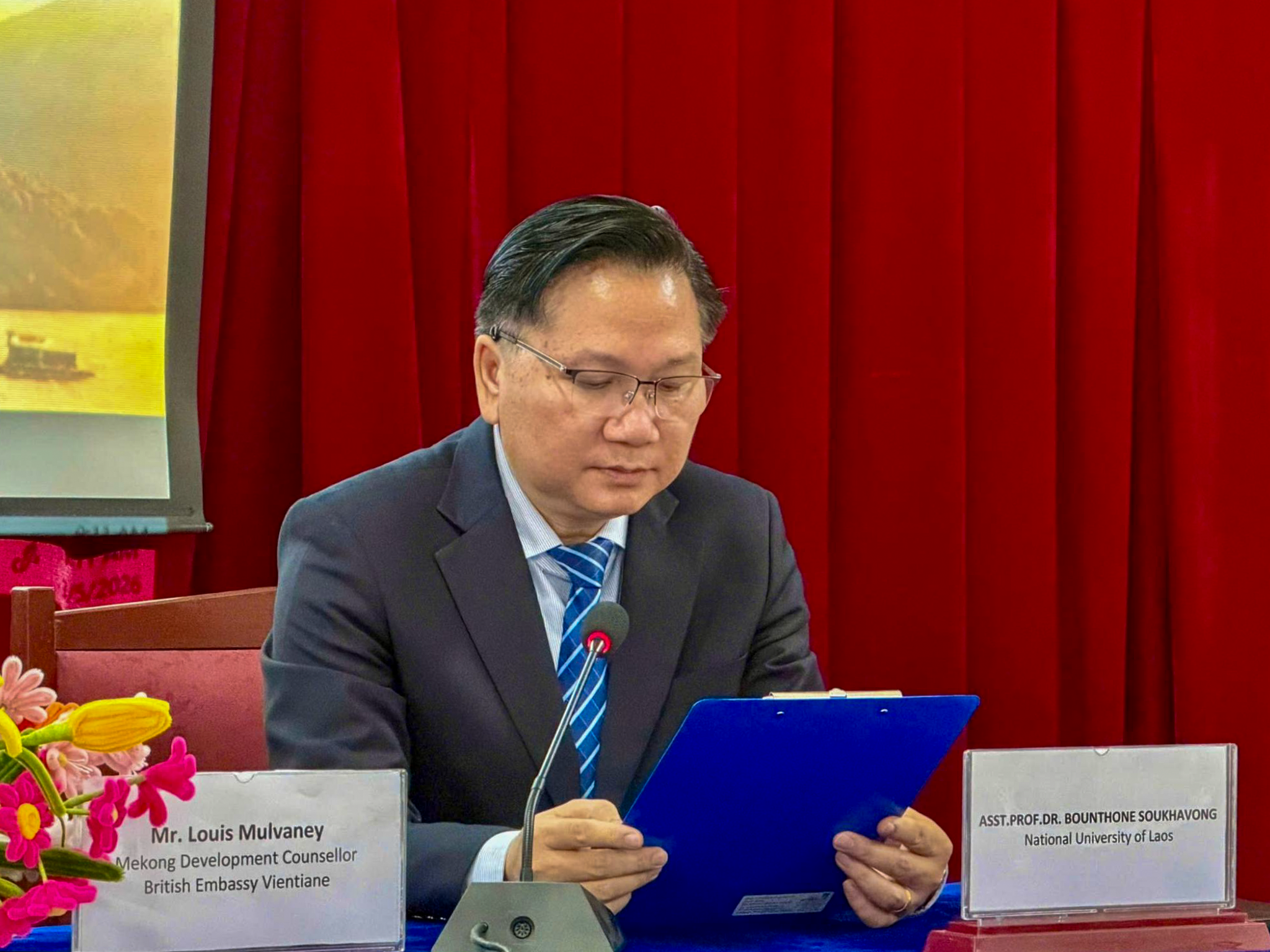 |
Assoc. Prof. Dr. Bounthone Souksavong, Head of International Relationships, National University of Laos, who warmly welcomed participants, speakers, and partners to the final day of the Mekong CoRe Youth Bootcamp 2026. In his remarks, he emphasized that the Mekong River is not only a shared natural resource but also a vital lifeline for millions of people in the region. He highlighted the importance of strengthening youth engagement, regional collaboration, and knowledge exchange to address growing climate challenges such as floods, droughts, and salinity intrusion in the Lower Mekong Basin. He noted that the bootcamp represents a valuable platform for early-career researchers to gain knowledge, regional perspectives, and practical tools to contribute to sustainable development in the Mekong region. He also expressed hope that the ideas and research developed during the programme would lead to meaningful actions and long-term cooperation among young professionals. |
| Following this, Assoc. Prof. Dr. Van Pham Dang Tri, Director of the Mekong Institute, Can Tho University, shared that the bootcamp had created a strong foundation for collaboration between Can Tho University and the National University of Laos. He expressed his hope that, after this training programme, both institutions will continue to expand cooperation in research, academic exchange, and joint initiatives addressing climate resilience and sustainable development in the Mekong region. | |
|
Towards Sustainability and Security of the Mekong Region: Opportunities, Challenges and Shared Values
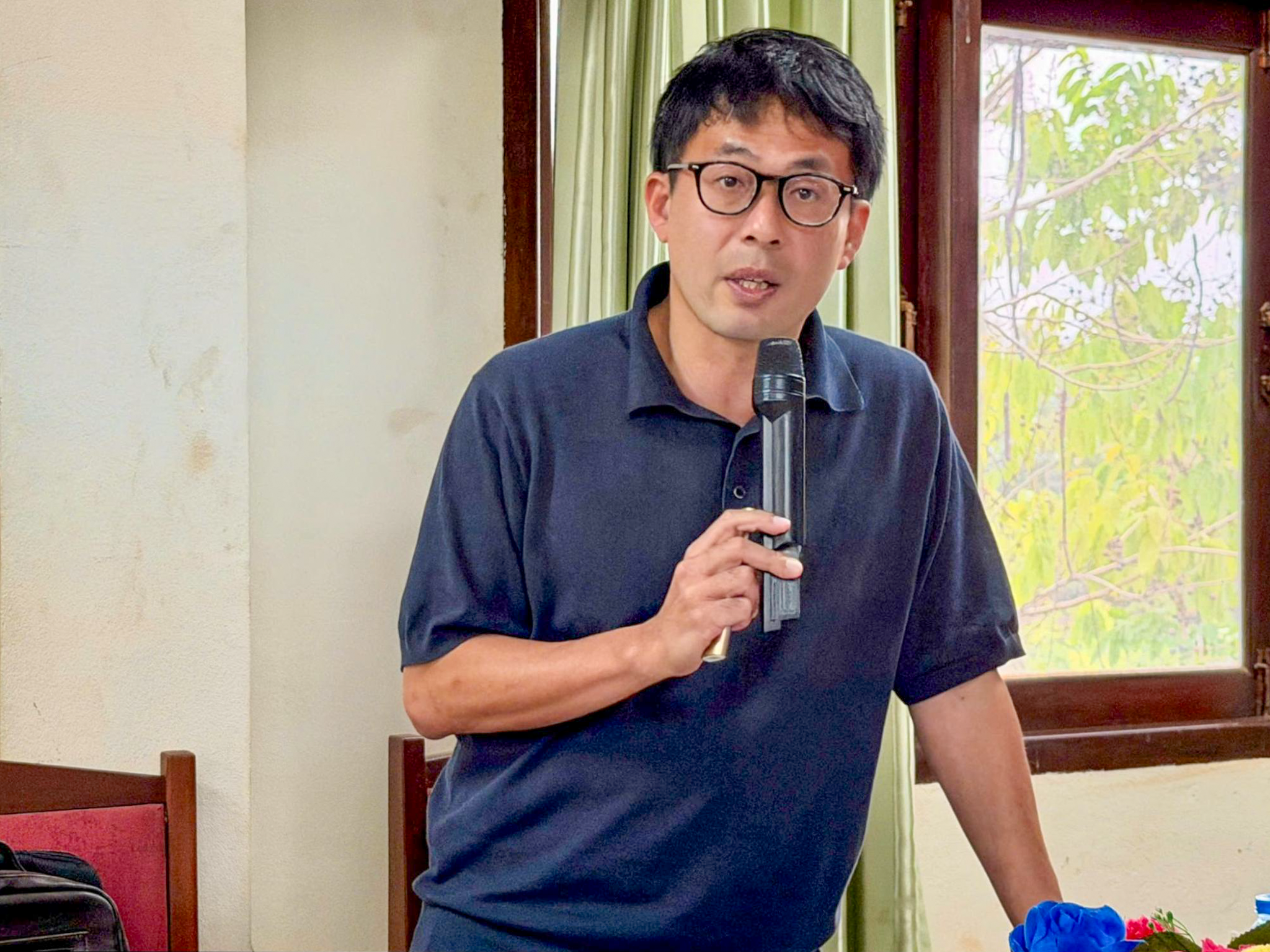
Presented by Mr. Tomohiko Sakamoto from the Mekong River Commission (MRC) Secretariat in Vientiane Mr. Sakamoto highlighted the importance of strengthening regional cooperation in managing the Mekong River Basin to ensure long-term sustainability and security for countries in the region. He emphasized that the Mekong River supports millions of people through fisheries, agriculture, transportation, and water resources, making it a critical foundation for livelihoods and economic development. The presentation also discussed current challenges affecting the basin, including climate change, rapid infrastructure development, increasing water demand, and environmental degradation. Mr. Sakamoto stressed that addressing these complex challenges requires stronger coordination among Mekong countries, improved data sharing, and integrated river basin management approaches. He also introduced the role of the Mekong River Commission in facilitating dialogue, promoting scientific research, and supporting evidence-based decision-making among member countries. By strengthening collaboration and shared understanding, the Mekong region can better balance development needs with environmental protection and sustainable resource management. |
|
Panel Reflection: Key Takeaways and Youth-led Action Ideas Following the three-day training programme, participants engaged in a panel reflection session where four groups shared their key takeaways and proposed youth-led research and action ideas aligned with the bootcamp’s thematic areas. |
|
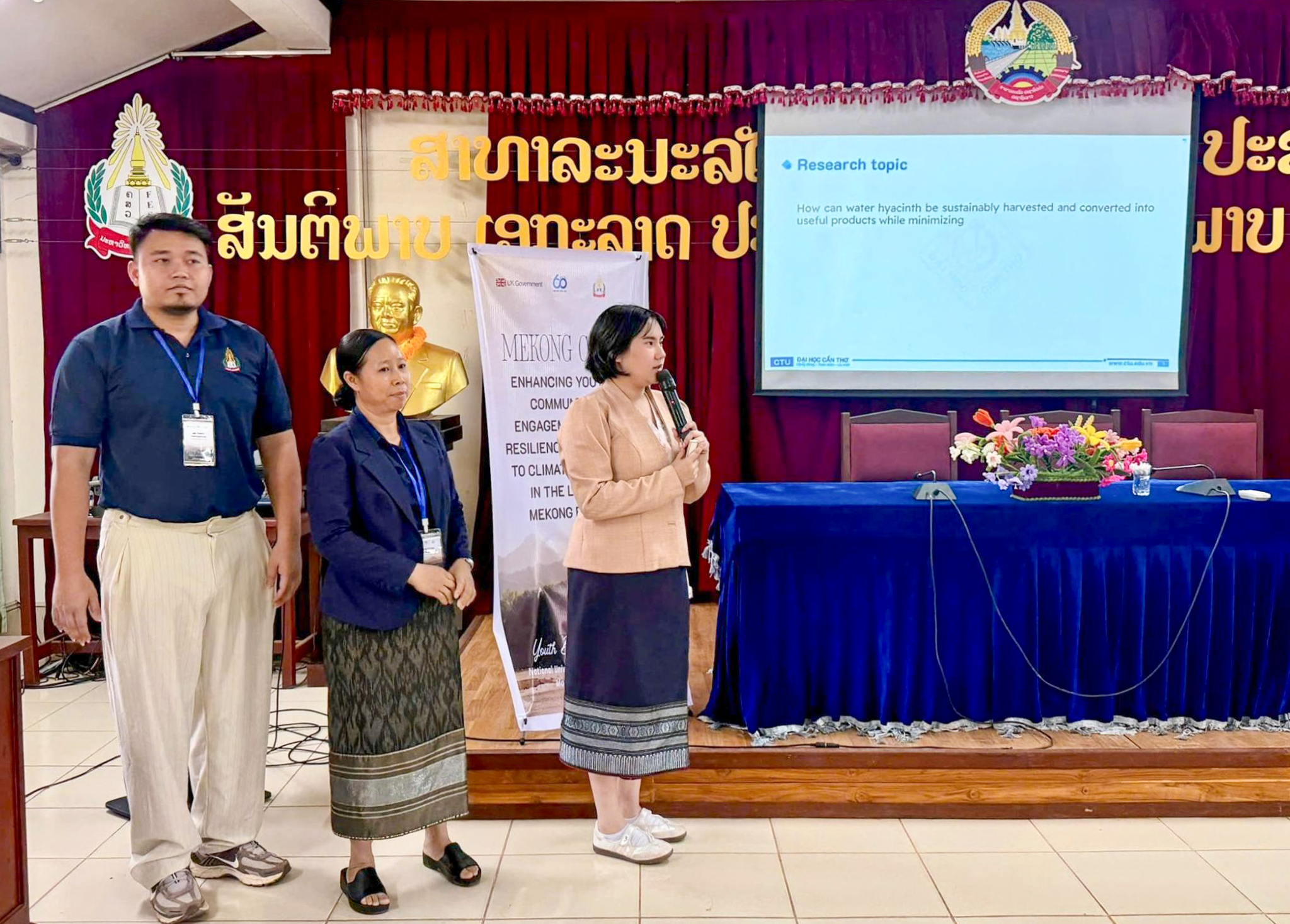 |
Group 1 Group 1 focused on transforming environmental challenges into economic opportunities through a project on sustainable management of water hyacinth in urban waterways. The group highlighted that invasive aquatic plants, while causing environmental problems, can be converted into valuable resources such as compost, bio-products, or animal feed. Their proposed action plan combines community engagement, biomass harvesting, and digital monitoring tools to support a circular economy approach while reducing methane emissions and water pollution. |
|
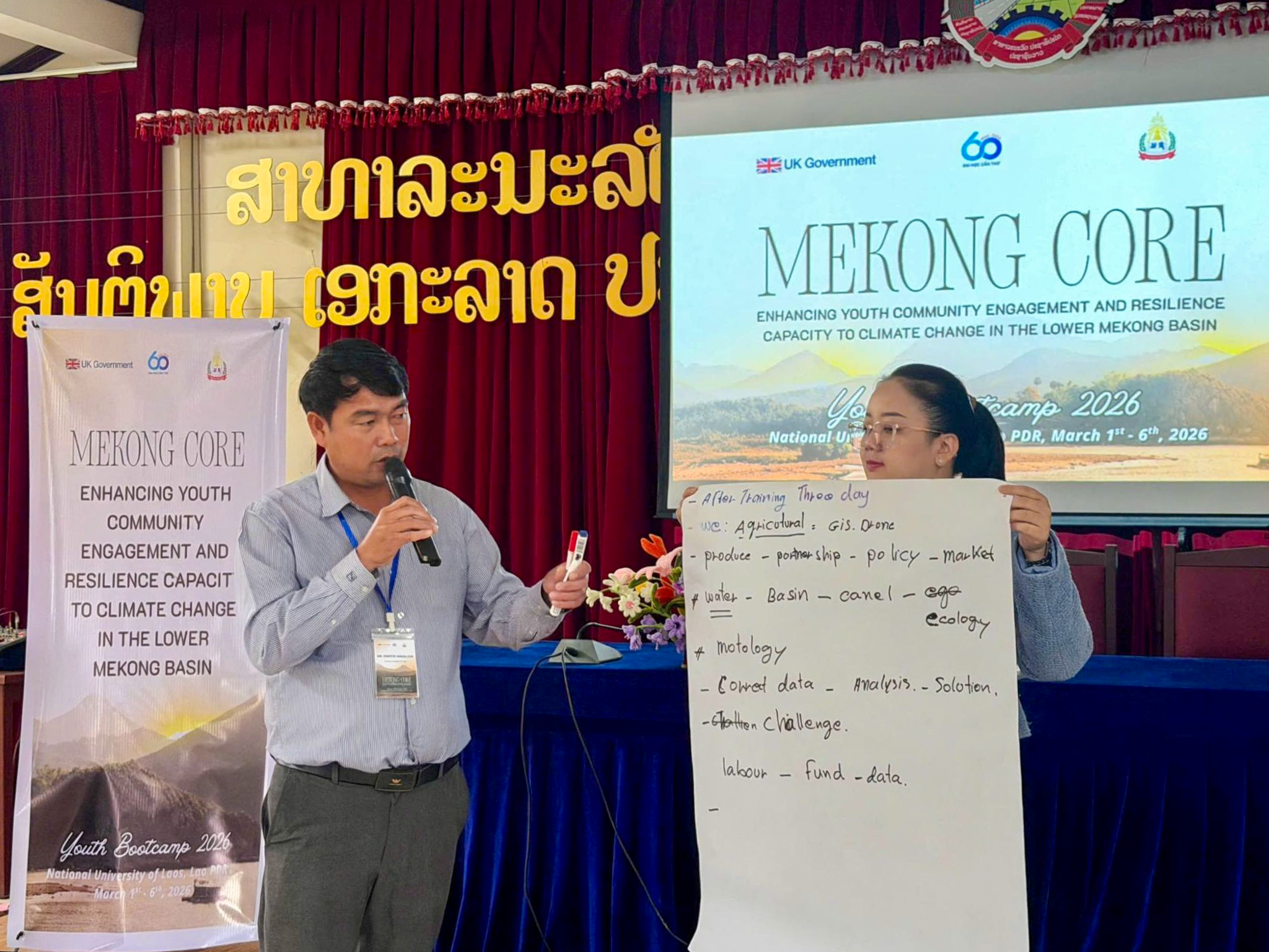
Group 2 Group 2 proposed a youth-centered initiative aimed at strengthening youth engagement in climate action across the Mekong region. The group suggested establishing a Mekong Youth Climate Action Network to connect students, early-career researchers, and youth organizations in Lao PDR and Viet Nam. The initiative would support youth-led research, training programmes, and community outreach activities that promote sustainable agriculture, climate awareness, and knowledge exchange among young leaders. |
 |
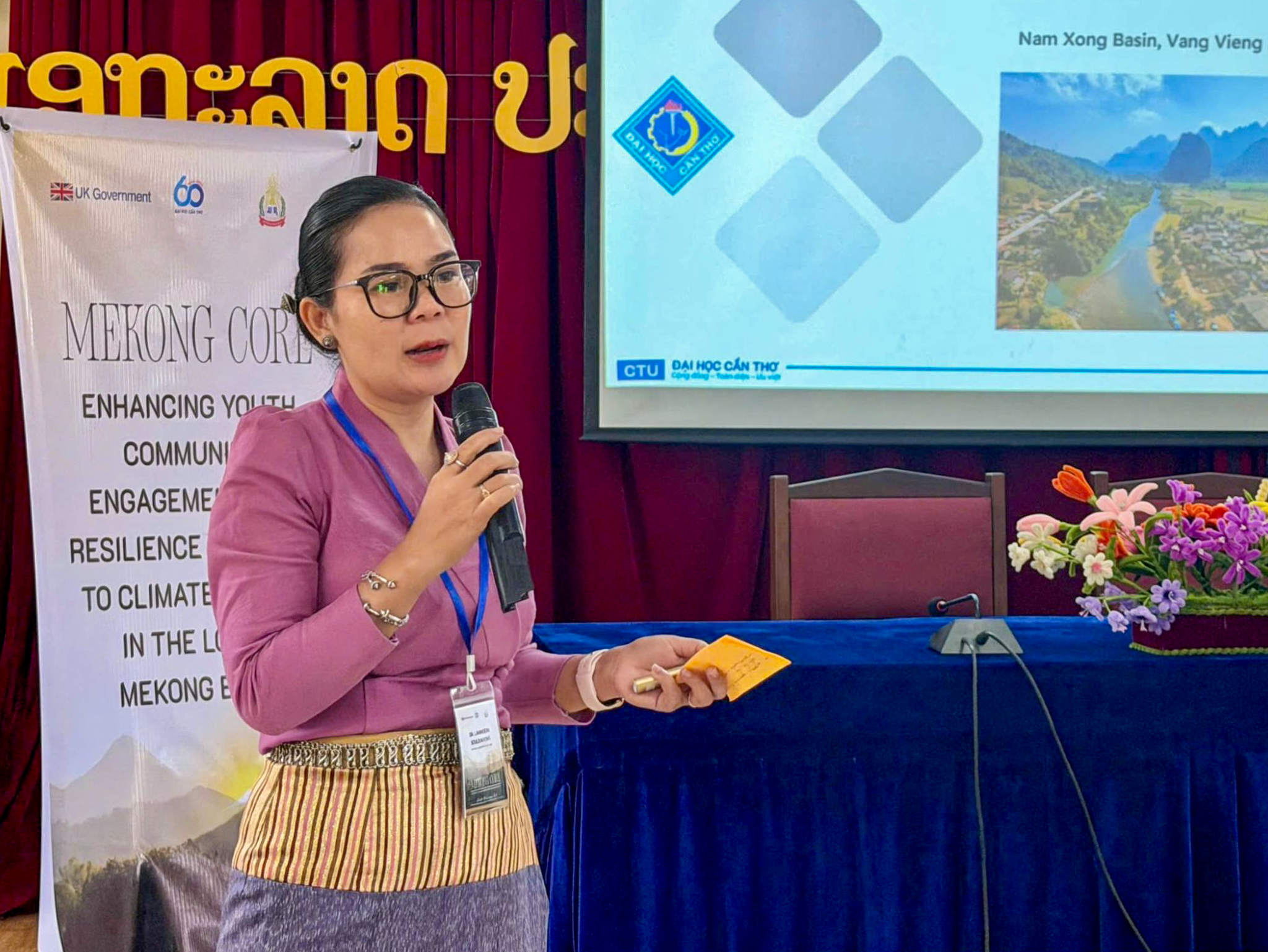 |
Group 3 Group 3 presented a research concept on the application of GIS and remote sensing technologies for monitoring water quality in the Nam Xong Basin in Lao PDR. The project aims to strengthen environmental monitoring systems by integrating spatial data analysis with community-based observations. The group emphasized the importance of collaboration among universities, local authorities, and regional institutions to improve data availability, support policy implementation, and enhance sustainable water resource management. |
|
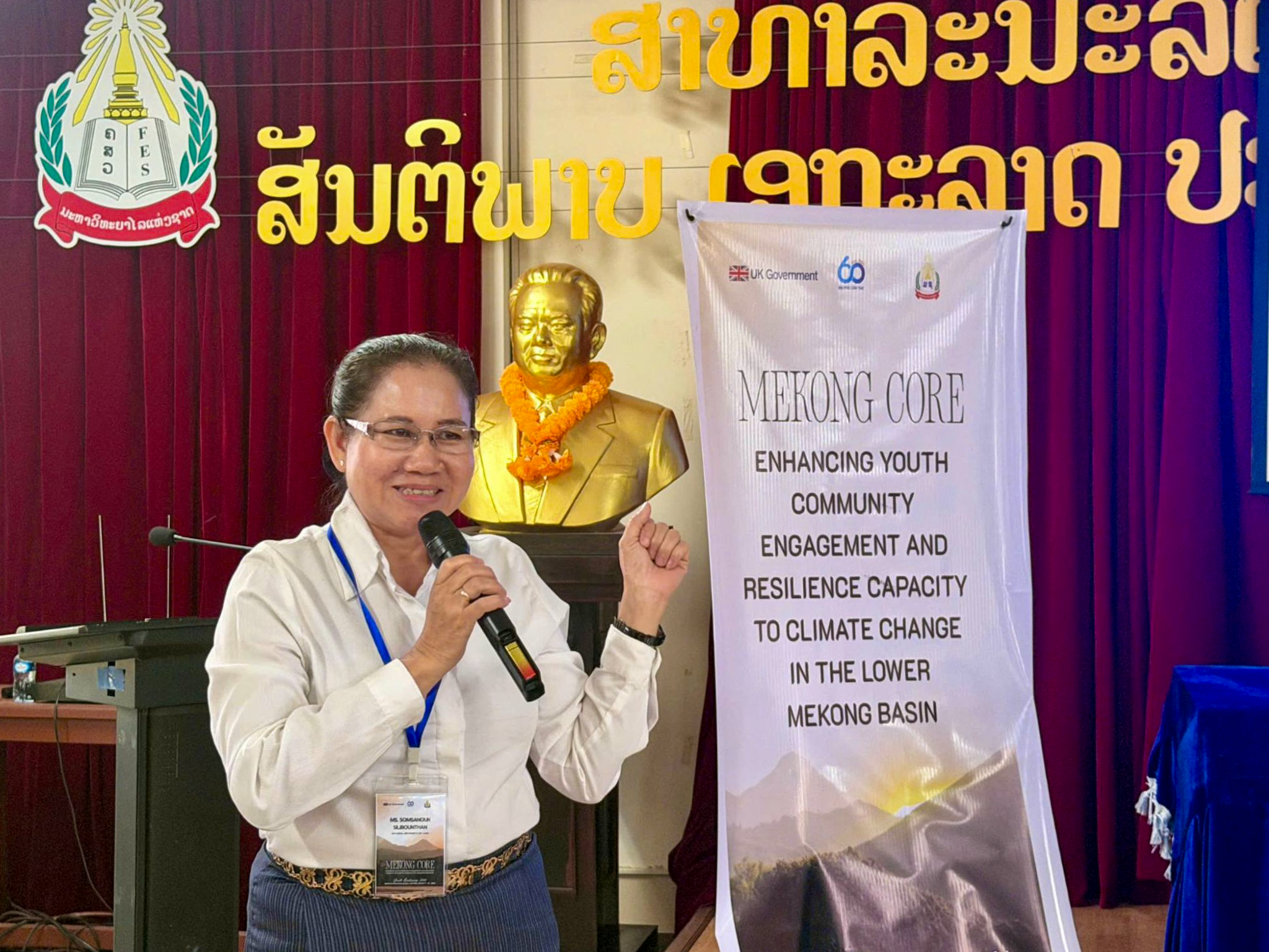
Group 4 Group 4 introduced a technical-oriented initiative focused on developing an integrated digital monitoring system for environmental management in the Mekong Basin. The proposal highlights the use of GIS mapping, remote sensing technologies, and shared data platforms to monitor land-use change, water resources, and ecosystem conditions. By strengthening technical capacity and data-sharing mechanisms among institutions, the project aims to support evidence-based planning and more effective climate adaptation strategies. |
 |
| Overall, the panel reflection demonstrated how participants were able to translate the knowledge gained during the training programme into practical research ideas and collaborative initiatives, highlighting the potential of youth-led innovation and regional cooperation to address sustainability challenges in the Lower Mekong region. | |
Programme Summary
|
The Mekong CoRe Youth Bootcamp 2026, held from 1-6 March 2026 at the National University of Laos in Vientiane, successfully brought together early-career researchers and young professionals from Viet Nam and Lao PDR to strengthen youth engagement and regional cooperation on climate resilience and sustainable development in the Lower Mekong Basin. Throughout the five-day programme, participants engaged in a series of lectures, expert discussions, group work sessions, field visits, and a youth-led mini-conference, focusing on four key thematic areas: transboundary connectivity, sustainable agricultural value chains, digital innovation for sustainability, and carbon credit and climate finance. These sessions provided participants with opportunities to deepen their understanding of regional environmental challenges while exploring innovative and collaborative approaches to sustainable development. The programme also emphasized practical learning and regional exchange, allowing participants to connect theoretical knowledge with real-world applications through field visits and interactive discussions with experts. The youth-led presentations and group reflections further demonstrated how participants were able to translate the knowledge gained during the training into action-oriented research ideas and collaborative initiatives. Overall, the bootcamp strengthened the Mekong CoRe youth network, fostering cross-border collaboration, knowledge exchange, and long-term partnerships among young researchers and institutions in the Mekong region. The programme reaffirmed the importance of empowering youth as key contributors to building a more resilient, sustainable, and cooperative future for the Lower Mekong Basin.
|