During the visit to Japan by the expert team from Can Tho University, the delegation participated in meetings, technical exchanges and cooperation networking activities with Japanese universities, enterprises and government agencies in the fields of bio-based construction materials, energy efficiency, carbon emission reduction and circular economy.
The visit was implemented on the basis of the Memorandum of Understanding between Can Tho University and Kazu Architect Office Co., LTD., which serves as a coordinating partner connecting universities, enterprises and government agencies in Japan. The agenda focused on three main directions: developing bio-based construction materials from agricultural and forestry by-products; applying energy-saving solutions, life cycle assessment and carbon emission reduction approaches in the construction sector; and promoting research collaboration, training, academic exchange, scientific publications and technology transfer among the parties.
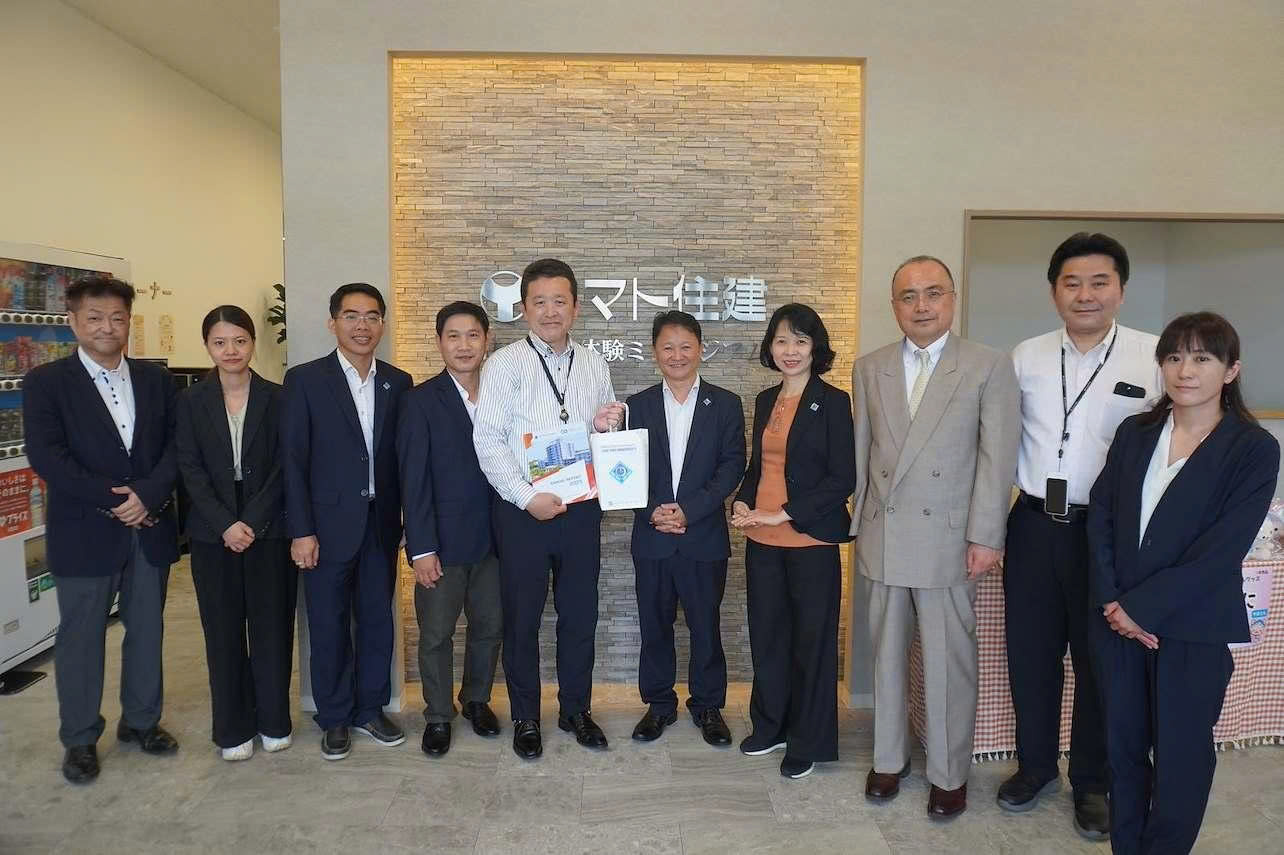
During the visit, the delegation exchanged with Kazu Architect Office Co., LTD. and Yamato Juken Co., Ltd. on energy-efficient housing models, green building materials, natural insulation materials and low-emission construction solutions. The parties discussed the potential use of agricultural and forestry by-products from the Mekong Delta to develop environmentally friendly bio-based material products, thereby contributing to more efficient resource use, energy savings and carbon emission reduction in the construction sector.
The delegation also worked with scientists at Shizuoka University on technologies for producing bio-based construction materials and insulation materials from agricultural and forestry by-products under a circular economy approach. At Shinshu University, the parties exchanged views on life cycle assessment methods, carbon footprint assessment and the development of a research framework suitable for the practical conditions of the Mekong Delta. In addition, the meeting with representatives of Japan’s Ministry of Agriculture, Forestry and Fisheries opened up opportunities to connect Can Tho University’s cooperation initiatives with Japan’s orientations on green growth, carbon neutrality and international cooperation.
Through the visit, Can Tho University continued to affirm its role as an important centre for training, research and knowledge transfer in the Mekong Delta, with strong potential to connect interdisciplinary areas such as bio-based materials, construction, environment, climate change, agriculture, biological resources and sustainable development. The participation of the Mekong Institute and the College of Engineering contributed to strengthening internal academic and technical linkages within Can Tho University, while creating a foundation for research directions and technological applications aligned with the practical needs of the region.
The visit also contributed to expanding Can Tho University’s cooperation network with enterprises, government agencies, and research institutions in Viet Nam and abroad. Through the Government - University - Industry partnership model, the parties aim to promote joint research, postgraduate training, academic exchange, international scientific publications and technology transfer in support of the green transition and sustainable development of the Mekong Delta.
Based on the outcomes of the meetings, the parties agreed to continue implementing the next phase of cooperation. In September 2026, a delegation of Japanese experts, enterprises and universities coordinated by Kazu Architect Office Co., LTD. is expected to visit Can Tho University and conduct field surveys in the Mekong Delta. This activity will focus on assessing agricultural and forestry by-product resources, local practical needs, technology application potential and opportunities for developing pilot models.
The outcomes of the visit provide an important foundation for the Mekong Institute in particular, and Can Tho University as a whole, to further develop research proposals, training programmes and international cooperation projects for the 2026-2030 period. These efforts will contribute to strengthening Viet Nam-Japan cooperation in innovation, green development, carbon emission reduction and circular economy.
|
The delegation held a working session at Kazu Architect Office Co., Ltd.
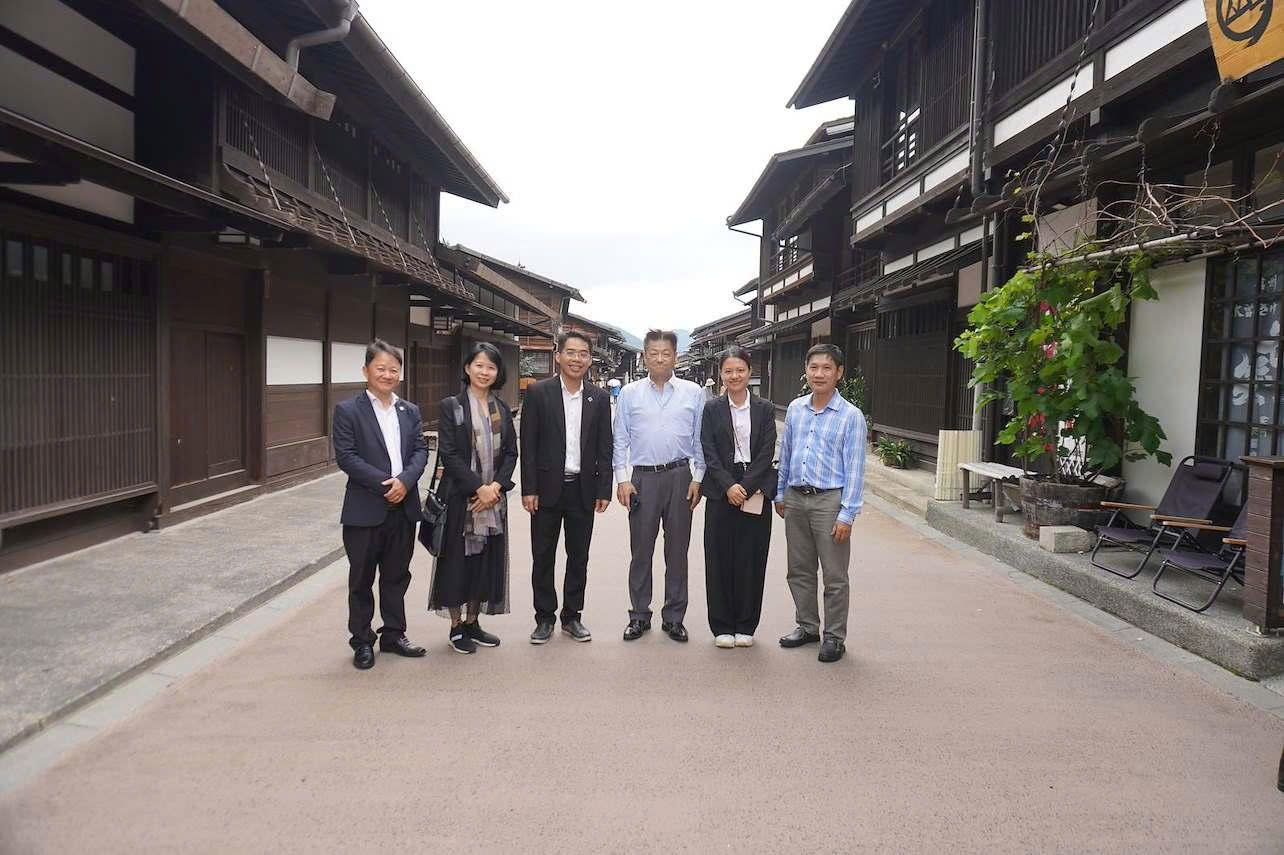
The delegation conducted a field visit.
The delegation held a working session at Yamato Juken Co., Ltd.
|