|
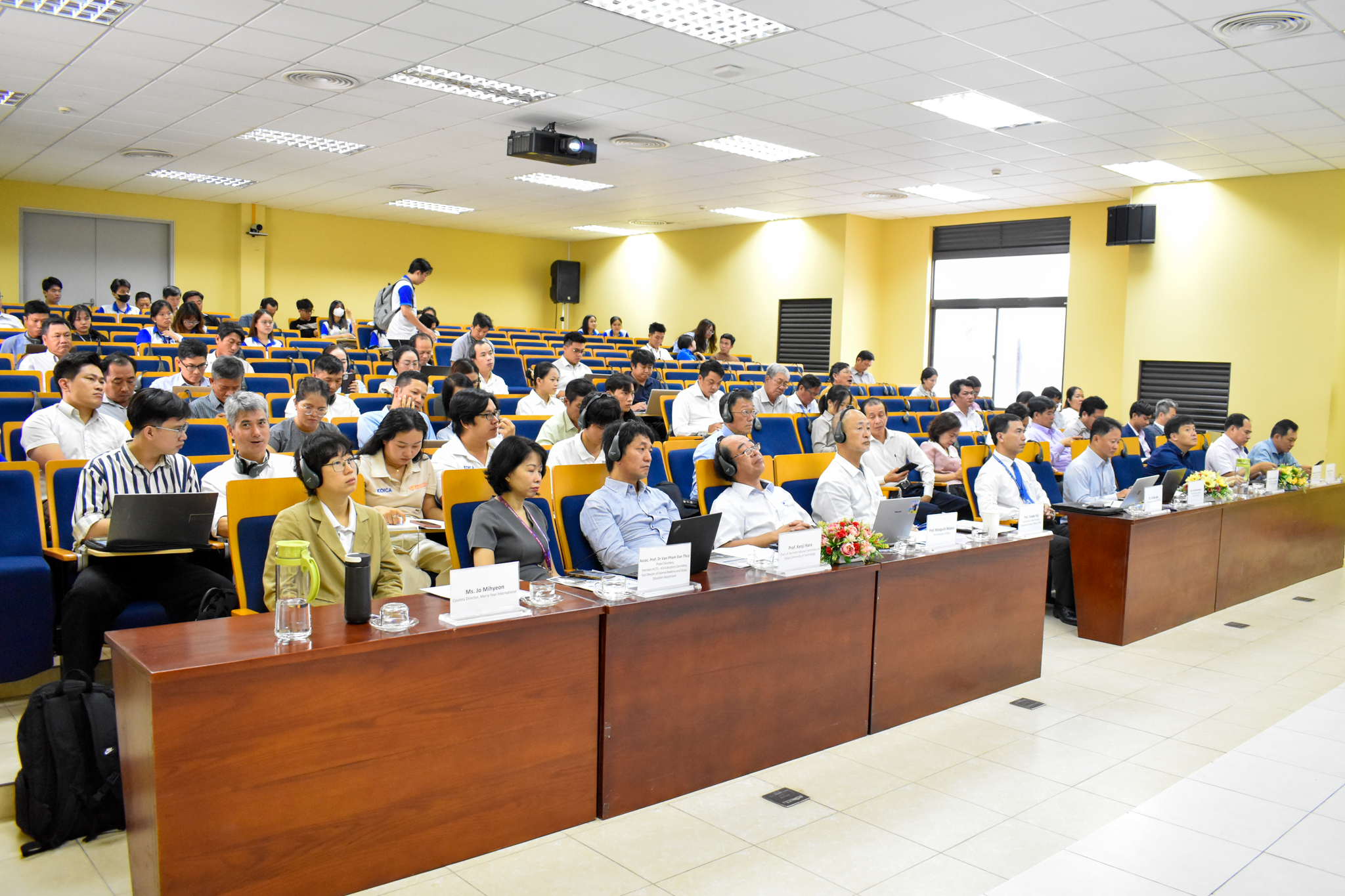
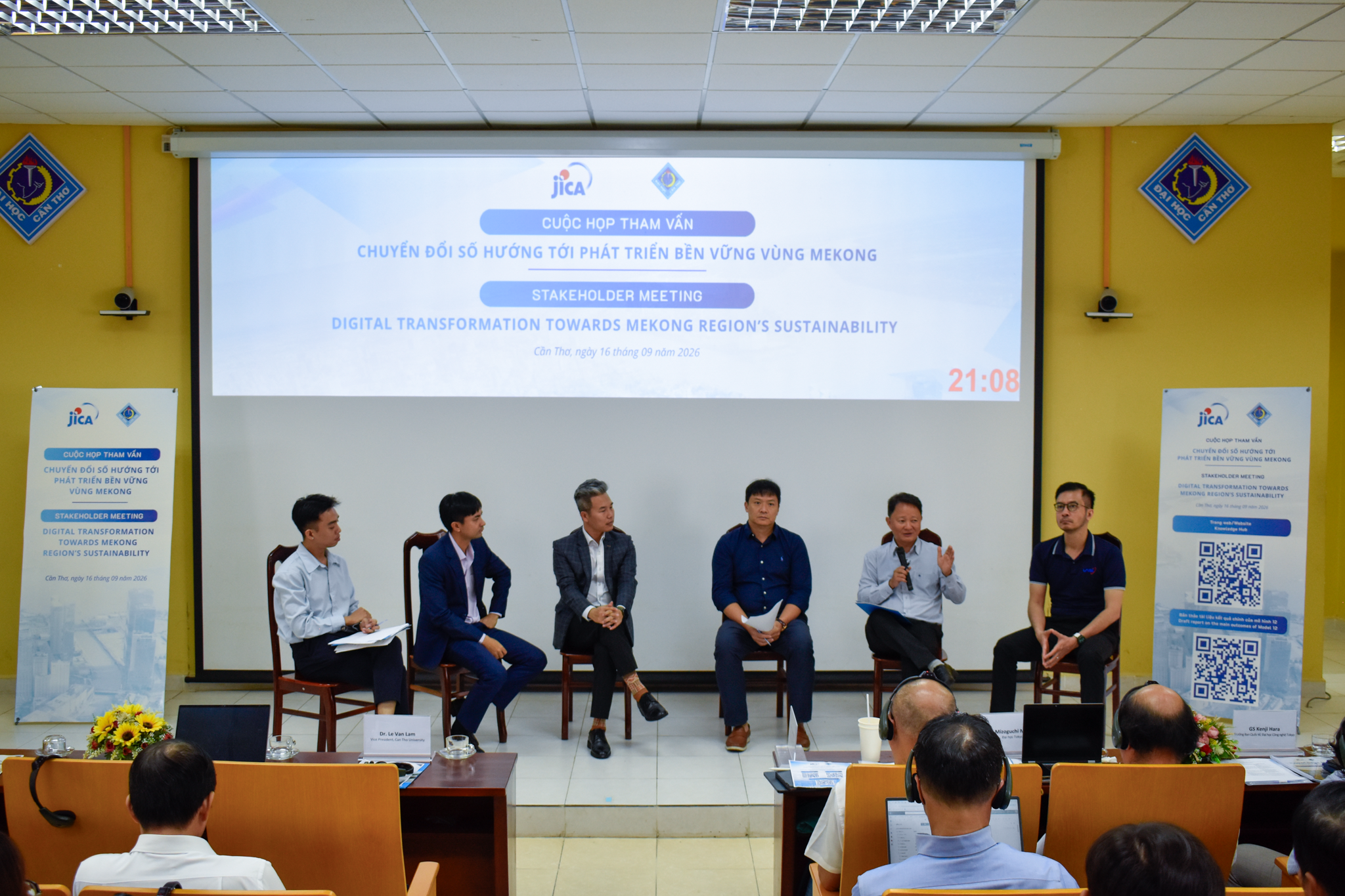
As part of the Technical Cooperation Project “Strengthening Linkages and Scientific Applications for Sustainable Development and Climate Change Adaptation in the Mekong Delta” – Phase 2 (Technical Cooperation – TC2), funded by the Japan International Cooperation Agency (JICA) and implemented by Can Tho University, the Mekong Institute has been implementing Model 12, “Establishing a Knowledge Hub for Data Utilization and Sustainable Production Support in the Mekong Delta” (Knowledge Hub). The Mekong Institute organized a consultation meeting to introduce the achievements of the Knowledge Hub, while facilitating dialogue and connections among stakeholders on digital transformation, data and knowledge sharing, and directions for the application and further development of the Knowledge Hub to support sustainable development in the Mekong Delta. The meeting was attended by representatives of the leadership of Can Tho University; the Japan International Cooperation Agency (JICA); the Ministry of Science and Technology; the Ministry of Agriculture and Environment; and local authorities across the Mekong Delta; representatives of Departments of Science and Technology and Departments of Agriculture and Environment from provinces and cities across the region; research institutes and universities; businesses; cooperative alliances; non-governmental organizations (NGOs); and community representatives.
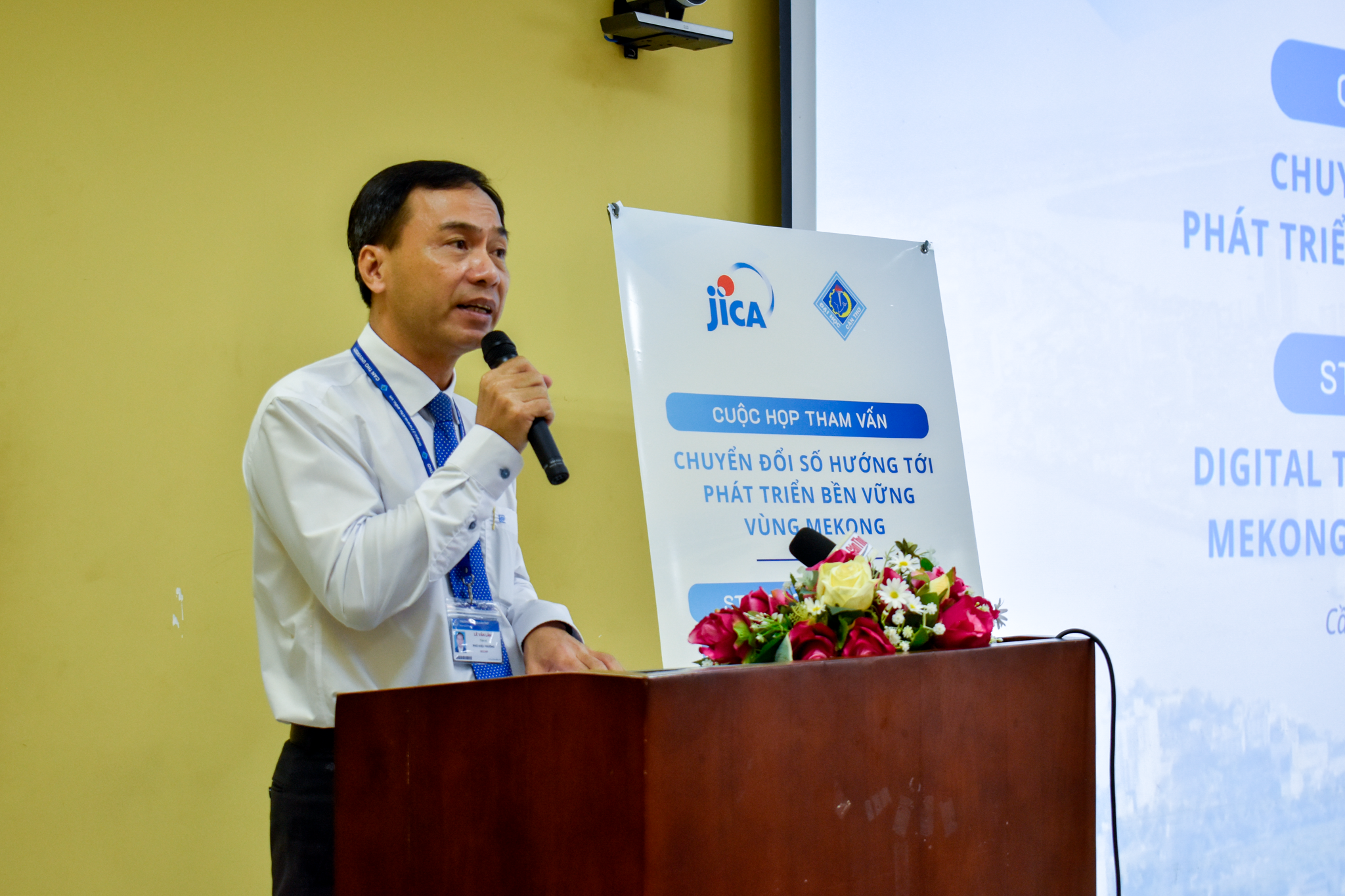
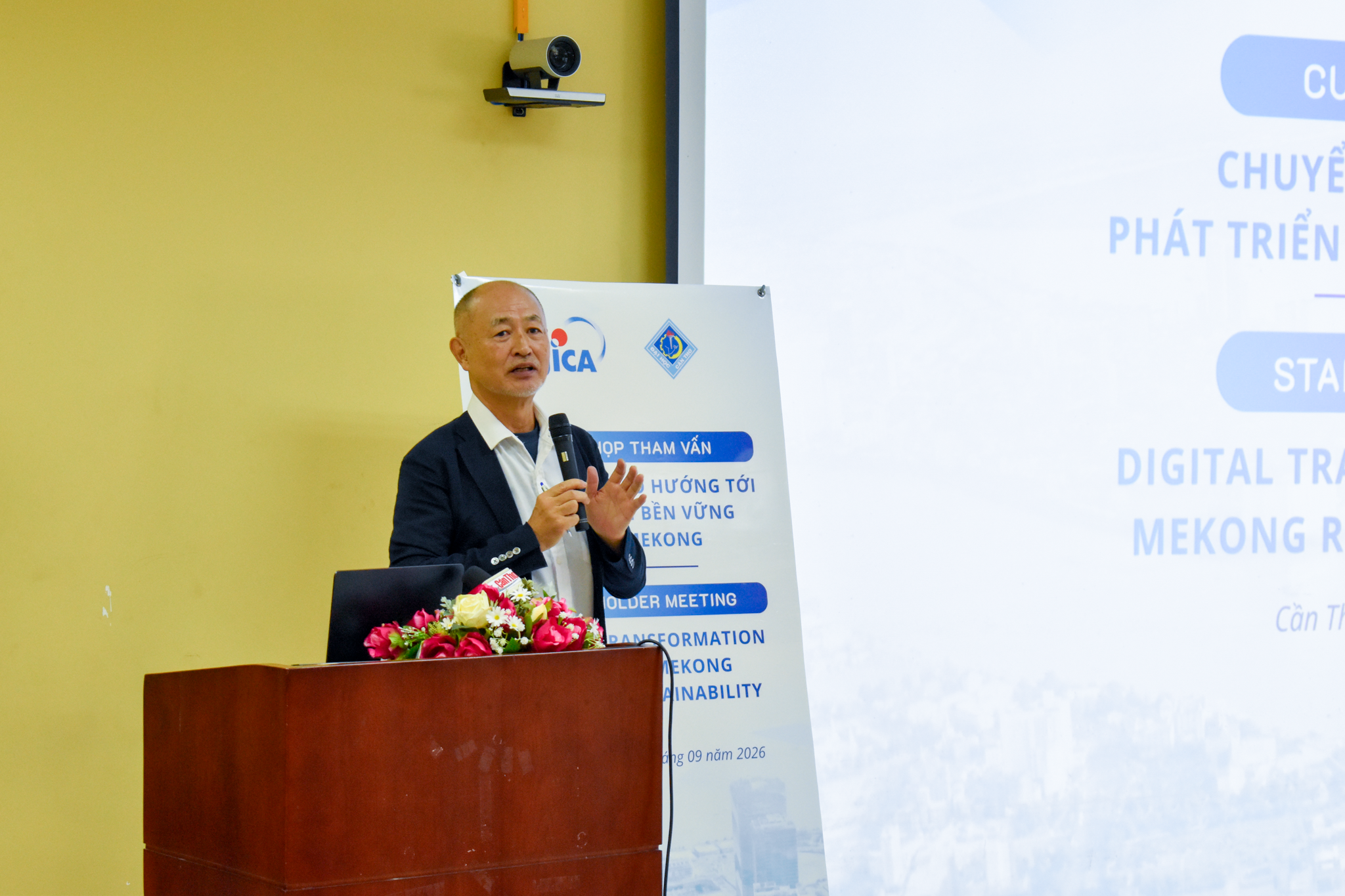
Overview of the consultation meeting In their opening remarks, Dr. Le Van Lam, representing the Board of Directors of Can Tho University, and Mr. Tanaka Yuji, Chief Advisor of the Technical Cooperation Project – Phase 2 (TC2), emphasized that digital transformation in the Mekong region is not simply about digitization or the adoption of new technologies. Rather, it requires mechanisms for connectivity and data sharing, as well as meaningful participation from relevant stakeholders. Dr. Le Van Lam highlighted three key roles of Can Tho University in this process: providing scientific foundations and digital human resources; connecting research with policy and practice; and ensuring the quality and reliability of data for evidence-based decision-making. He also reaffirmed Can Tho University’s commitment to maintaining, updating, and expanding the Knowledge Hub after the completion of Model 12, with a view to applying emerging technologies such as the Internet of Things (IoT), artificial intelligence (AI), and Digital Twin technologies in the next phase.
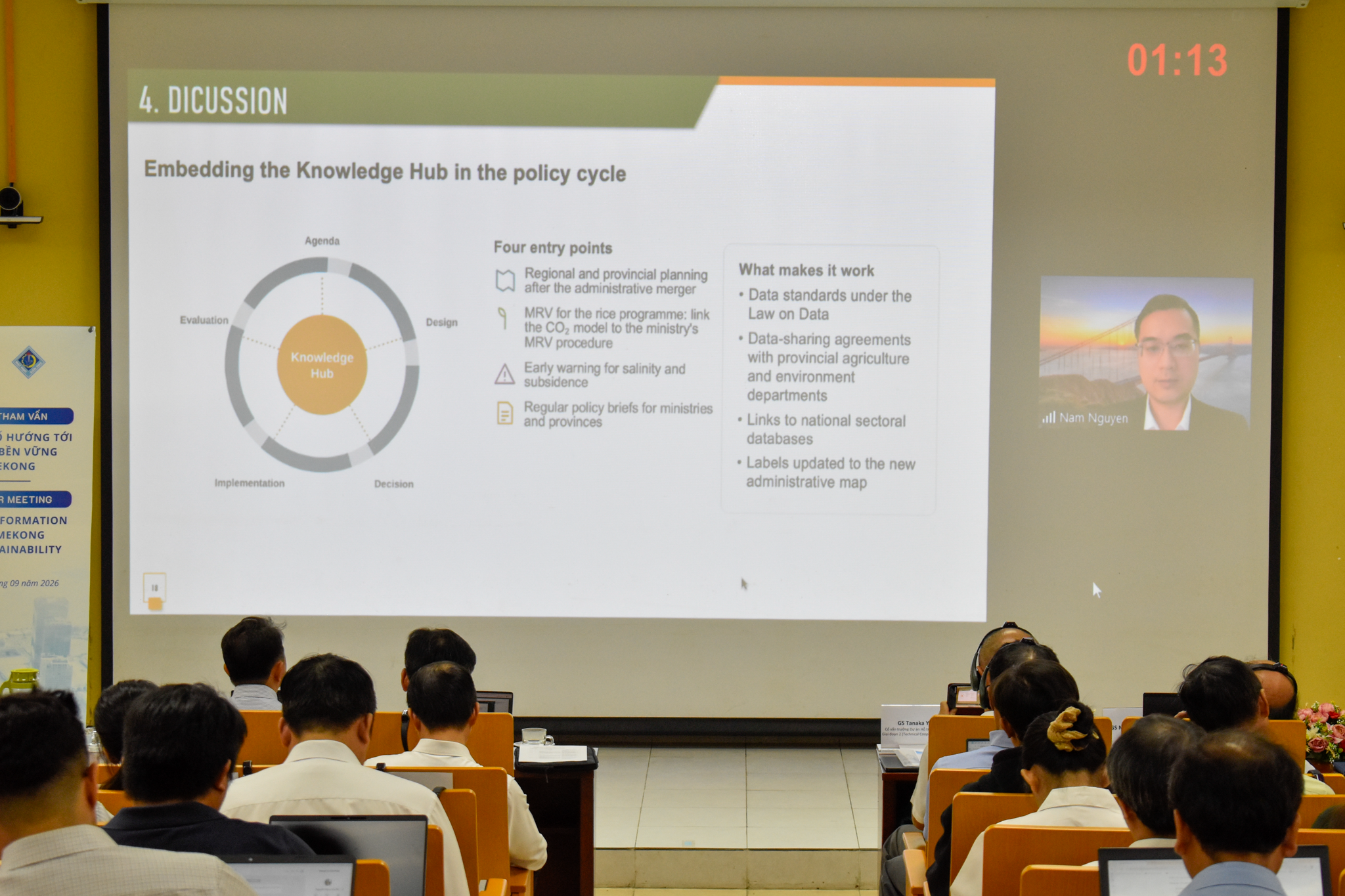
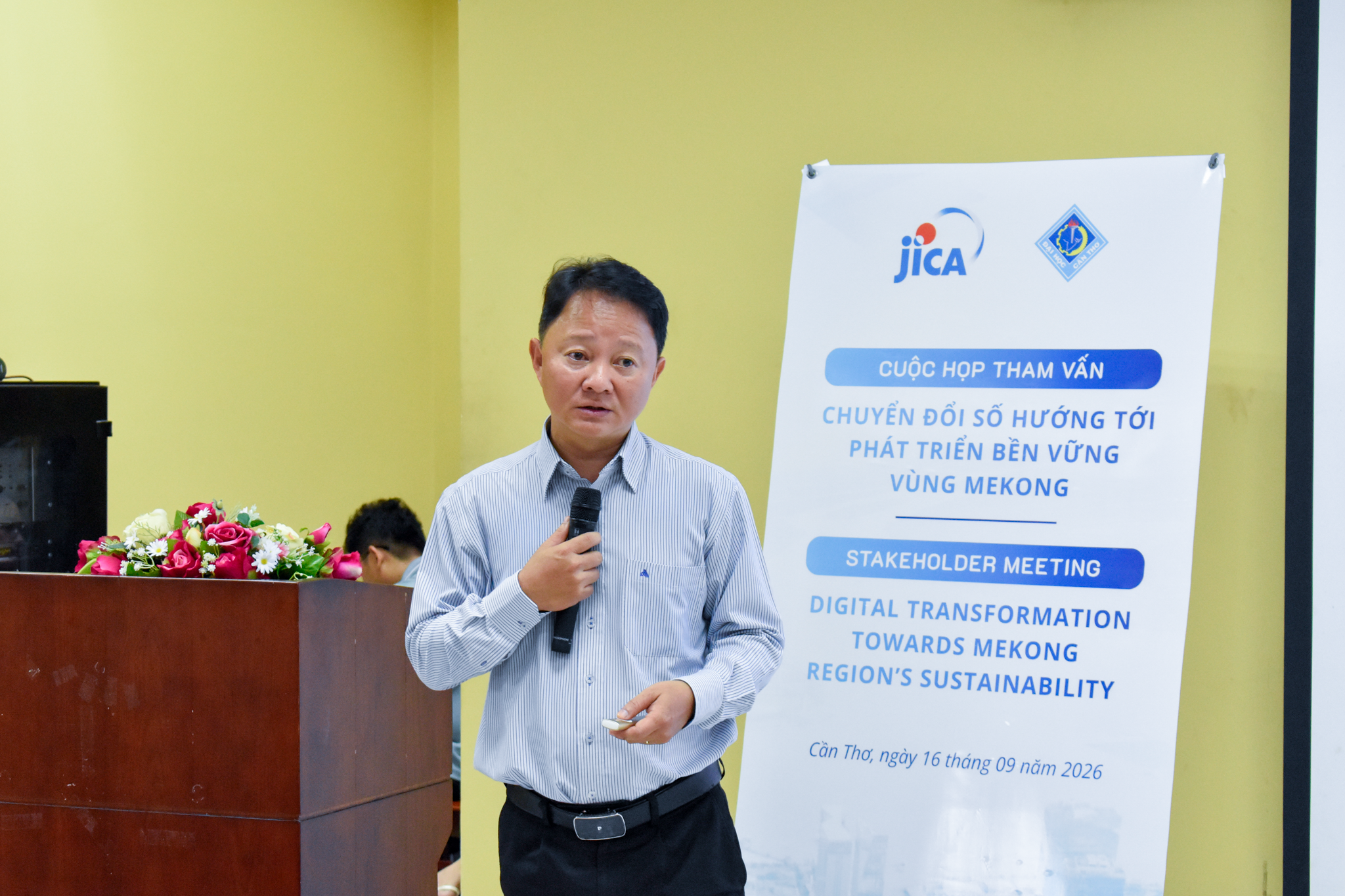
Dr. Le Van Lam, representing the Board of Directors of Can Tho University, and Mr. Tanaka Yuji, Chief Advisor of the Technical Cooperation Project – Phase 2 (TC2), delivering the opening remarks Following the opening session, Dr. Nguyen Hoang Nam, Policy Advisor at the Ministry of Agriculture and Environment and Director of the Environmental Technology and Sustainable Development Program at the National Economics University, presented the thematic session “The Digital Era in the Mekong Region: Opportunities, Challenges, and International Experiences.” The presentation examined the Mekong Delta in the context of the parallel processes of digital transformation and green transformation under Viet Nam’s Socio-Economic Development Strategy for 2021–2030. It emphasized that the Mekong Delta is a strategically important region and a “living laboratory” for this dual transition, while also facing challenges including fragmented data, the digital divide between farming households and cooperatives and larger enterprises, and increasingly stringent traceability requirements in export markets. Dr. Nguyen Hoang Nam highlighted opportunities arising from the new legal framework for digital transformation and international experiences, including low-carbon rice production models that help reduce emissions while sharing benefits with farmers, as well as shared data platforms developed in Japan, Australia, the Netherlands, India, and Estonia. He emphasized that the Knowledge Hub should be viewed as a “shared data infrastructure” within the Data–Knowledge–Decision value chain, rather than as a fully completed product.
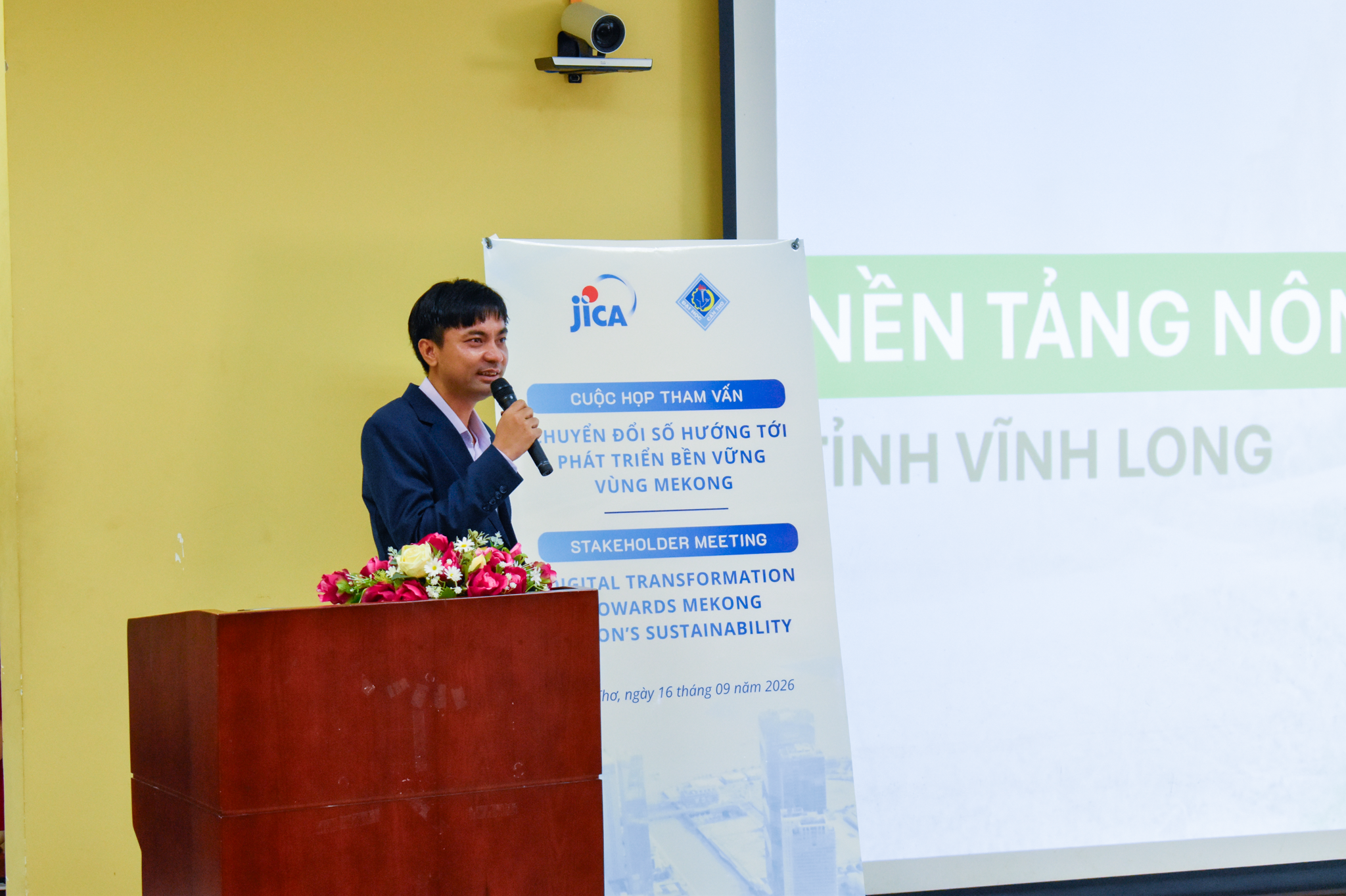
Dr. Nguyen Hoang Nam, Policy Advisor at the Ministry of Agriculture and Environment, delivering the thematic presentation Next, Assoc. Prof. Dr. Van Pham Dang Tri, Director of the Mekong Institute, presented the report “Open Data and Digital Transformation for Sustainable Development in the Mekong Delta: From the Knowledge Hub Model to a Regional Data Connectivity Strategy.” The report highlighted that the Mekong Delta is facing dual pressures from climate change and the urgent need for digital transformation, while data remain fragmented, analytical and predictive tools are limited, and management decision-making has not yet made extensive use of digital evidence. Against this backdrop, he proposed a shared regional data-sharing mechanism based on the principle of controlled open data and operated through a neutral platform led by universities. The report also introduced specific achievements of Model 12 and the Knowledge Hub platform (www.knowledgehub.ctu.edu.vn), including an integrated multidisciplinary data system; spatial analysis and AI-powered intelligent forecasting tools; a bilingual information portal; and a network of users and partners established through consultation and training activities. Based on these results, Assoc. Prof. Dr. Van Pham Dang Tri proposed institutionalizing a regional data-sharing mechanism and gradually expanding connectivity from the Mekong Delta to the wider Mekong River Basin.
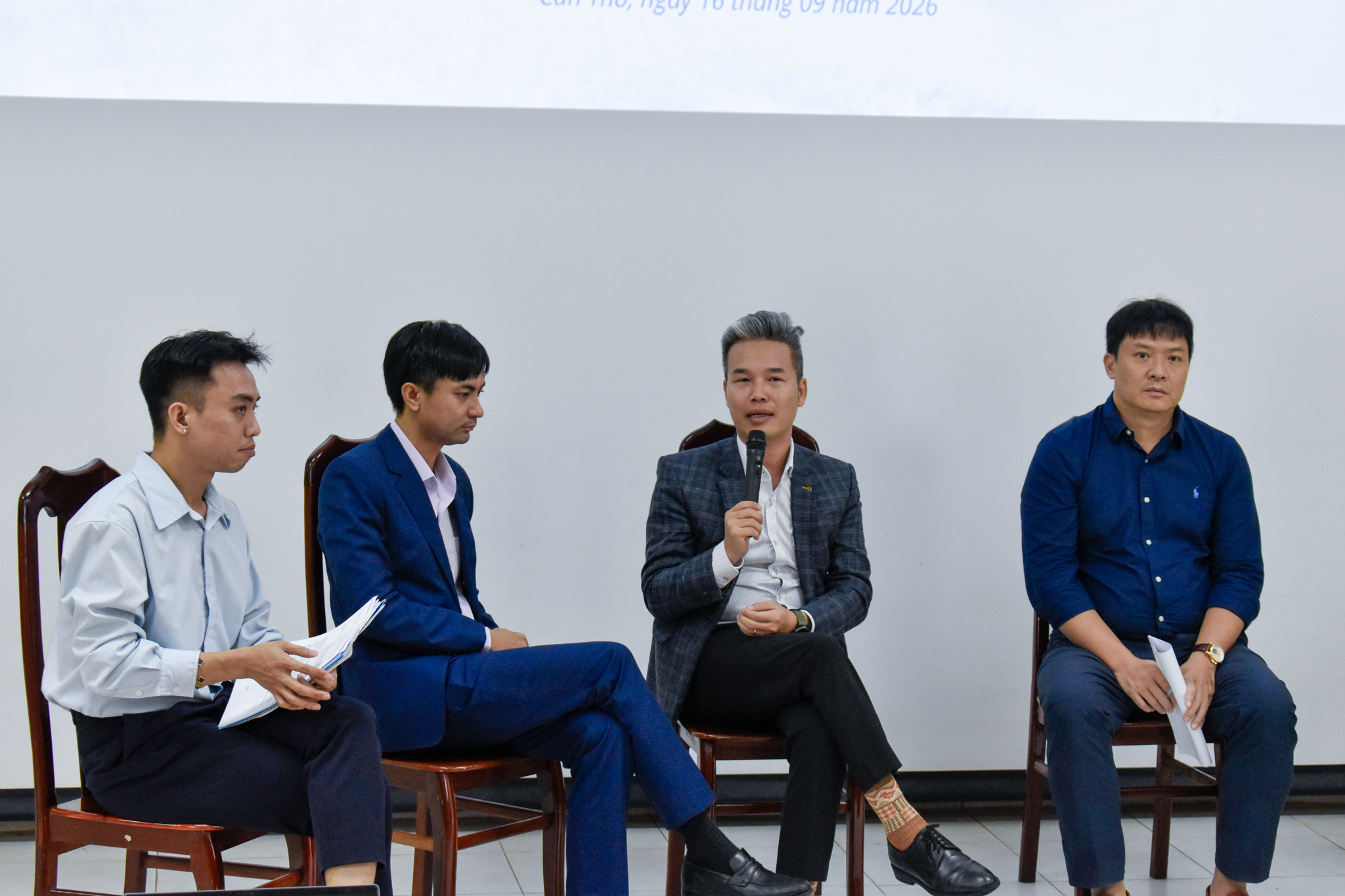
Assoc. Prof. Dr. Van Pham Dang Tri, Director of the Mekong Institute, Can Tho University, delivering the thematic presentation Following the thematic presentations, the meeting continued with a series of case studies on advancing the digital economy in the Mekong region, focusing on infrastructure connectivity, data sharing, and digital human resource development. Three speakers from the technology business sector shared their experiences and solutions. Mr. Nguyen Thanh Diem, Director of the Southwest Regional Business Division at FPT IS, introduced a provincial-level digital agriculture platform model. The platform features an integrated architecture incorporating digital maps of production areas, traceability systems, supply chain management, blockchain applications, quality management, and AI-powered production forecasting. The platform is designed to connect and interoperate with national databases and systems, including VNeID, tax systems, and administrative management and operating systems, thereby creating a shared data repository to support management and administration from the provincial to commune levels.
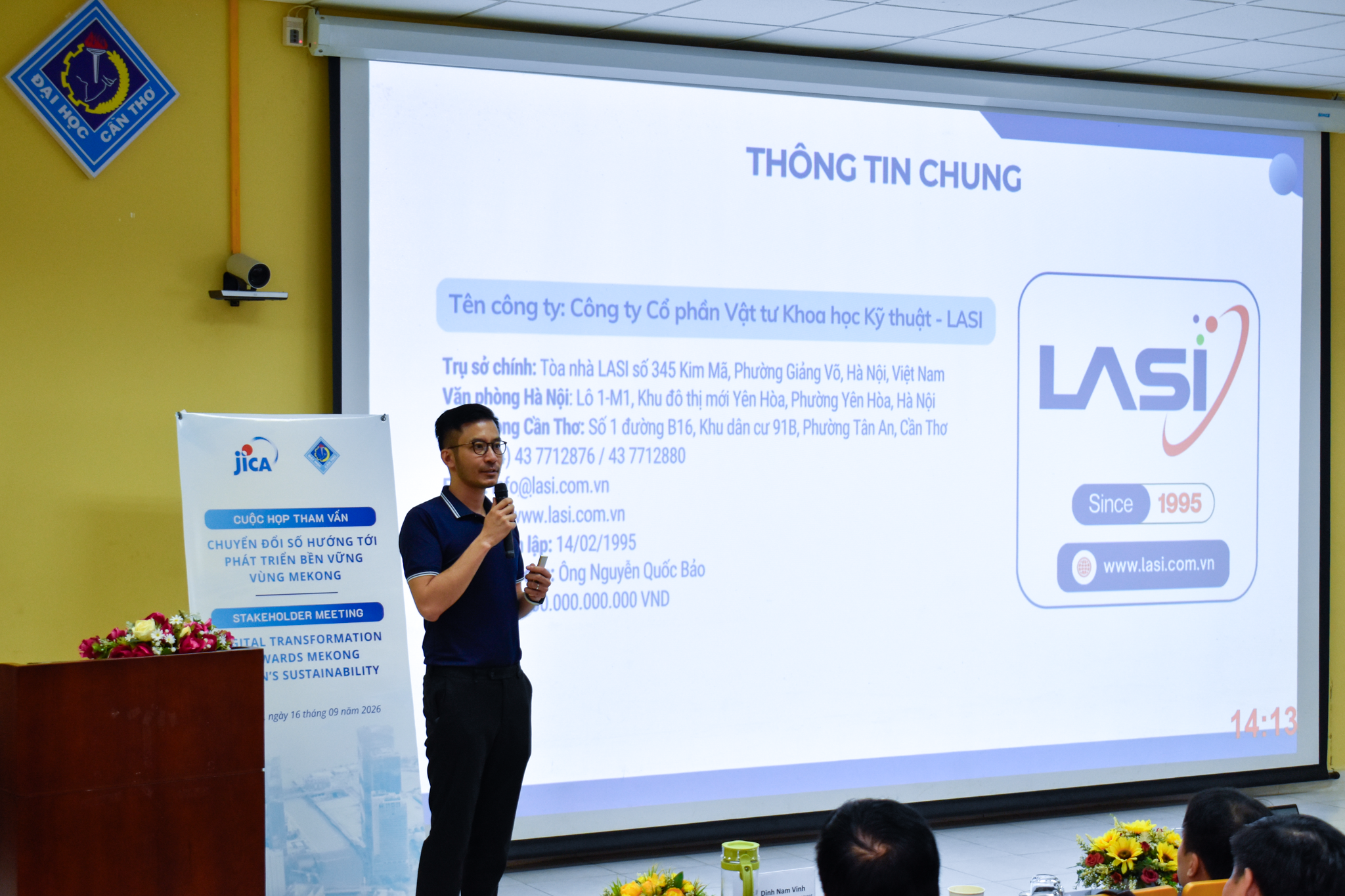
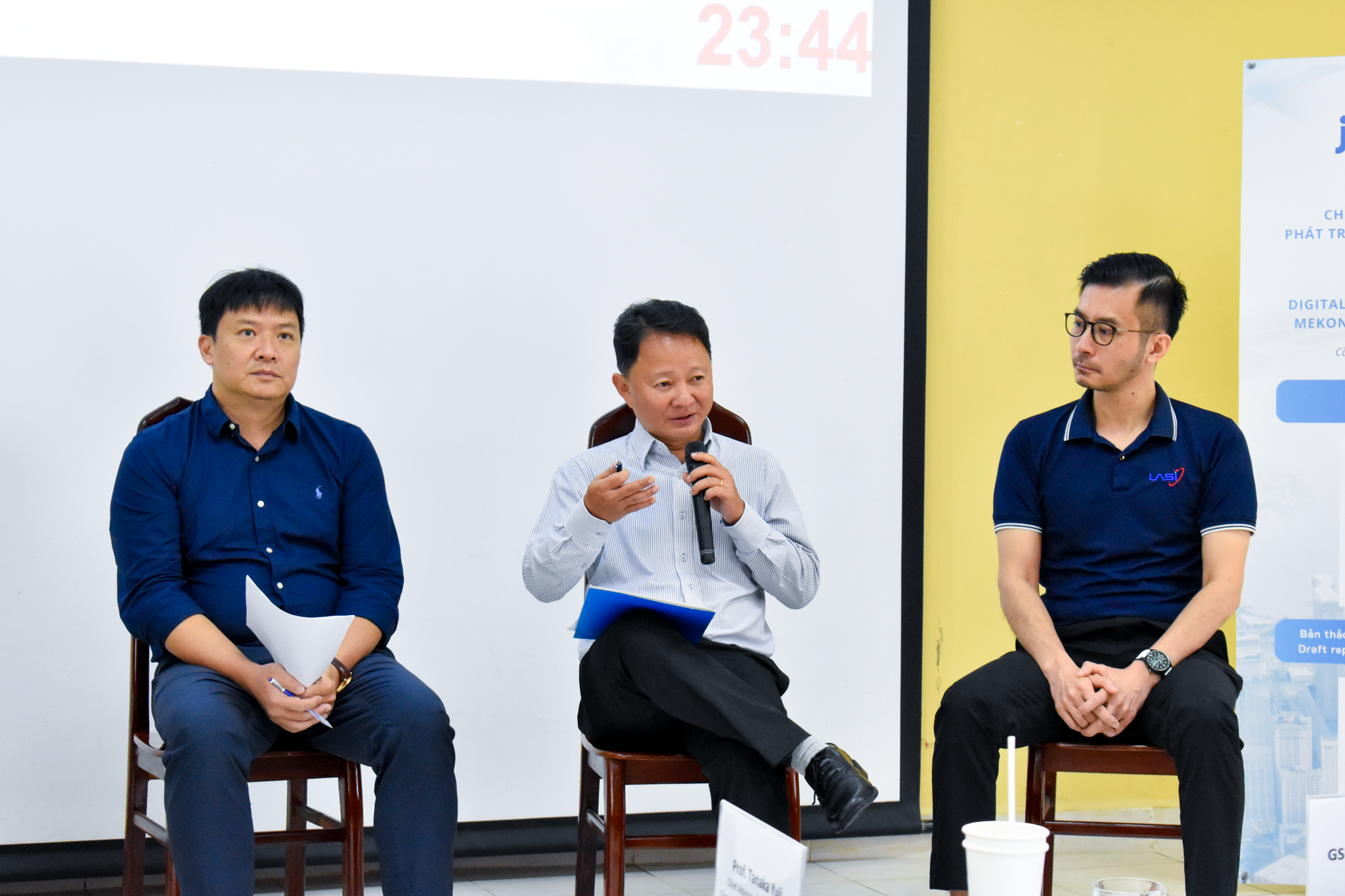
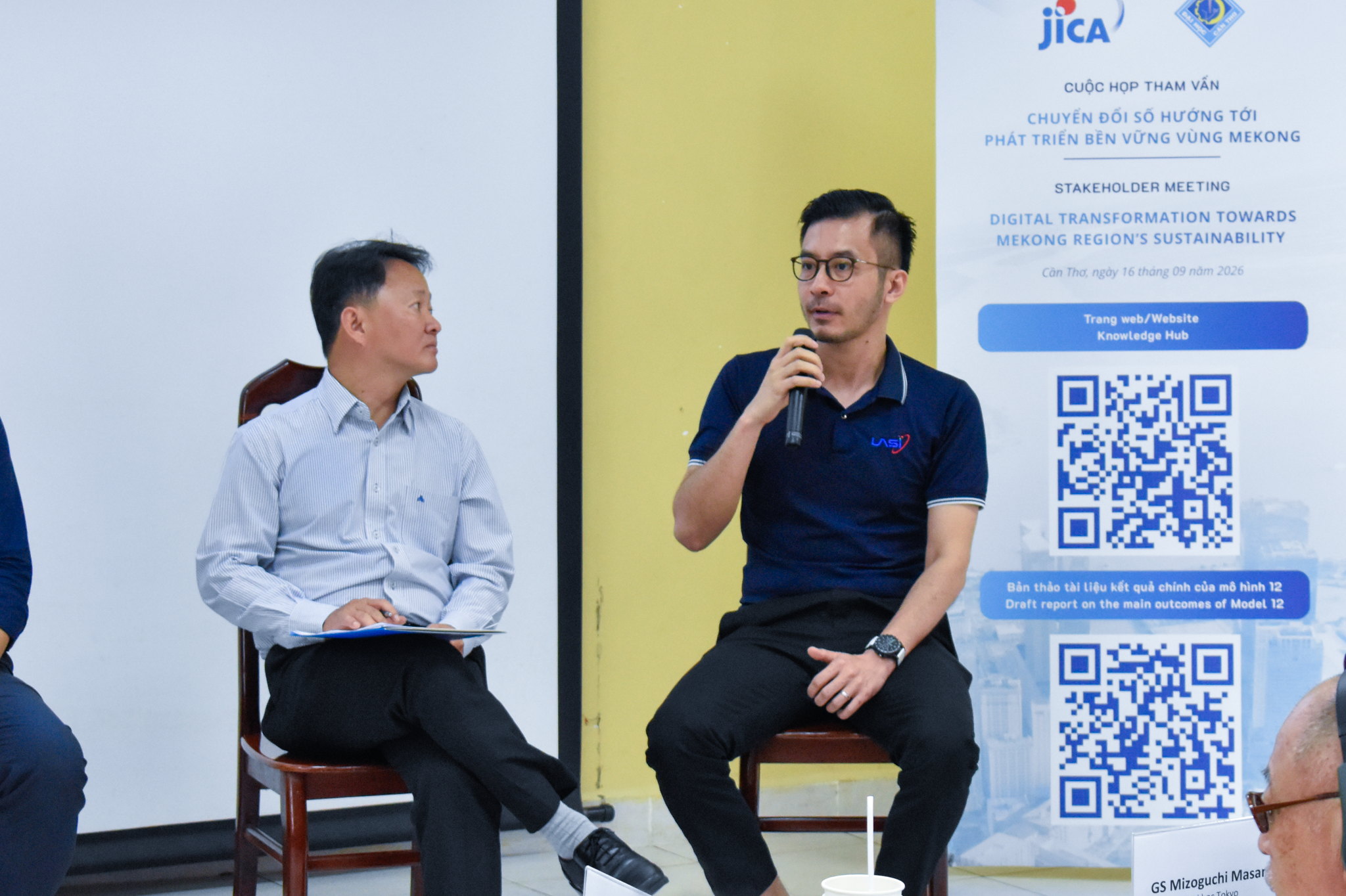
Mr. Nguyen Thanh Diem, Director of the Southwest Regional Business Division, FPT IS, delivering the thematic presentation Mr. Nguyen Quoc Bao, General Director of LASI Scientific and Technical Equipment Joint Stock Company, presented two technological solutions for agriculture and forest protection. The first solution is a real-time IoT water-level monitoring system designed to support low-emission rice cultivation using Alternate Wetting and Drying (AWD) irrigation techniques. The system has been piloted across multiple cropping seasons at cooperatives in Can Tho to develop a data platform supporting Measurement, Reporting and Verification (MRV). The second solution applies artificial intelligence to forest fire risk forecasting, early warning, and fire management. It combines thermal imaging cameras, meteorological sensors, and real-time modeling of fire spread to support early detection and response.
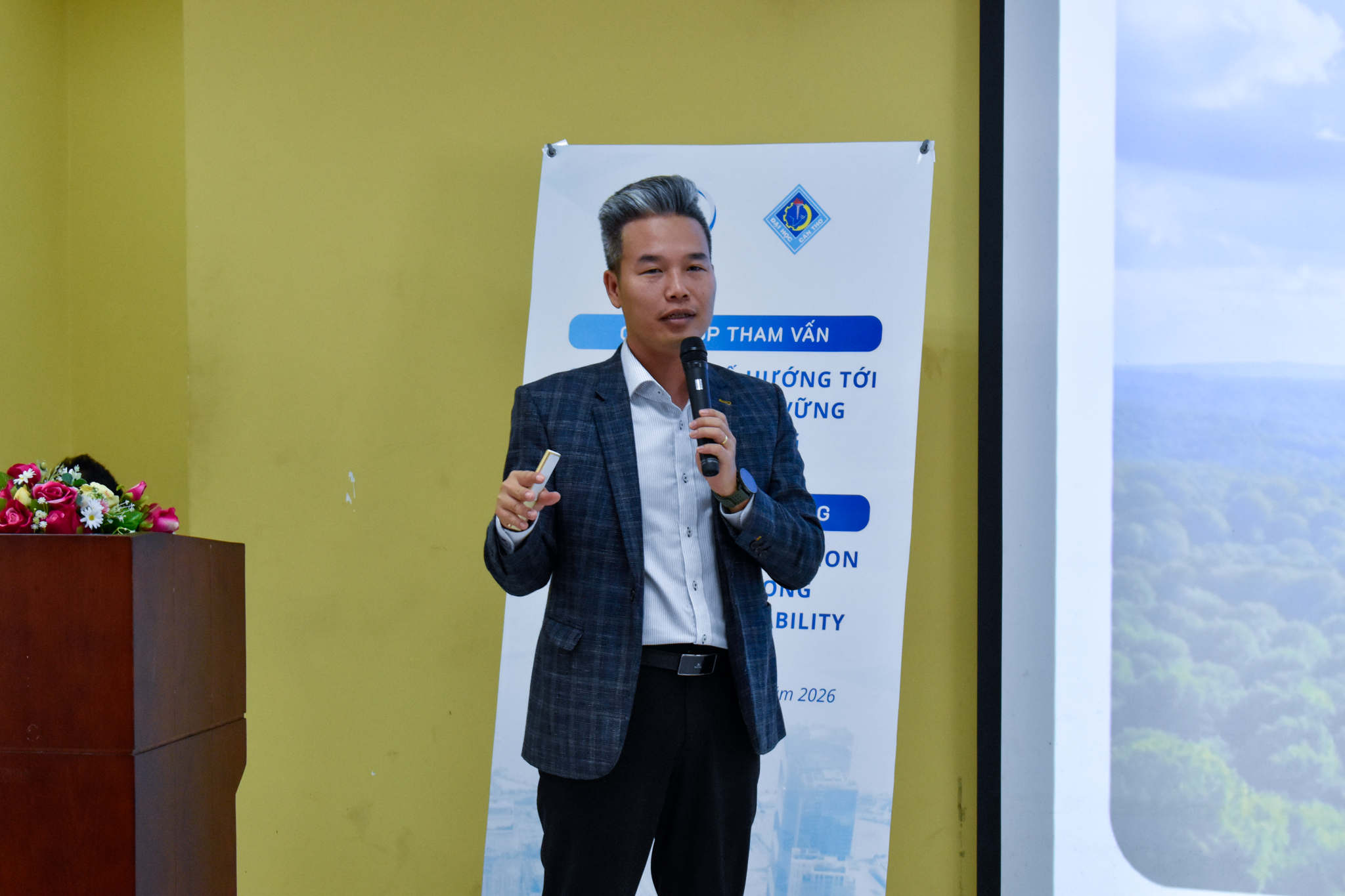
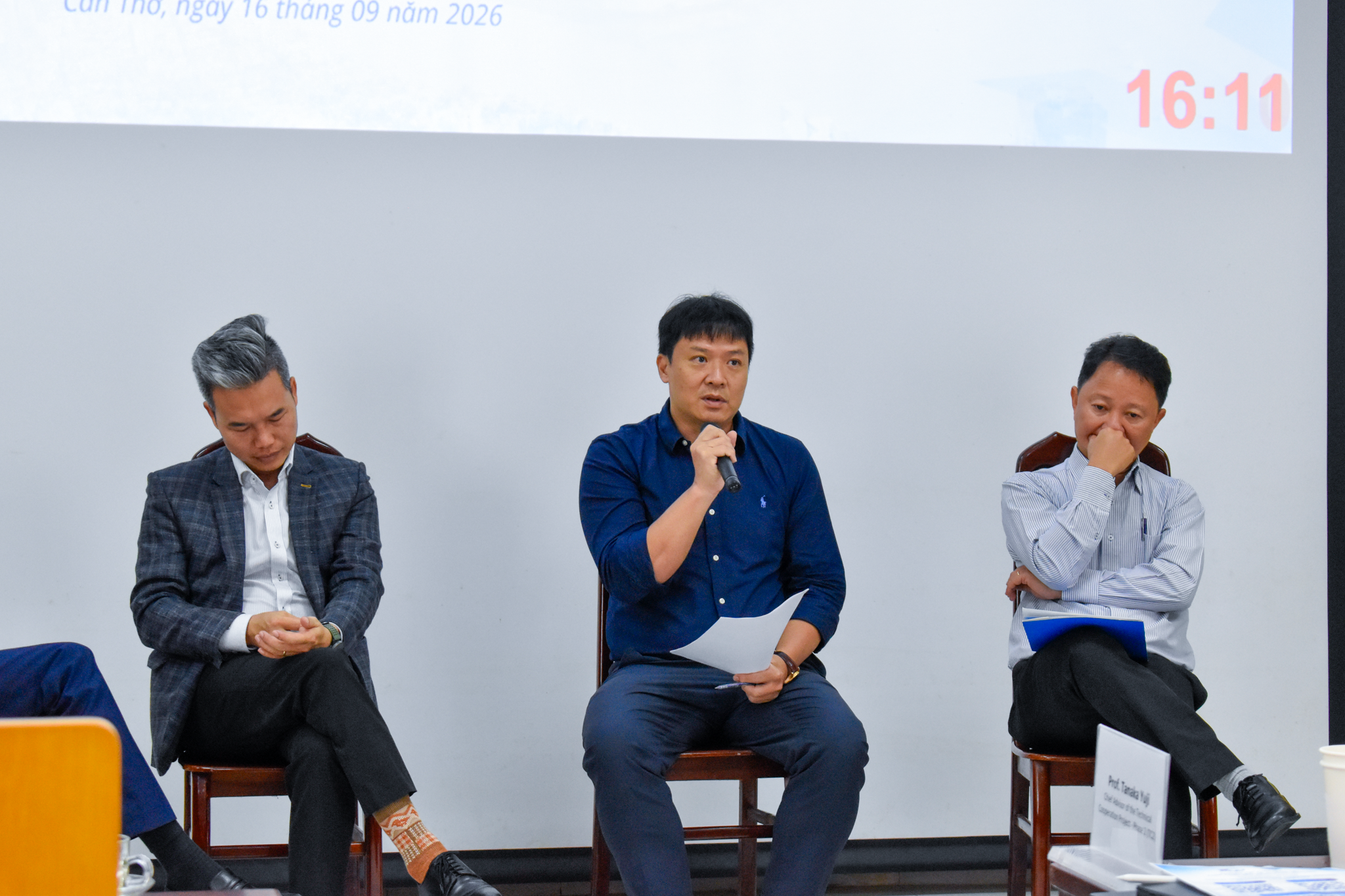
Mr. Nguyen Quoc Bao, General Director of LASI Scientific and Technical Equipment Joint Stock Company, delivering the thematic presentation Mr. Nguyen Quoc Dung, Deputy General Director of CCTPA, CTGroup, shared perspectives on transforming environmental data into practical impact. He emphasized that the current challenge is not only a lack of data, but also the limited capacity to transform data into concrete action. He introduced a data value chain comprising data collection, connectivity, analysis, prioritization, project development, financial mobilization, implementation, and impact measurement. He illustrated this approach through a carbon credit project portfolio development model in Ca Mau Province, where ecological potential is transformed into projects capable of attracting international climate finance.
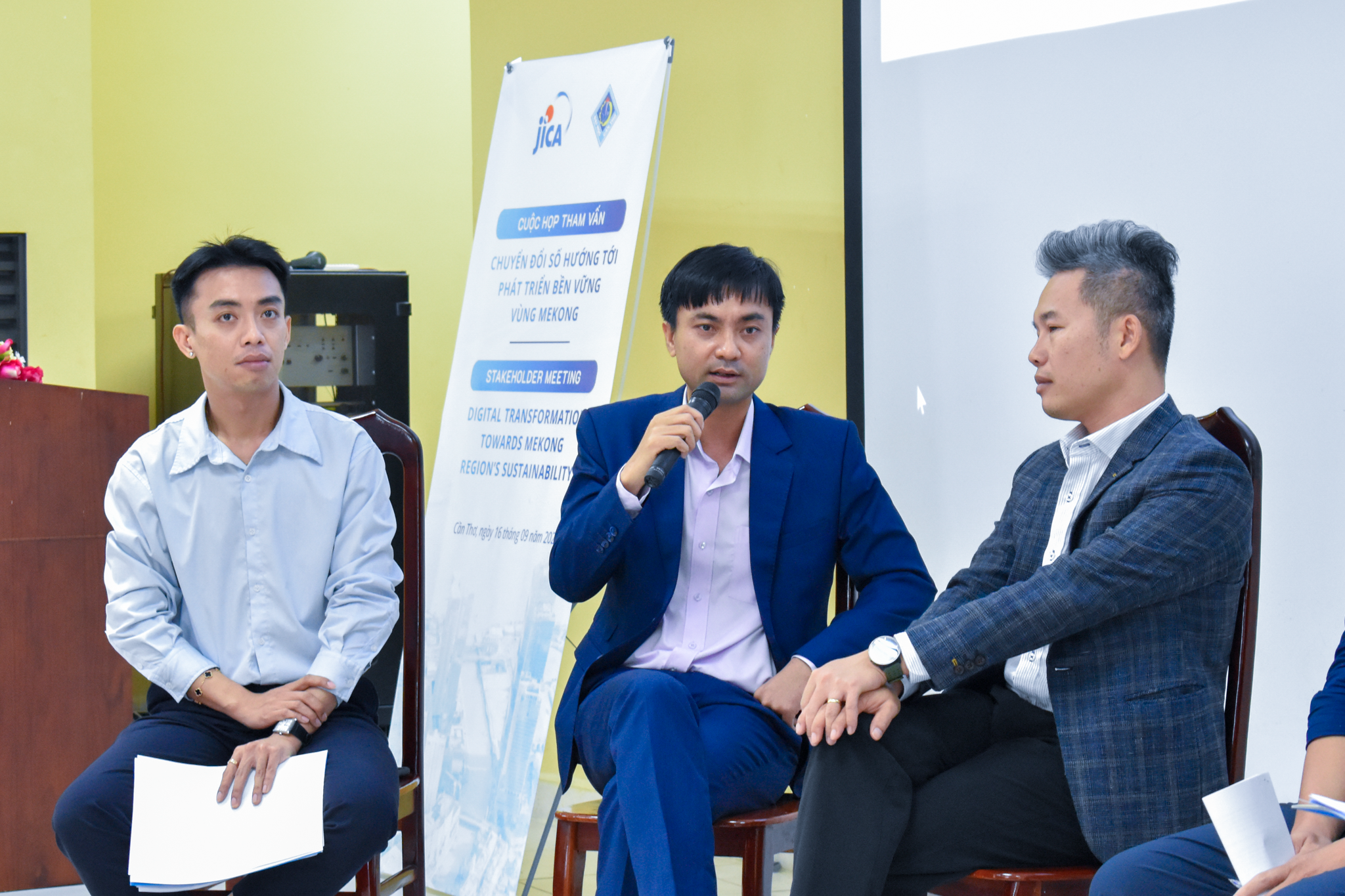
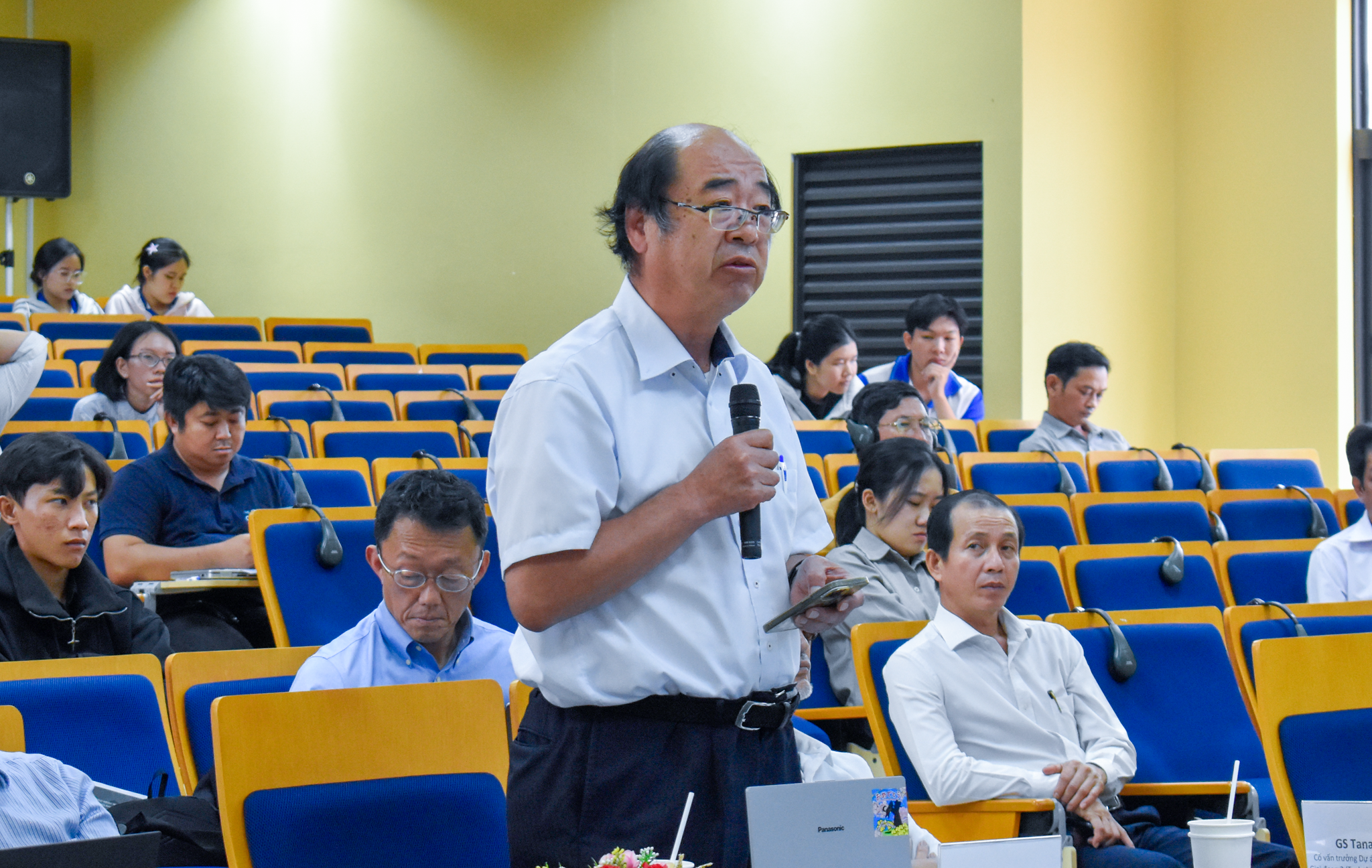
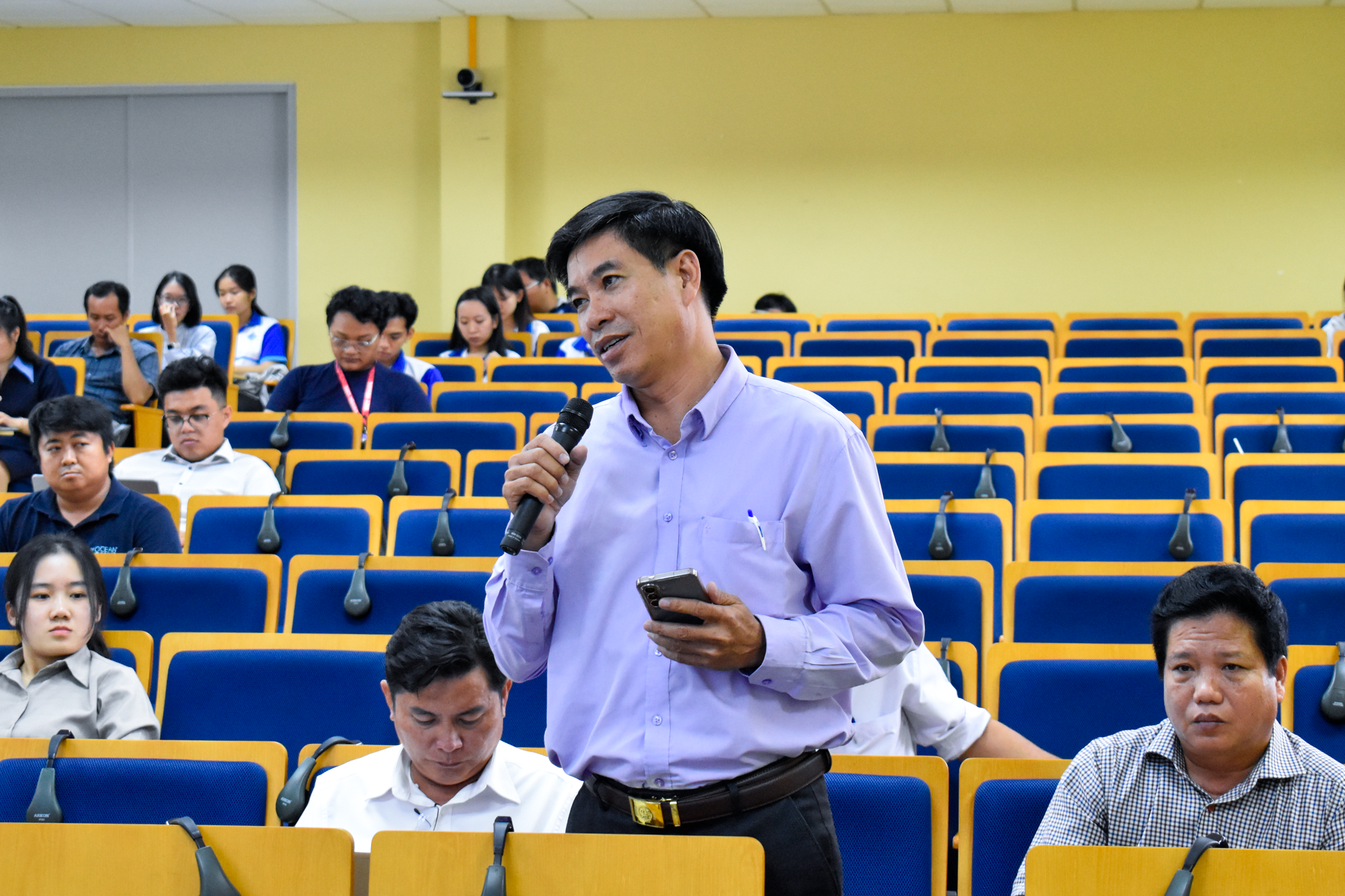
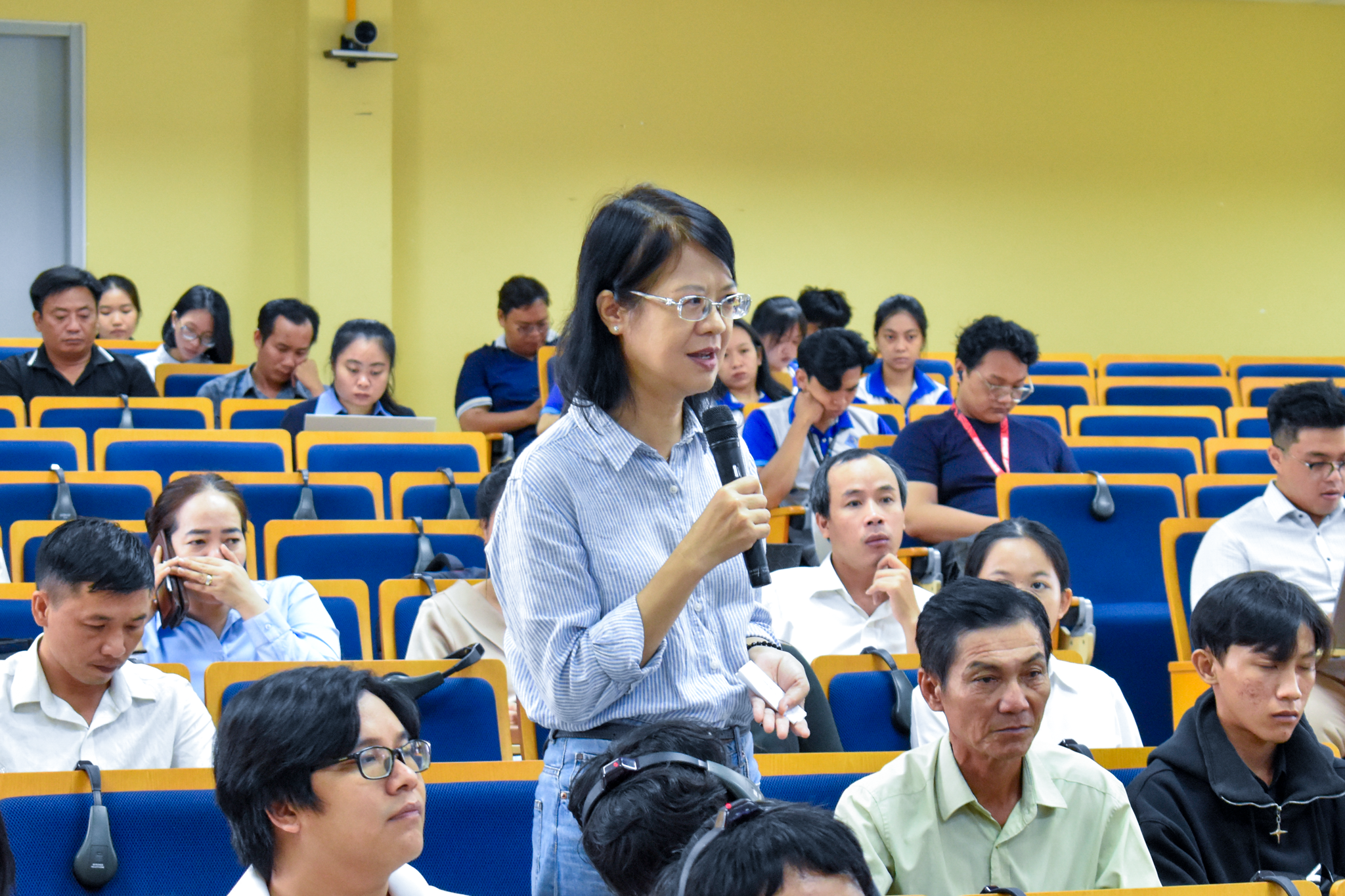
Mr. Nguyen Quoc Dung, Deputy General Director of CCTPA, CTGroup, delivering the thematic presentation All participants joined a roundtable discussion focusing on two key areas: directions and priority actions to address transboundary challenges in the Mekong Delta, and stakeholder engagement in digital transformation toward sustainable development. Discussions emphasized the need for clearer mechanisms for data connectivity and sharing among government agencies, organizations, and sectors, while also strengthening the capacity of local stakeholders to access, manage, and utilize data effectively.
Delegates participating in the roundtable discussion 🌏 The consultation meeting concluded with agreement on four key outcomes: connecting four stakeholder groups—government agencies, academia, the private sector, and communities—to exchange perspectives on the role of the Knowledge Hub; promoting multidisciplinary collaboration across three areas, namely climate change, sustainable development, and socio-economic development; identifying three directions for applying the Knowledge Hub to support decision-making and policy planning; and developing an initial vision and roadmap for maintaining and upgrading the Knowledge Hub after the completion of Model 12. The ideas and recommendations emerging from the meeting will be consolidated to inform the future development of the Knowledge Hub as long-term digital knowledge infrastructure serving sustainable development in the Mekong Delta and the wider Mekong region.
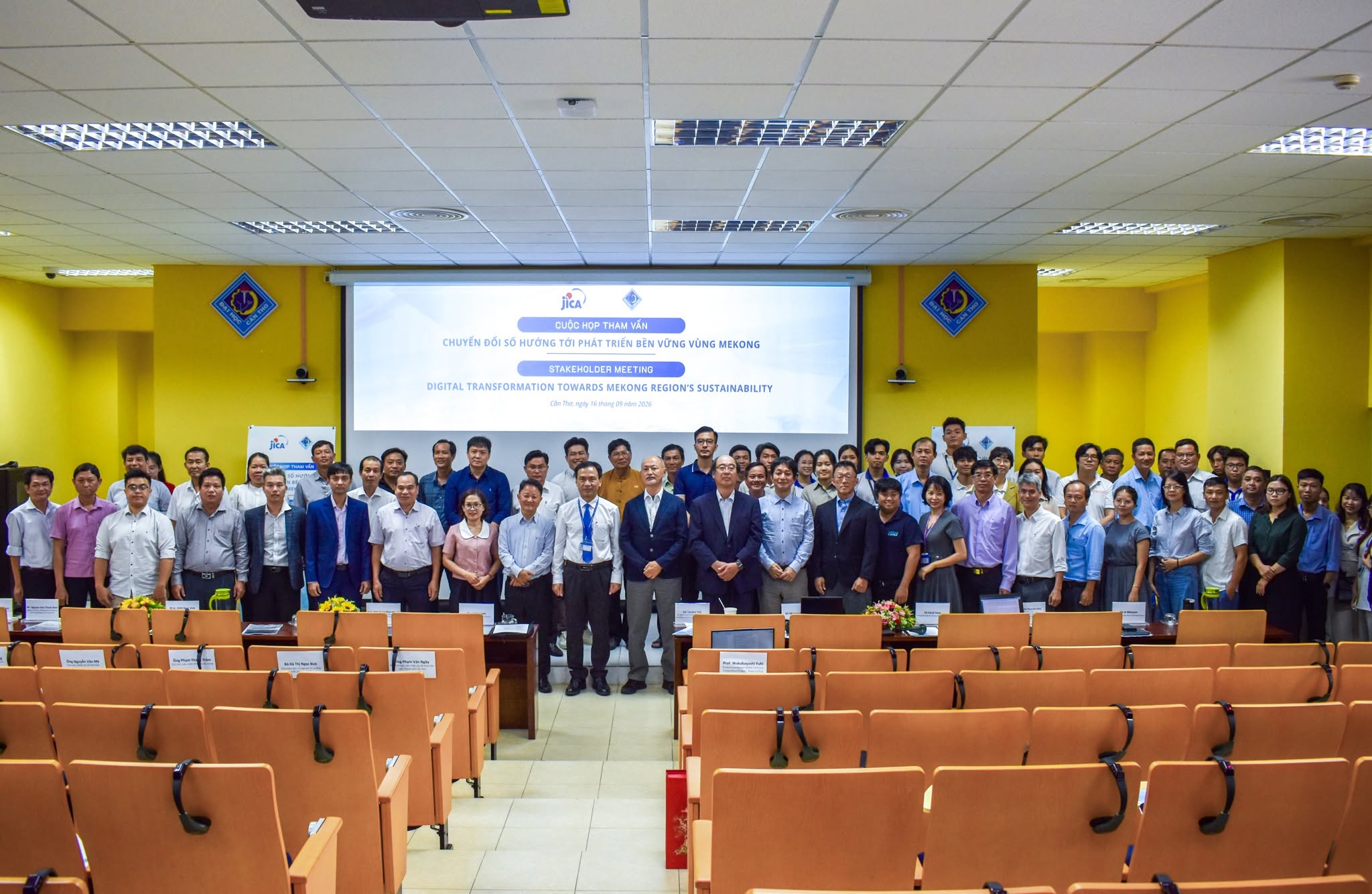
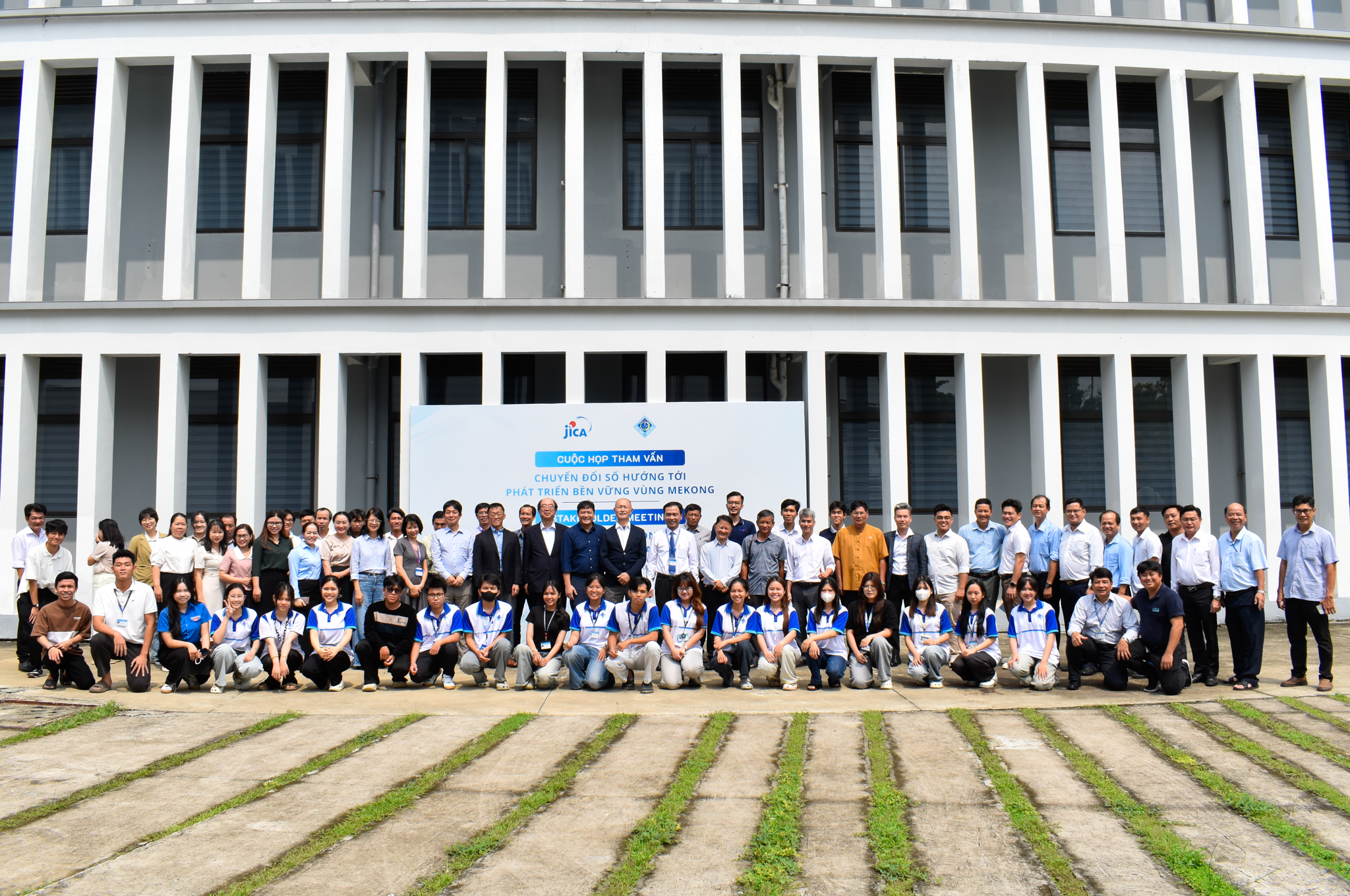
All delegates taking a group photo #MekongInstitute #CanThoUniversity #JICA #KnowledgeHub #DigitalTransformation #SustainableDevelopment #MekongDelta |
Consultation meeting: Digital transformation for sustainable development in the Mekong region
- Written by Phan Ky Trung
- Category: news
- Hits: 70